
A little more prepared for Morocco.
Explore Marrakech’s courtyards, Fès’s craft-filled medina or Rabat’s riverfront kasbah and archaeological park. Choose your city and month, then tailor packing to your dates: inland heat, Atlantic wind and winter rain need different layers.
Explore MoroccoExplore Morocco by city
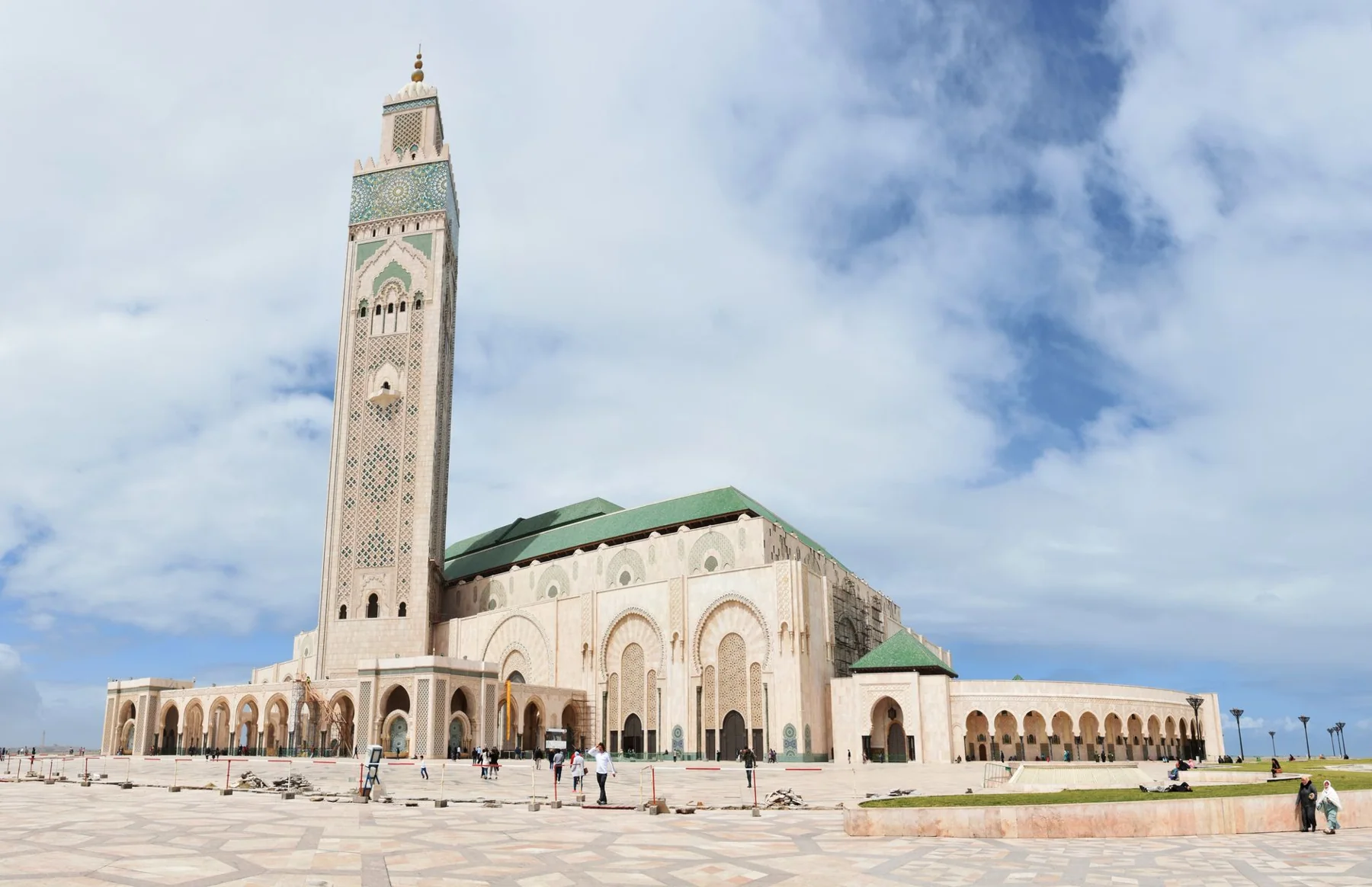
Casablanca
Atlantic air keeps summer milder than inland Morocco, with occasional morning mist and breezy evenings. Winter brings more rain and cool nights; pack removable layers for city walks and a wind-resistant jacket for the shore.
Open city guide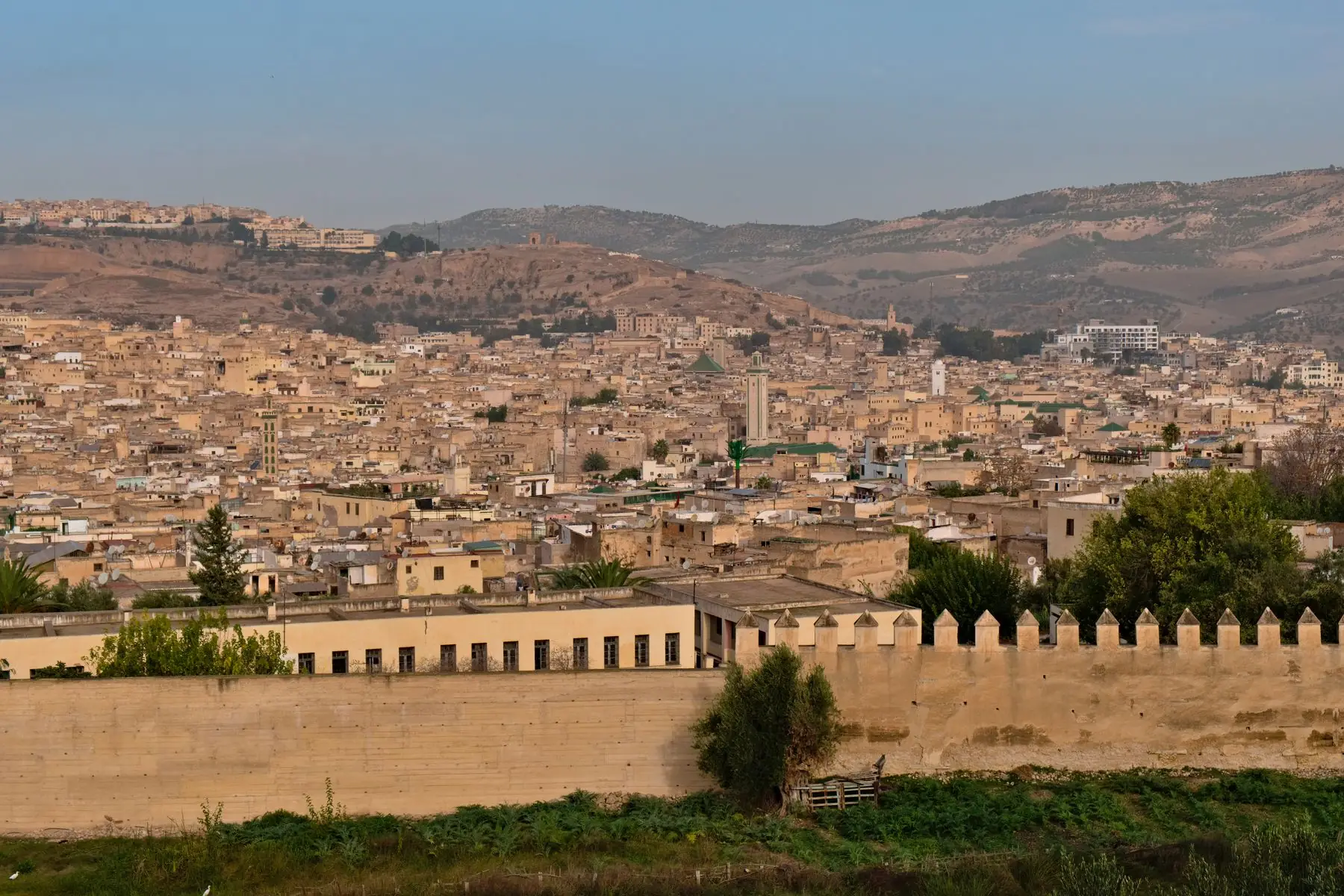
Fès
Summers are very hot and mostly dry. Winter mornings and nights are cold, with rain possible; spring and autumn usually offer gentler walking weather. Fès is inland, so a warm afternoon can still end with a cool evening.
Open city guide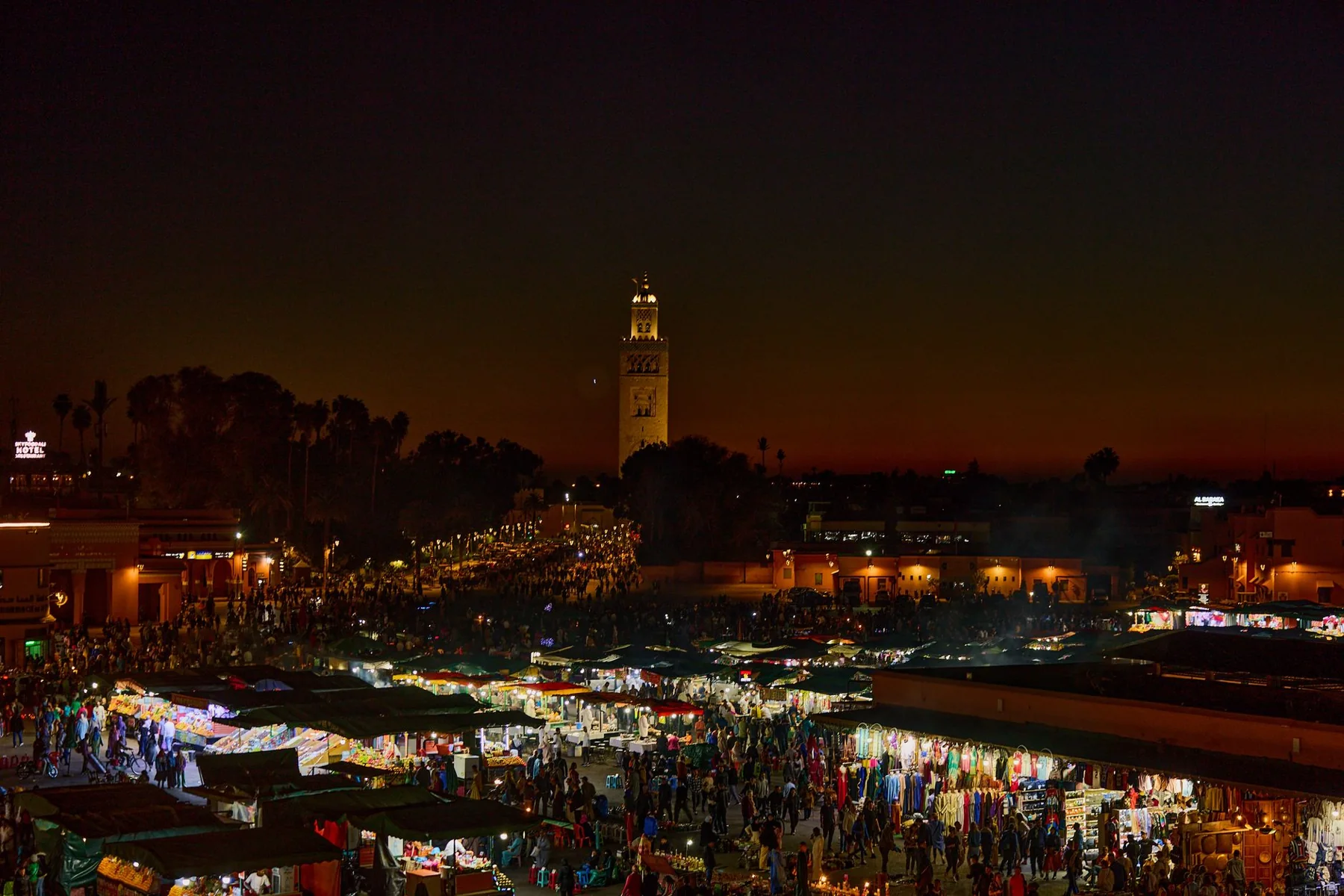
Marrakech
Summer is very hot and usually dry. Winter days can be mild but mornings and evenings are chilly; spring and autumn offer more comfortable walking conditions, with occasional rain.
Open city guide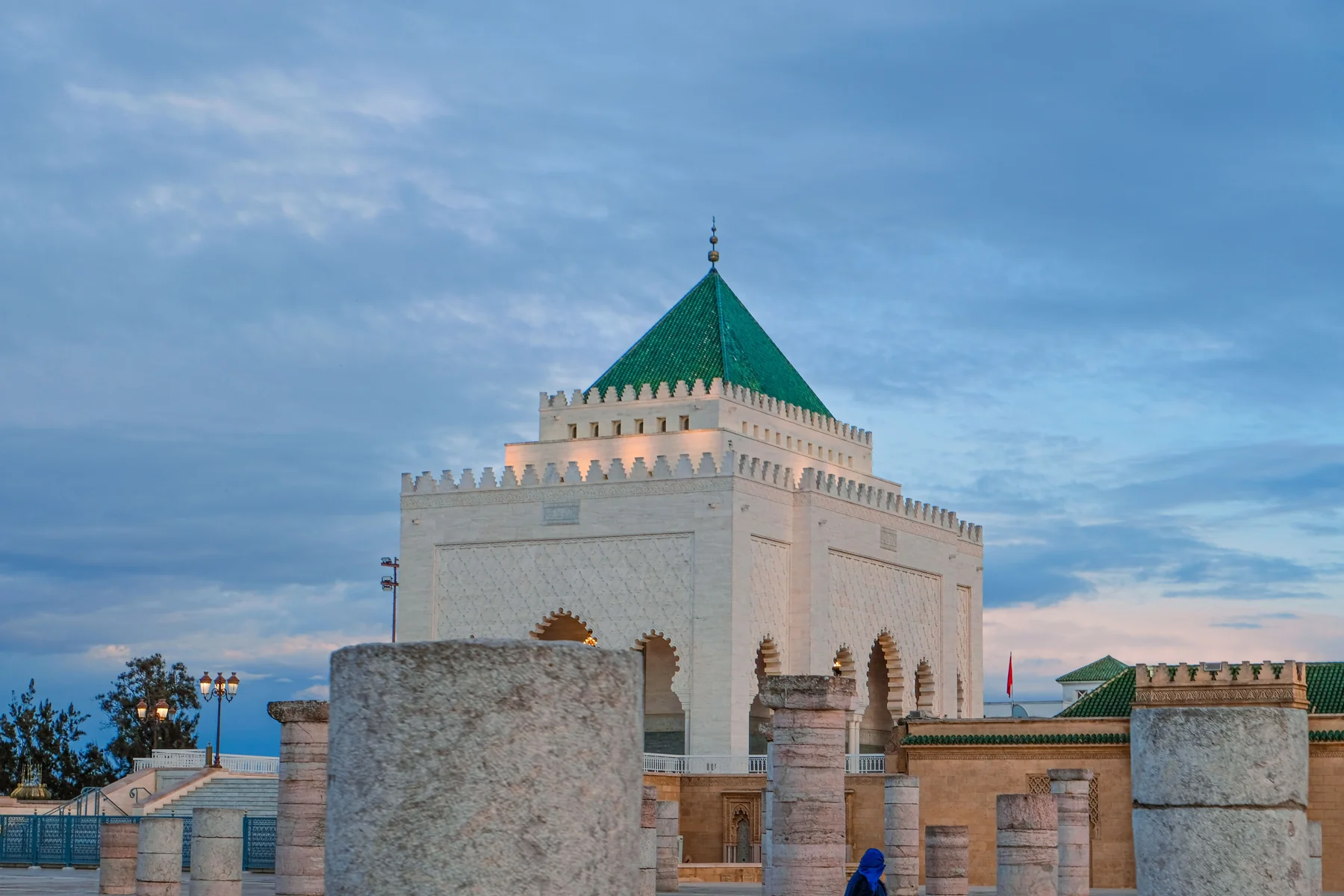
Rabat
Atlantic air moderates Rabat’s summers, though hot spells still occur. Winter is mild by day, cooler at night and wetter; a light wind layer earns its place beside sun protection on waterfront walks.
Open city guide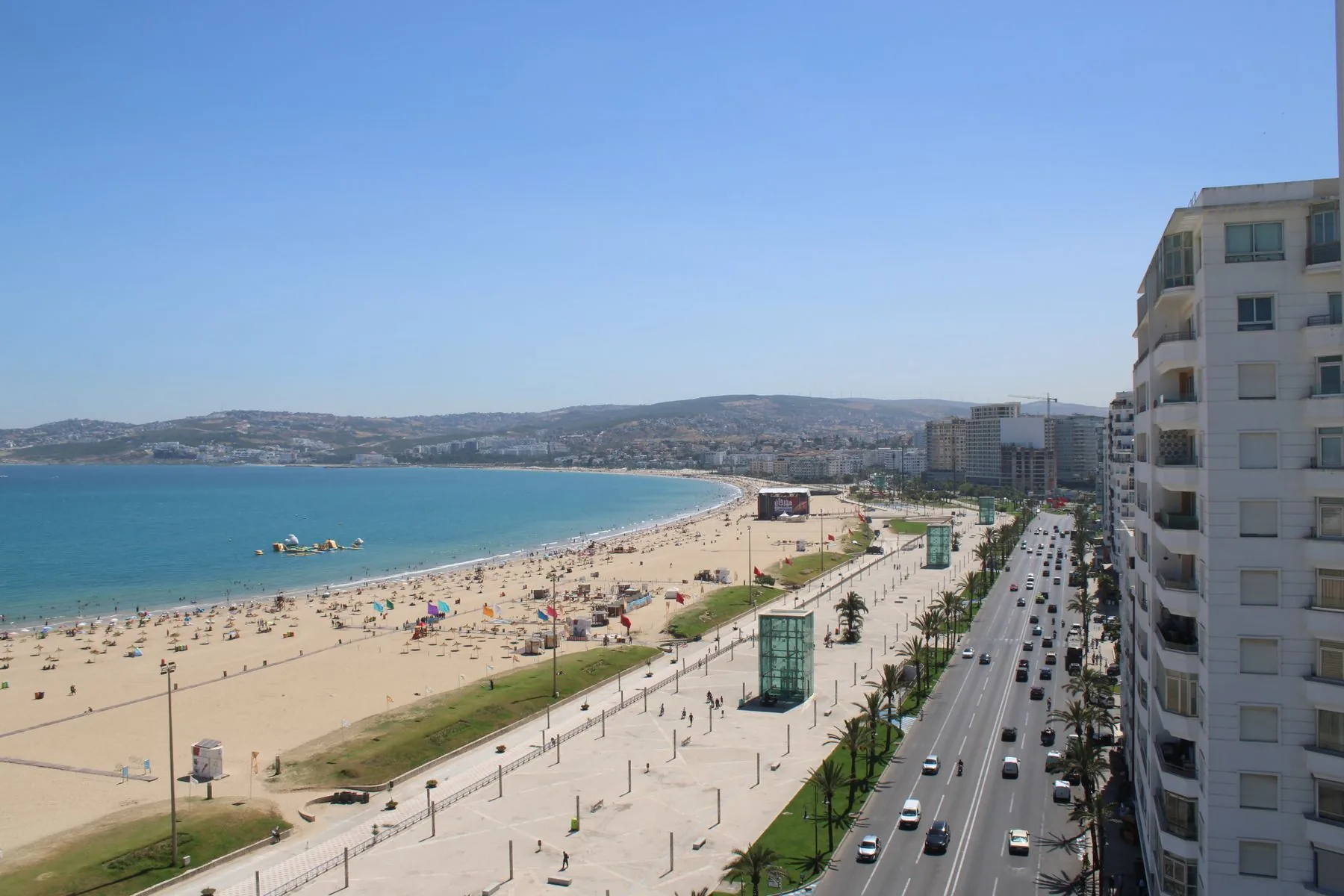
Tangier
Summers are warm and usually dry; winter brings substantially more rain. Wind from the strait can change how a sunny day feels, especially on the corniche and at Cap Spartel. Bring removable layers and shoes with grip for sloping medina streets.
Open city guideBefore you zip the bag
Match the place to the season
- Marrakech summers can be intensely hot; winter mornings and evenings need warm layers.
- Coastal and mountain weather differs from Marrakech: check the forecast for every overnight stop.
Pack for medina walks
- Bring comfortable shoes with grip, sun protection and a secure day bag.
- Light, loose layers with shoulder and knee coverage work well for many city outings.
- Currency
- Moroccan dirham (MAD)
- Plug types
- C / E · 230 VCheck your adapter →
- Emergency number
- 150 (ambulance and fire), 190 (police), 177 (gendarmerie)
Moroccan National Tourist Office — practical information · FCDO — emergency services in Morocco · World Standards — electricity by country
Stay connected
Mobile data for your trip. Check what your current plan includes for roaming. If you need another option for maps, messages and booking details, compare NXTL eSIM coverage and rates. Check that your phone supports eSIM and is unlocked, and check coverage for every stop. Download important maps and confirmations for offline use too.
Useful reads for Morocco
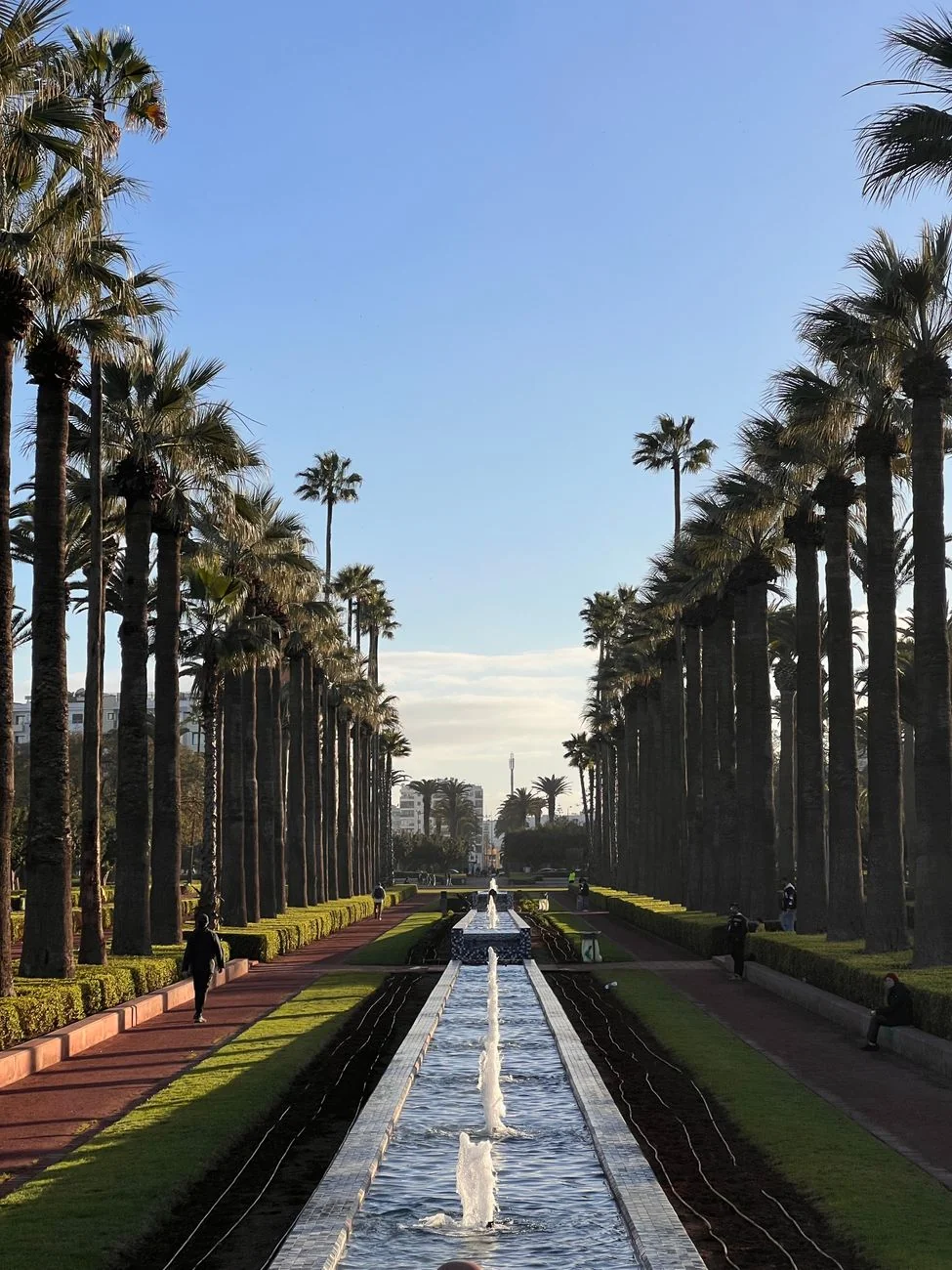
Arab League Park and Sacré-Cœur: a gentler Casablanca walk
Use Arab League Park as a green pause between downtown sights, with the former Sacré-Cœur church as an exterior landmark. Keep the walk flexible and add the civic square only if the weather and your energy suit.
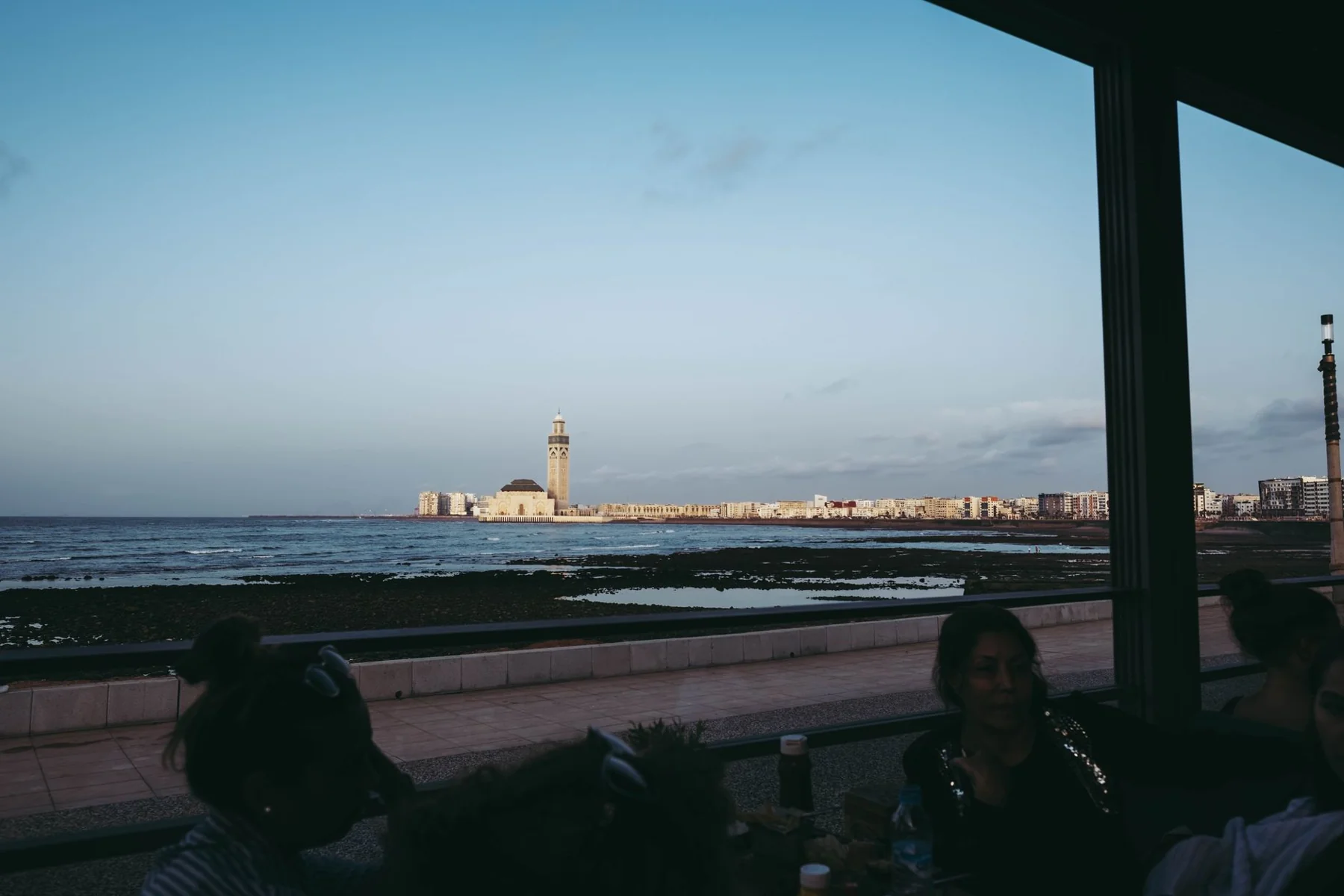
Casablanca’s Atlantic edge: mosque views and an Aïn Diab outing
Choose between a short waterfront pause near Hassan II Mosque and a separate outing along Aïn Diab’s Corniche. Give each stretch time, and keep sea conditions ahead of a sunset plan.
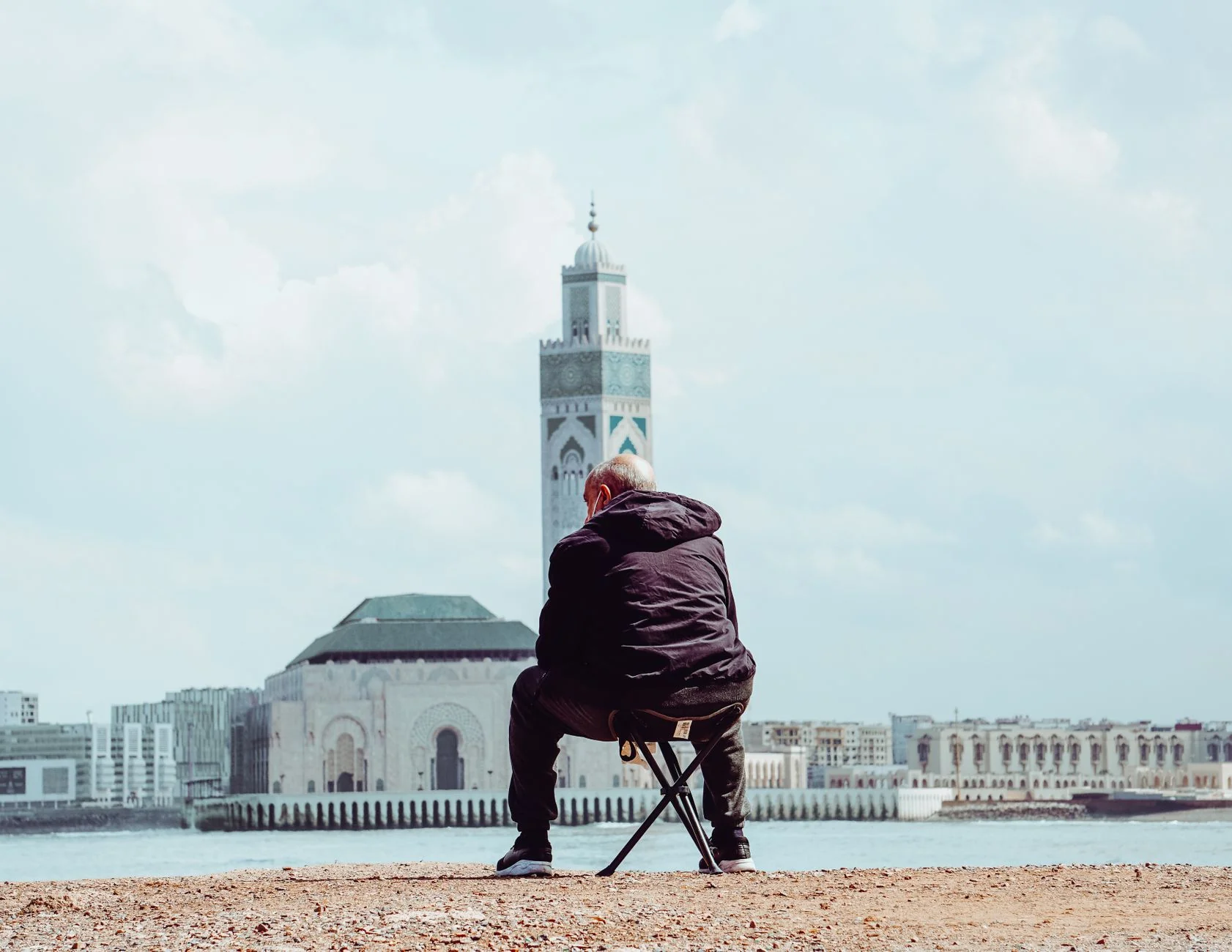
A first weekend in Casablanca: mosque, façades and Habous
Spend one day between the mosque and the old medina, then explore downtown and Habous on a second day. This plan leaves room for meals, weather changes and the journeys between neighbourhoods.
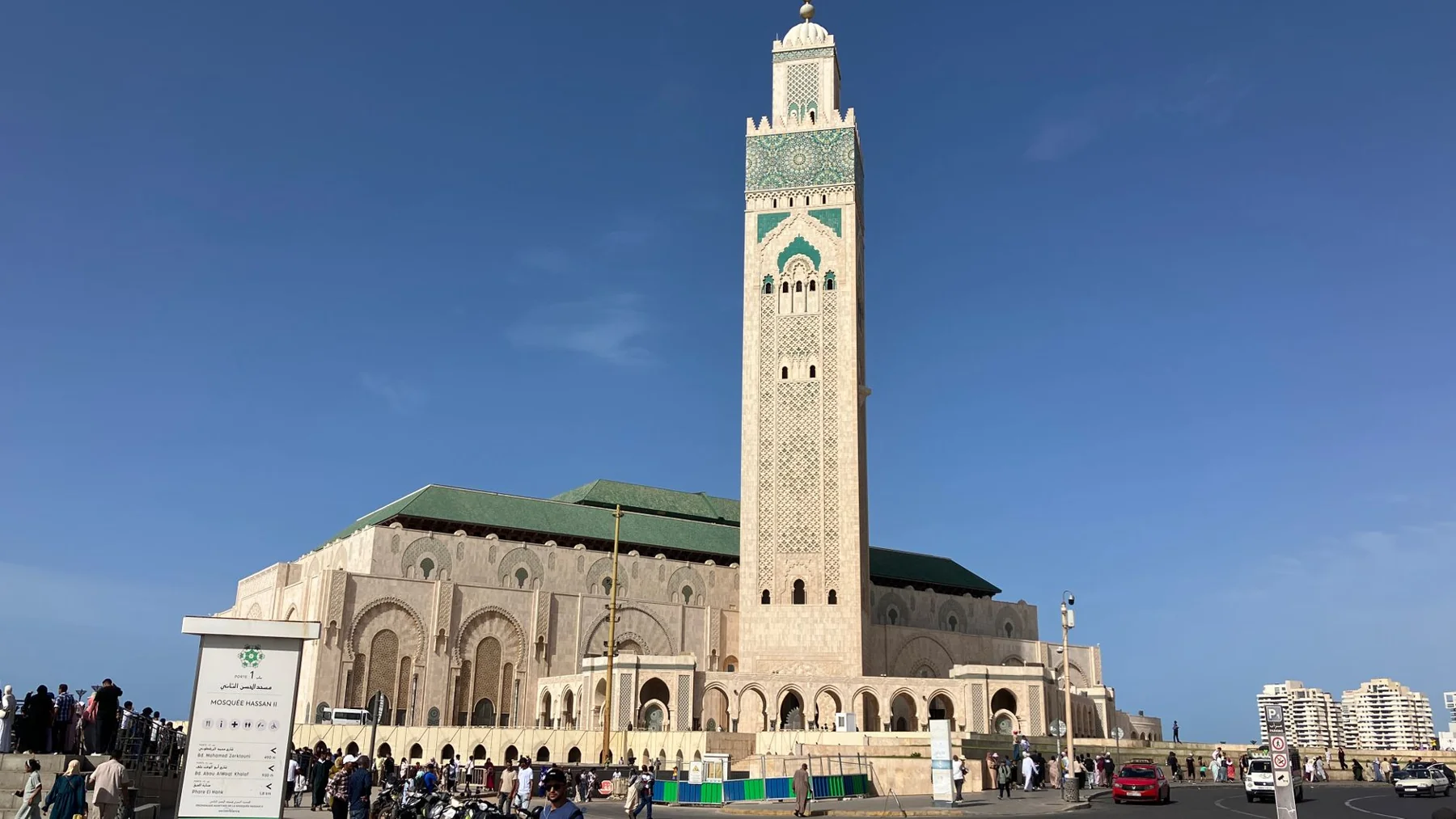
Hassan II Mosque: plan a guided visit beside the Atlantic
Make Hassan II Mosque the anchor of a Casablanca morning, with time to look at its craftwork and a separate waterfront pause. Confirm the guided-visit slot before arranging the rest of your day.
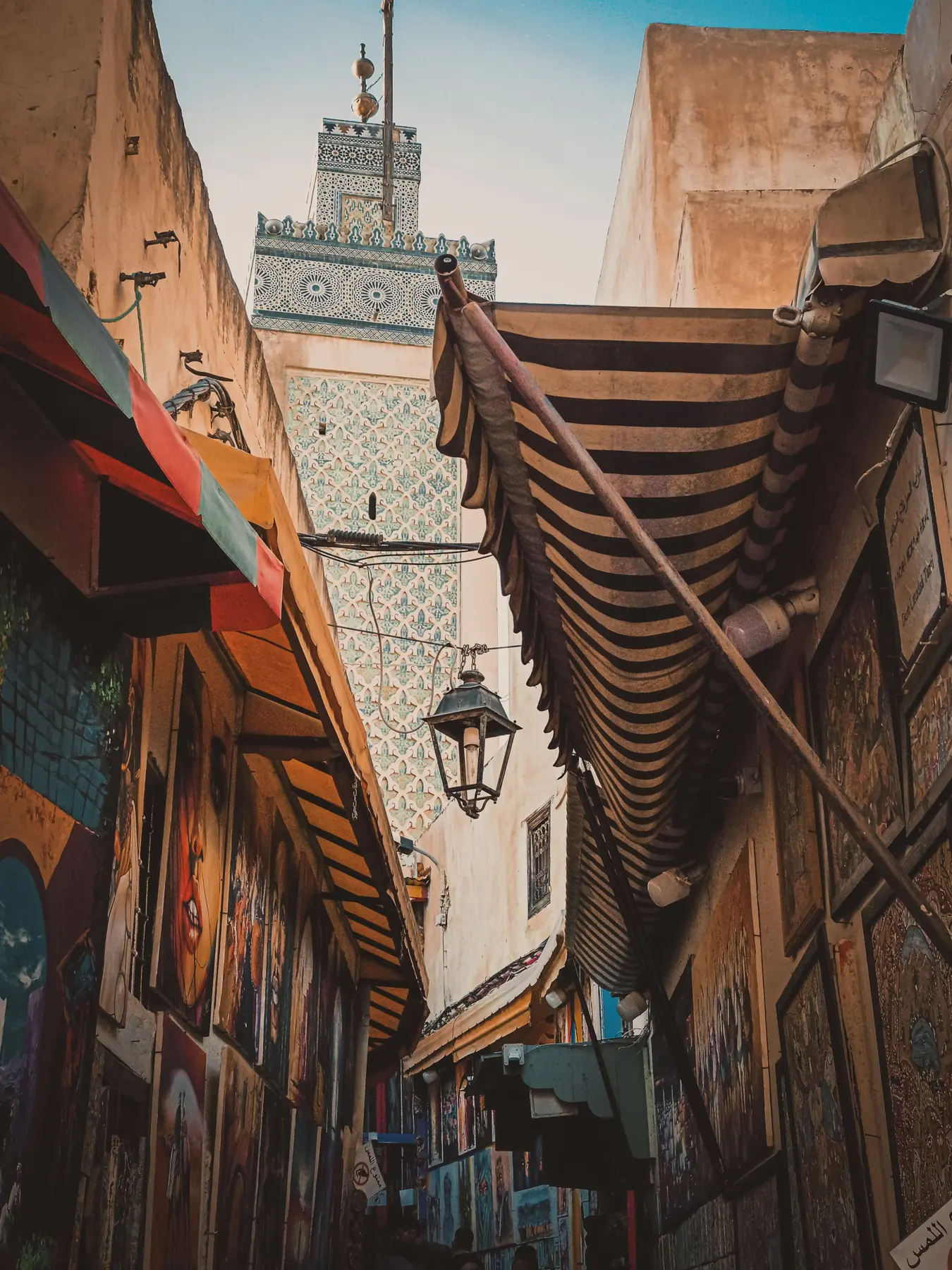
Bou Inania and Bab Boujloud: a short first walk in Fès
Keep your first Fès outing close to the western medina entrance. Bab Boujloud, Talaa Kebira and Bou Inania form a clear sequence, with carved architectural detail and a nearby café break.
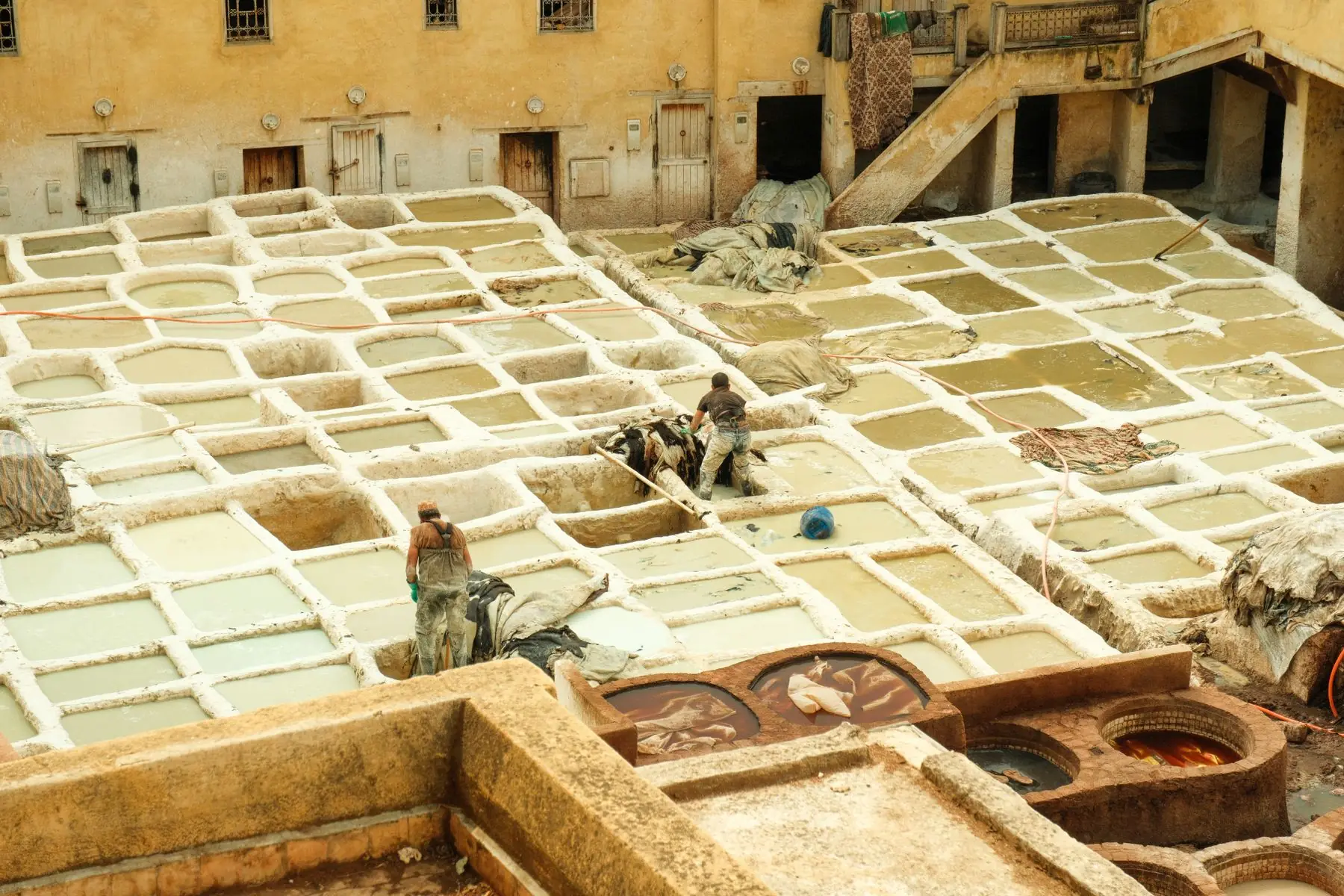
Chouara Tannery: a considerate viewpoint visit in Fès
Chouara is a working tannery, seen from terraces above the vats. Approach it as an optional short visit, with clear expectations about shop access, stairs and photography, then return through the eastern medina at your own pace.
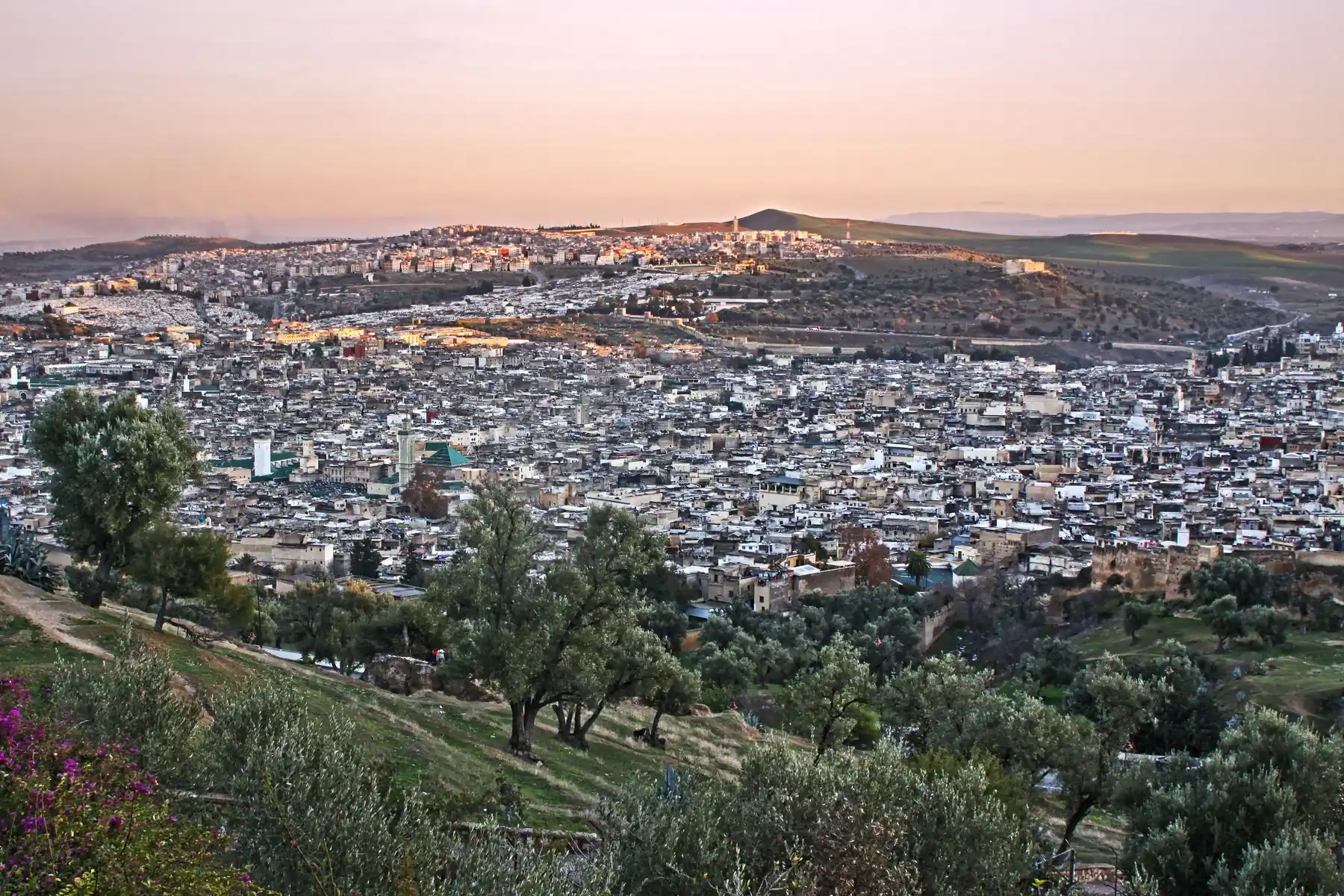
A first weekend in Fès: two manageable medina days
Give Fès two different days: one around Bab Boujloud and Bou Inania, another deeper in the craft quarters. A museum, a proper lunch and optional stops make this a usable weekend rather than a race through the medina.
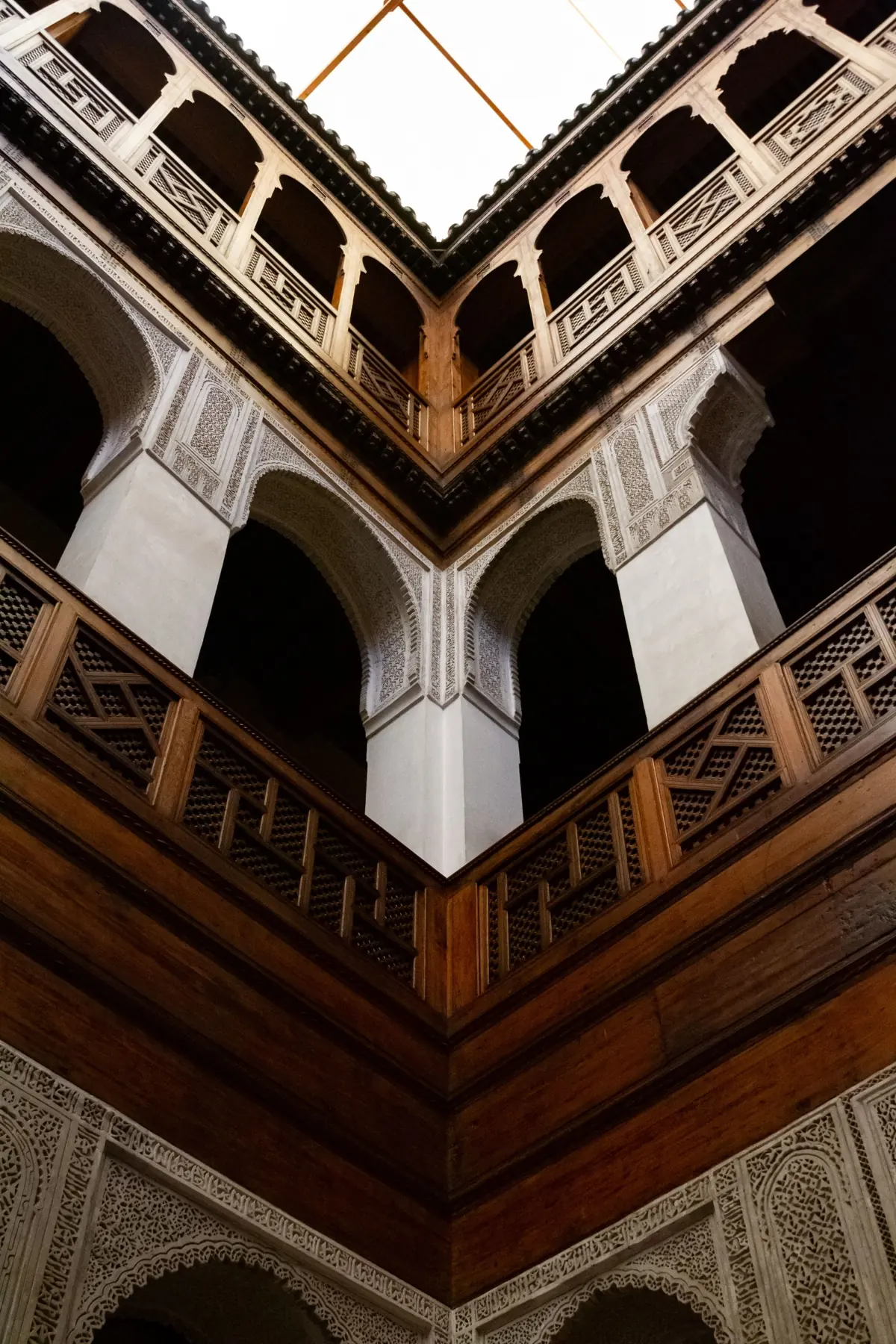
Nejjarine Museum and fountain: woodwork in a Fès fondouk
Give Nejjarine more than a passing photograph. The fountain square and former merchants’ fondouk make a compact outing, with wooden galleries and a museum devoted to the craft of working wood.
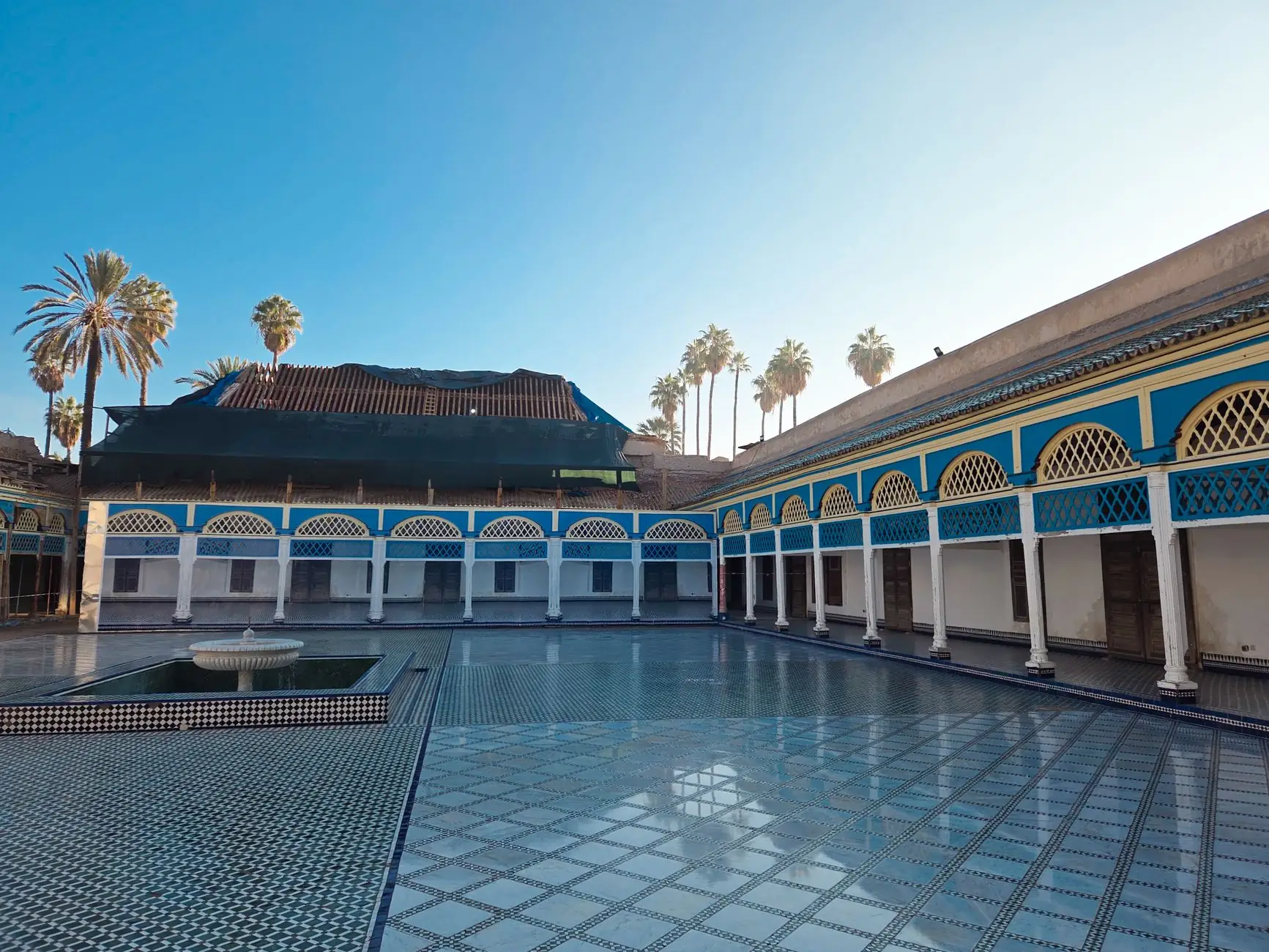
Bahia Palace: courtyards, ceilings and a southern medina outing
Make Bahia Palace the focus of a southern medina outing. Look at its courtyard proportions and decorated ceilings, then leave time for the neighbourhood rather than rushing north to another major monument.
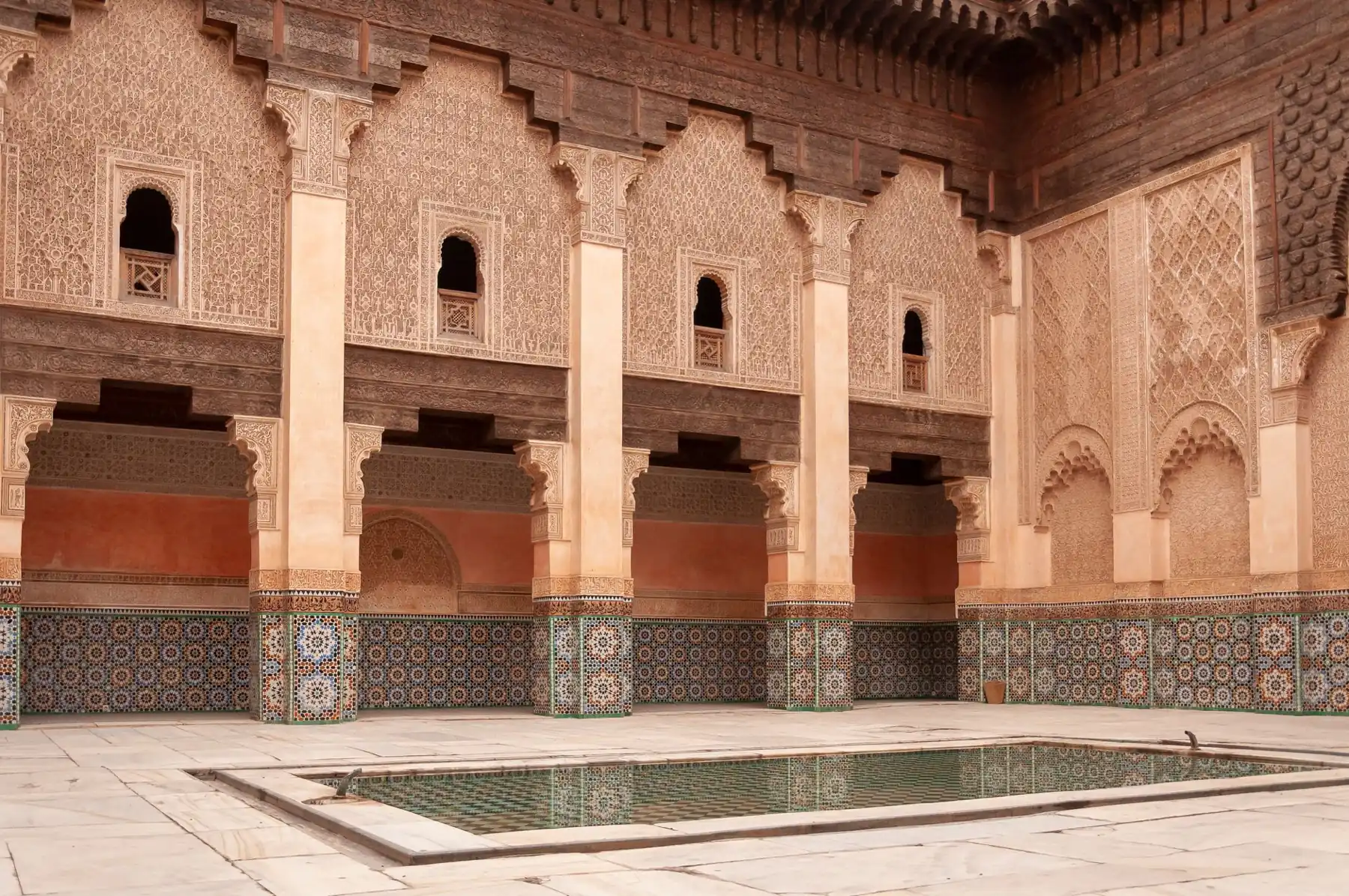
Ben Youssef and Rahba Kedima: a northern medina walk
Use Ben Youssef’s courtyard as the main visit, then slow down around Rahba Kedima for a meal and a look at the shops. This walk keeps the northern medina together without adding a distant garden or southern palace.
A first weekend in Marrakech: medina courtyards and a garden morning
Split a first Marrakech weekend between the old city and a booked garden visit. This two-day plan leaves room for meals and rest instead of stacking every palace, museum and excursion into the same afternoon.
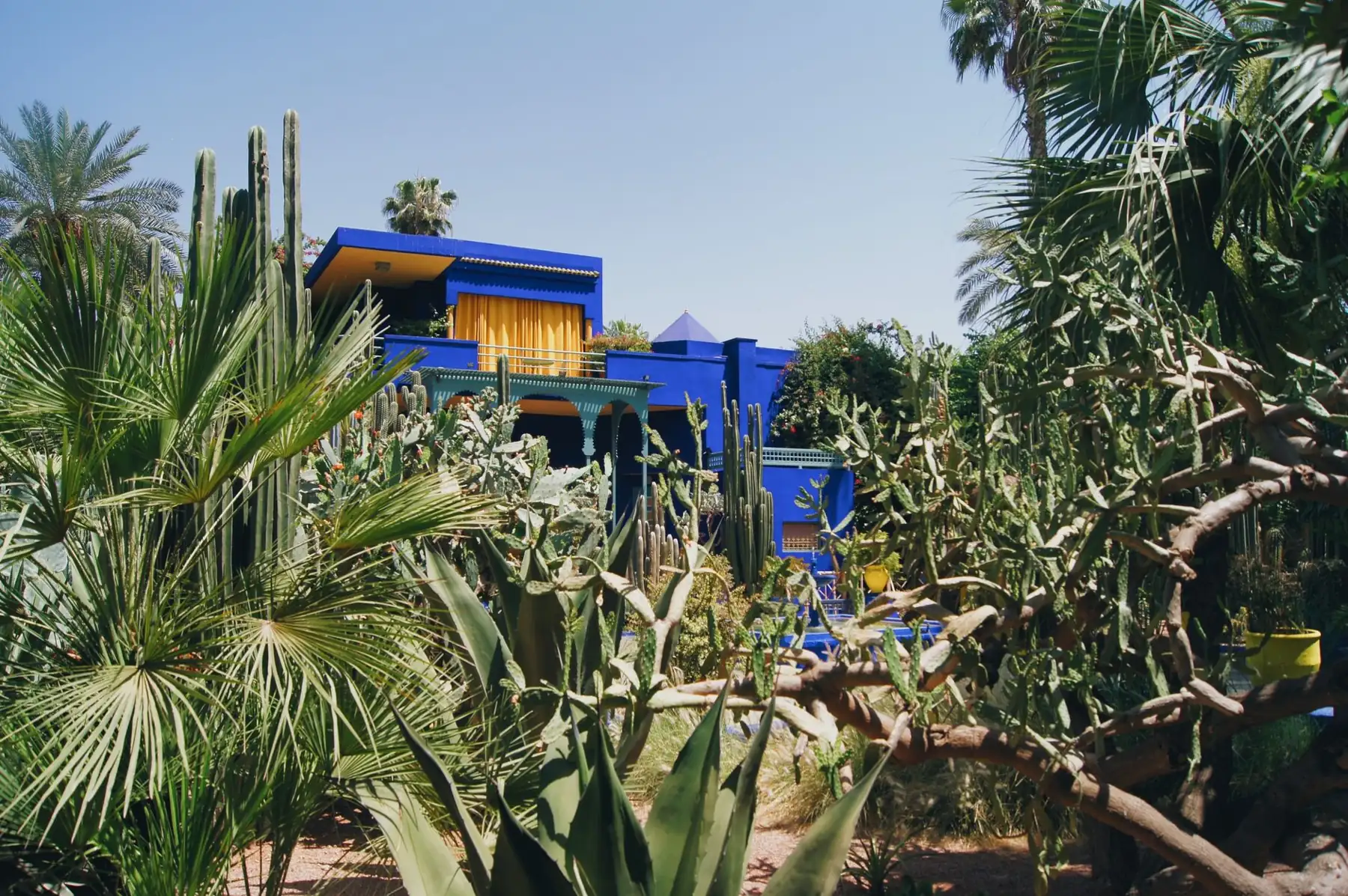
Jardin Majorelle: book the right ticket and enjoy the garden
Plan Jardin Majorelle as a reserved garden visit, with time to look at its blue architecture and planting. Choose any museum visits deliberately and keep the rest of the day flexible instead of treating a garden ticket as an all-city pass.
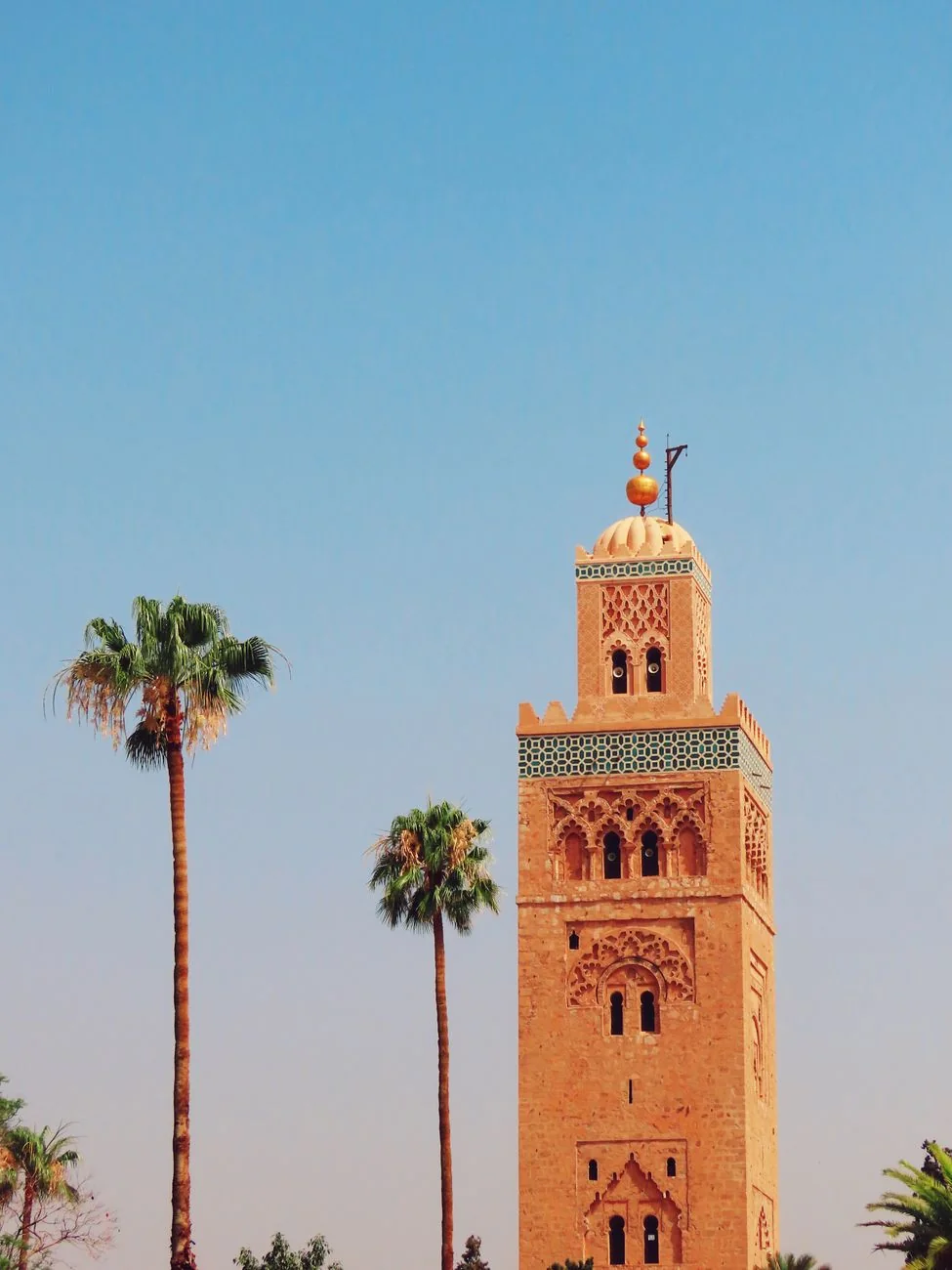
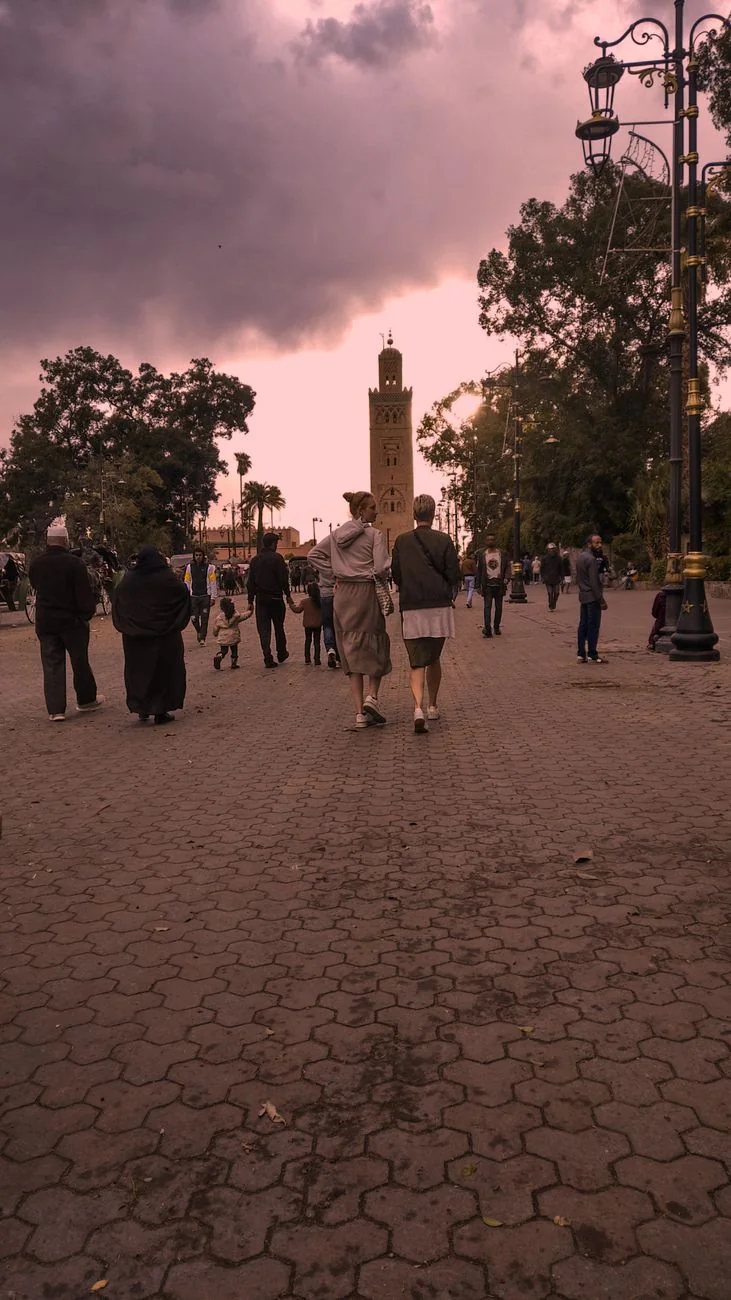
Koutoubia to Jemaa el-Fnaa: a short exterior walk
Use the Koutoubia minaret as an easy landmark for a short Marrakech outing. Pair the public gardens and exterior views with Jemaa el-Fnaa, leaving mosque interiors and long shopping loops outside the plan.
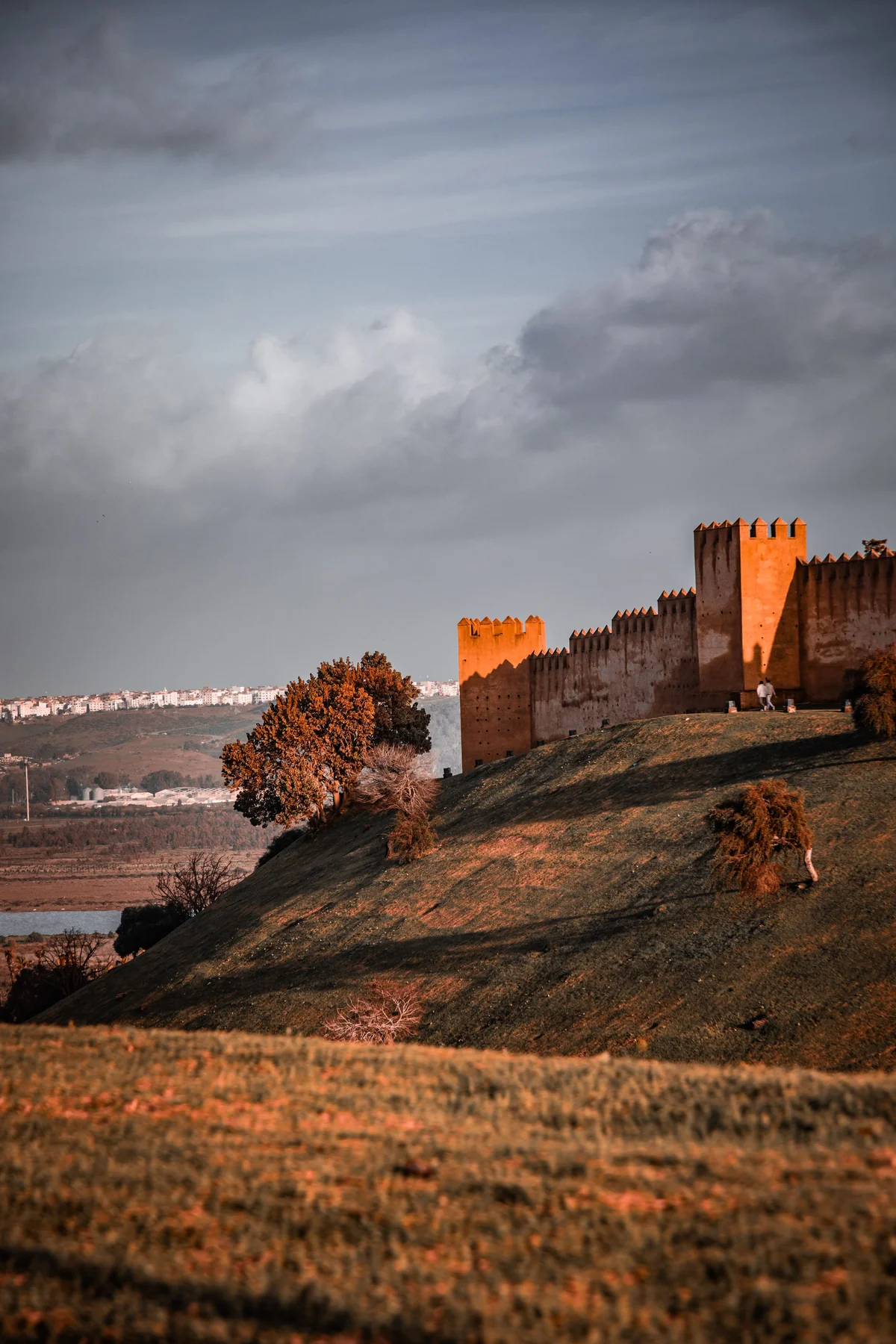
Chellah in Rabat: ancient ruins, ramparts and the necropolis
Chellah deserves its own outing. The archaeological park brings ancient Sala and the later Marinid necropolis into one enclosed landscape, with ramparts and interpretation panels that help connect the visible remains.
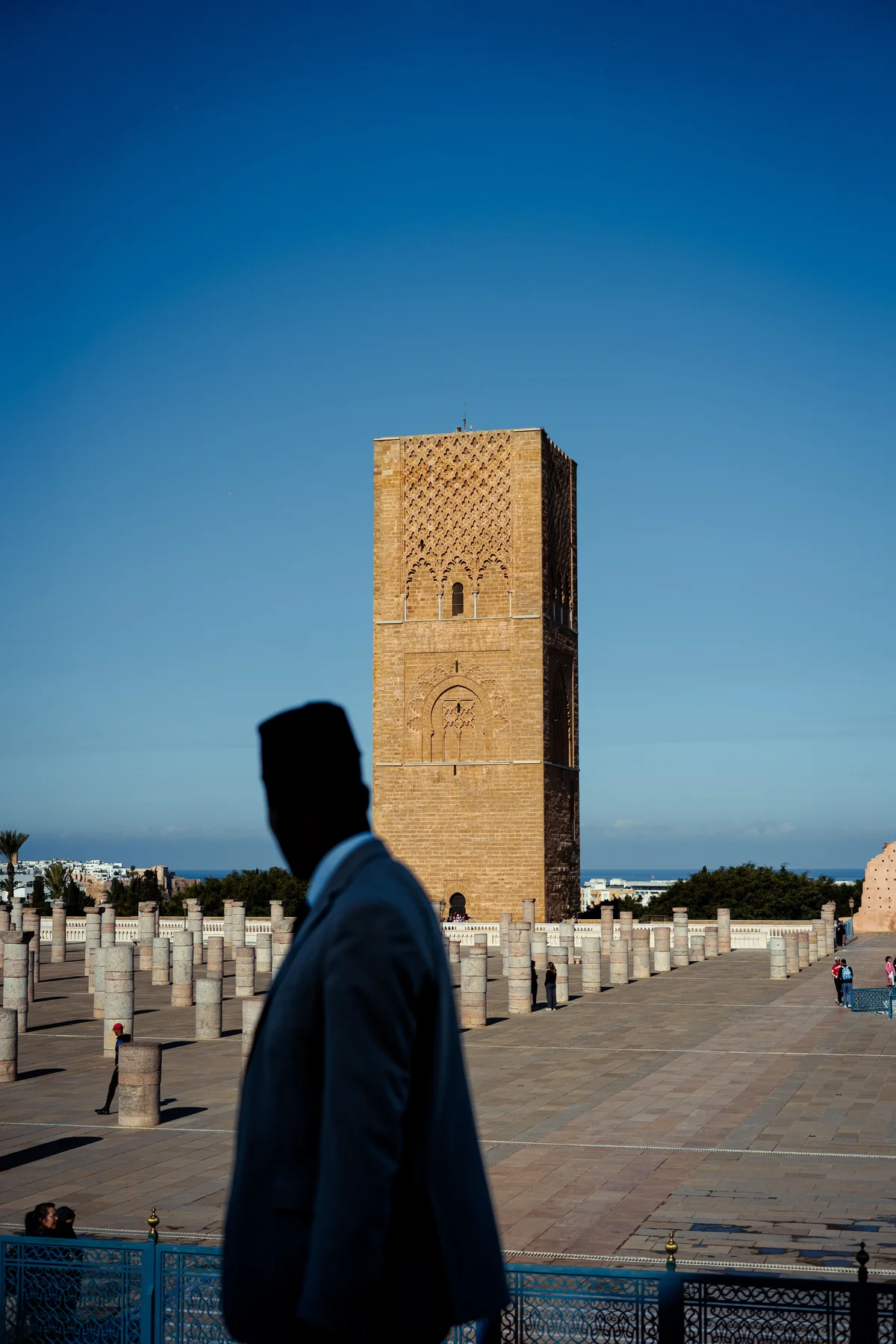
A first weekend in Rabat: Oudayas, Hassan and Chellah
Spend one day between the medina and the river, then give Rabat’s monuments and archaeological park a second day. This plan leaves space for a proper meal and a tea stop, with an art museum alternative when the weather changes.
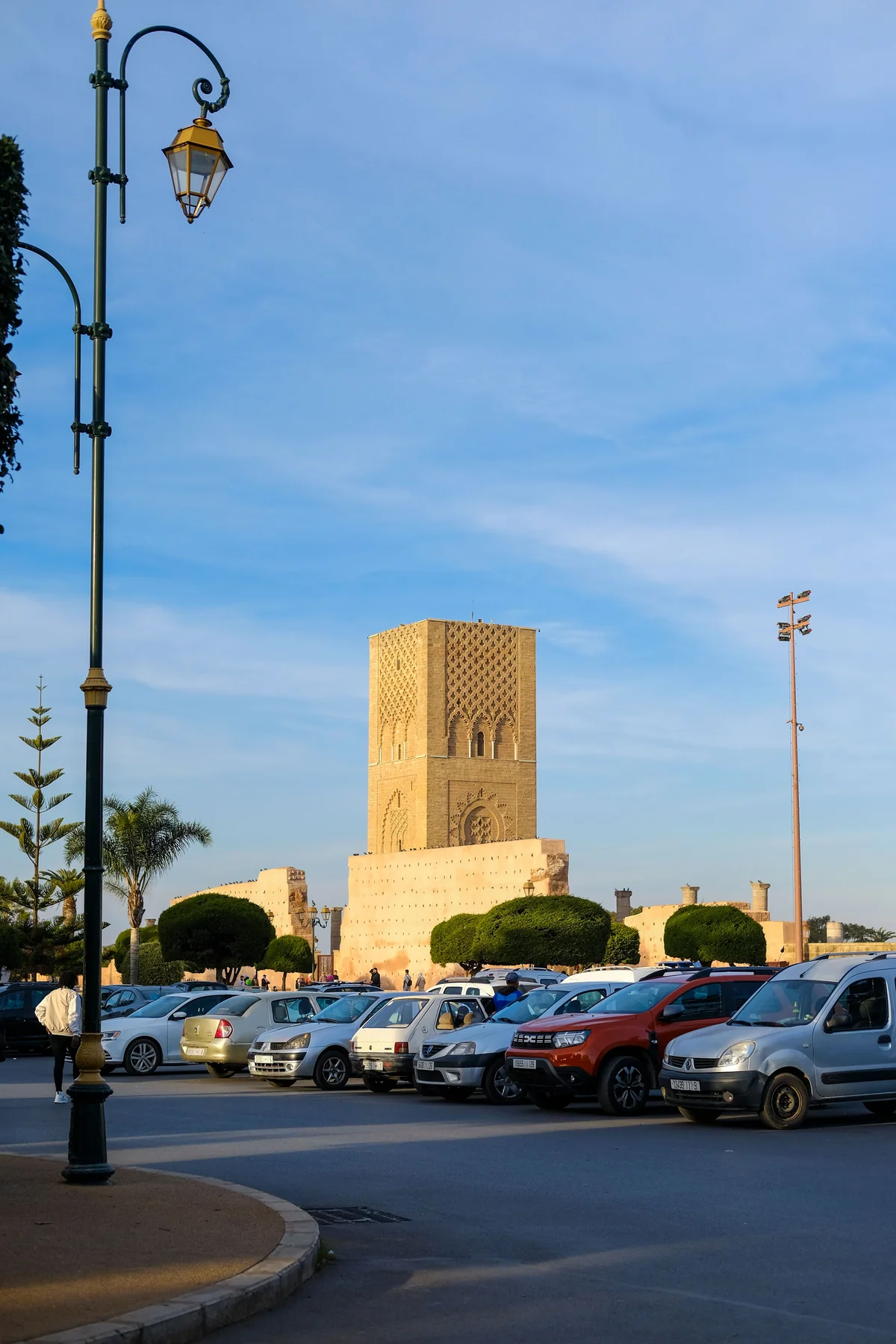
Hassan Tower and Mohammed V Mausoleum: reading the plaza
Give the Hassan site a focused visit rather than taking one photograph from the gate. The unfinished minaret, rows of columns and green-roofed mausoleum make sense when seen together, with time to move around the open plaza.
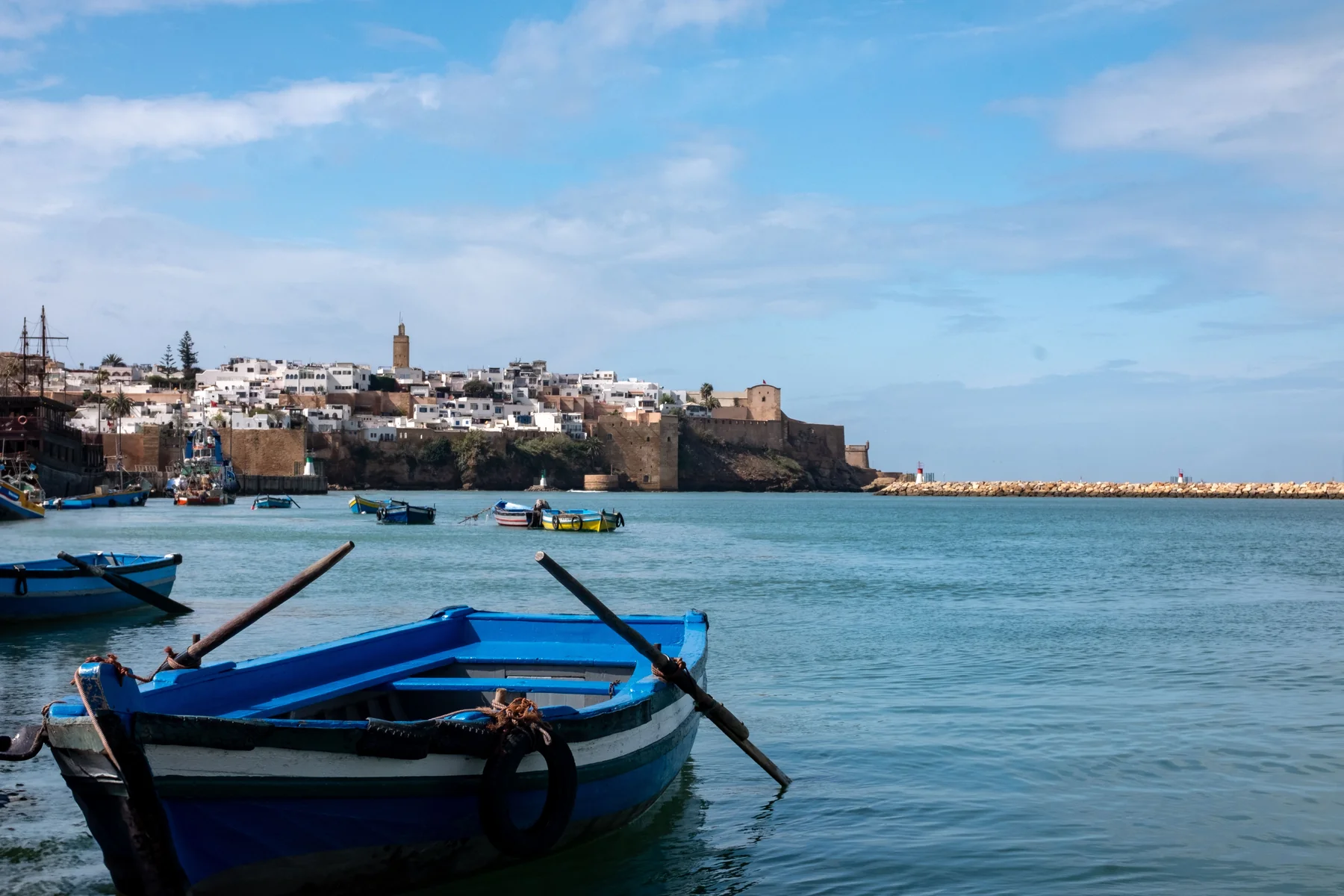
An Oudayas walk: Bab Oudaya, blue lanes and river views
The Oudayas kasbah works best as a short walk with a few clear anchors: the monumental gate, residential lanes, river platform and Andalusian garden. Leave time for tea rather than trying to turn the neighbourhood into a checklist.
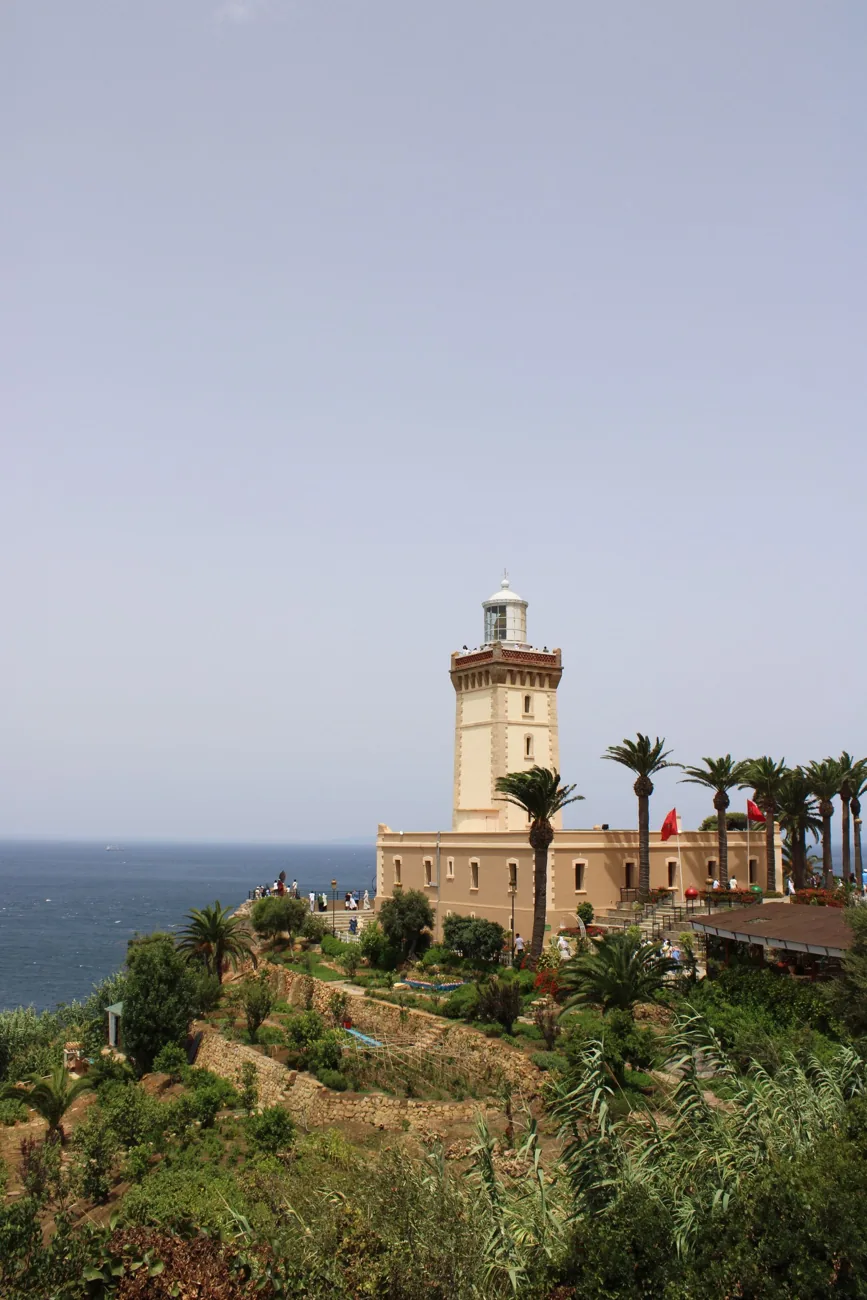
Cap Spartel from Tangier: lighthouse, museum and garden
Give Cap Spartel a separate coastal outing from Tangier. Combine its lighthouse setting with the maritime museum and garden, with the tower climb and Hercules Caves as optional additions.
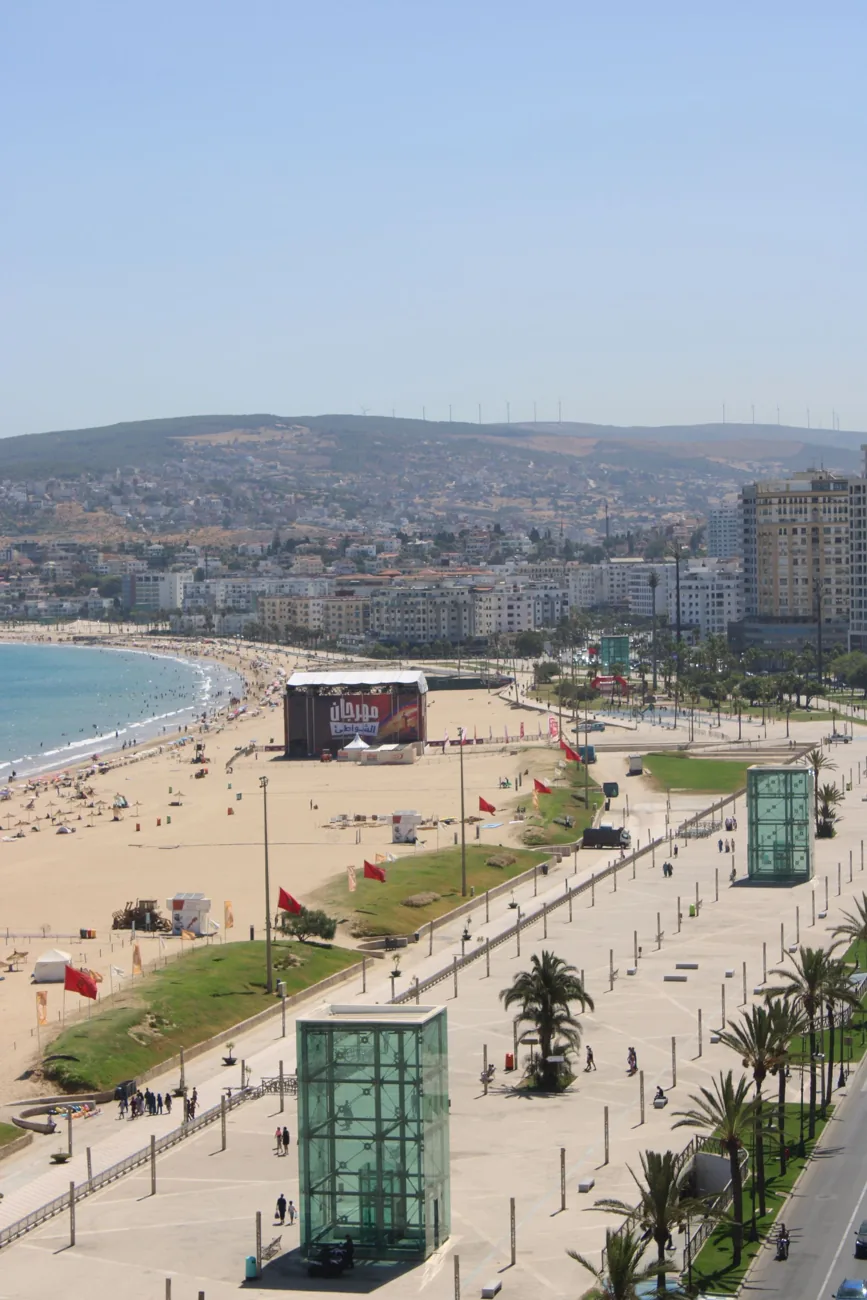
Tangier corniche: a flexible walk along the city bay
Follow a short section of Tangier’s palm-lined waterfront between the marina and city beach. Extend towards Malabata only if the weather, energy and return journey suit.
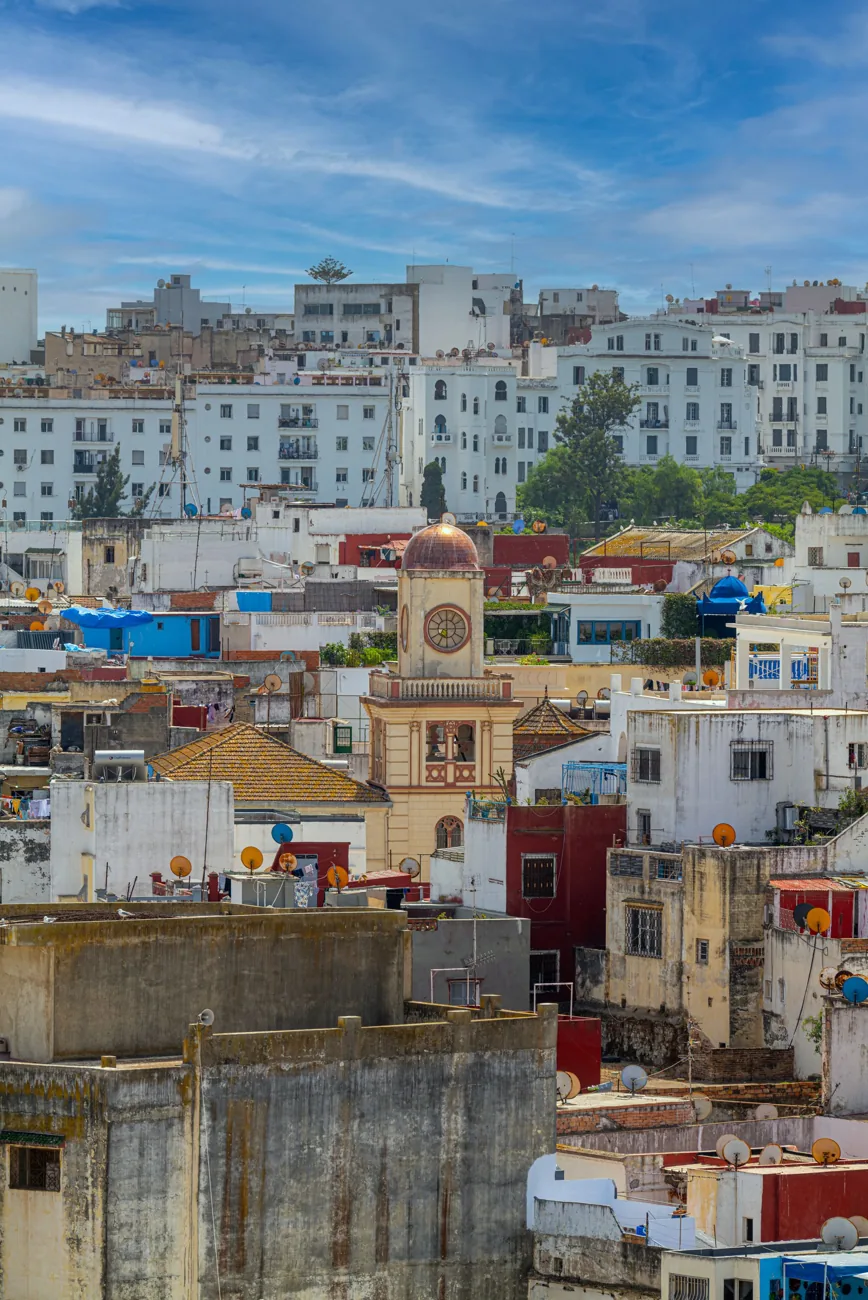
A first weekend in Tangier: medina, museums and the sea
Spend Saturday between Grand Socco, the Kasbah and the old harbour, then choose a relaxed waterfront Sunday or a separate Cap Spartel outing. Keep museums and café breaks in the plan.
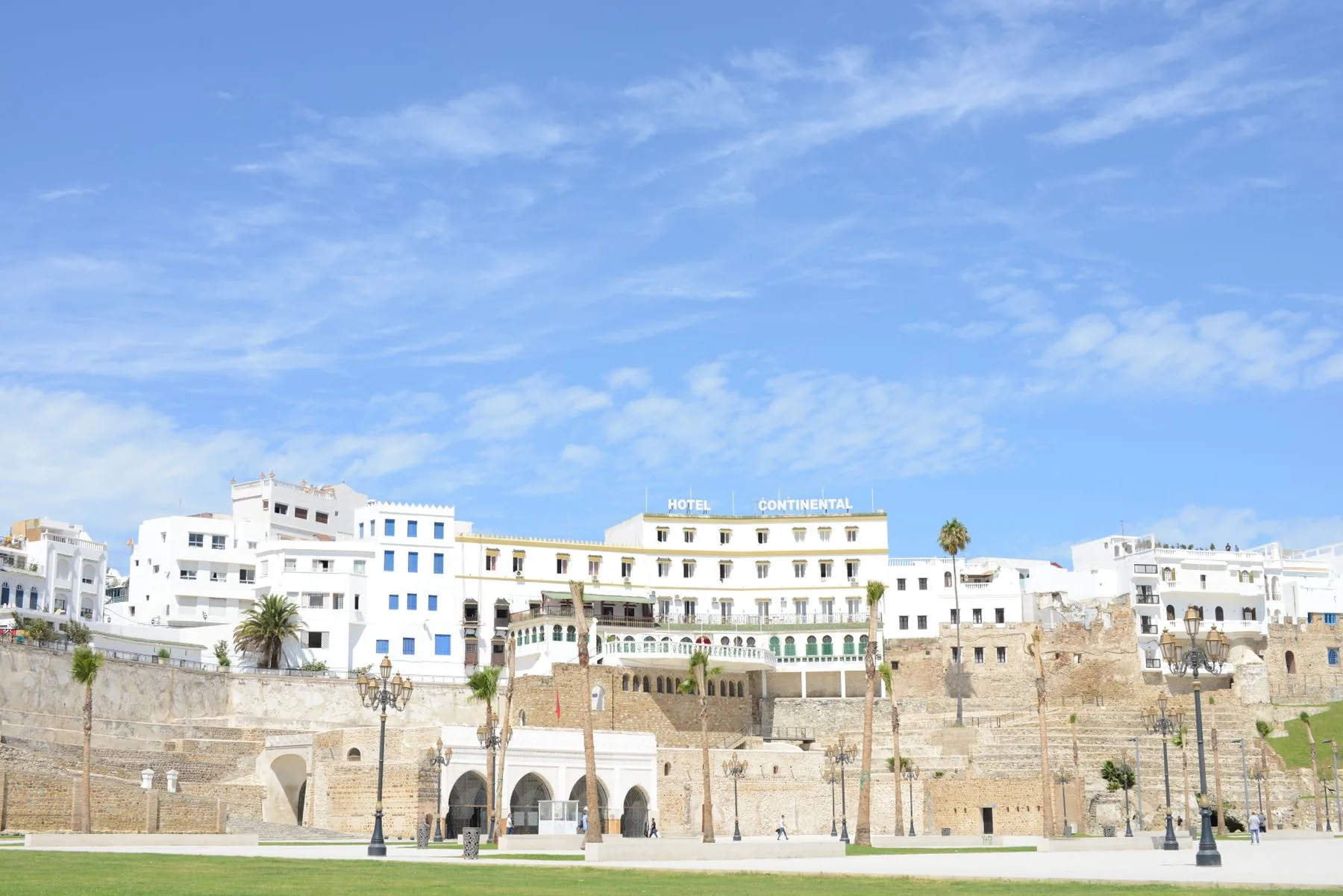
Tangier medina walk: Grand Socco, the Kasbah and the Legation
Link Grand Socco and Petit Socco with an uphill Kasbah visit, then descend to the American Legation and the old harbour edge. Choose one museum if you prefer a shorter day.