
A little more prepared for Uzbekistan.
Start in Tashkent with Chorsu Bazaar, decorated metro stations and the contrasting architecture of Hazrati Imam and the modern city. Compare monthly weather before packing: summer heat and winter frost call for very different layers.
Explore UzbekistanExplore Uzbekistan by city
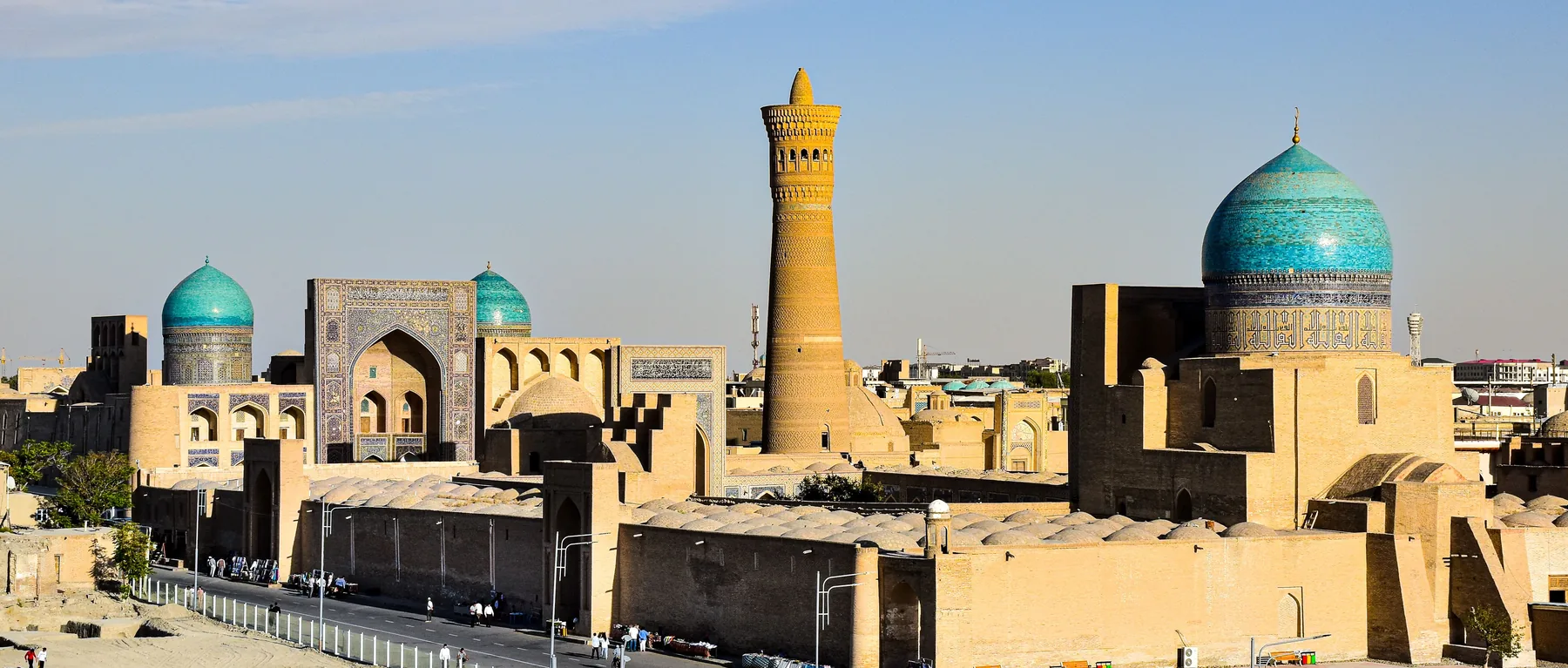
Bukhara
Bukhara has very hot, dry summers and cold winter nights, with frost and occasional snow possible. Spring brings more showers; April–May and September–October usually make monument walks easier than midsummer. Carry water and sun protection, and check the forecast for extremes before packing.
Open city guide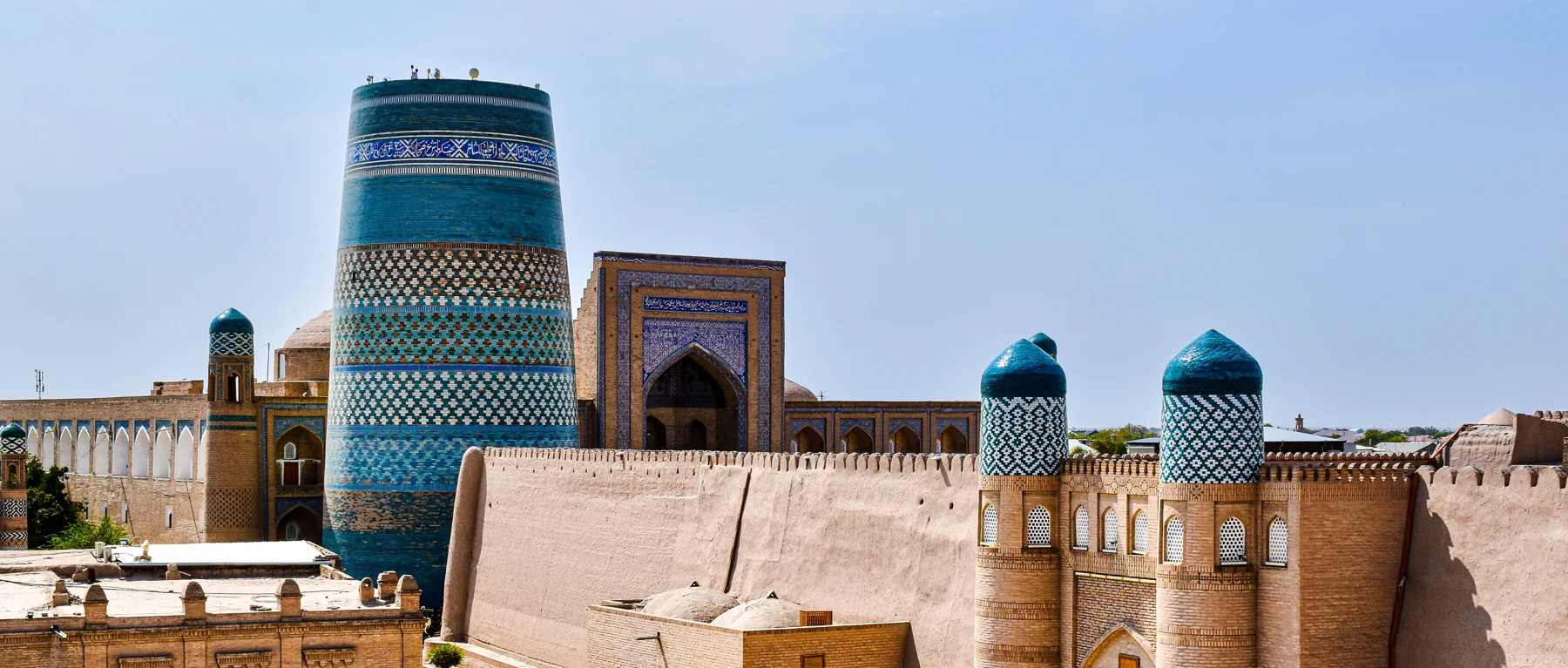
Khiva
Khiva has very hot, mostly dry summers and cold winters with freezing nights and occasional snow. April–May and September–October are usually more comfortable for walking than midsummer, though warm afternoons can still call for a long indoor break. Spring showers and winter cold need different layers; check the forecast before leaving.
Open city guide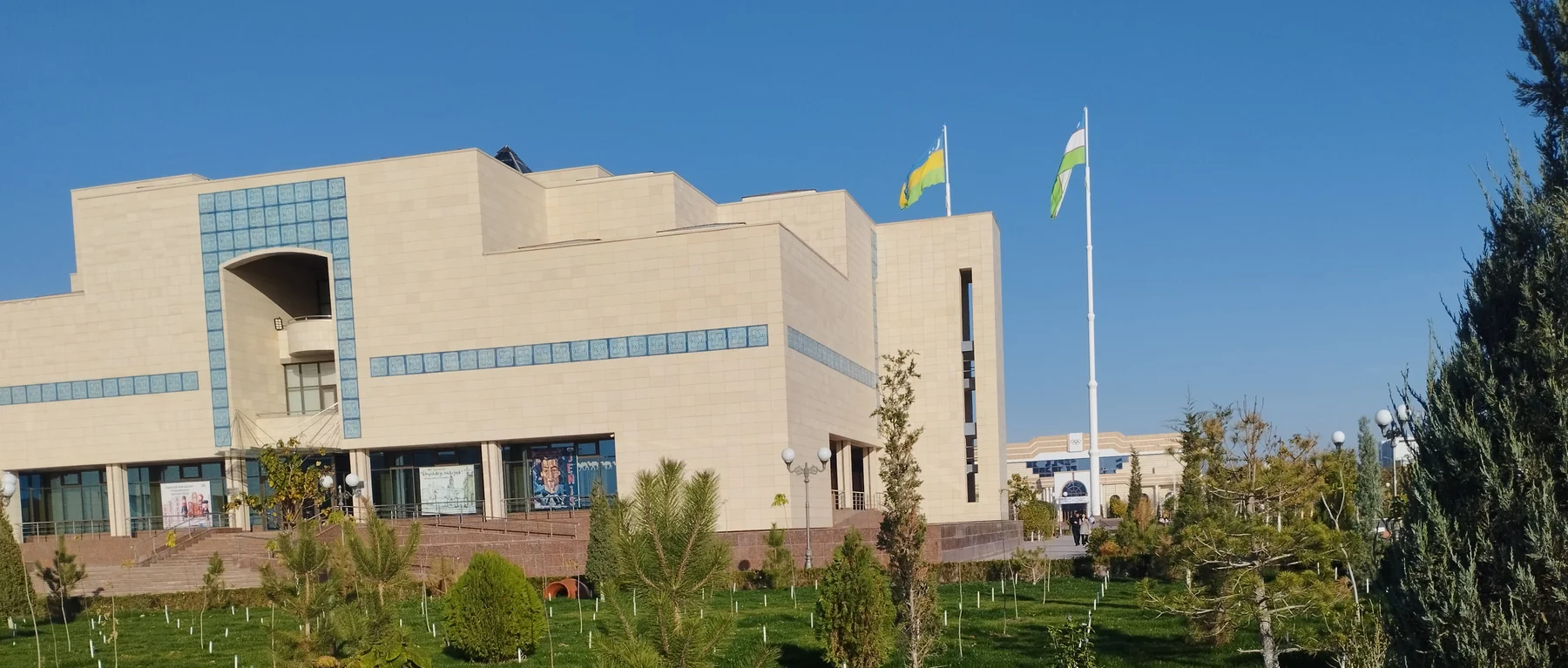
Nukus
Nukus has very hot, dry summers and cold winters with freezing nights. April and October usually offer gentler walking weather; May and September are warmer alternatives. Carry sun protection for exposed outings and an extra layer for windy evenings. A museum day is a useful alternative when heat, dust or winter cold makes an outdoor excursion unappealing.
Open city guide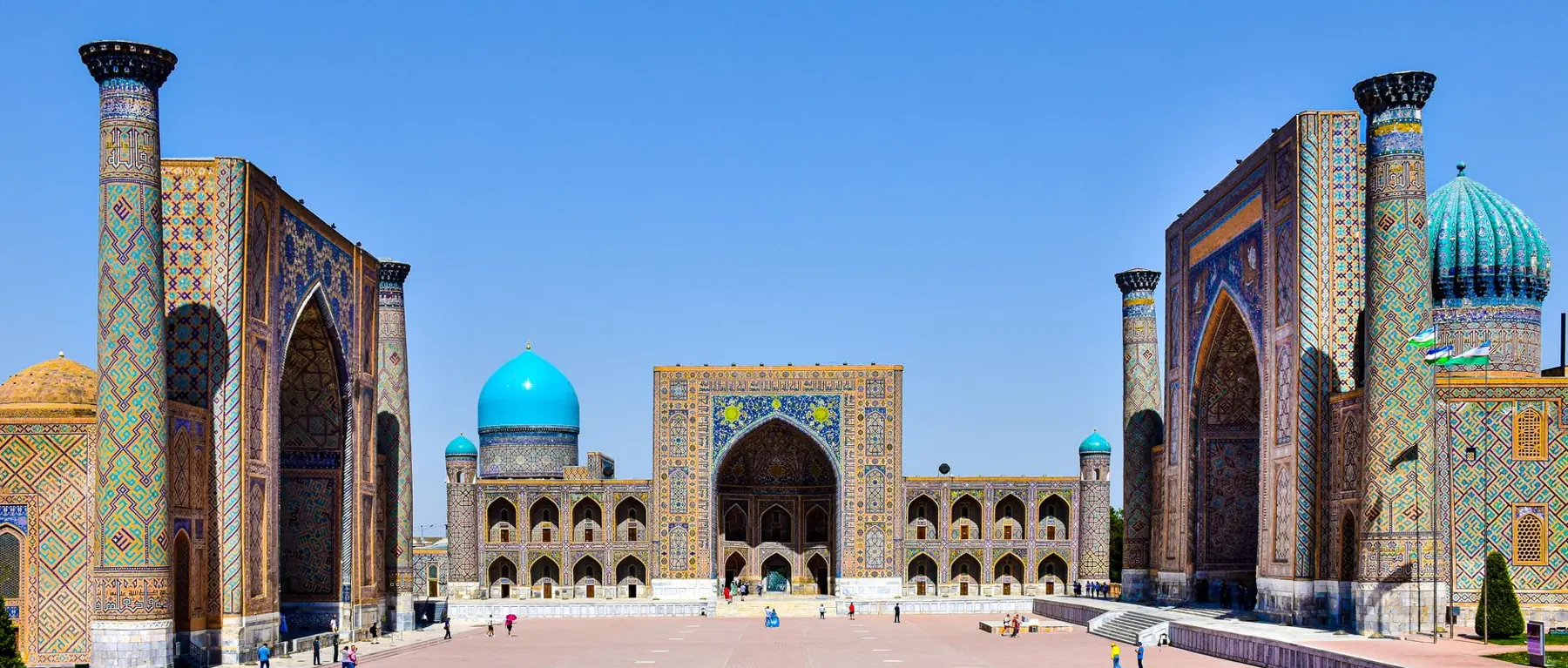
Samarkand
Summers are hot and very dry; winters can bring frost, snow and slippery paving. Spring has more showers, while early autumn usually offers a comfortable balance for open squares and mausoleum visits. Check the forecast for heatwaves or cold spells before packing.
Open city guide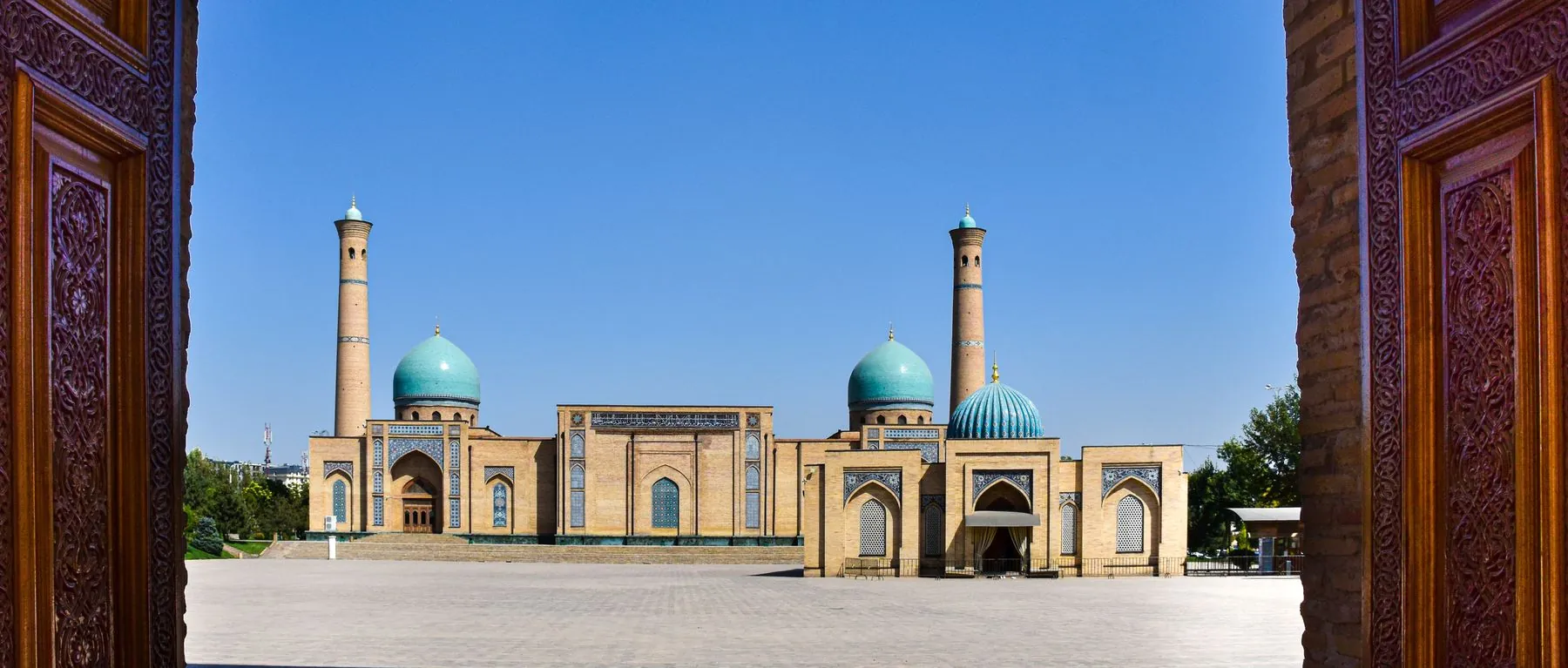
Tashkent
Tashkent has hot, mostly dry summers and cold winters that can bring frost and snow. Spring is more showery, while early autumn usually suits outdoor sightseeing. Plan summer walks early, use museums for a midday break and check the forecast for winter cold spells.
Open city guideBefore you zip the bag
Pack for the season
- Bring breathable clothing, a sun hat and water for summer city outings.
- Winter needs a warm coat and shoes with grip; spring can bring showers.
Dress for the place
- Carry clothing covering shoulders and knees for mosque visits.
- Use comfortable walking shoes for markets and station stairs; keep a small bag secure.
- Currency
- Uzbekistani som (UZS)
- Plug types
- C / F · 230 VCheck your adapter →
- Emergency number
- 112 (emergency services), 103 (ambulance), 101 (fire), 102 (police)
FCDO — emergency services · World Standards — Uzbekistan electrical supply · Uzbekistan Tourism — practical information · New Uzbekistan University — locally produced Tashkent handbook
Stay connected
Mobile data for your trip. Check what your current plan includes for roaming. If you need another option for maps, messages and booking details, compare NXTL eSIM coverage and rates. Check that your phone supports eSIM and is unlocked, and check coverage for every stop. Download important maps and confirmations for offline use too.
Useful reads for Uzbekistan
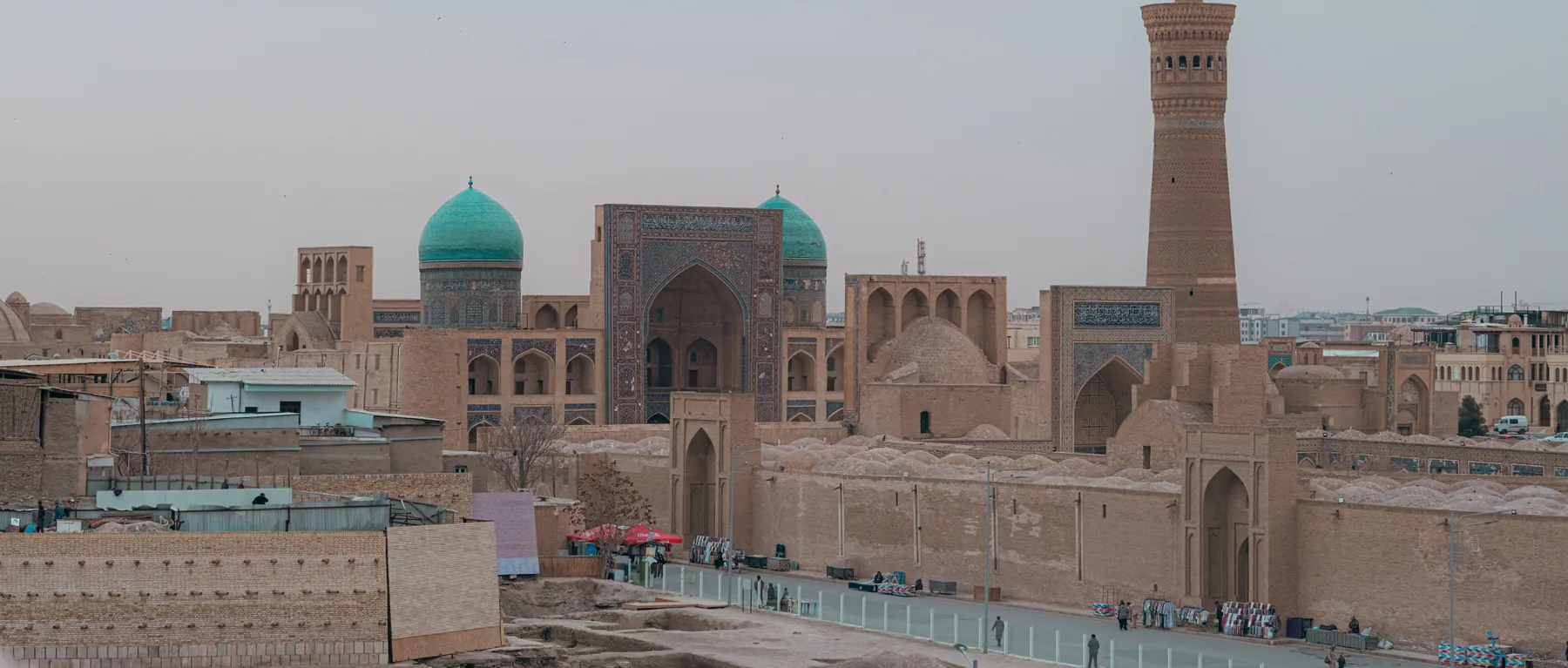
A first weekend in Bukhara: domes, courtyards and the Ark
Give Bukhara two different days: one through the trading streets and Poi Kalyan, another around the Ark and Bolo-Hauz. This plan leaves room for lunch, quieter architectural details and a return to Lyabi-Hauz when you want to stop walking.
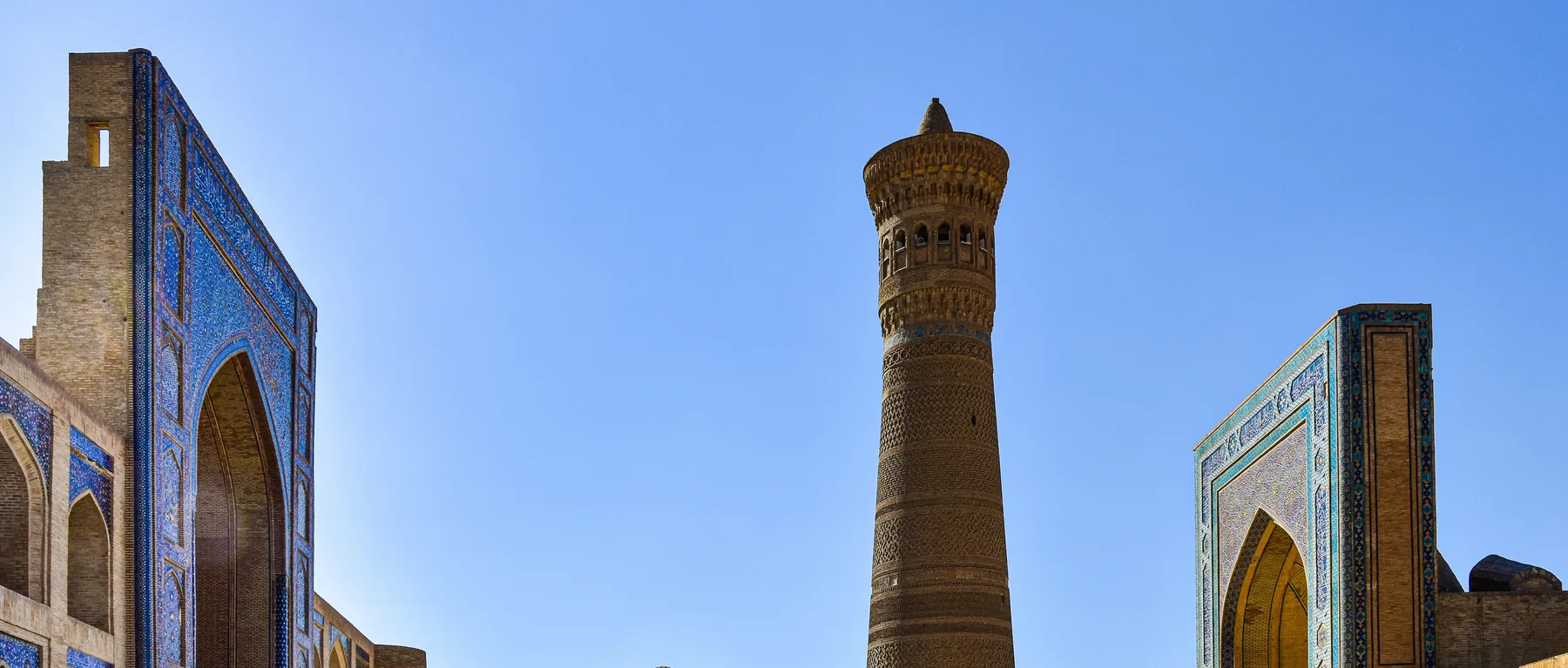
Poi Kalyan: the minaret, mosque and square in Bukhara
Poi Kalyan rewards a close look at three different forms: the brick minaret, the broad mosque courtyard and Miri Arab Madrasa’s blue domes. Keep this outing compact, with time to study the decoration and a clear distinction between public views and permitted interiors.
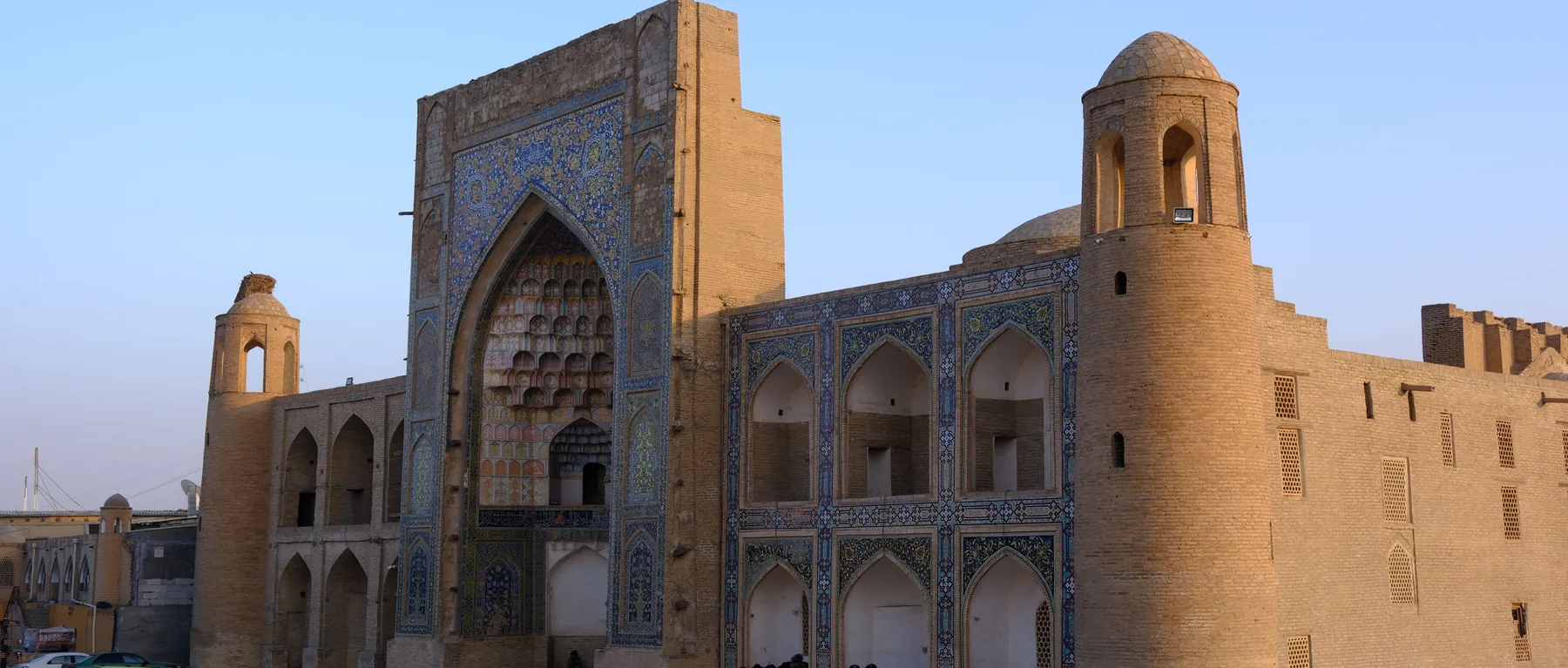
Bukhara’s facing madrasahs: Ulugbek and Abdulaziz Khan
Two facing madrasahs near Toqi Zargaron make a satisfying short architecture outing. Compare Ulugbek’s portal with Abdulaziz Khan’s more elaborate decoration, choose an interior if it interests you, then continue beneath the trading dome rather than rushing across the whole old town.
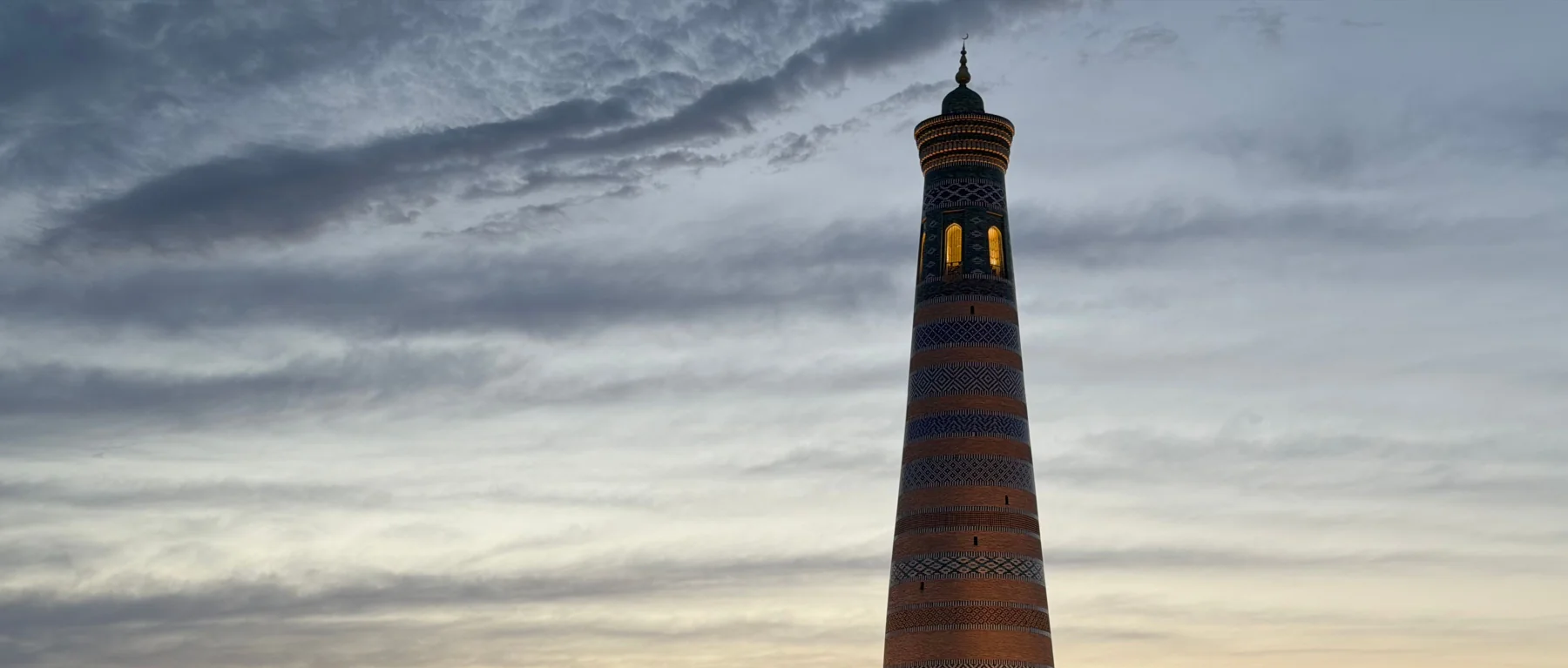
A first weekend in Khiva: tilework, palaces and slower lanes
Spend one day around the west gate, Kunya Ark and Juma Mosque, then give Tash Khauli and the southern lanes their own outing. This two-day plan leaves room for meals, optional interiors and a break from the heat.
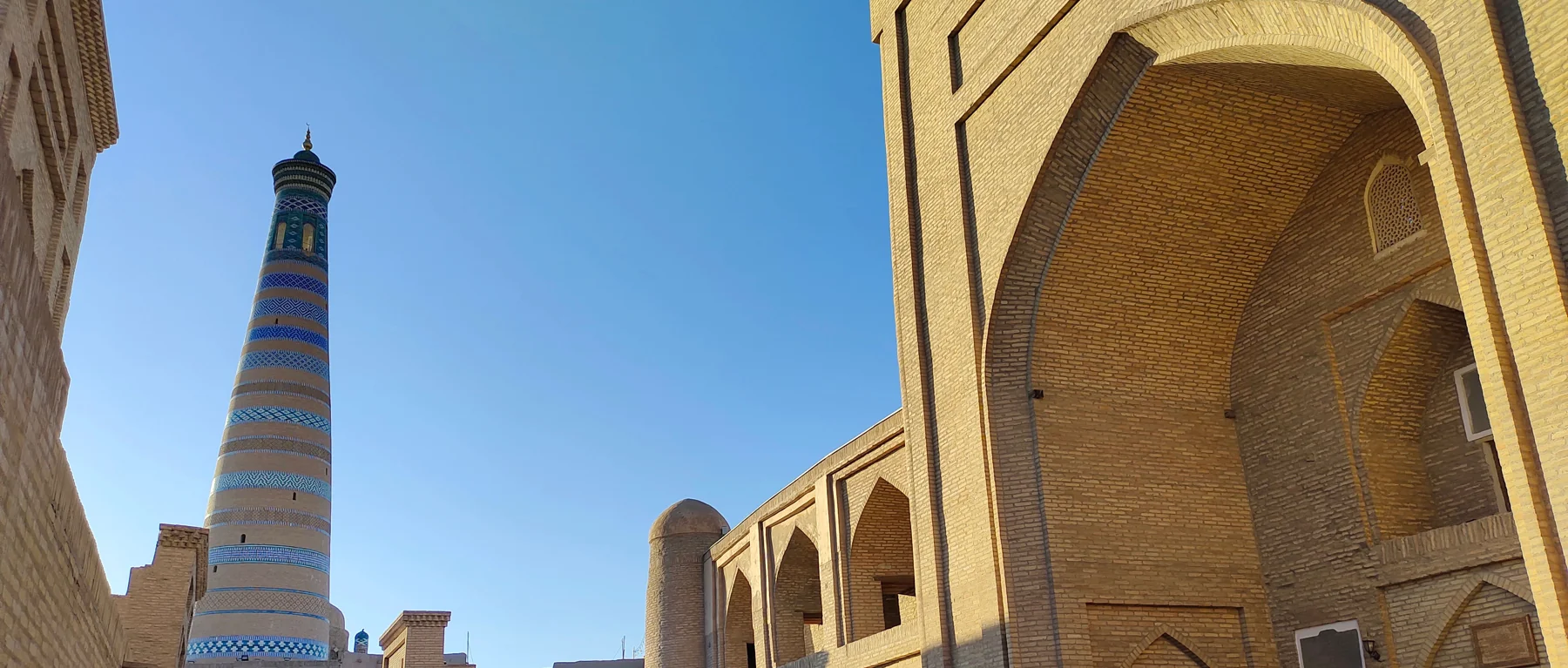
Islam Khoja and Khiva’s southern lanes: a tower with options
Look at Islam Khoja from the square before deciding on its steep climb. Pair the madrasah with a respectful optional mausoleum visit or Juma Mosque, keeping tickets, stairs and weather in mind.
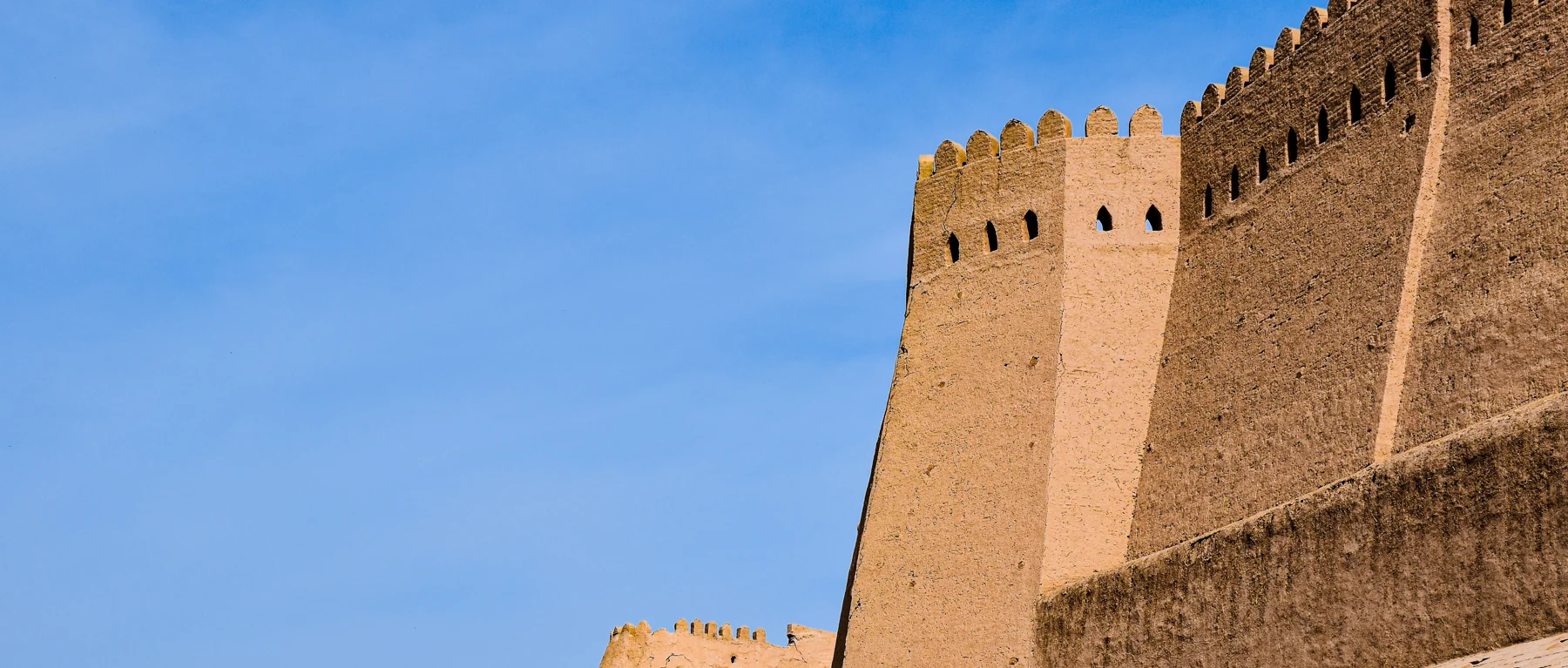
Itchan Kala’s walls and gates: a shorter Khiva walk
See Khiva’s earthen walls from the west-gate approach, choose a northern public-street segment and return towards Kunya Ark. Keep rampart access optional and let heat, wind and paving decide the length.
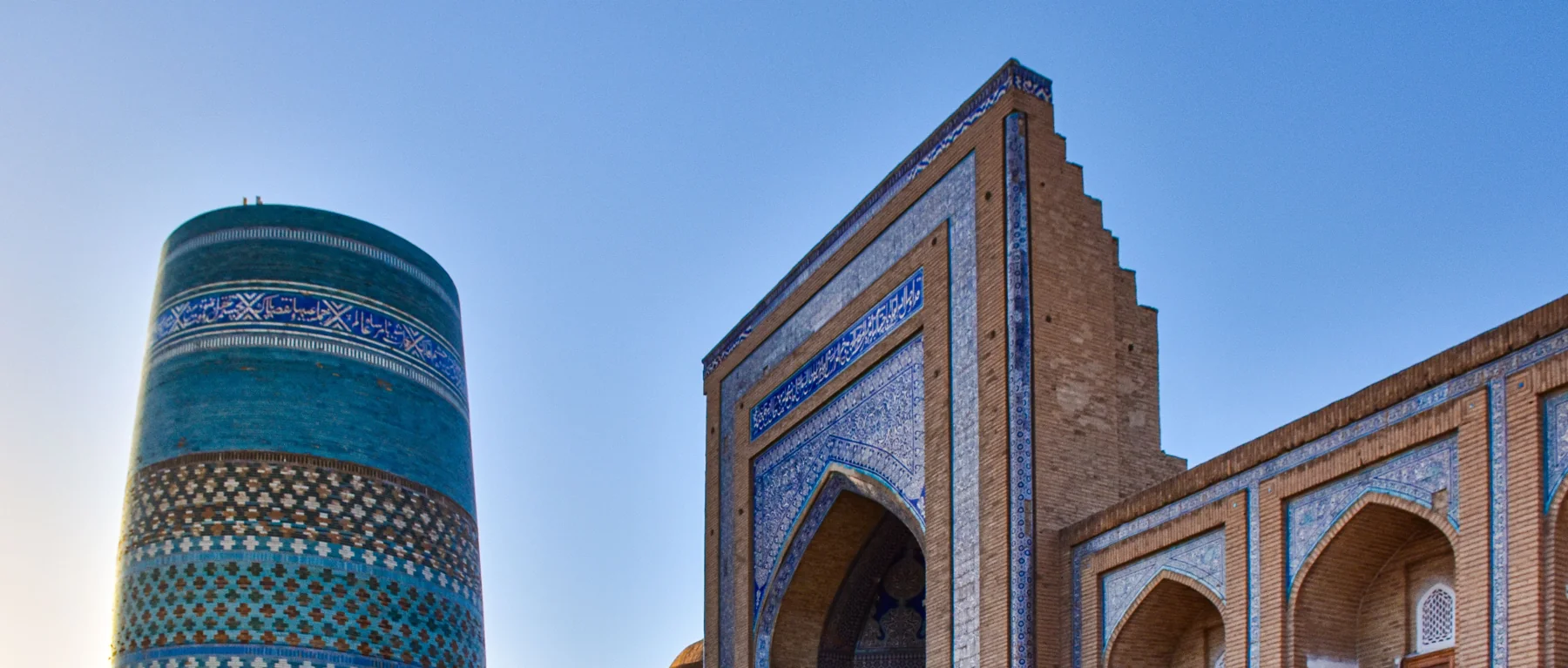
Kalta Minor and Khiva’s west gate: a closer look at the tiles
Start at Ota Darvoza, compare the tile bands of Kalta Minor with Muhammad Amin Khan Madrasah, then make Kunya Ark or Juma Mosque an optional extension. Leave time for a meal with a view.
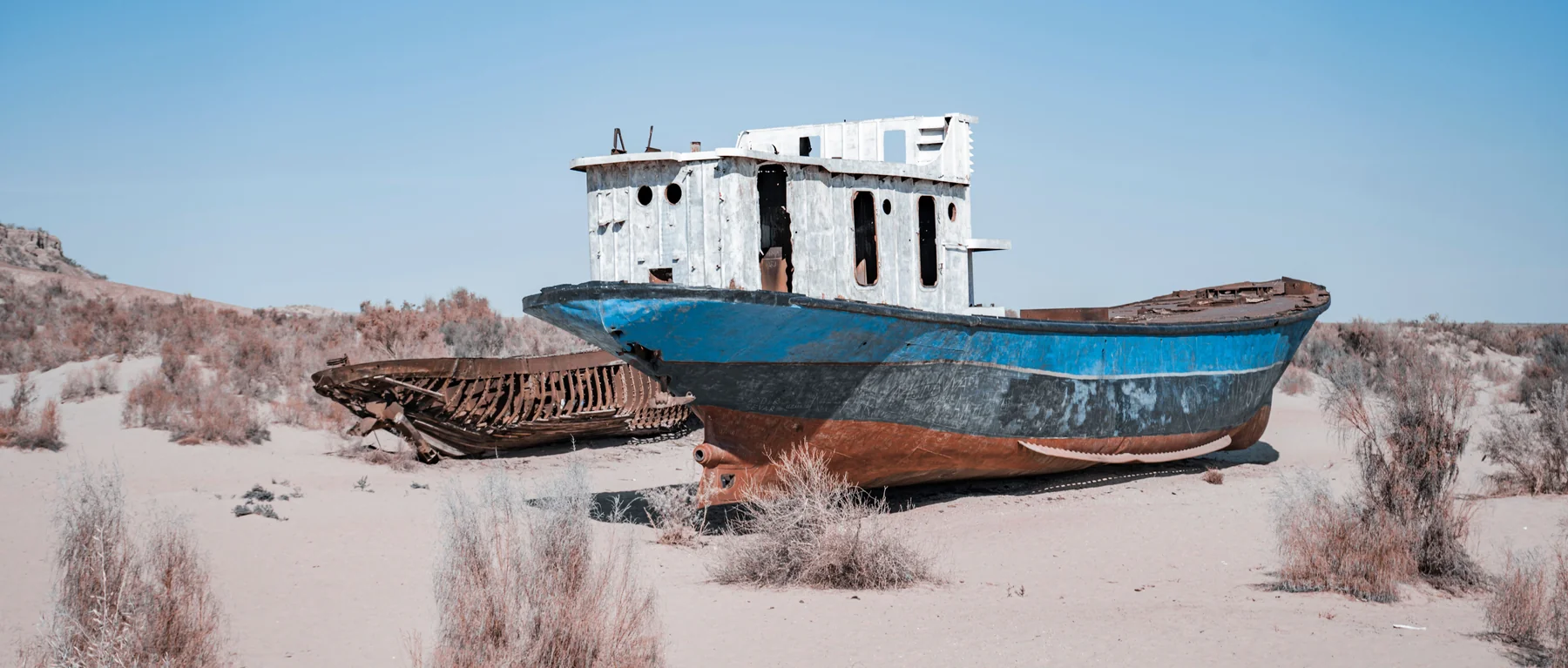
Muynak from Nukus: the ship cemetery, museum and a long road day
Give the stranded ships and museum their own day from Nukus. This plan explains what to see, how to arrange the return journey and lunch, and why the present Aral Sea shoreline is a separate expedition.
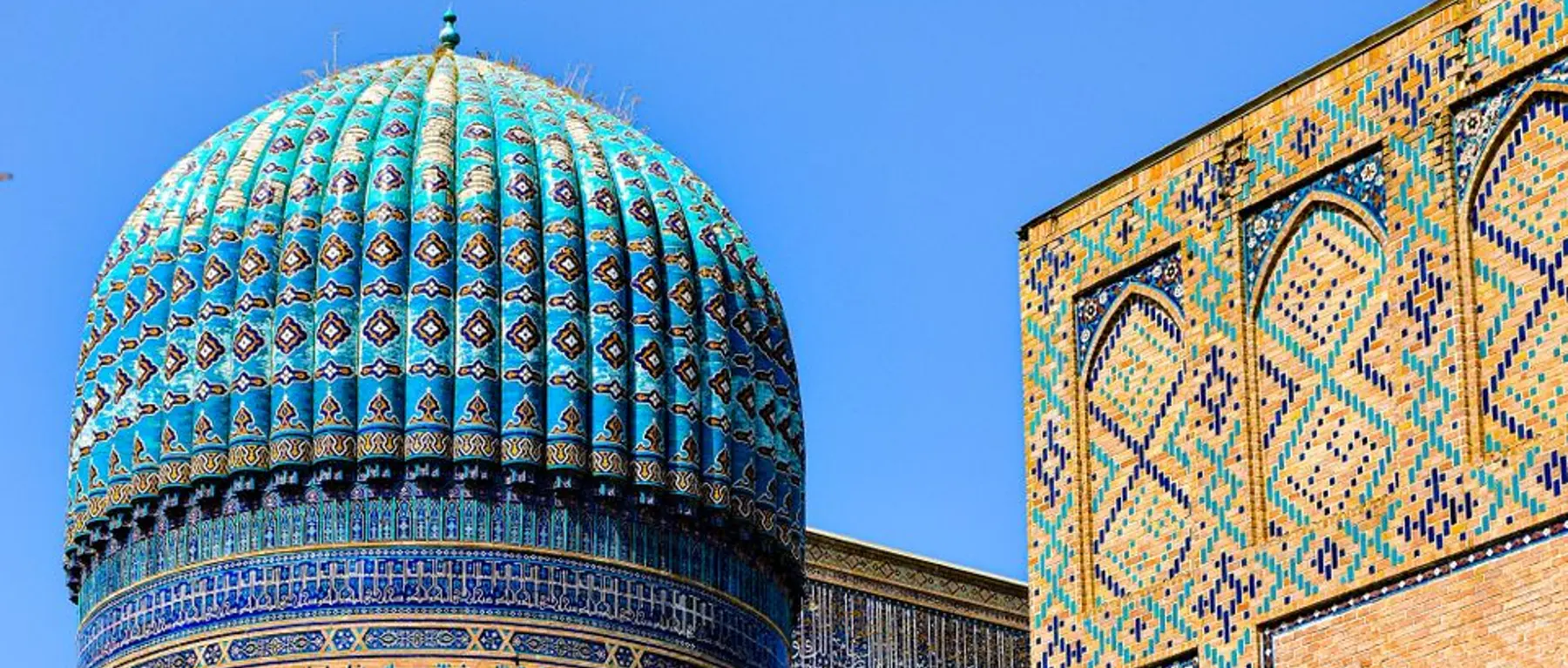
Bibi-Khanym and Siyob Bazaar: domes, non and halva
Pair the great portal and domes of Bibi-Khanym with the bread, sweets and produce of neighbouring Siyob Bazaar. This is a practical half-day idea with two different kinds of looking: monumental architecture first, then an unhurried market food stop.
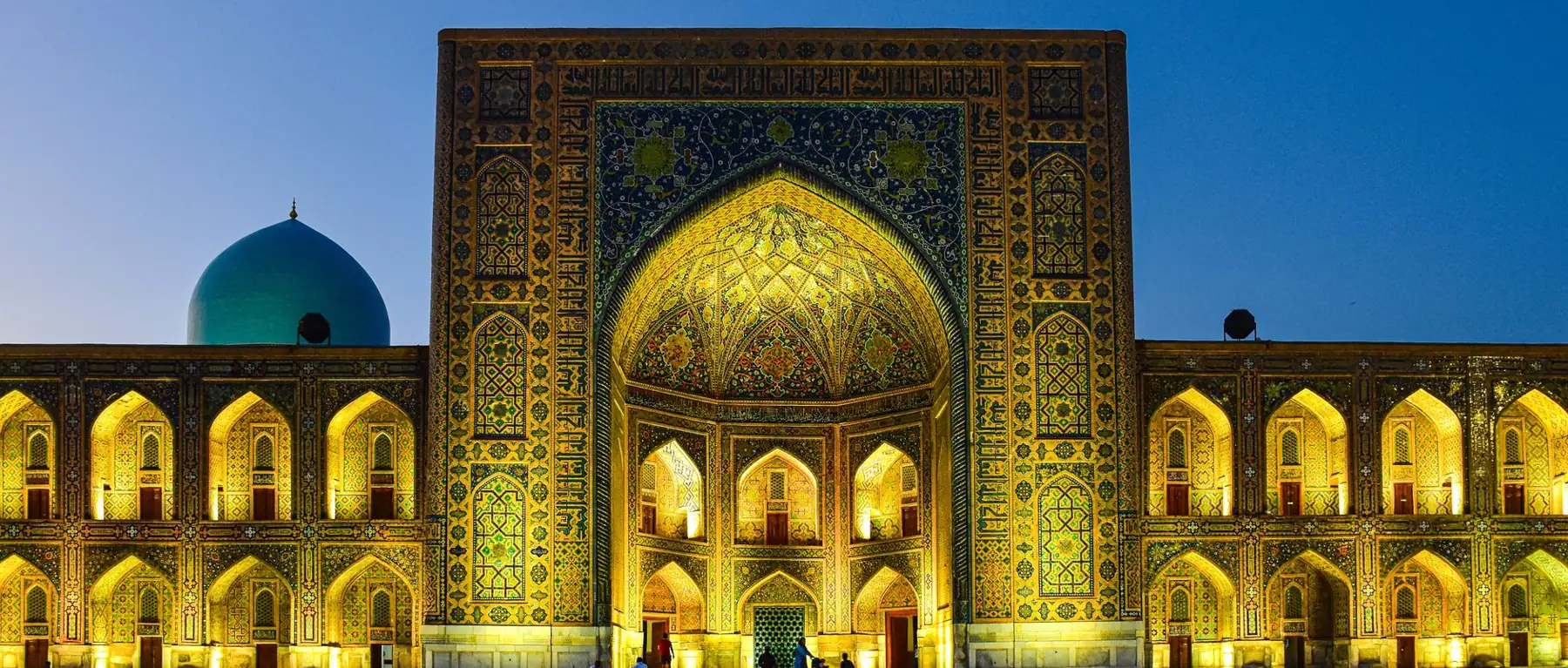
A first weekend in Samarkand: tiled squares and bazaar breaks
Split Samarkand’s great monuments across two days: Gur-e-Amir and Registan first, then Shah-i-Zinda, Bibi-Khanym and Siyob Bazaar. This leaves time to study the tilework, sit down between visits and change the plan when heat or cold makes a long walk less appealing.
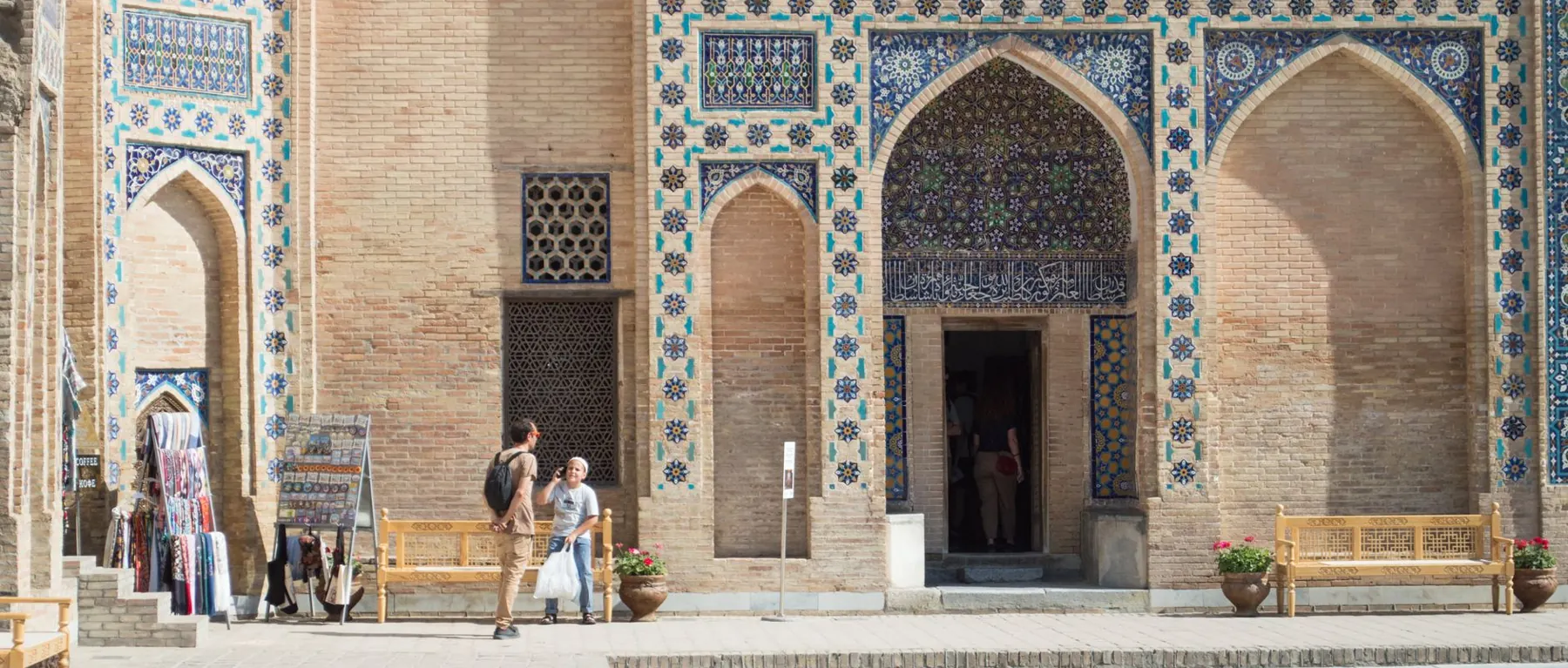
Gur-e-Amir: a courtyard and mausoleum visit in Samarkand
Gur-e-Amir offers a compact introduction to Timurid Samarkand. Give the ribbed turquoise dome, tiled courtyard and decorated burial chamber separate attention, then decide whether to continue to Registan or finish with a slower boulevard walk.
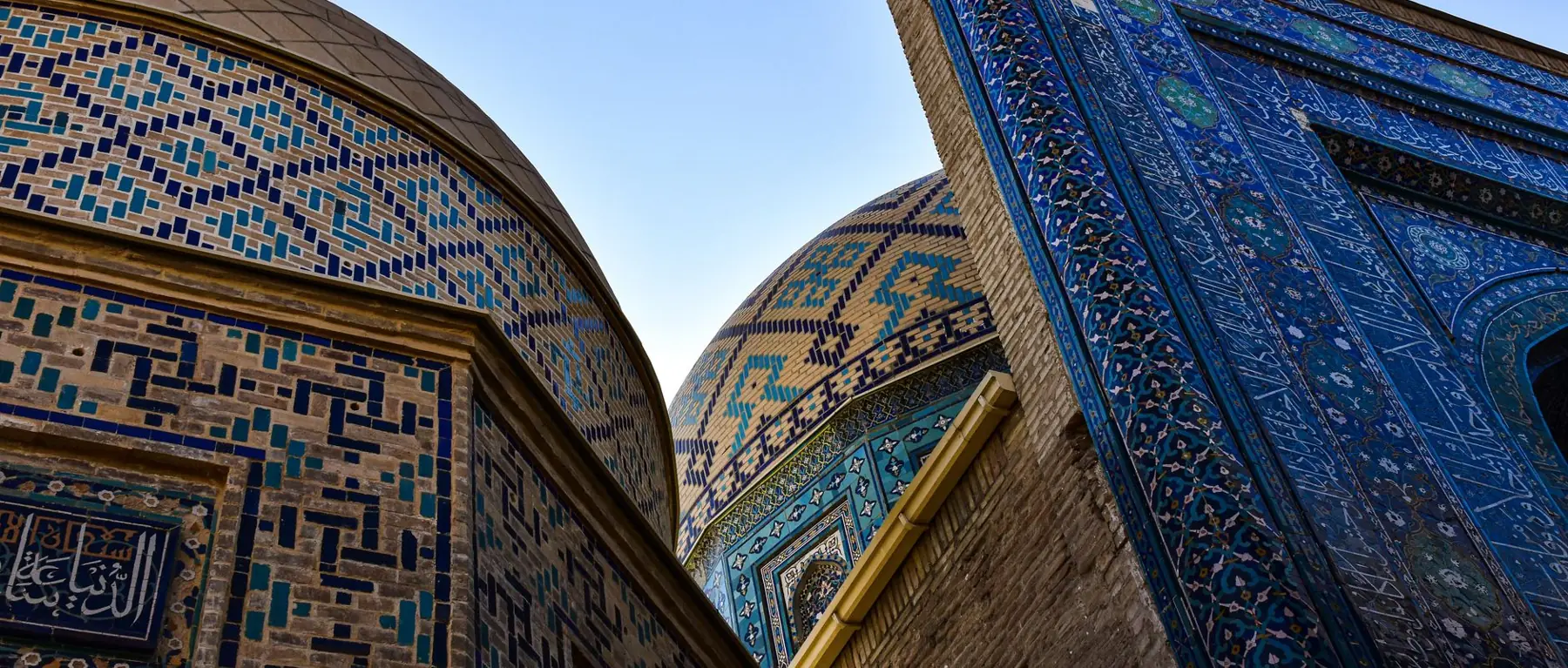
Shah-i-Zinda: tiled portals, steps and a respectful visit
Shah-i-Zinda feels different from Samarkand’s open squares. Its close-set mausoleums invite you to slow down, compare blue tilework at eye level and remember that this is an active place of pilgrimage as well as an architectural landmark.
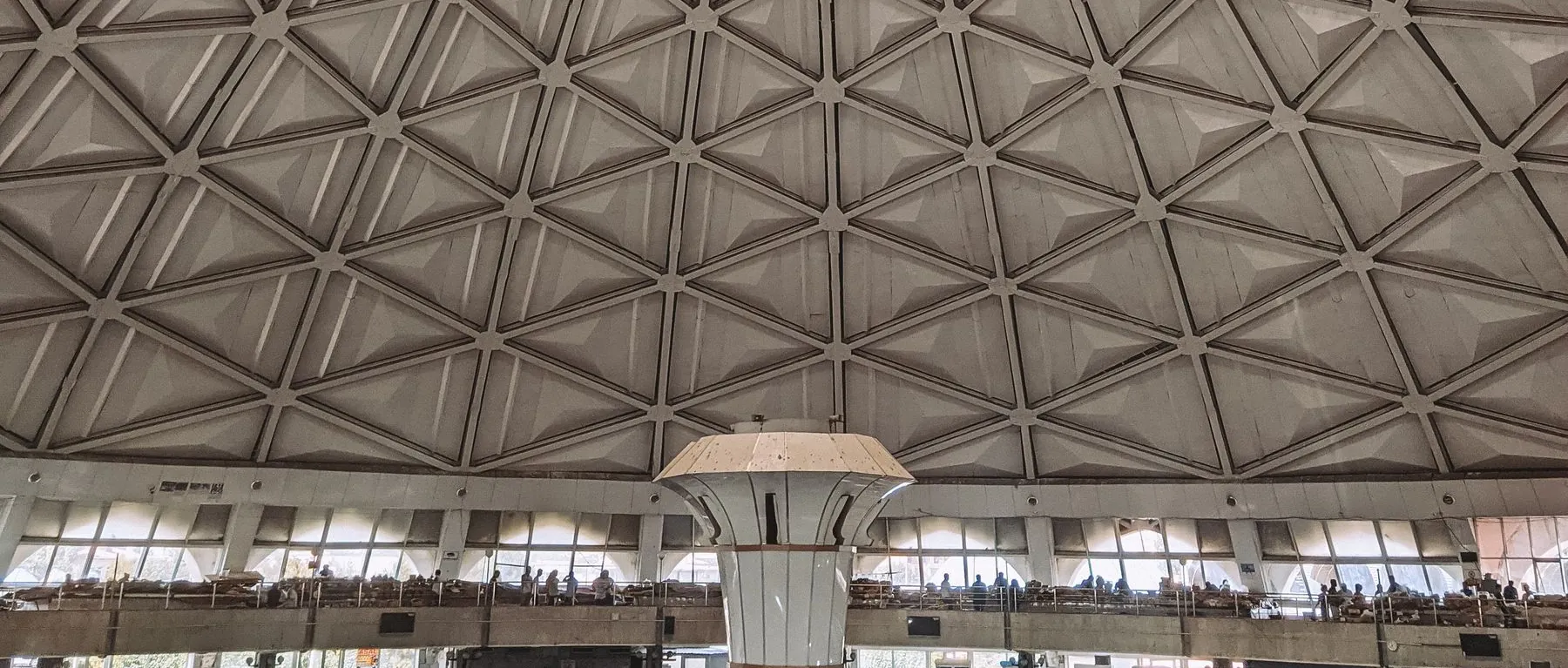
Chorsu Bazaar: the dome, bread rows and a food stop
Chorsu is a working market with a monumental roof, not a single souvenir aisle. Start beneath the dome, then move into the surrounding rows for bread, produce and a simple freshly cooked snack. Keep the outing focused so the crowd and choices stay enjoyable.
A first weekend in Tashkent: markets, mosques and the metro
Spend one day in Tashkent’s old-city markets and religious courtyards, then another around the central squares and museums. This plan keeps the main neighbourhoods together and leaves room for a proper lunch instead of crossing the whole city between every stop.
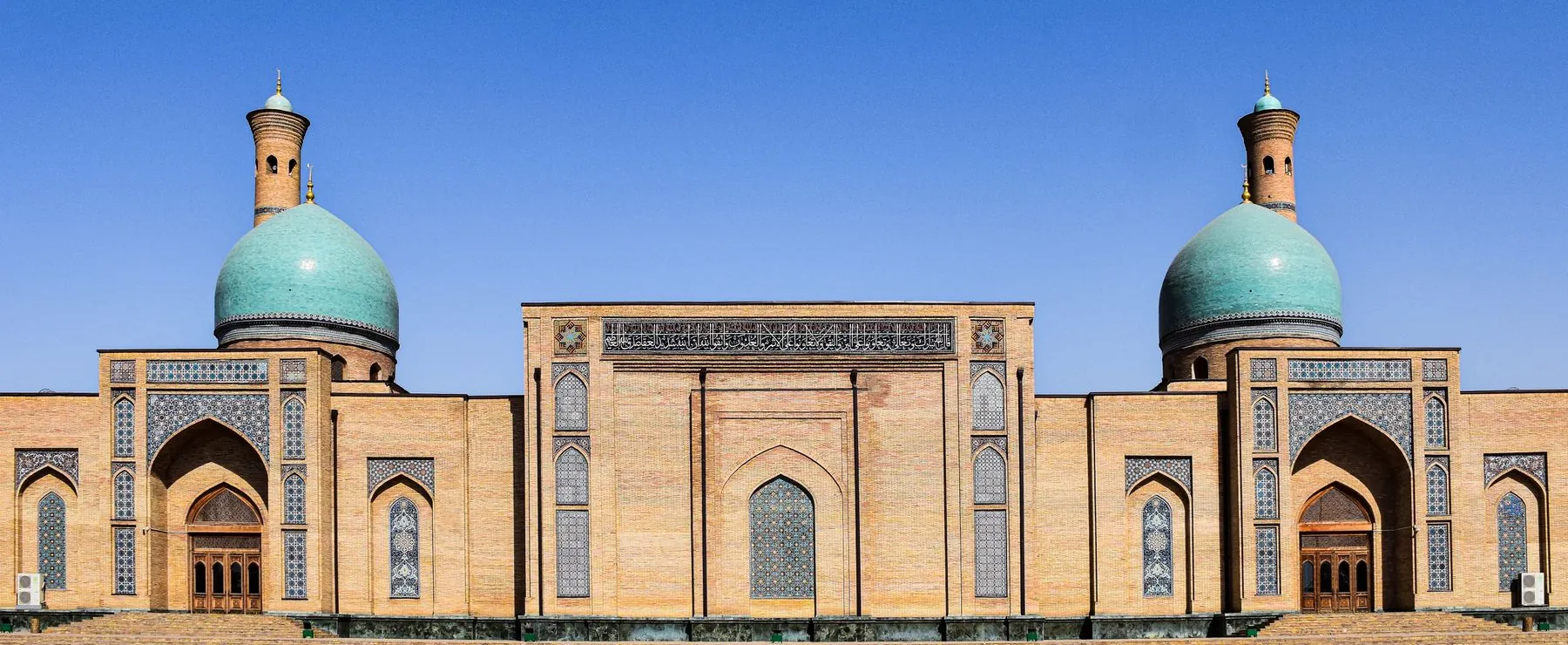
Hazrati Imam: courtyards and the new manuscript museum
Hazrati Imam is best approached slowly: a square, mosque facades and madrasa portals reward close looking. The nearby Islamic Civilization Center adds a separate museum visit, with an important change to where visitors now see the Uthman Quran.
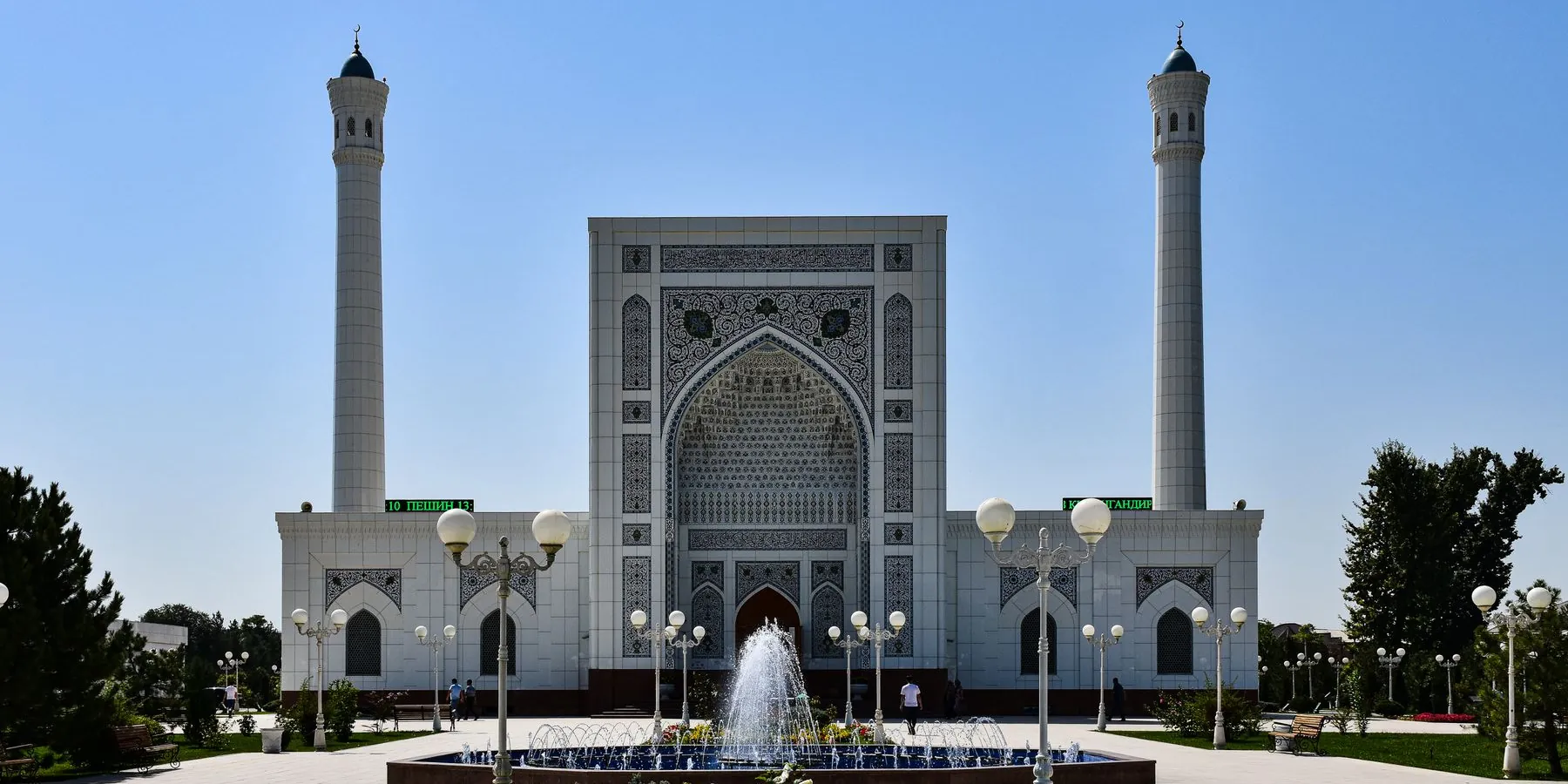
Minor Mosque: white marble and an Ankhor-side outing
Minor Mosque offers a different architectural mood from Tashkent’s older madrasa courts: white marble, a broad approach and a blue dome beside the Ankhor. Make it a focused visit, with a canal-side pause where access allows and a separate plan for lunch.
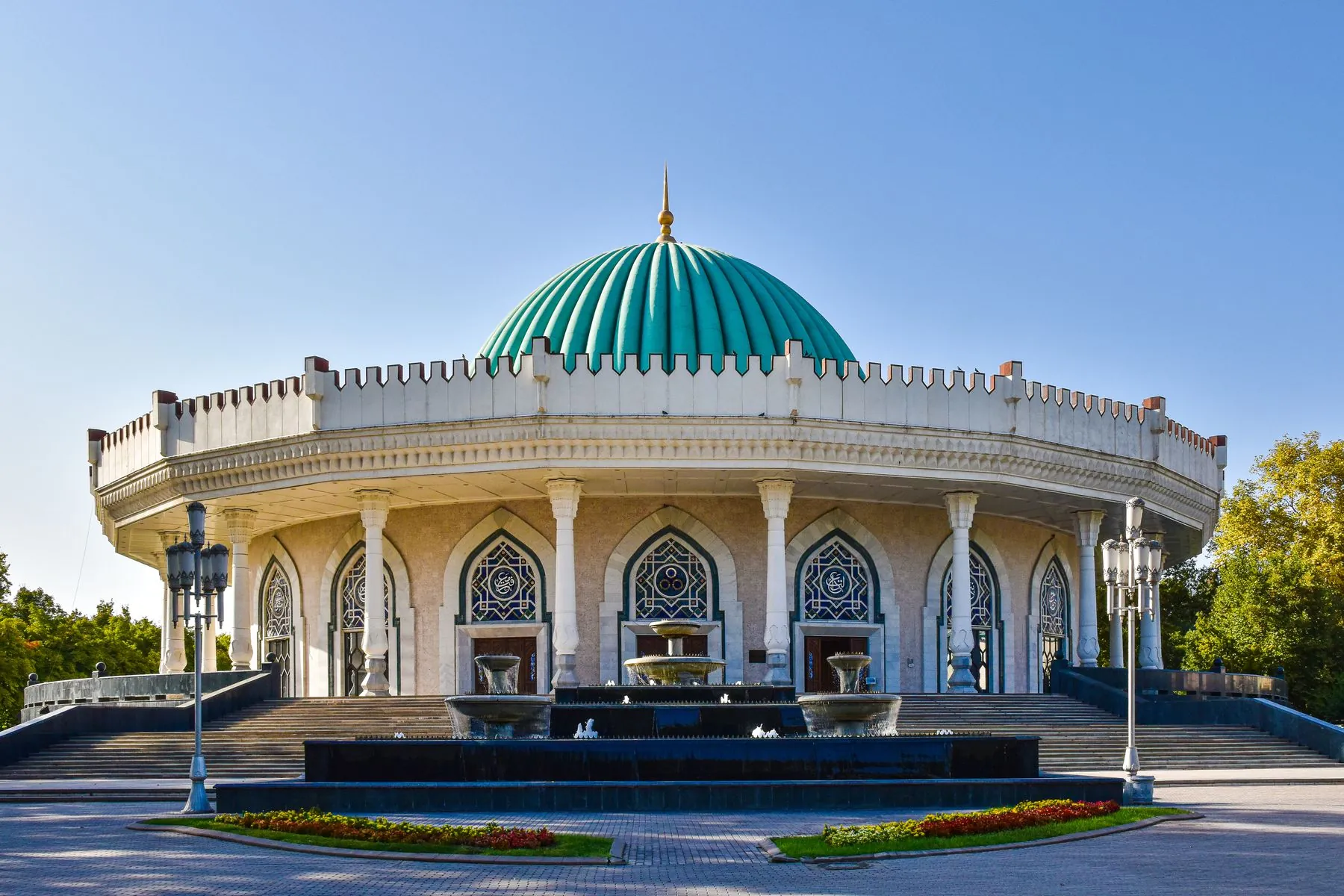
The Timurids Museum and Amir Temur Square
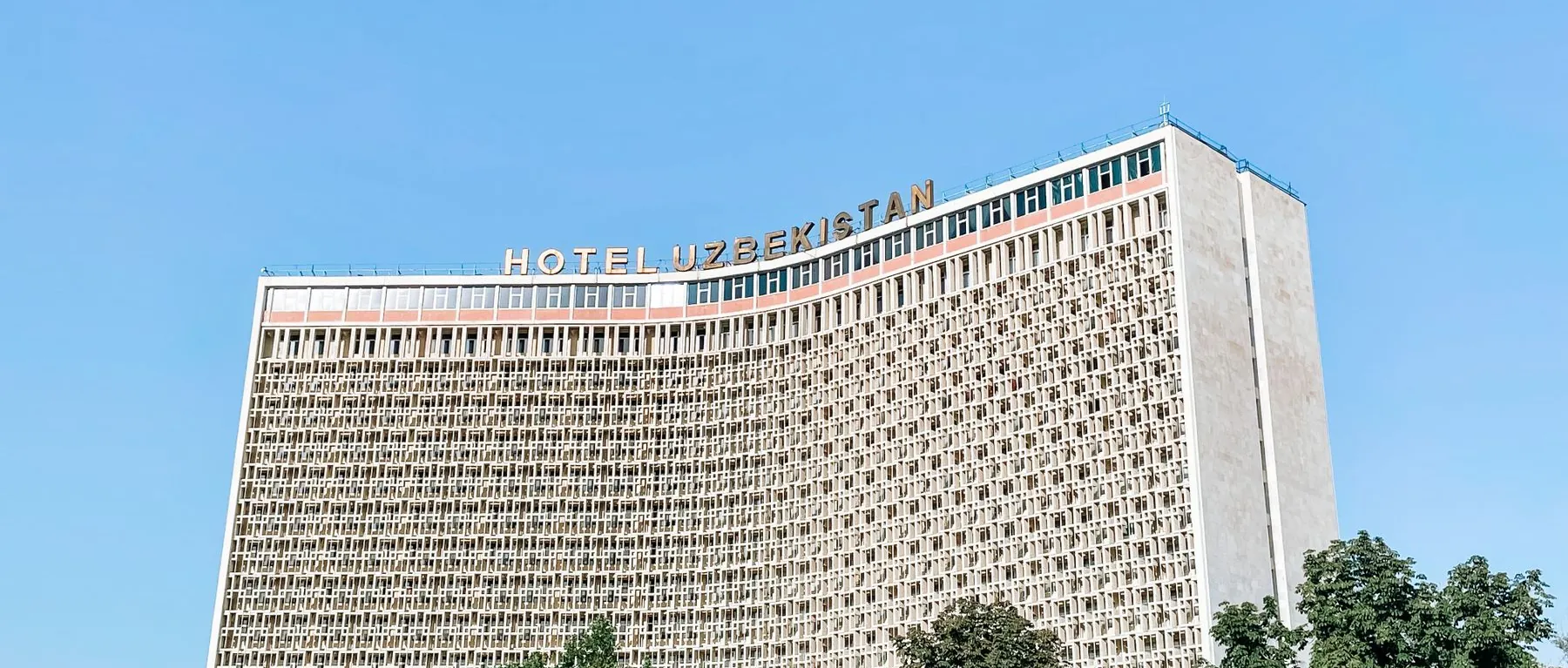
Pair the Timurids Museum with Amir Temur Square for a compact central Tashkent outing. The museum’s models and historical images give context to the ruler commemorated outside, while Hotel Uzbekistan adds a strikingly different architectural layer nearby.