Give Muynak its own day
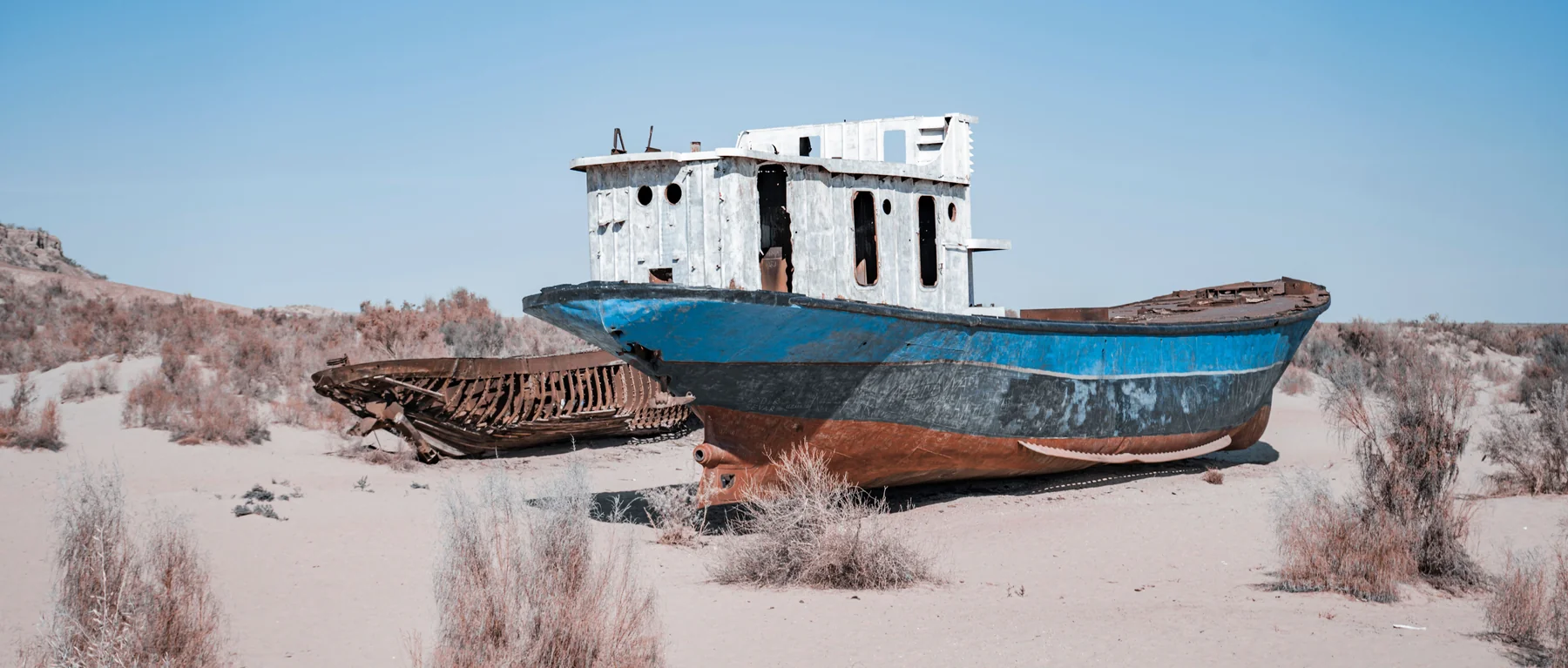
Set aside a separate day from Nukus for Muynak’s ship cemetery. The stranded hulls stand on the former seabed beside a town that once depended on fishing. Start with the overlook to understand the setting, then follow the available paths down to the ships if conditions and your mobility allow. This is an exposed outdoor visit, with little reason to rush from one hull to the next.
Book the return journey before setting off and allow for the road travel, meal and rest stops. Treat the museum and cemetery as the main outing; do not squeeze the Savitsky Museum into the same day or leave a tight connection after your return. If long periods in a vehicle do not appeal, stay in Nukus for the art collection and a shorter local outing instead.
Mobile data for your trip. Check what your current plan includes for roaming. If you need another option for maps, messages and booking details, compare NXTL eSIM coverage and rates. Check that your phone supports eSIM and is unlocked, and check coverage for every stop. Download important maps and confirmations for offline use too.
Look closely without climbing the ships
At ground level, notice the surviving wheelhouses, open ribs and changing shapes of the hulls. Seeing the boats against sand and scrub makes the loss of the former harbour easier to grasp than treating them as a backdrop for a quick photograph. Stay on permitted ground, keep clear of sharp metal and do not climb unstable structures.
Muynak is a living town as well as a place associated with an environmental disaster. Ask before photographing residents and avoid entering homes or working areas without an invitation. A quieter visit with time to listen is more useful than trying to manufacture a dramatic abandoned-city experience.
Pair the ships with museum context
Ask your driver which Aral Sea museum is included in the route and whether it is open that day. The museum stop can add context about the former fishing economy and the changes to the sea. Admission is separate on the linked day trip; do not assume that a transport booking includes it.
Exhibitions, interpretation languages and visitor access can change. Confirm what is available before paying and allow a short outdoor-only alternative if the museum is unavailable. The ship cemetery still works as a visit, but it is worth reading about the Aral Sea beforehand rather than relying on an English-speaking driver to provide a full explanation.
Arrange lunch before leaving Nukus
For food before or after the outing, consider Sofram at Jipek Joli Hotel: the hotel advertises Turkish cuisine, making it an alternative to another plov meal. Confirm the actual restaurant entrance, service and reservation needs with the hotel; Jipek Joli has several properties, so the name alone is not enough.
For lunch on the road, agree the meal stop with the operator in advance. The linked tour can arrange a family meal in Muynak or a restaurant stop en route, at extra cost. Tell the organiser about dietary needs before travel and carry drinking water and a snack. Do not rely on a museum café being open when you arrive.
Mizdakhan is an optional stop with a different mood
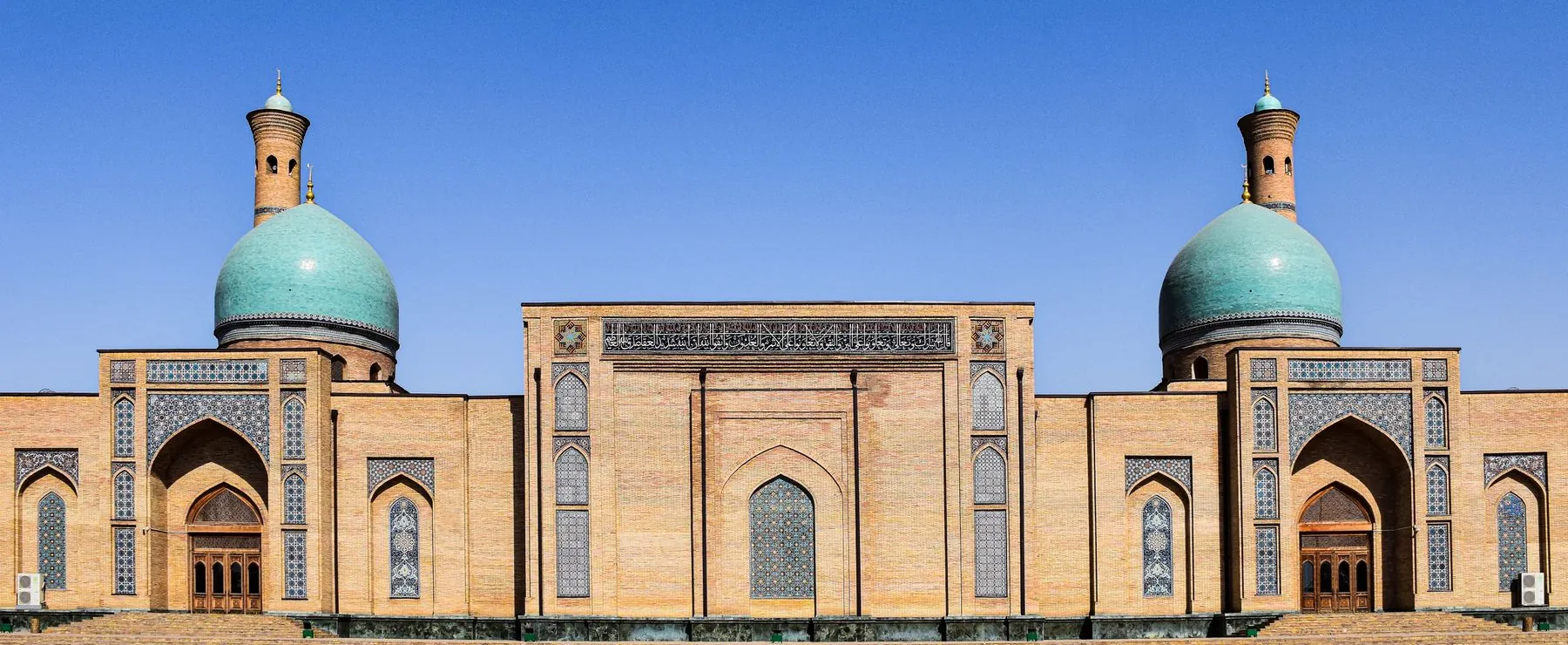
Some return routes include Mizdakhan, near Khodjeyli. If this is part of your booking, ask to focus on the mausoleums and permitted paths rather than wandering among graves. The Mazlumkhan Sulu mausoleum is one of the site’s named architectural anchors; ask locally which interiors can be entered.
Dress with shoulders and knees covered, carry a scarf if required and give mourners and worshippers space. Do not climb ruins, collect bricks or copy rituals because you see them described online. If the day is already long, shorten or omit this stop; it also works as a separate, less demanding outing from Nukus.
Choose a day trip or an overnight expedition
The ship cemetery is not on today’s Aral Sea shore. A cemetery day trip returns to Nukus without reaching the remaining sea. If seeing the present shoreline matters, arrange a separate expedition with an appropriate vehicle, camp booking, meals and enough time for the remote driving.
Do not assume a yurt camp beside Muynak and a camp at the present shoreline are the same place. Ask for the actual route, sleeping arrangements, toilets, water supply, communication limits and weather cancellation terms. Treat swimming, wildlife sightings and a particular shoreline position as uncertain rather than promised extras.
For an arranged return journey, Compare the Muynak ship-cemetery day trip from Nukus. This private outing starts and ends in Nukus and lists Mizdakhan, Muynak’s ship cemetery and the Aral Sea Museum. Air-conditioned return transport and taxes are included; lunch, museum admission and a guide are extra, with a guide available by request. Select the date, language and passenger option and confirm pickup at your hotel, airport or station. Although advertised as six hours, it is a substantial driving day: leave a wider margin before an onward departure. Confirm language support and any mobility assistance directly; a wheelchair-accessible listing does not make sandy ground or ship interiors accessible. This trip does not reach the present Aral Sea shoreline.
Pack for the road, wind and exposed ground
Wear closed shoes with grip and clothes that stay comfortable while seated for long stretches. Bring sun protection, water and a layer for wind; in winter add a warm coat, hat and gloves. Keep essential medication and the operator’s contact details in your day bag. Check the forecast before committing to an exposed outing.
In strong heat, blowing dust or severe cold, ask whether a shorter visit or postponement makes sense. A Nukus alternative is the Savitsky Museum followed by a meal: its official contact page lists Monday as the weekly closure, so check the day before changing plans. Leave packing quantities to your actual trip dates and plans; Packtricia can tailor a fuller list.
Check before you go
Opening arrangements and visitor rules can change. Check the official information before your trip.