
A little more prepared for Greece.
Explore Athens’ ancient sites and neighbourhoods, or Thessaloniki’s waterfront, Roman monuments and food markets. Hot summer walks, cool-season sightseeing and northern hill routes call for different outfits; choose the city and month for your trip. Chania adds harbour walks, cheese bougatsa and museum choices, with its closed market and current paving repairs clearly disclosed. In Rhodes Town, compare the Knights’ monuments with the Jewish Quarter and harbour. Heraklion connects Knossos with city museums, bougatsa and the Venetian waterfront.
Explore GreeceExplore Greece by city
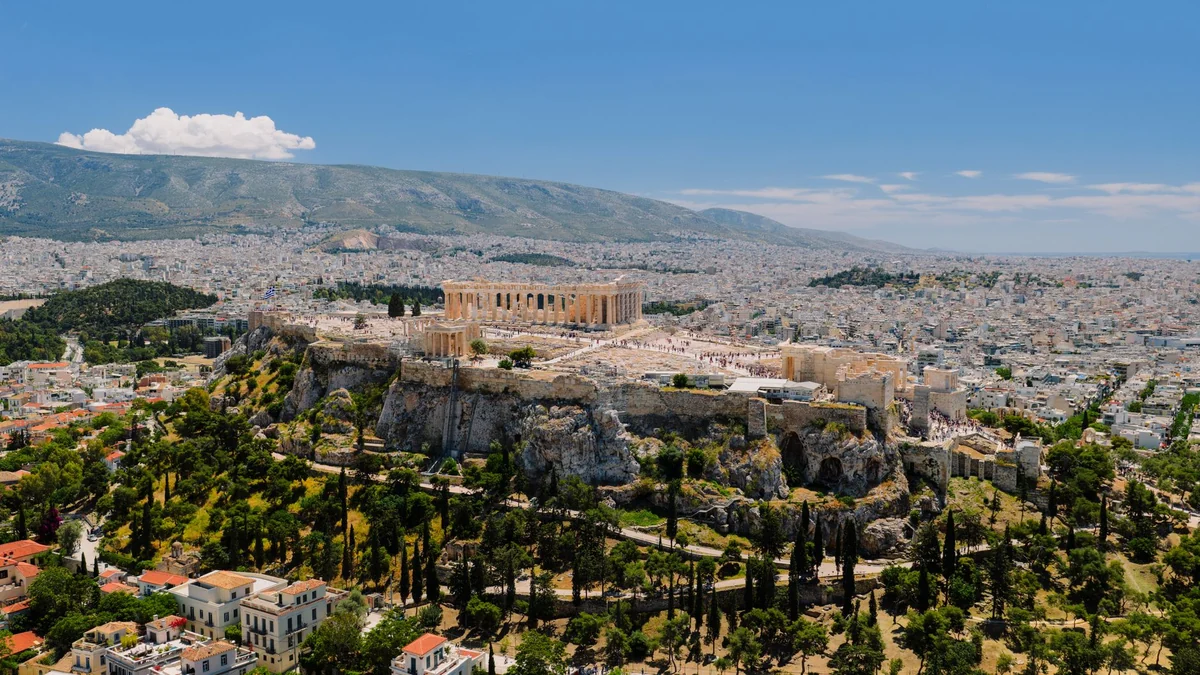
Athens
Hot, usually dry summers and milder, wetter winters suit breathable clothes, sun protection and a separate cool-season layer. Exposed marble paths amplify the heat. Monthly values are calculated from NASA POWER MERRA-2 gridded daily data for 1991–2020 at the city coordinates. They represent a regional model cell, not a city weather station. Street shade, coastal exposure, elevation and urban warmth can differ. Climate averages do not predict an individual trip.
Open city guide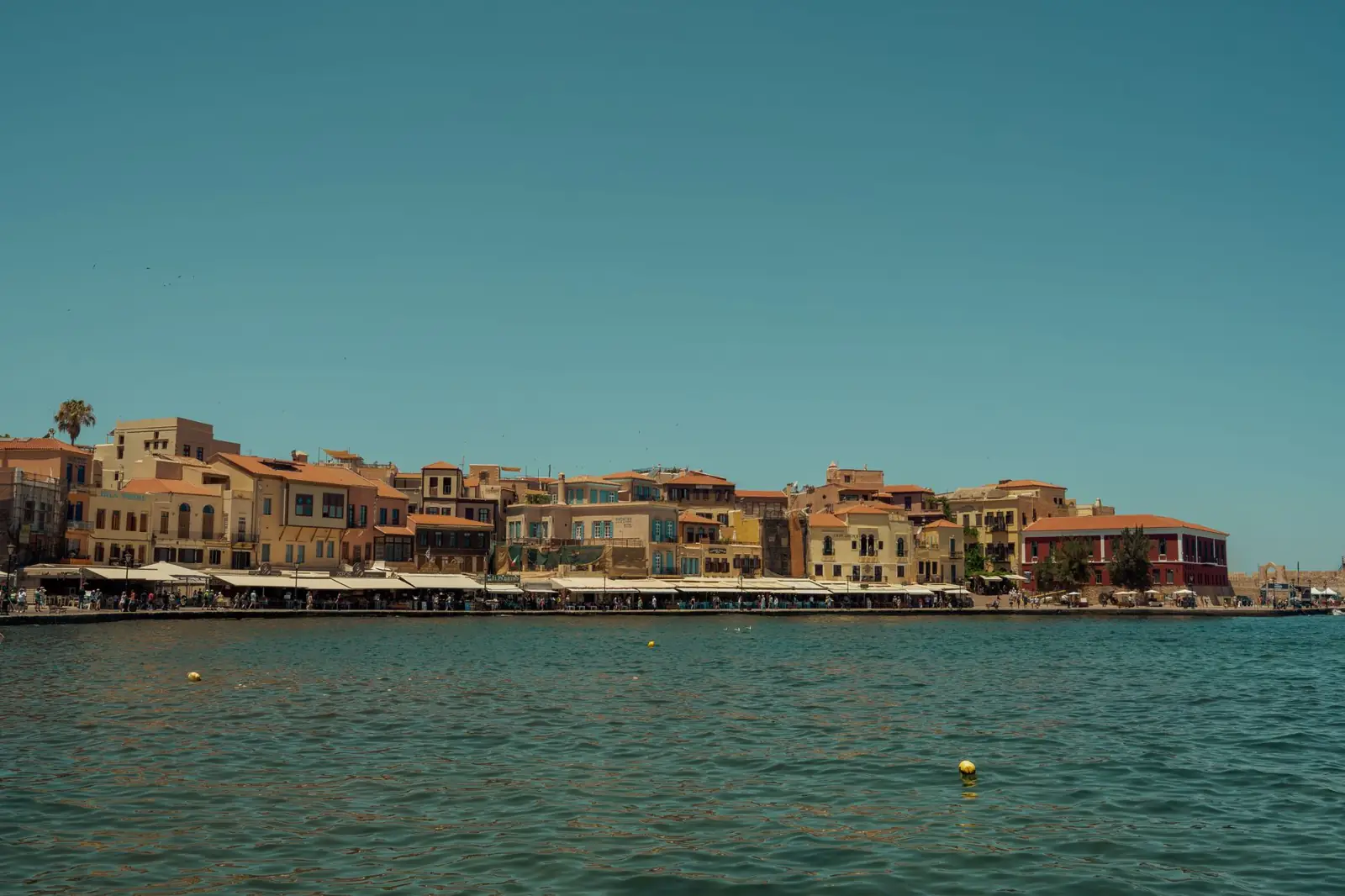
Chania
Hot coastal summers and milder, wetter winters call for sun protection, removable layers and a hooded rain shell. Monthly values are calculated from NASA POWER MERRA-2 gridded daily data for 1991–2020 at the city coordinates. They represent a regional model cell, not a city weather station. Street shade, coastal exposure, elevation and urban warmth can differ. Climate averages do not predict an individual trip.
Open city guide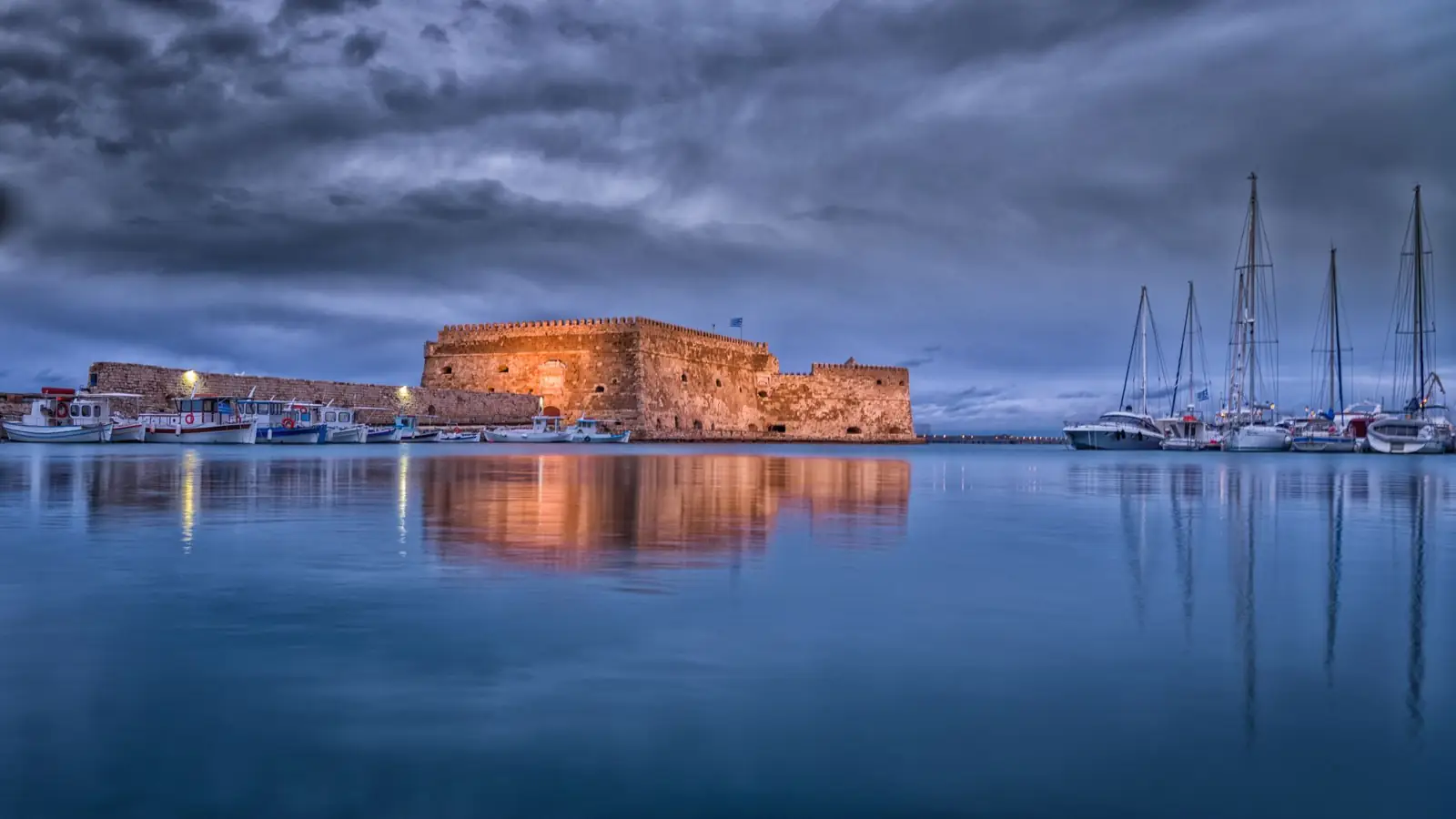
Heraklion
Hot, usually drier summers and mild to cool, wetter winters call for breathable clothes or removable warmer layers. Harbour wind and exposed archaeological paths can change how the temperature feels. Monthly values are calculated from NASA POWER MERRA-2 gridded daily data for 1991–2020 at the city coordinates. They represent a regional model cell, not a city weather station. Street shade, coastal exposure, elevation and urban warmth can differ. Climate averages do not predict an individual trip.
Open city guide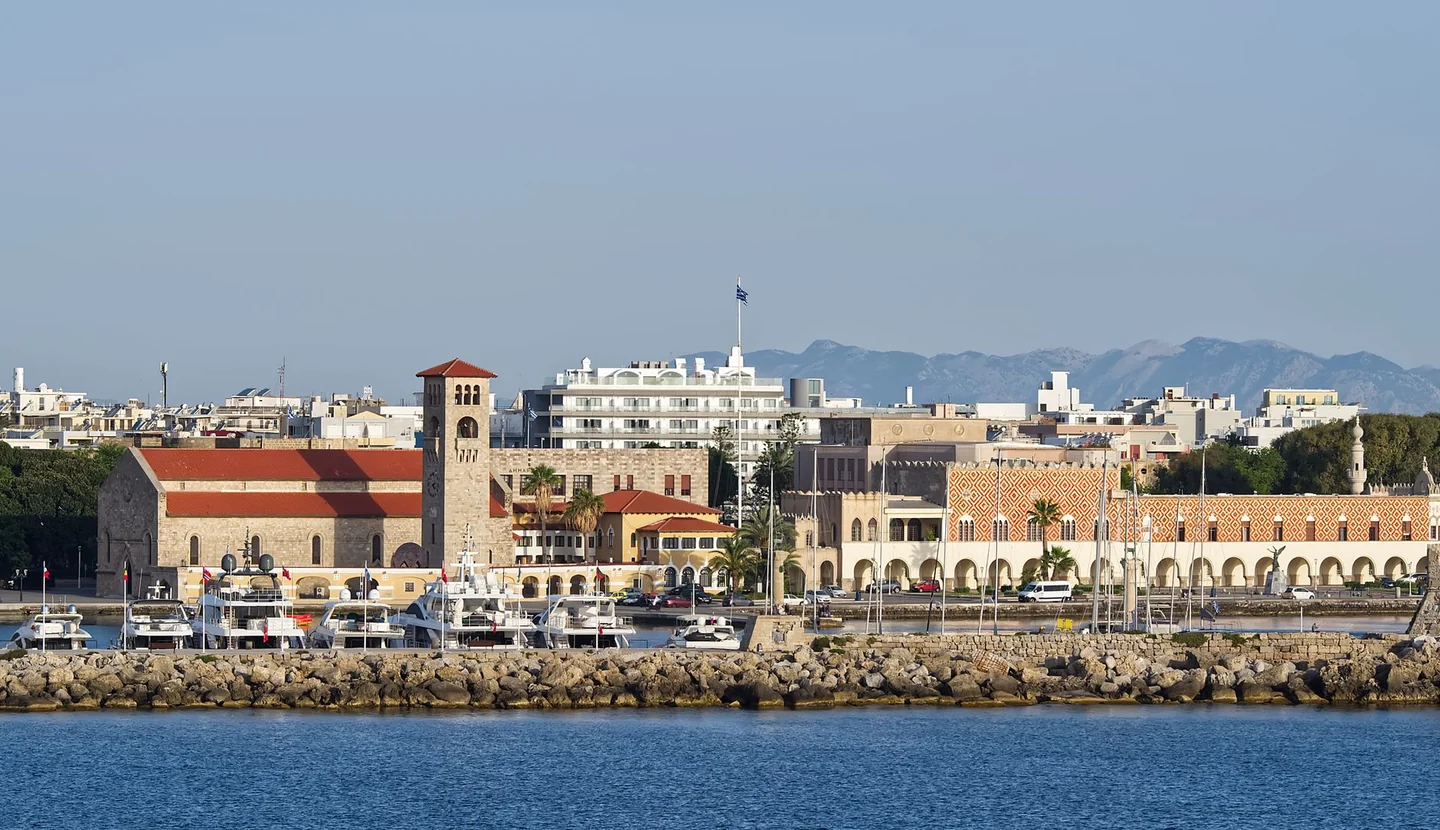
Rhodes
Hot, usually drier summers and mild to cool, wetter winters call for breathable clothes or removable warmer layers. Harbour wind and exposed archaeological paths can change how the temperature feels. Monthly values are calculated from NASA POWER MERRA-2 gridded daily data for 1991–2020 at the city coordinates. They represent a regional model cell, not a city weather station. Street shade, coastal exposure, elevation and urban warmth can differ. Climate averages do not predict an individual trip.
Open city guide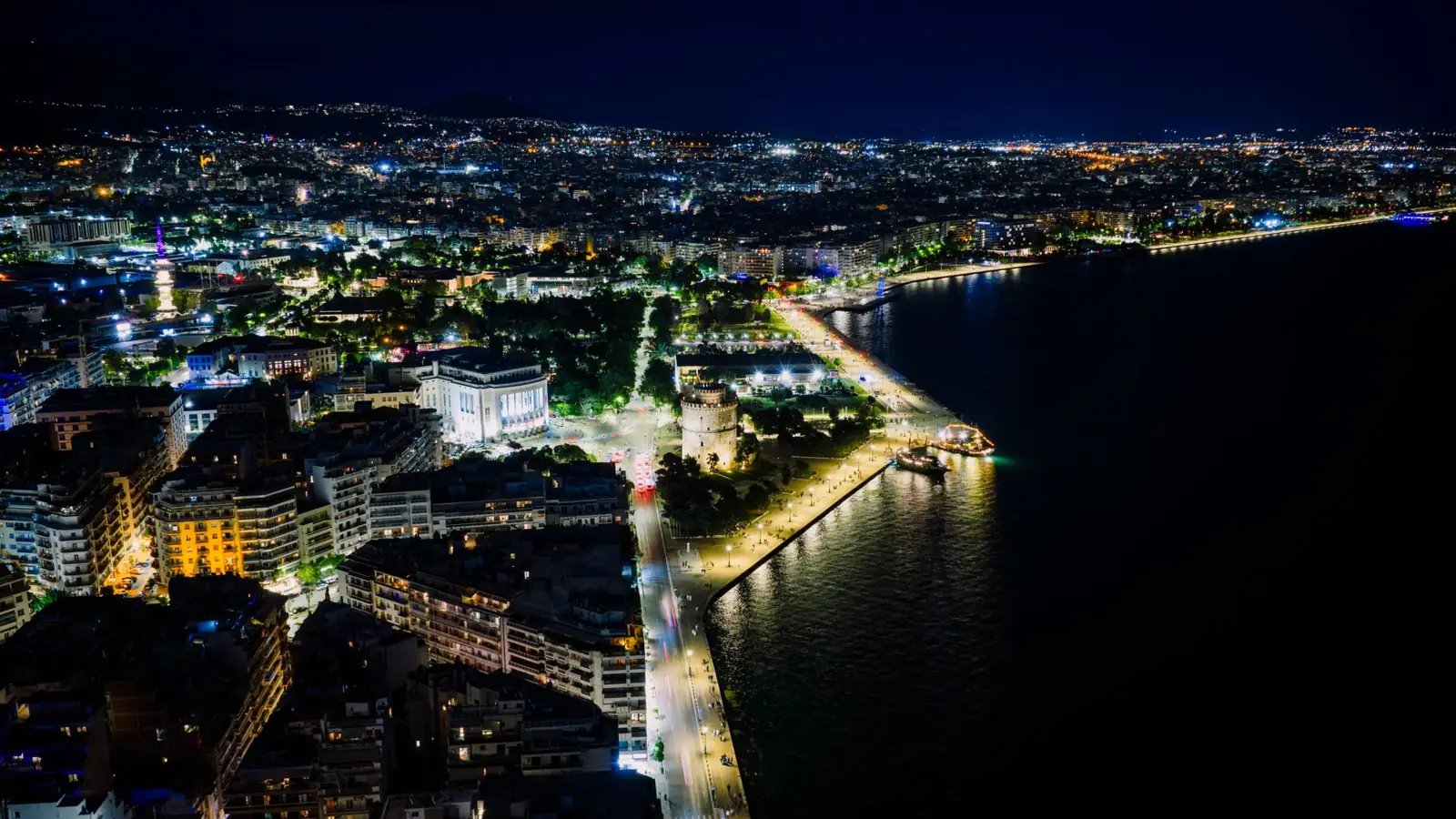
Thessaloniki
Hot summer afternoons and cool winters call for seasonal layers; waterfront wind and Ano Poli hills affect how an outfit feels. Monthly values are calculated from NASA POWER MERRA-2 gridded daily data for 1991–2020 at the city coordinates. They represent a regional model cell, not a city weather station. Street shade, coastal exposure, elevation and urban warmth can differ. Climate averages do not predict an individual trip.
Open city guideBefore you zip the bag
Clothes for the planned route
- Use grippy shoes on Athens’s marble paths and carry water and sun protection.
- Use removable layers for the cooler season and indoor visits.
Bookings and arrivals
- Check each attraction’s current availability and separate admission requirements.
- Save your arrival route, reservations and a suitable Type C / F adapter if needed.
- Currency
- Euro (EUR)
- Plug types
- C / F · 230 VCheck your adapter →
- Emergency number
- 112
Greece practical visitor information · European emergency number · Electrical plugs and voltage · Visit Greece: practical questions
Stay connected
Mobile data for your trip. Check what your current plan includes for roaming. If you need another option for maps, messages and booking details, compare NXTL eSIM coverage and rates. Check that your phone supports eSIM and is unlocked, and check coverage for every stop. Download important maps and confirmations for offline use too.
Useful reads for Greece
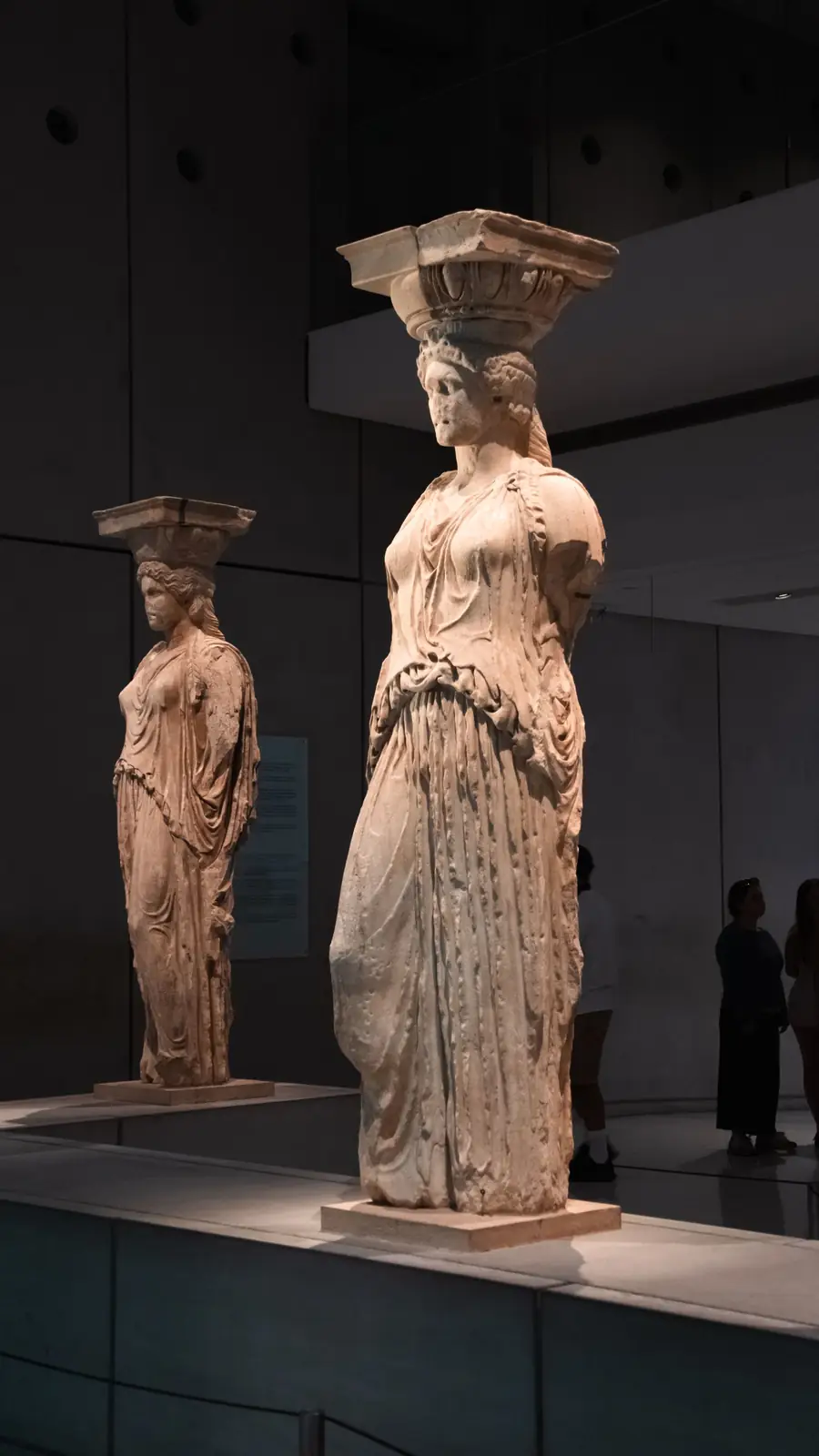
Acropolis Museum: Caryatids, Parthenon Gallery and the streets below
Give the Acropolis Museum a route of its own: the slopes collection, original Caryatids, Parthenon Gallery and the excavated neighbourhood below. Keep restaurant plans separate from the gallery ticket.
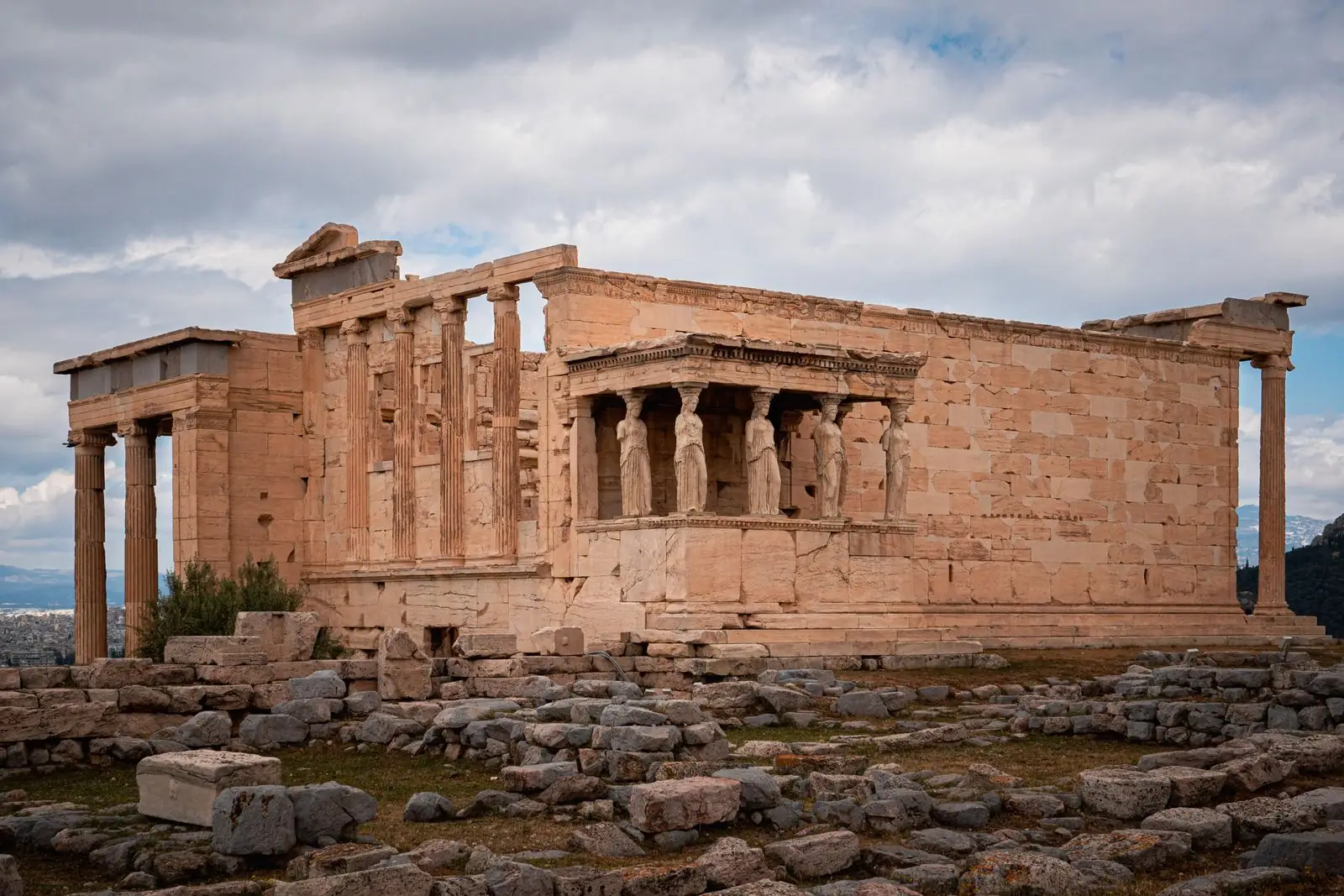
Athens Acropolis: temples, slopes and the right ticket
Use the Acropolis as a focused temple visit, with the Erechtheion and Propylaea getting attention alongside the Parthenon. Decide on museum admission separately and plan around heat, uneven marble and the entry slot.
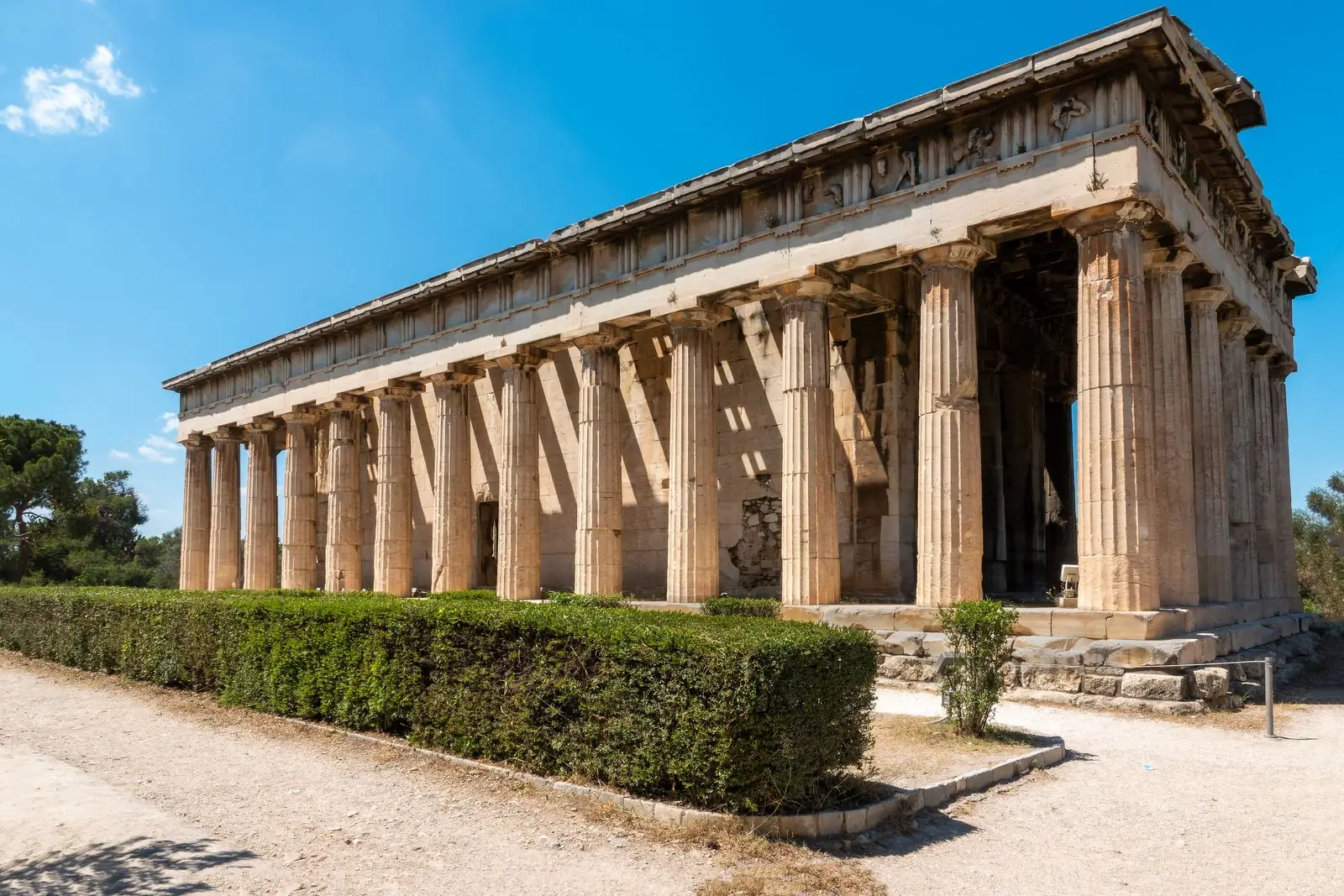
Ancient Agora: a temple, civic stories and Monastiraki lunch
Give Athens’s Ancient Agora a measured visit: the Temple of Hephaestus, the Stoa museum and a meal among Monastiraki’s antique shops. It is a different site and ticket from the Roman Agora or Acropolis.
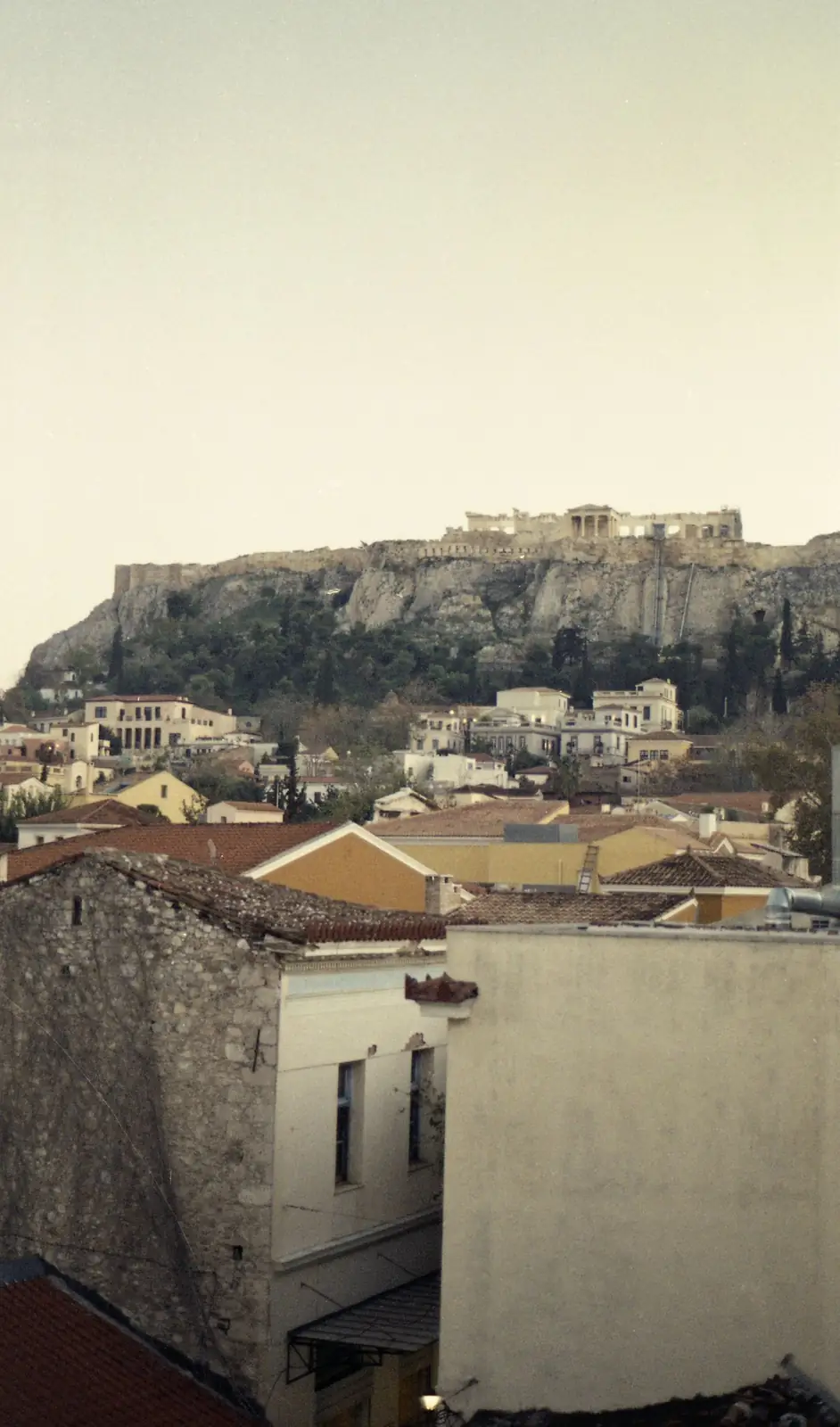
A first weekend in Athens: temples, sculpture and neighbourhood time
Pair the Acropolis and its museum on Saturday, then give the Ancient Agora and Monastiraki their own Sunday. Keep the hottest hours for an indoor break and leave breathing room for a Greek meal.
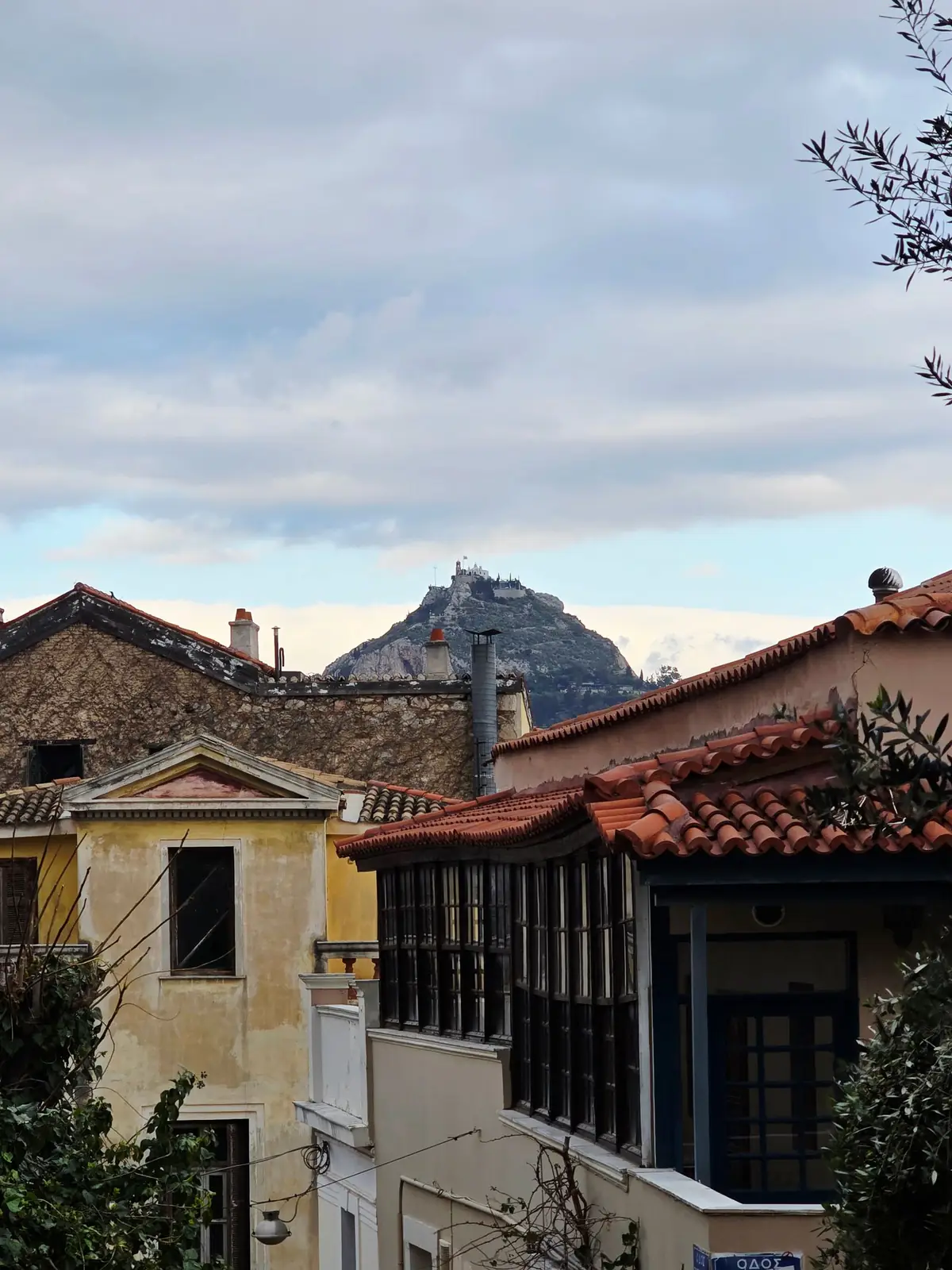
Lycabettus: a city view, hill-side café and optional funicular
Choose Lycabettus for a different view across Athens, with a café pause on the slope and the funicular as an alternative to the main climb. Make the summit optional in heat, wind or tired legs.
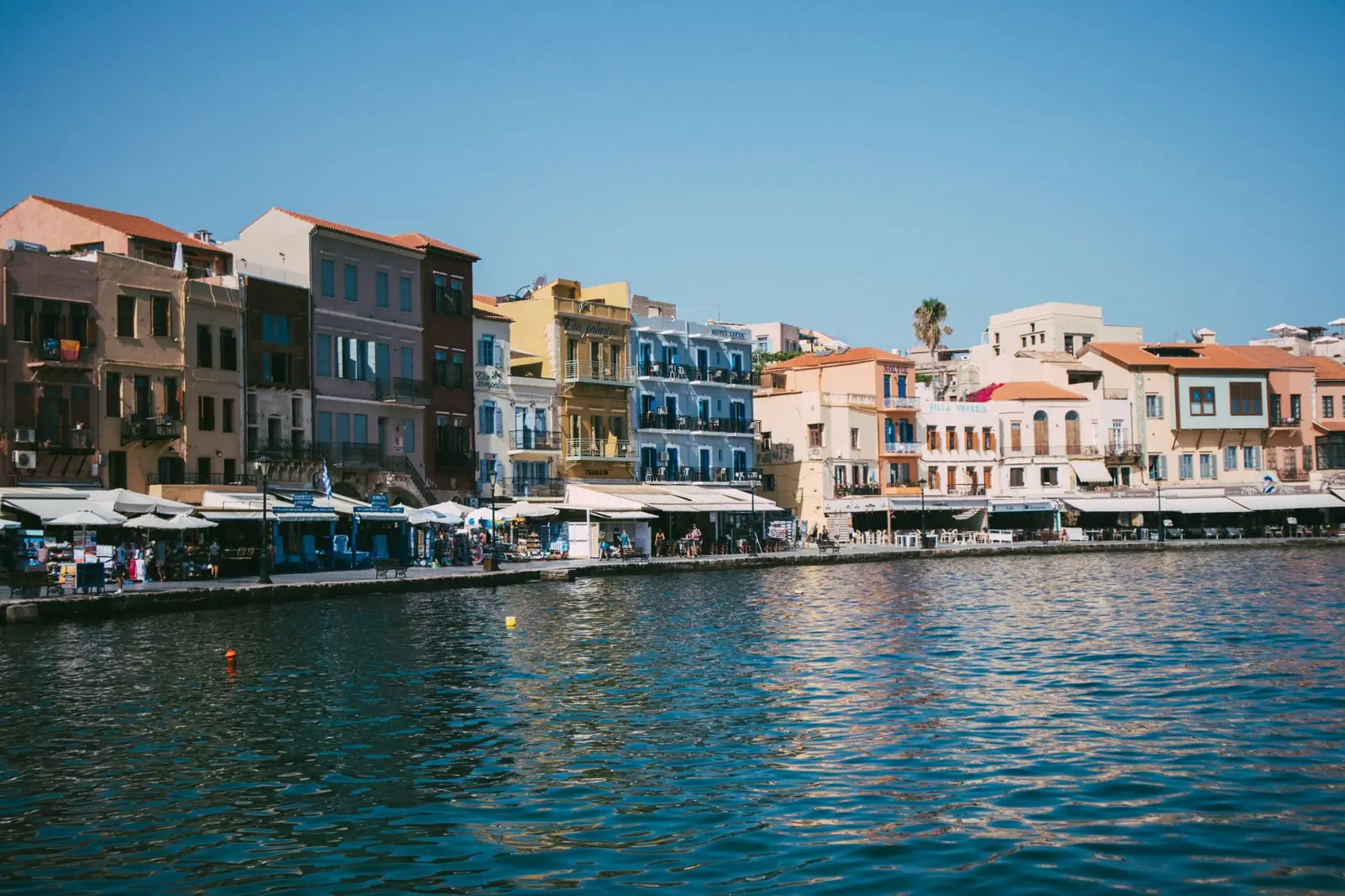
Chania’s maritime history: Firka and the separate Moro ship display
Choose between a broad maritime collection near Firka and the reconstructed Minoan ship at the Moro dockyard. They sit at different parts of the harbour, so give each its own access and ticket check.
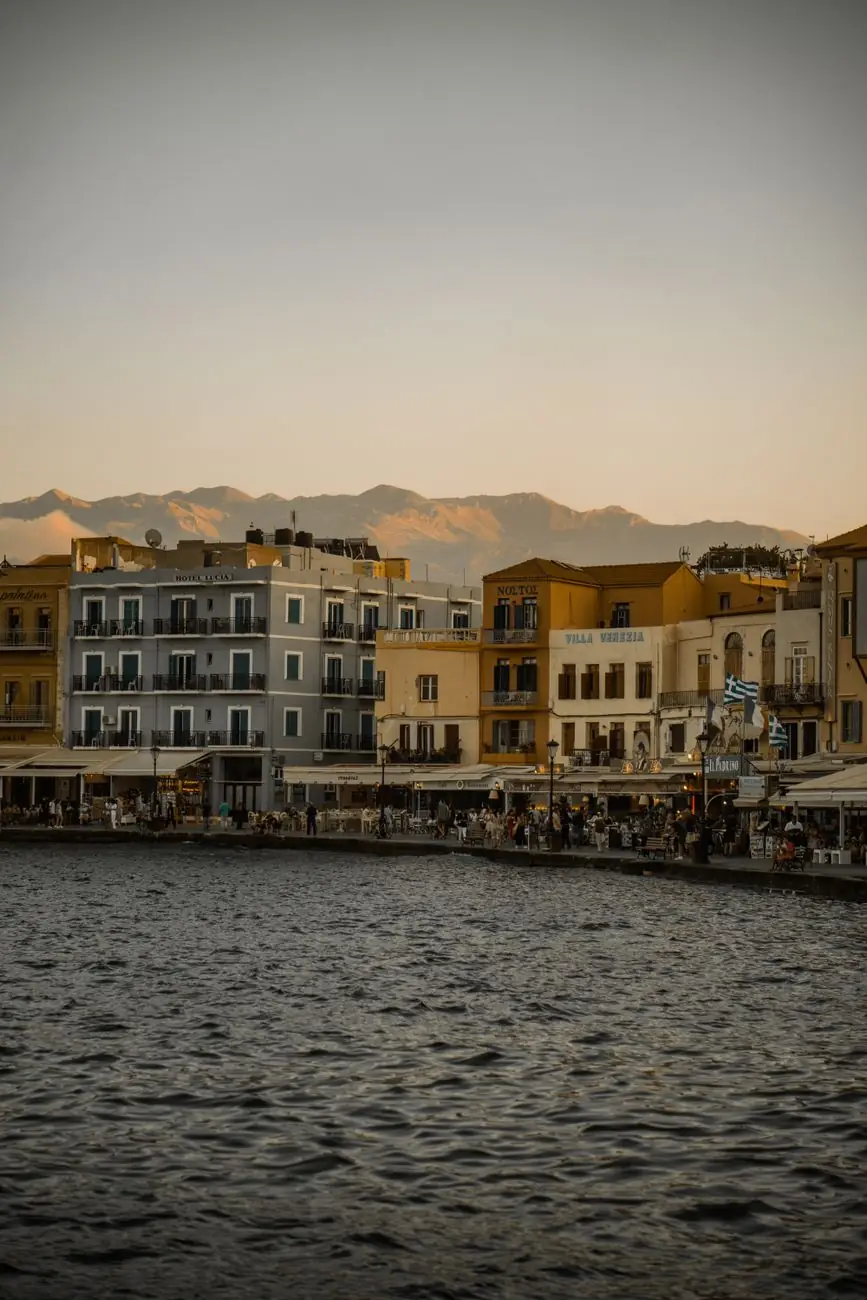
A first weekend in Chania: harbour, old-town food and one museum
Give Saturday to the harbour and old town, then choose a museum for Sunday. Keep the closed market and ongoing paving repairs visible in the plan without letting either become a required stop.
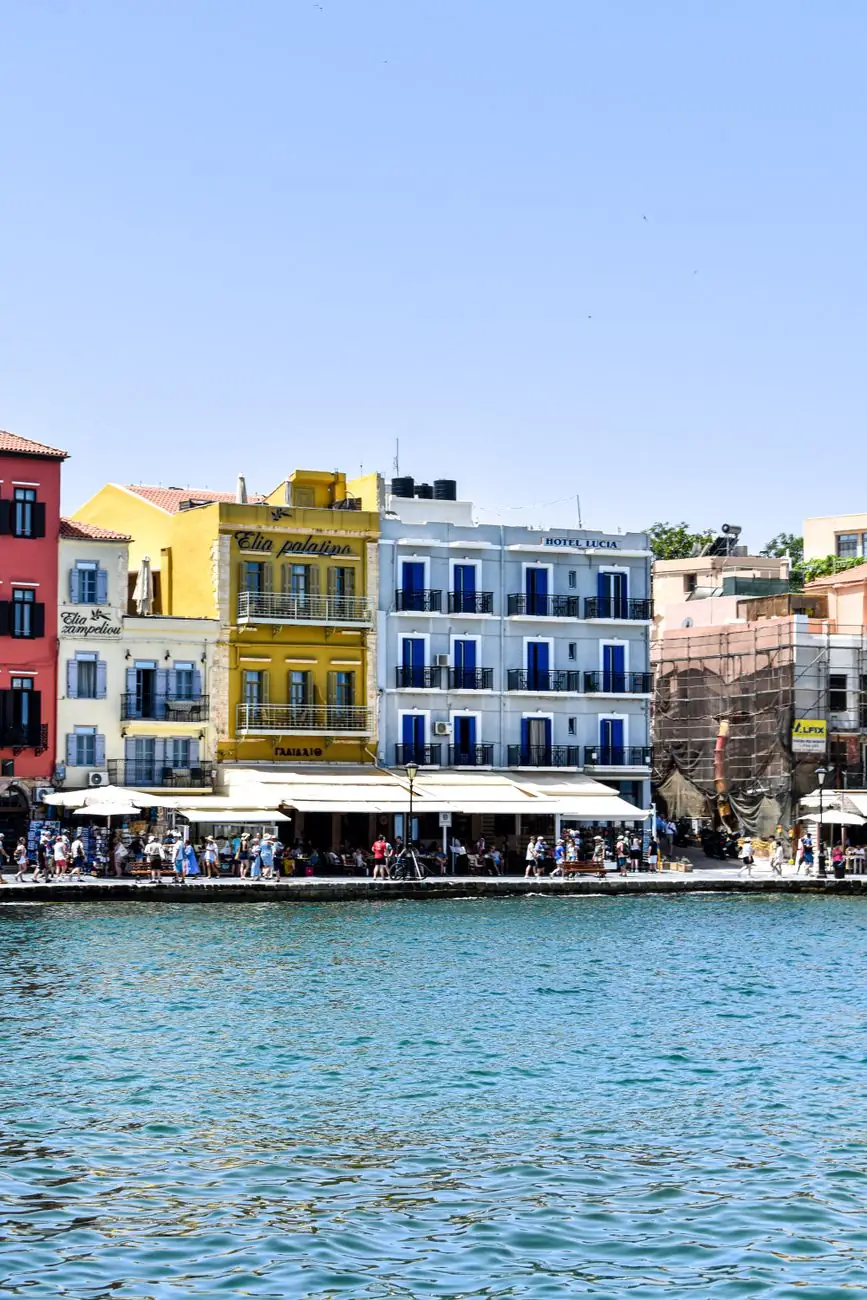
Chania’s market area: closed hall, cheese bougatsa and old-town food
Keep the historic market on your list, with its closure clearly stated. For an outing you can plan now, start with a named bougatsa stop and continue through available old-town shops.
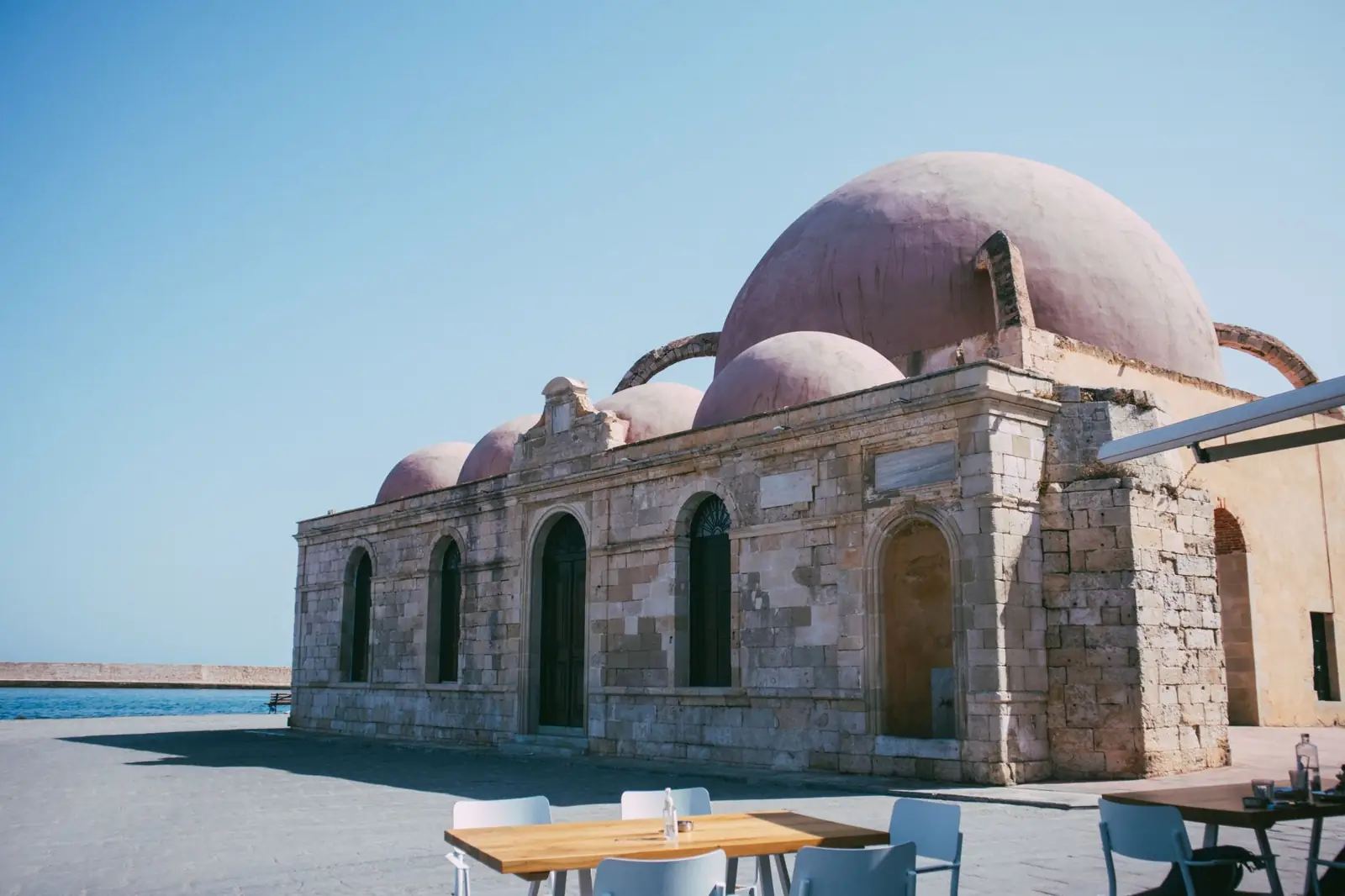
Chania’s old town: Splantzia and a Halepa museum alternative
Connect the harbour’s monuments with the lanes around Splantzia, then decide whether to stay on foot or make a separate museum journey to Halepa. The archaeology collection’s current address matters when planning the day.
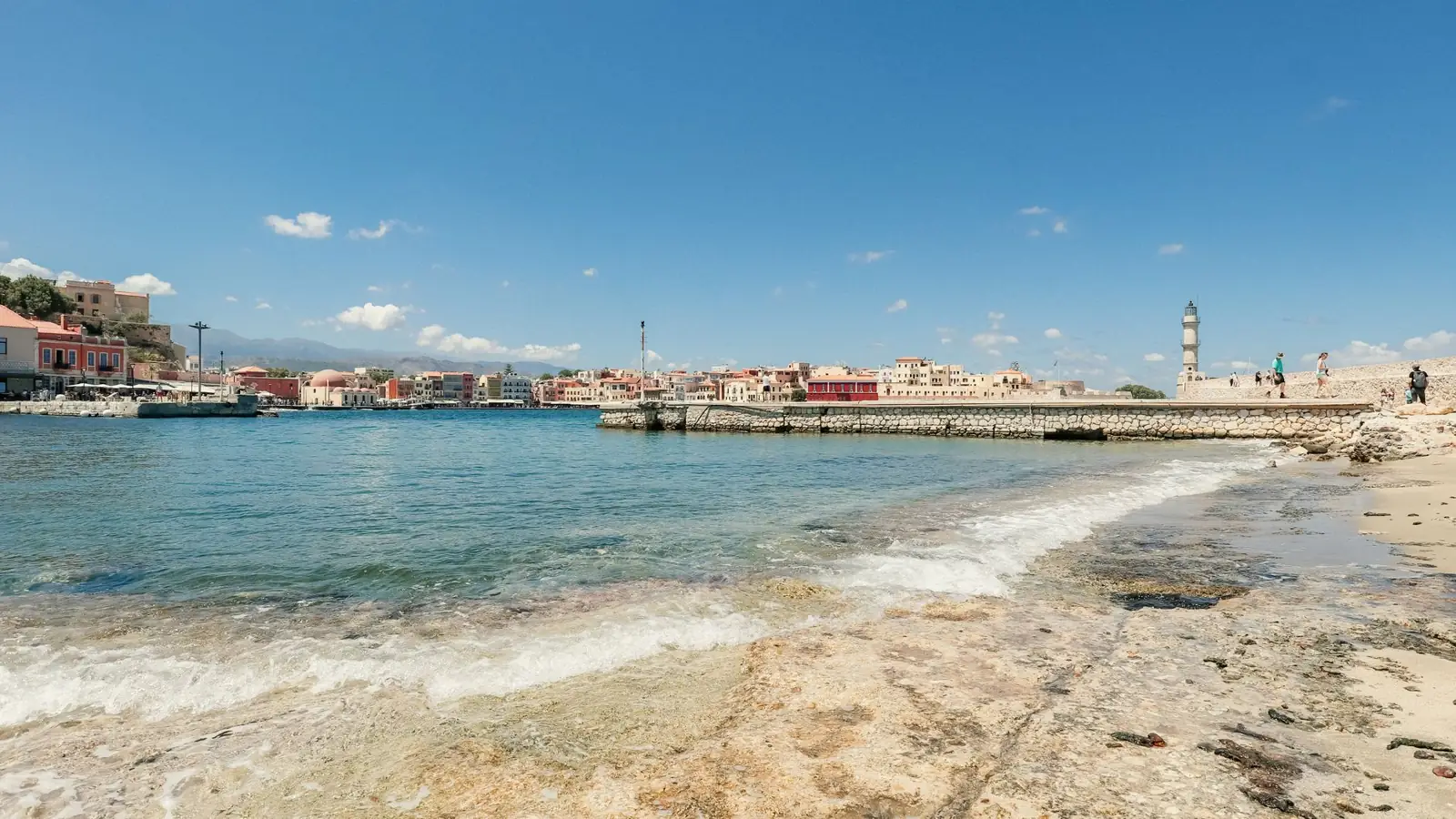
Chania’s Venetian harbour: a waterfront loop and lighthouse choice
Use the harbour’s changing viewpoints, then decide whether the breakwater walk suits the day. The lighthouse is a view to work towards, not a promise of interior access or an all-weather pier outing.
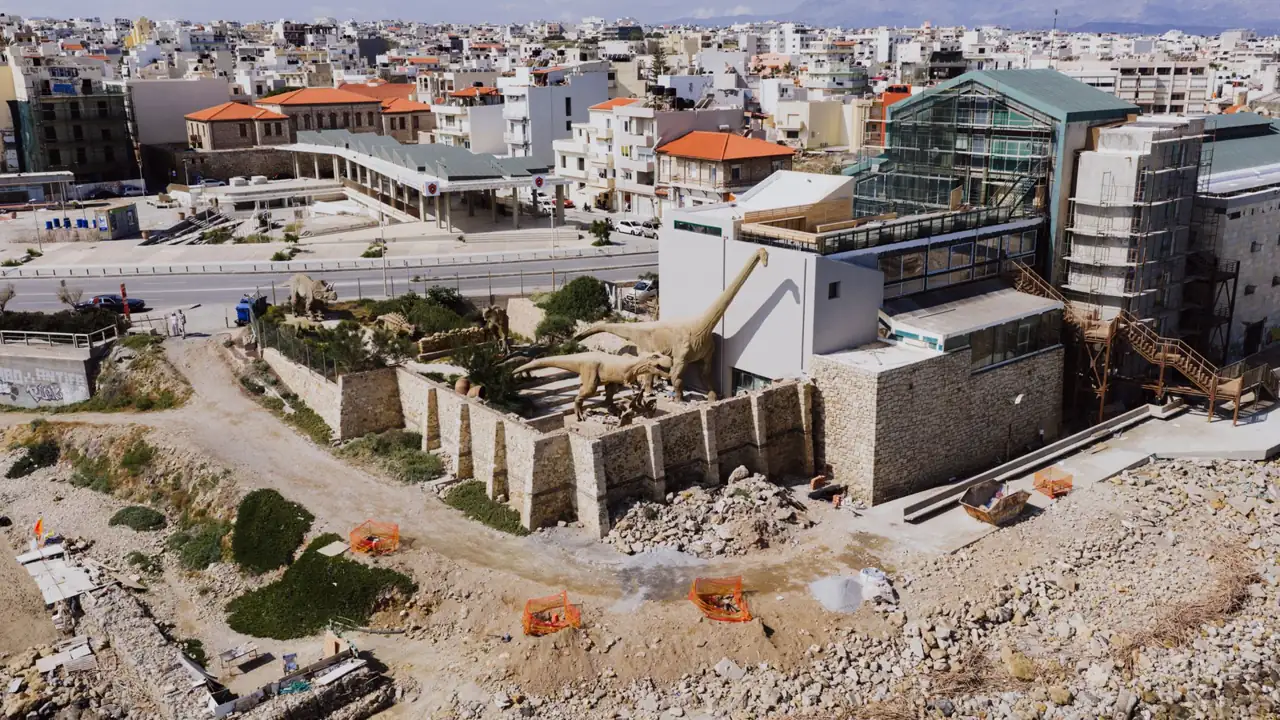
Heraklion’s museums: Minoan objects, later history or nature?
Choose a museum by what you want to understand. Heraklion’s archaeological, historical and natural-history collections cover different subjects, and they make better visits when you give one of them a clear purpose.
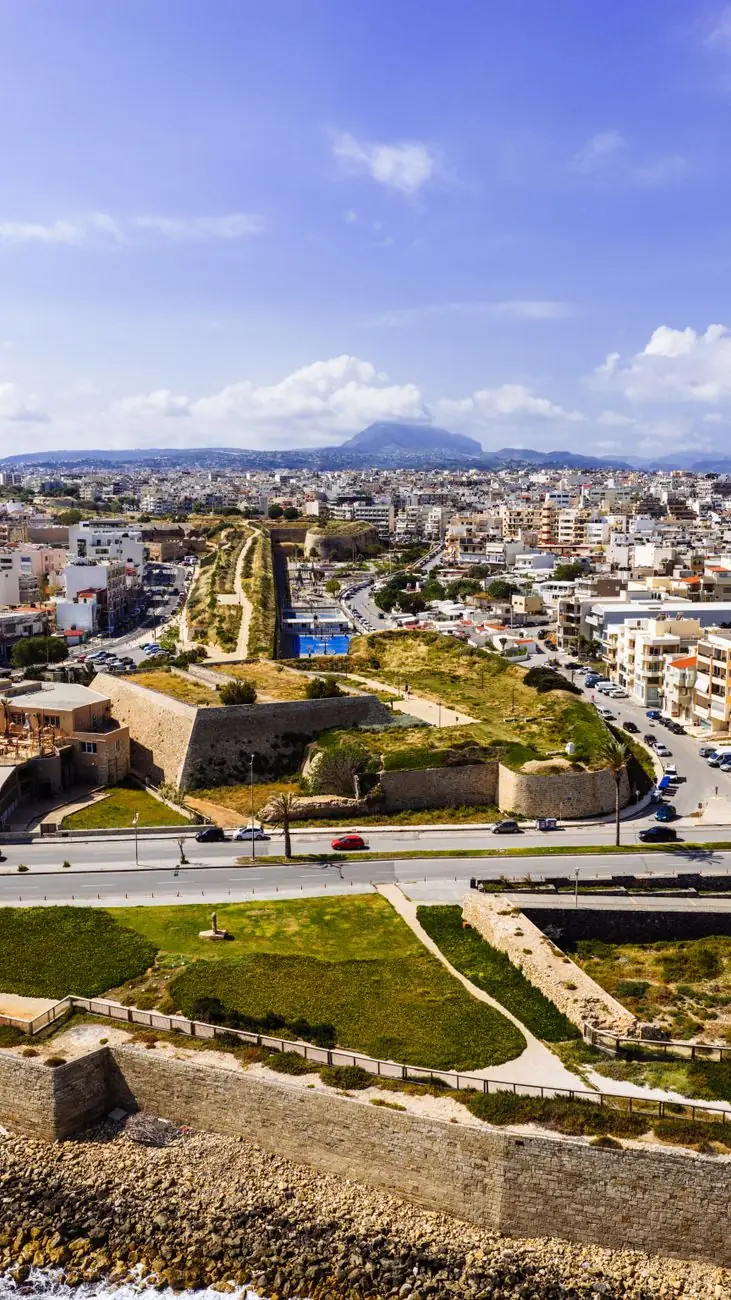
A first weekend in Heraklion
Give Minoan history one day and Heraklion’s own streets another. Knossos, a city museum and the harbour make a workable weekend when you leave time for transport, meals and a weather alternative.
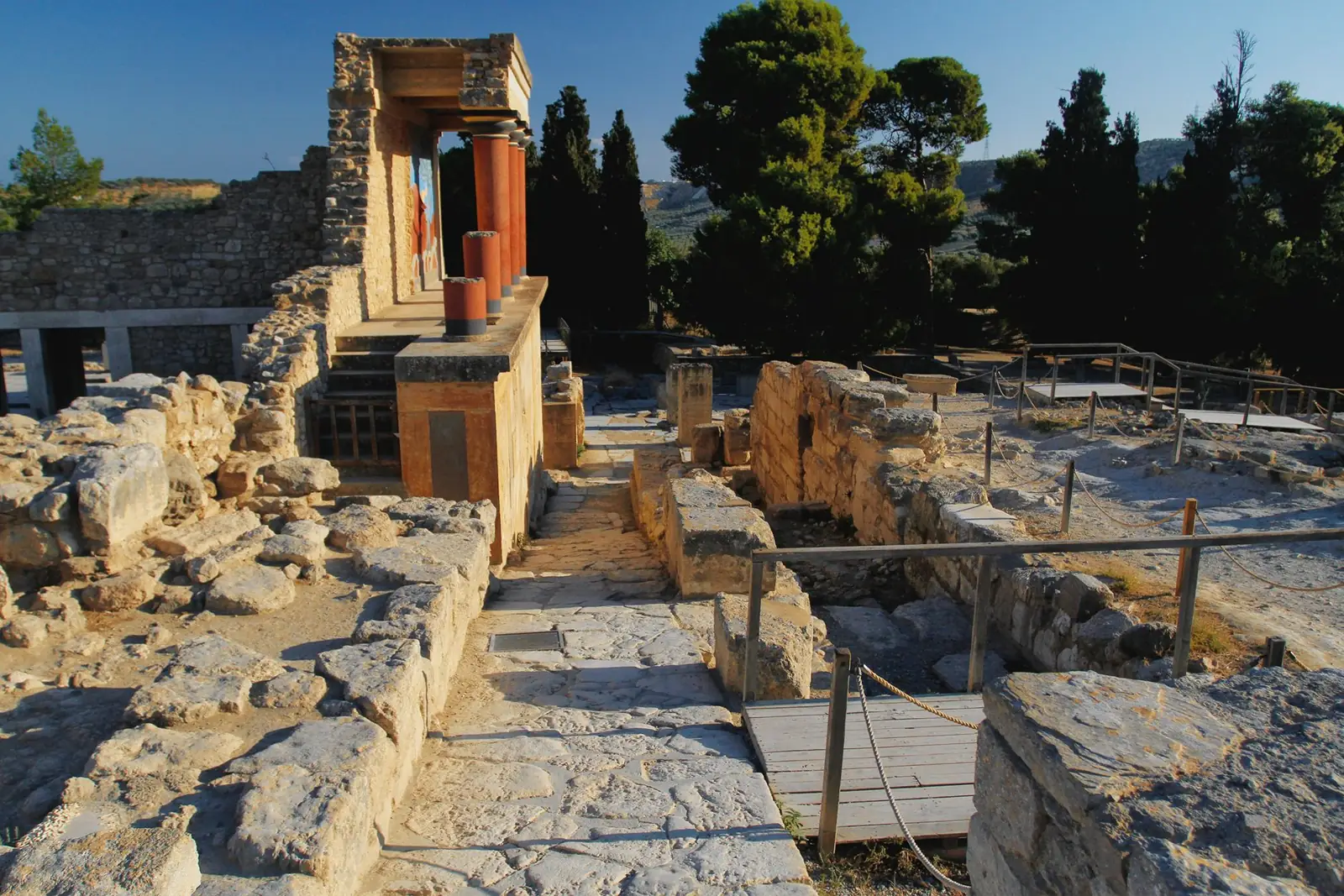
Knossos from Heraklion: entry, guide and museum choices
Knossos is a separate outing south of the city. Decide whether you want a licensed guide, book the actual palace option, and leave the city museum enough time of its own.
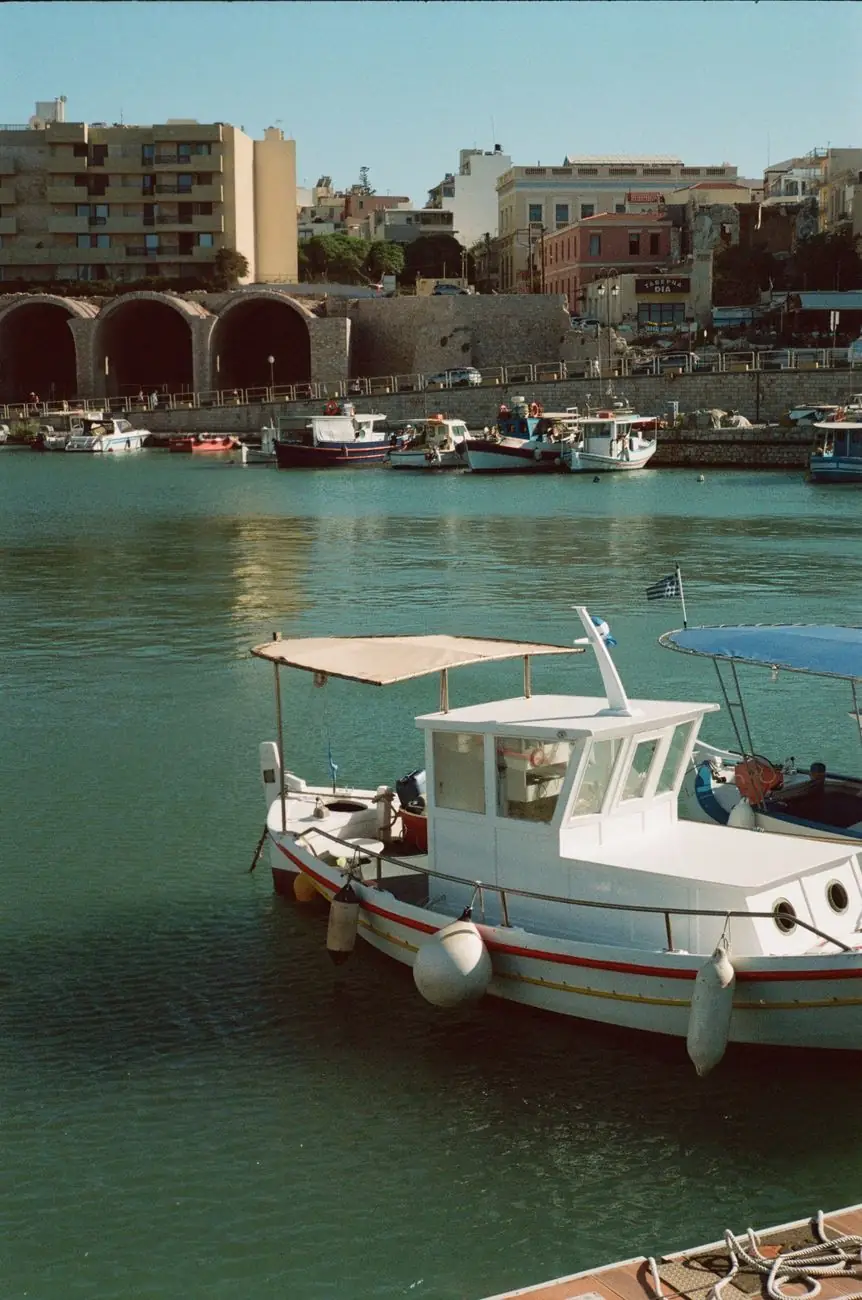
Heraklion’s old harbour: Koules and the Venetian arsenals
Start with the sheltered old basin, then decide whether to enter Koules or continue outside. The long harbour arm is optional and depends on sea conditions.
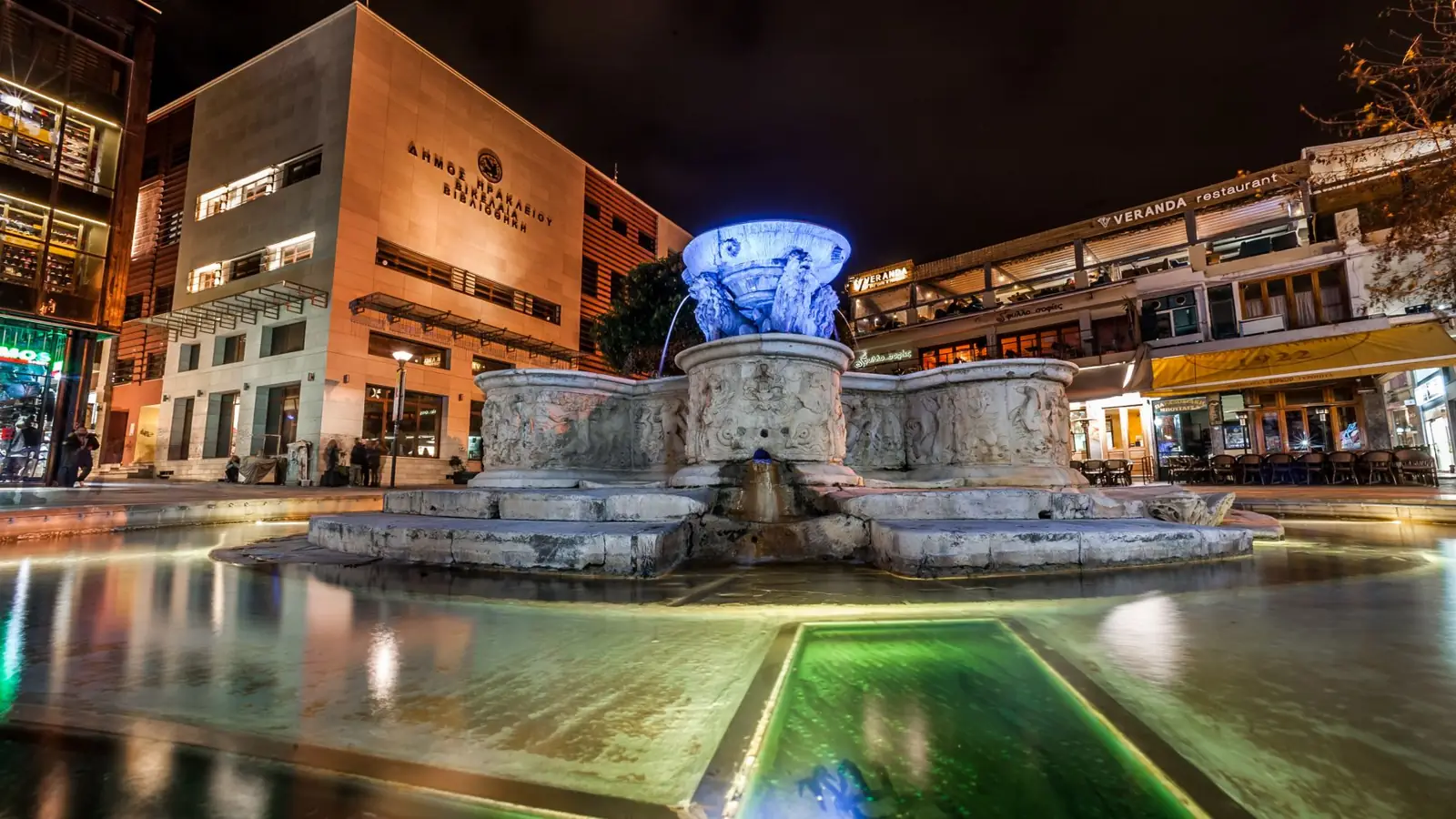
Heraklion: bougatsa, fountains and 1866 Market Street
Start at Lions Square, then connect the city’s fountains and market shops. This is a compact breakfast-and-walk idea, with enough time to look at the streets instead of rushing to another reservation.
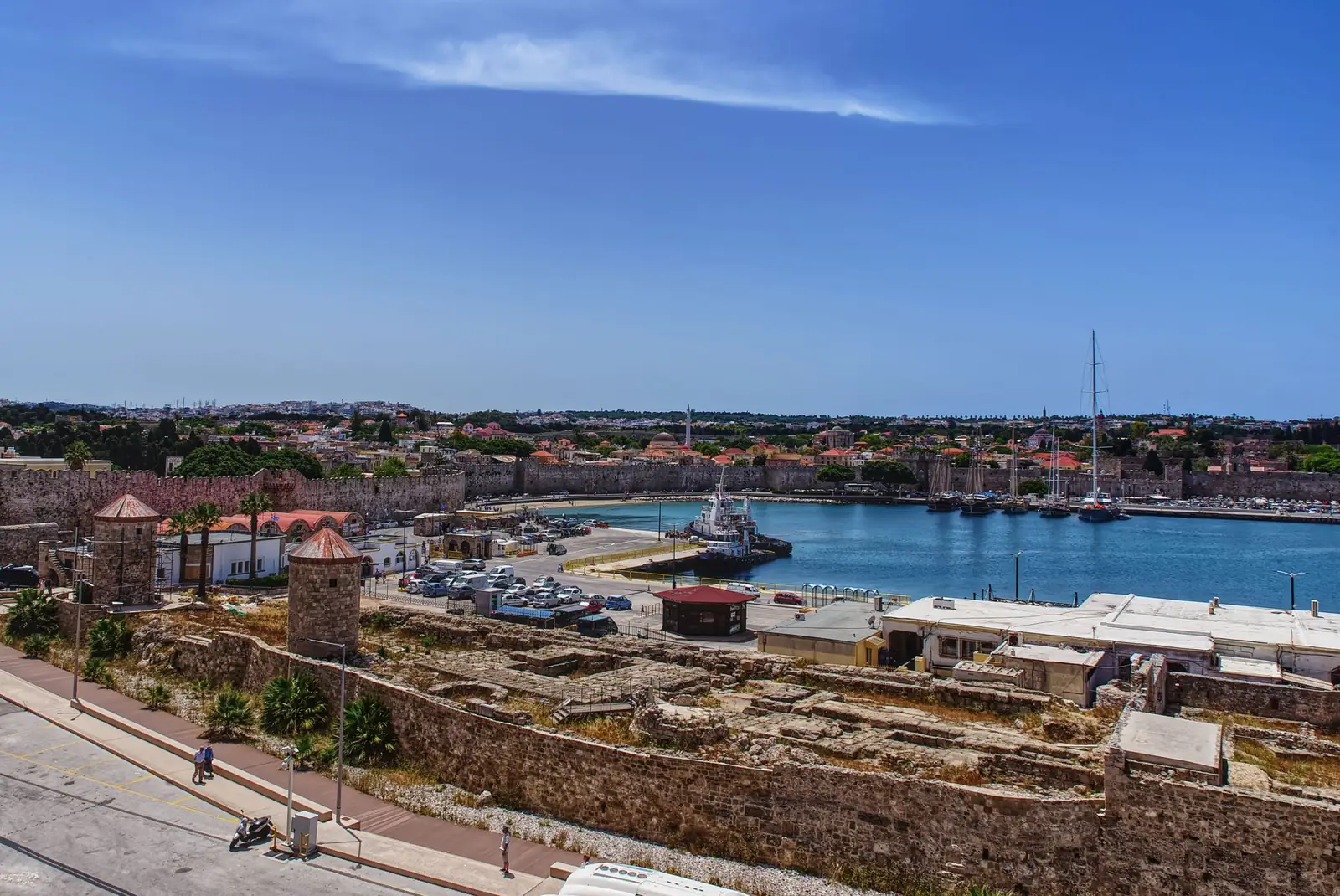
A first weekend in Rhodes Town
Keep this weekend in Rhodes Town: one medieval interior, time for the Jewish Quarter, and a harbour walk. Lindos and distant beaches deserve their own transport plan rather than being squeezed into the city route.
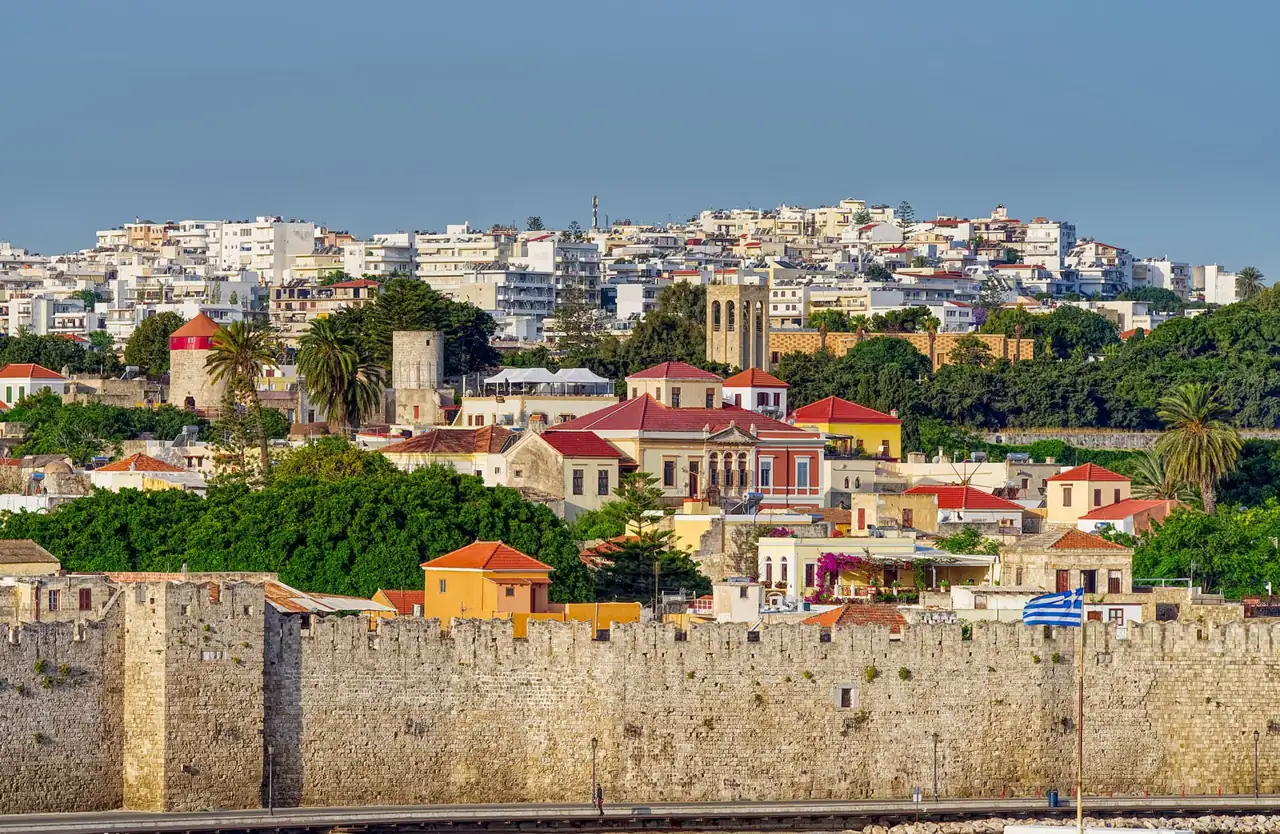
Rhodes’ Jewish Quarter: memorial, synagogue and museum
Give the Jewish Quarter time for its community’s story. The memorial square is a useful starting point, but the museum adds the context that a quick photograph cannot provide.
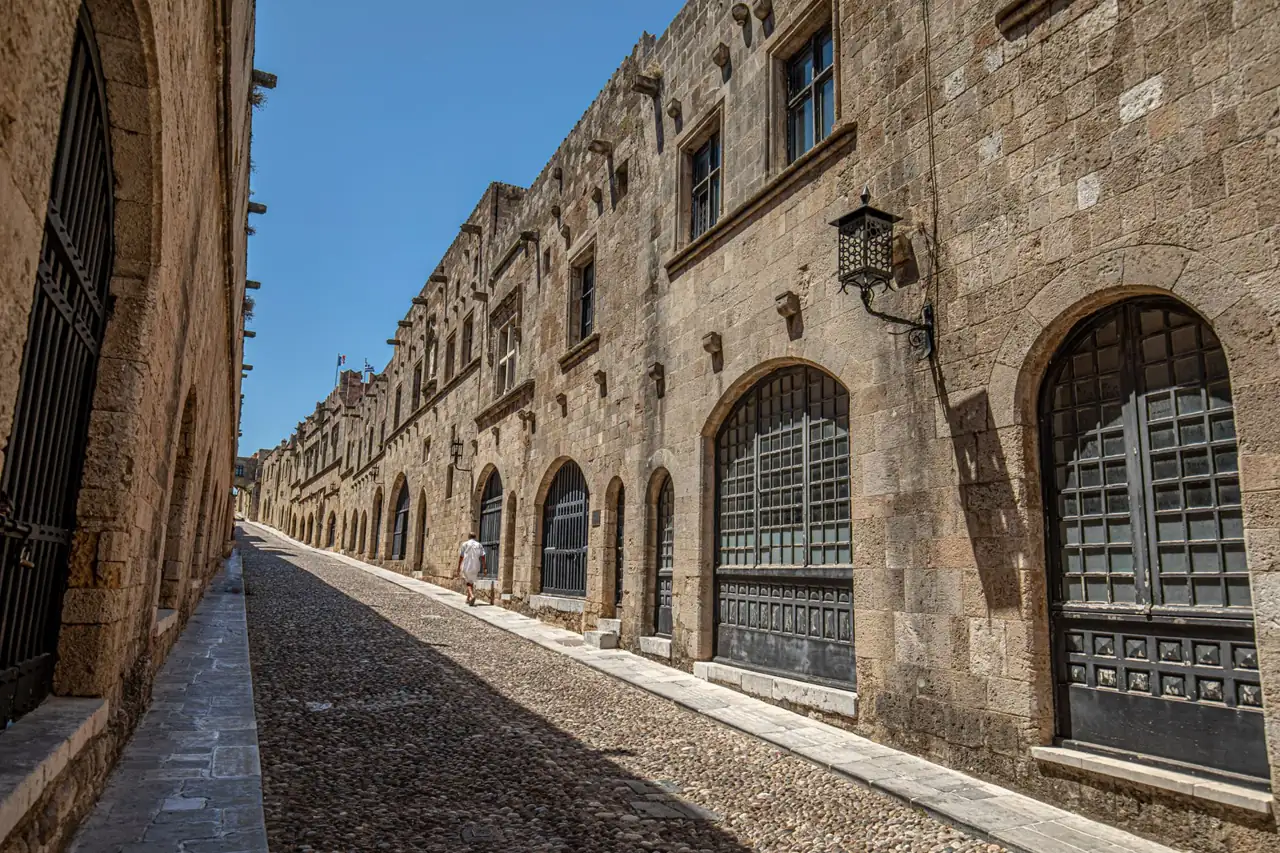
Rhodes: the Knights’ street and an archaeological museum visit
A short walk between two medieval buildings can reveal two different histories. Use the Knights’ street for the urban setting, then the former hospital museum for the island’s much older objects.
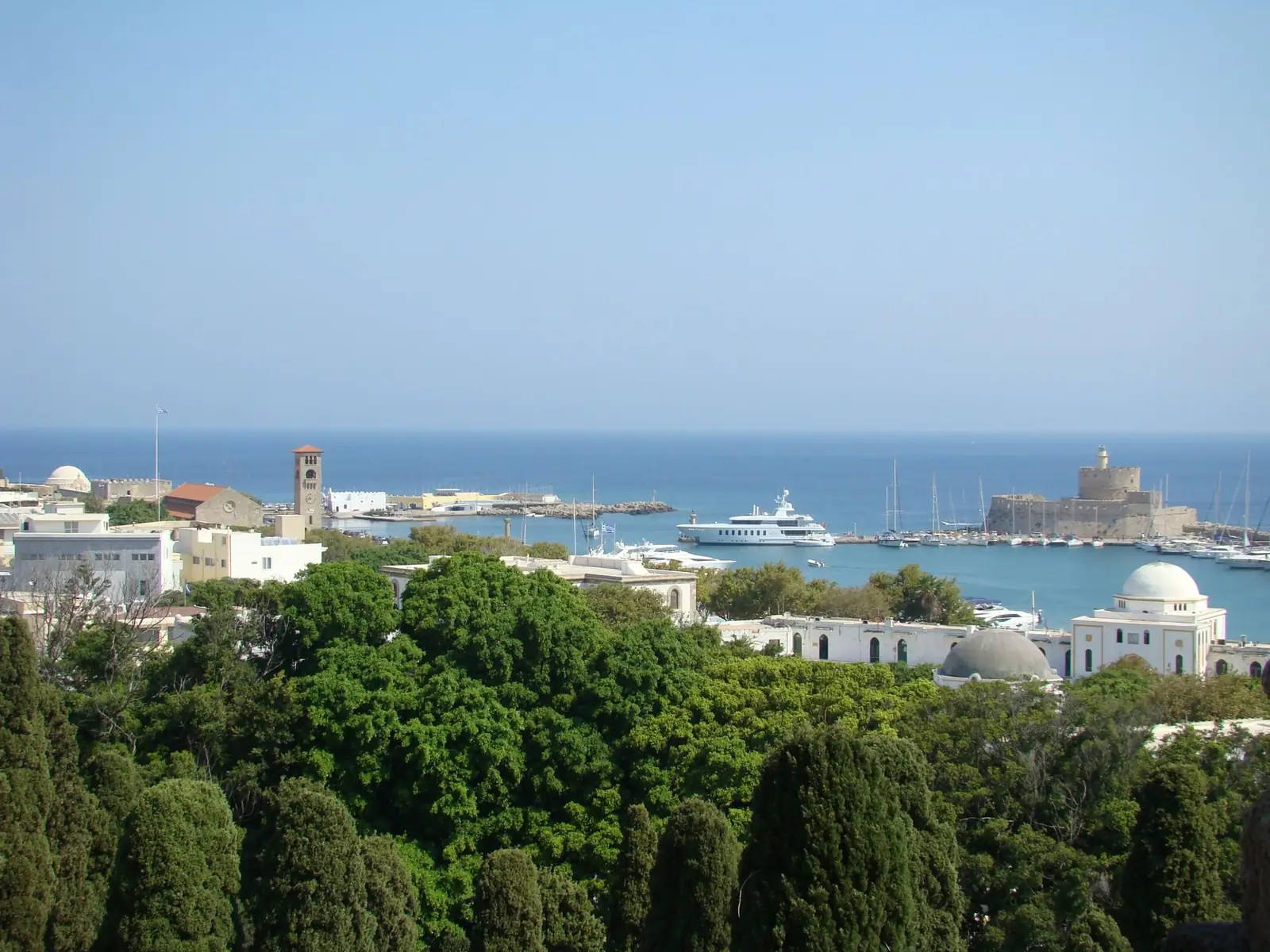
Rhodes: Mandraki harbour and a shorter moat walk
Combine the harbour’s fortifications with an outside view of the medieval walls. This is a city walk, with a clear turn-back point, rather than a reason to add a long boat excursion to the same morning.
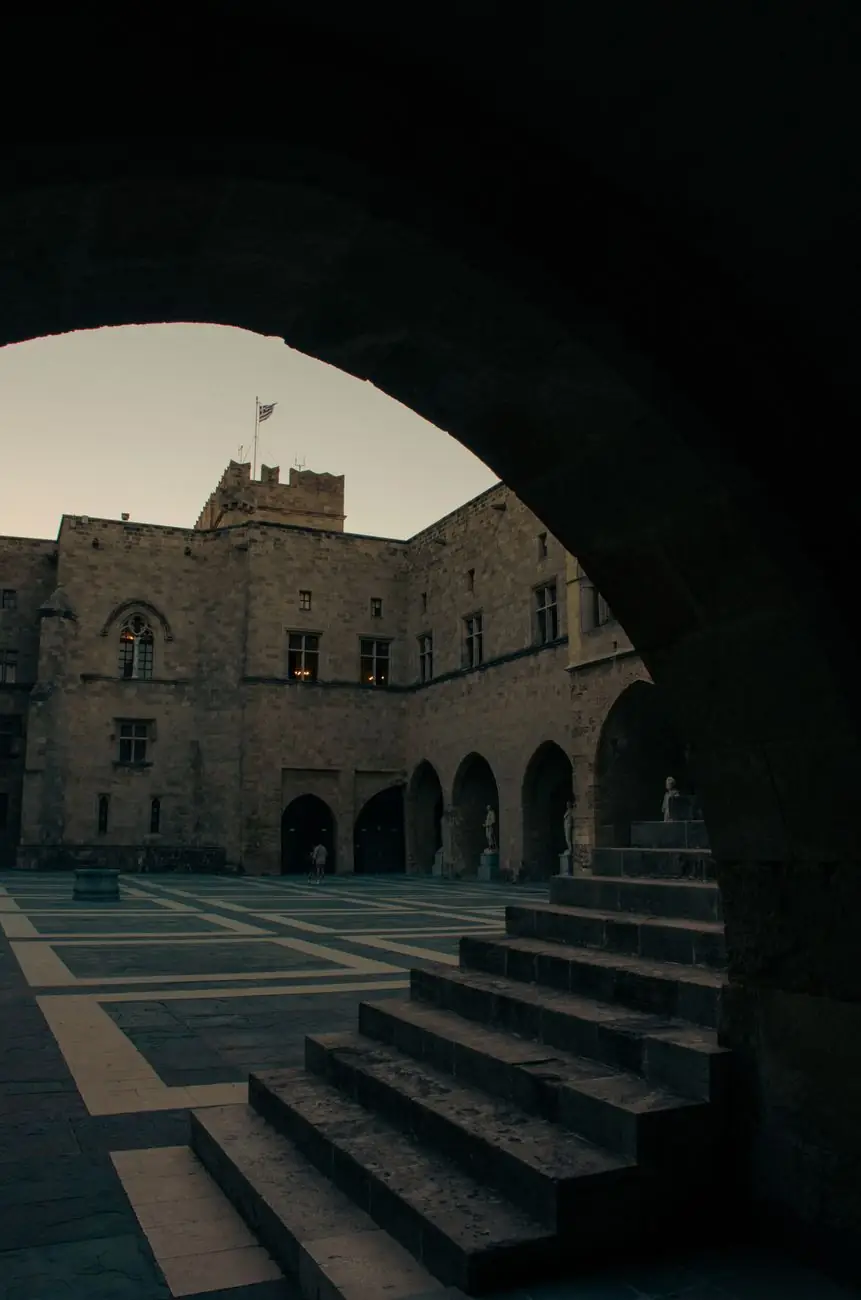
Rhodes’ palace: rooms, courtyard and the separate wall walk
Choose the palace for its courtyard and furnished halls, then treat the elevated walls as a separate visit. A palace ticket does not turn every part of the fortifications into an all-day public walk.
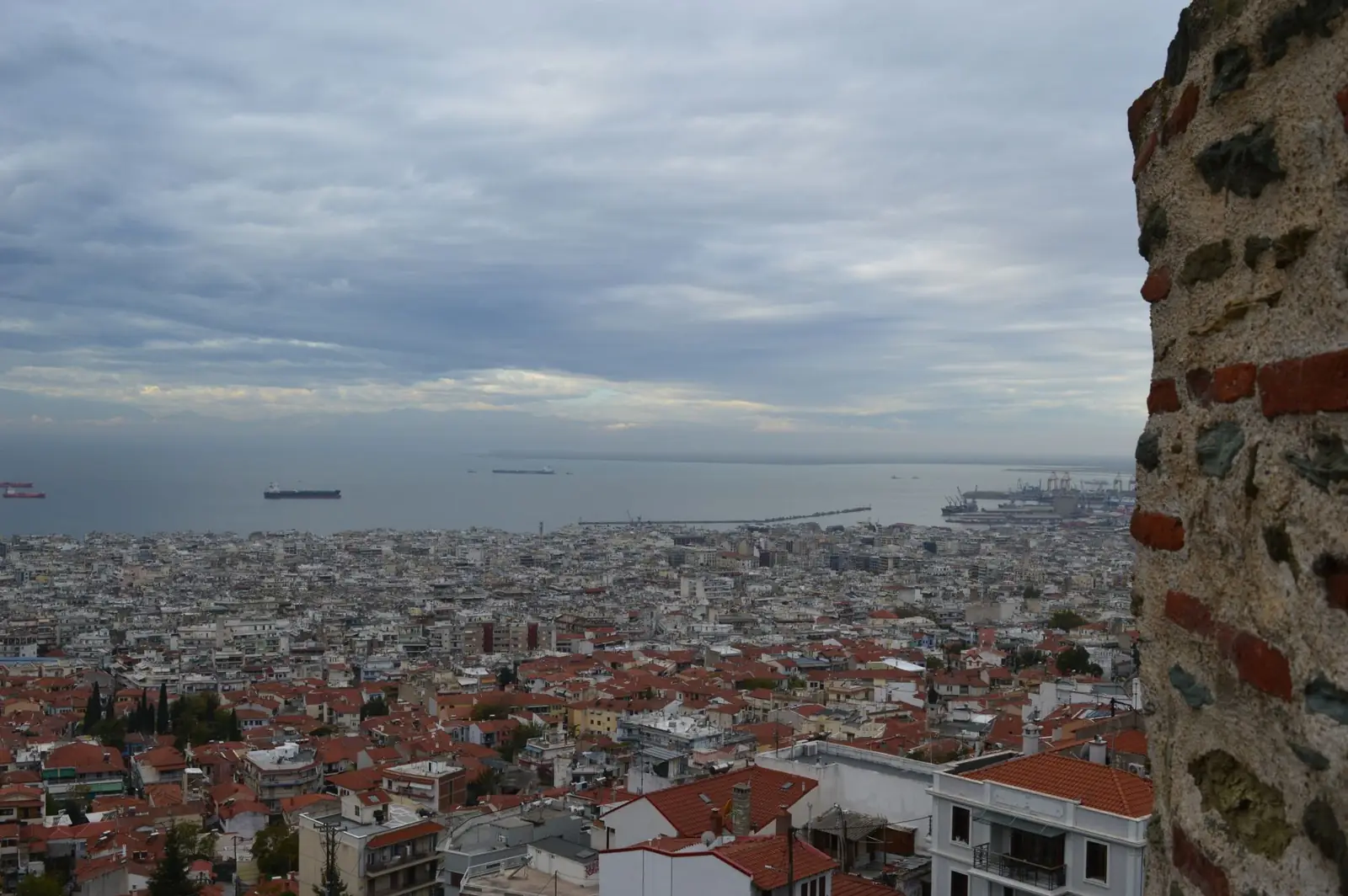
Ano Poli in Thessaloniki: walls, viewpoints and a downhill walk
Reach the upper town first, then choose a manageable downhill route. This gives you time for the walls and neighbourhood streets without making a long climb the price of every viewpoint.
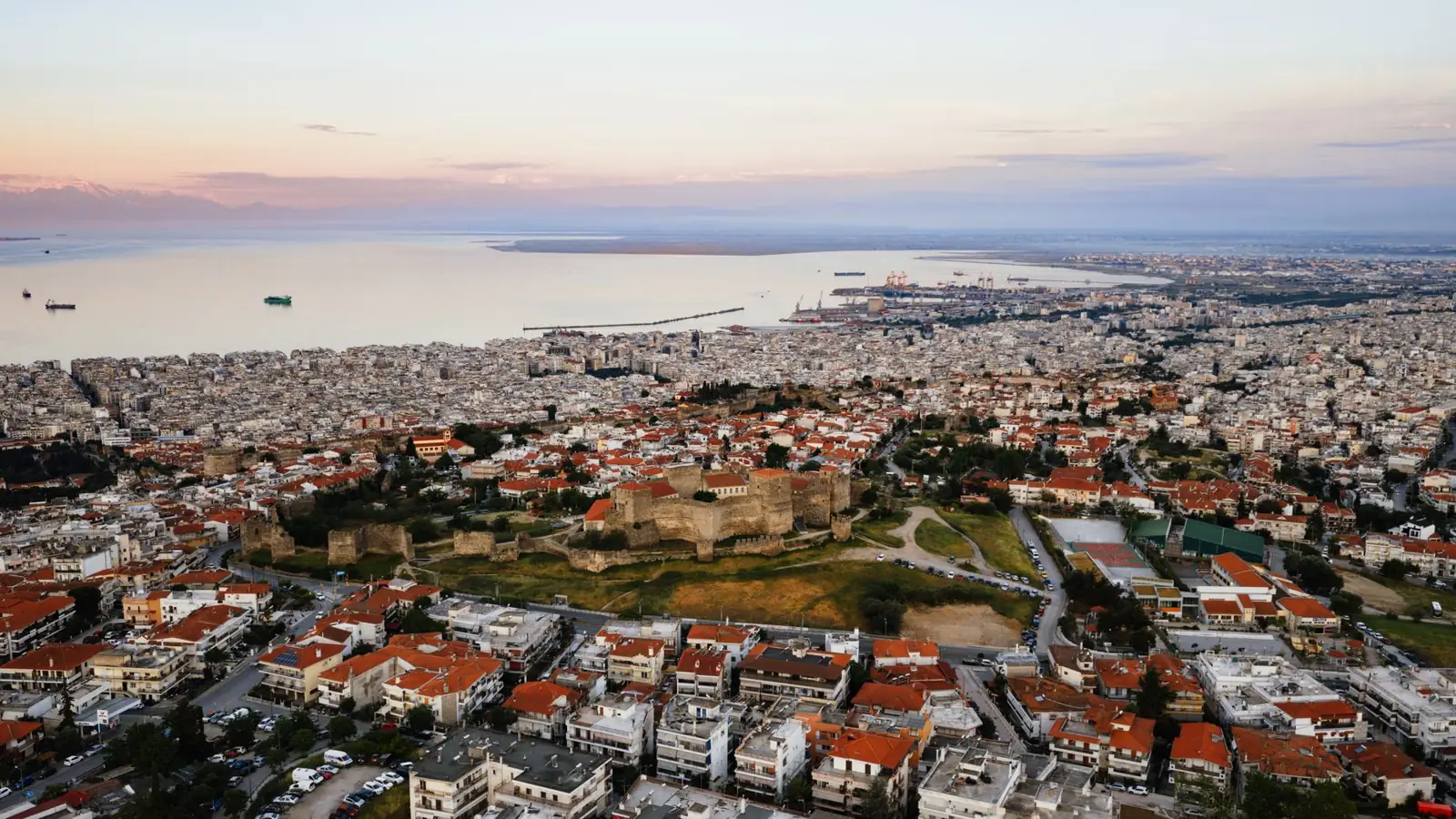
A first weekend in Thessaloniki: markets, Roman sights and Ano Poli
Use Saturday for the centre and waterfront, then give the upper town a separate Sunday outing. The plan leaves room for a meal and one substantial museum instead of packing every historical period into the same morning.
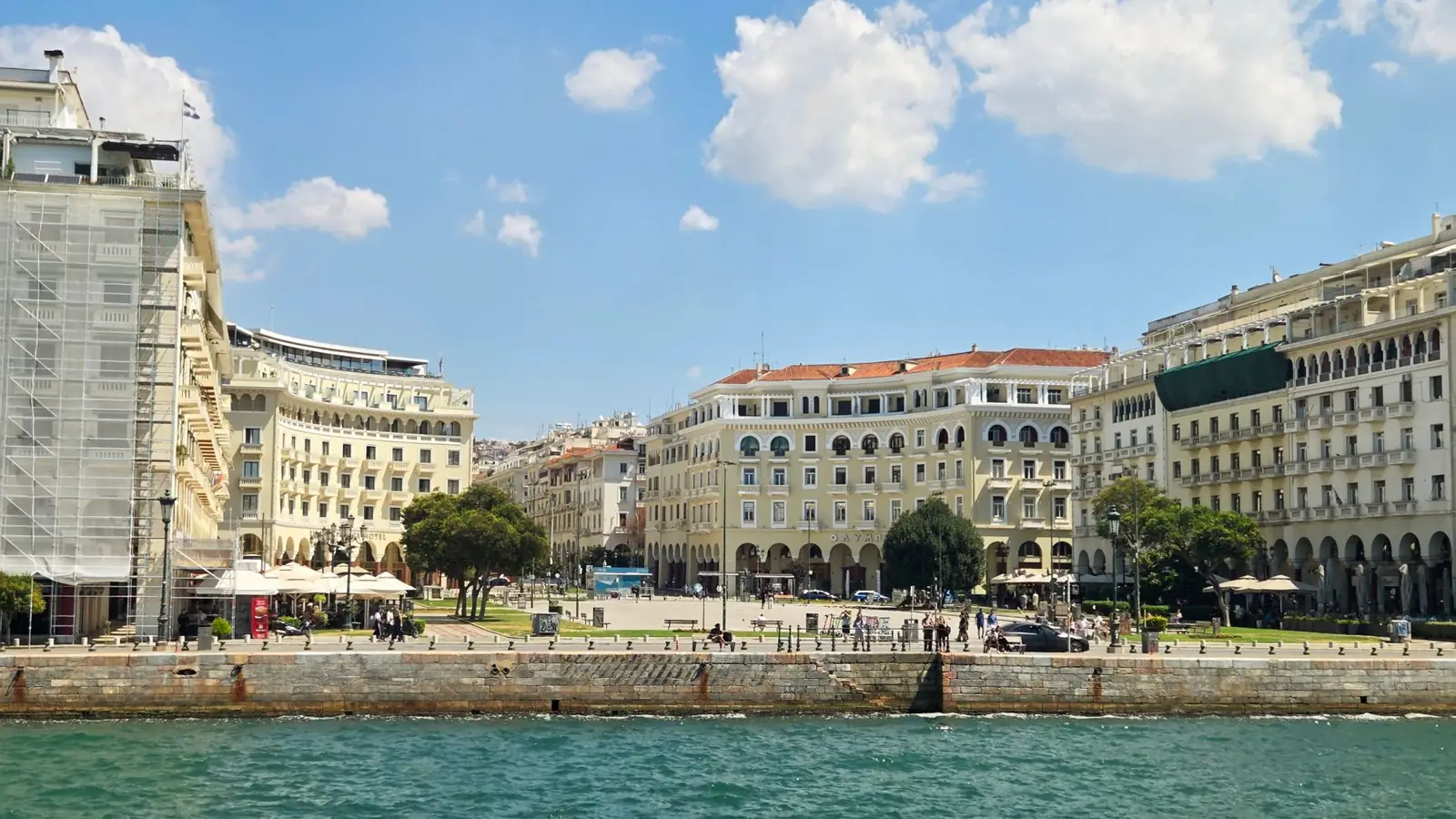
Thessaloniki’s market morning: Kapani, Modiano and Greek olive oil
Compare the traditional market streets with Modiano’s restored hall, then choose a focused tasting. This is a route for looking, asking and trying a few things, rather than assuming every stop supplies a full meal.
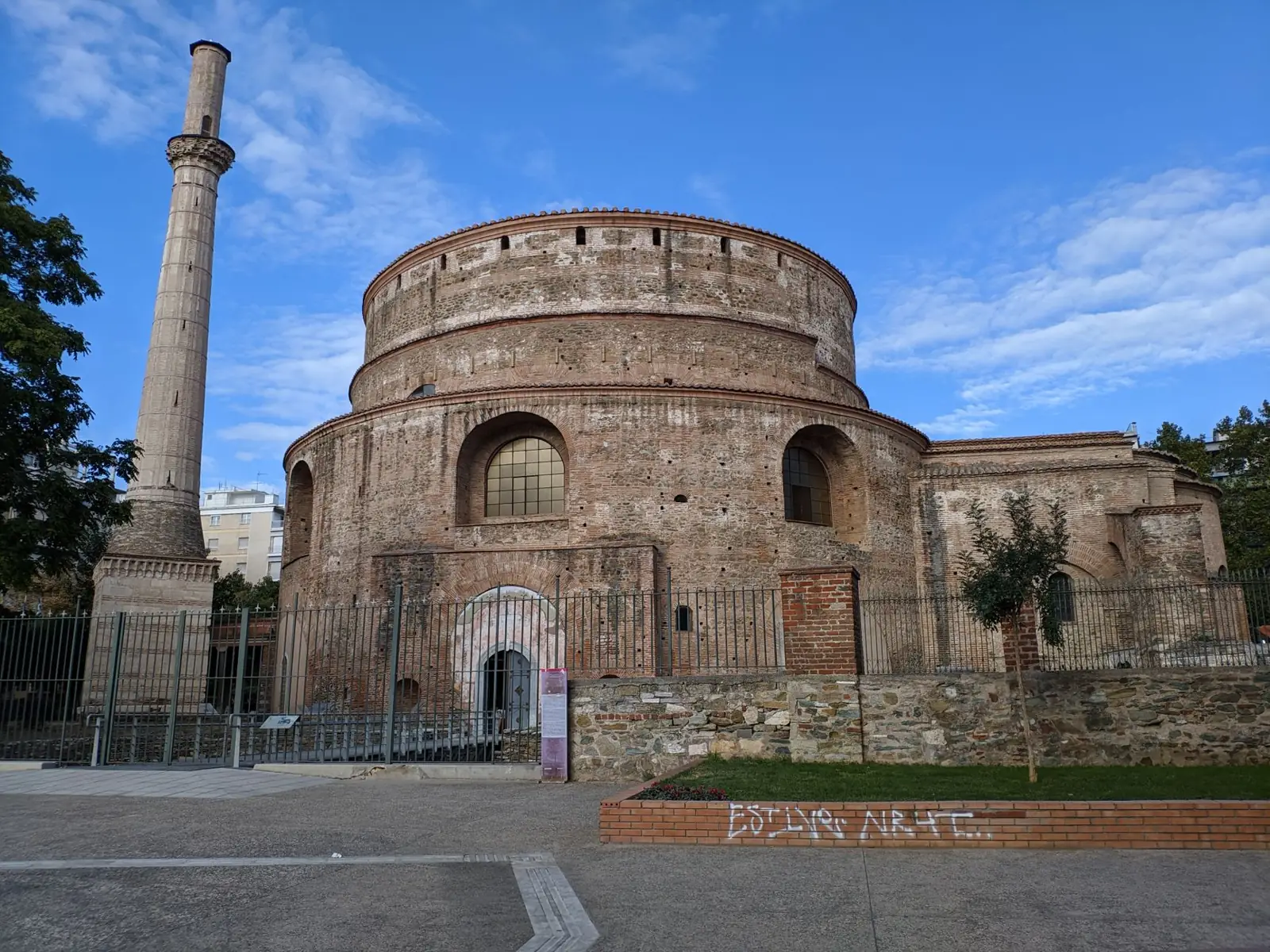
Roman Thessaloniki: Rotunda, Kamara and the Galerius route
Connect three nearby Roman anchors instead of trying to absorb the whole city at once. The Rotunda’s interior, the arch’s carved panels and the palace remains each reveal something different.
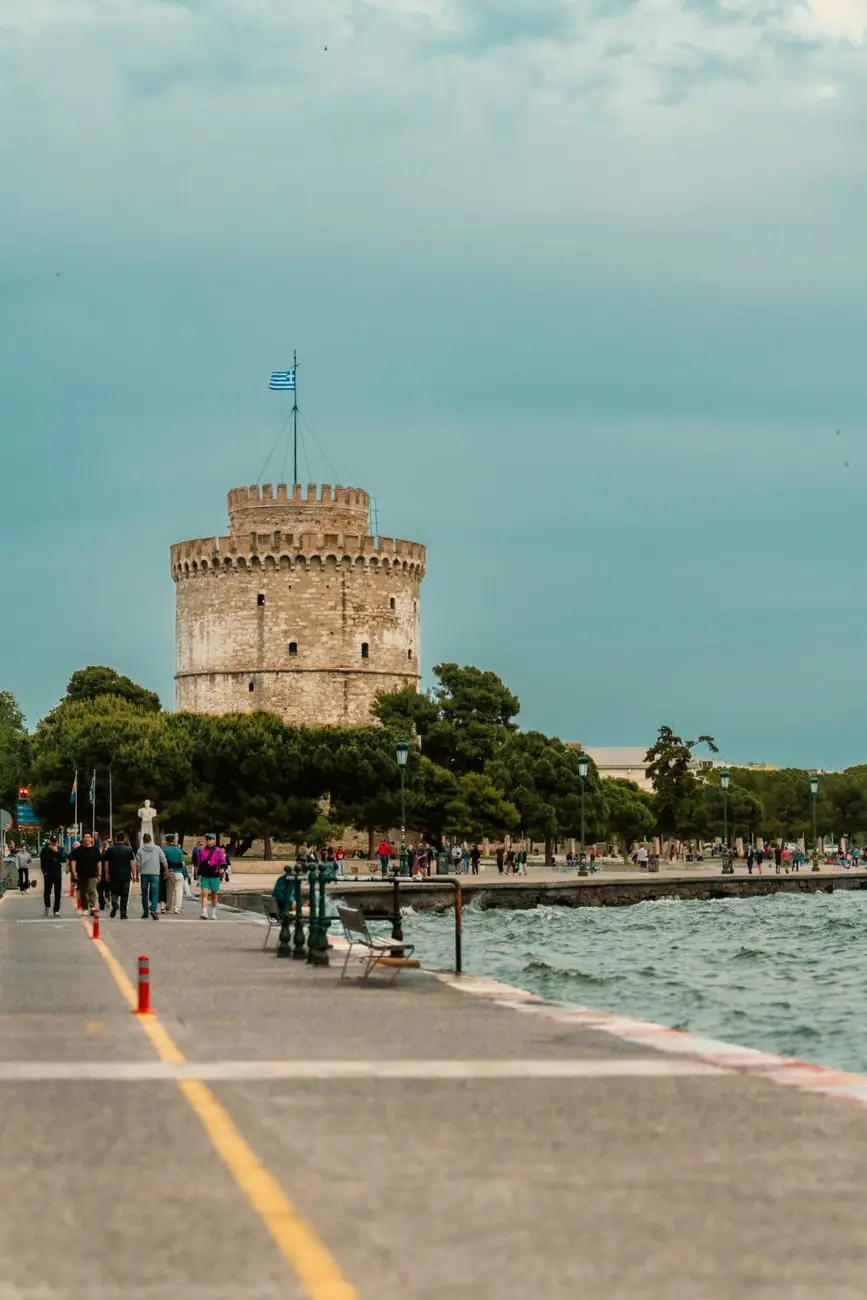
Thessaloniki’s waterfront: the White Tower and a museum choice
Start with the White Tower’s story of the city, then walk the seafront at an easy pace. A nearby museum gives you a useful alternative when wind, rain or heat makes a long promenade less appealing.