
A little more prepared for Egypt.
Choose Cairo for museums and historic mosque districts, or Alexandria for Mediterranean walks, Qaitbay and the Bibliotheca. Compare each city’s monthly weather before packing: coastal winter rain and breezes need different layers from Cairo’s drier outings.
Explore EgyptExplore Egypt by city
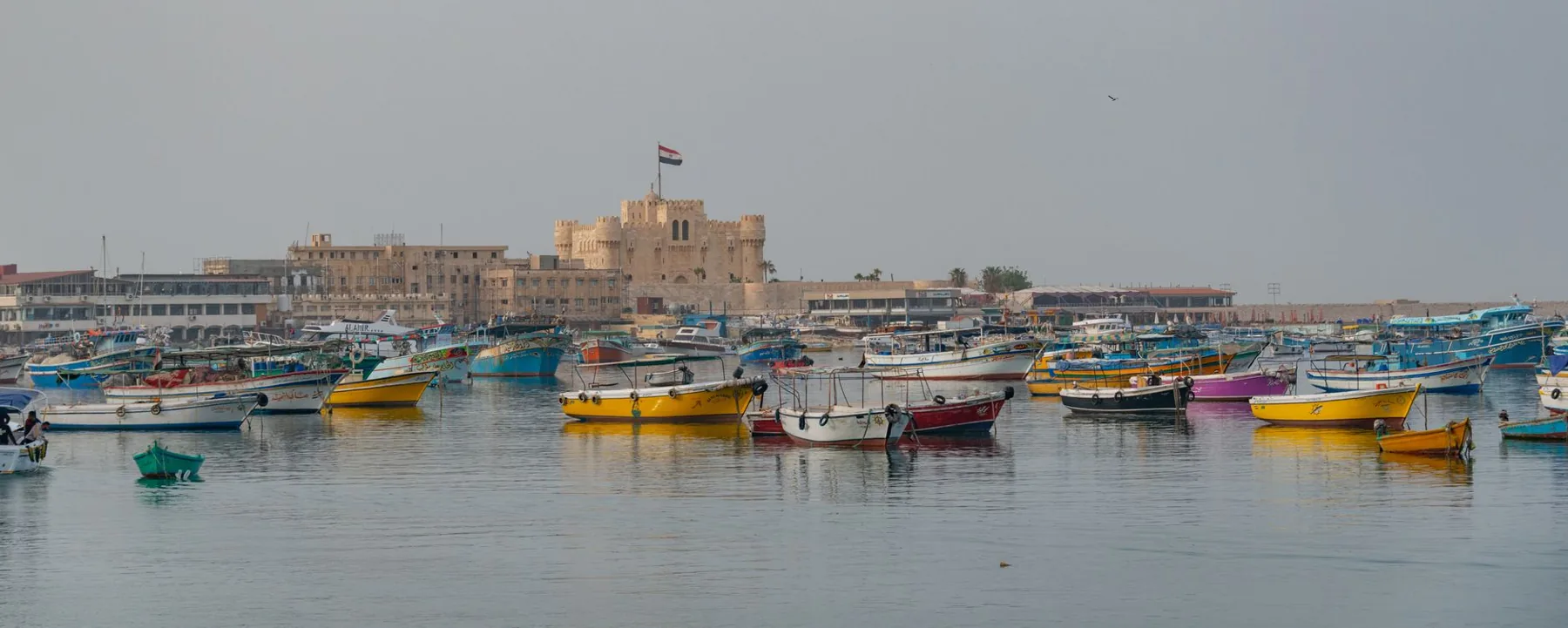
Alexandria
Mediterranean Alexandria has warm, largely dry summers and cooler winters with appreciable rain. A seafront breeze can make an evening feel cool even after a sunny afternoon; exposed ruins need sun protection. Carry a rain layer for winter outings and check coastal weather before long walks.
Open city guide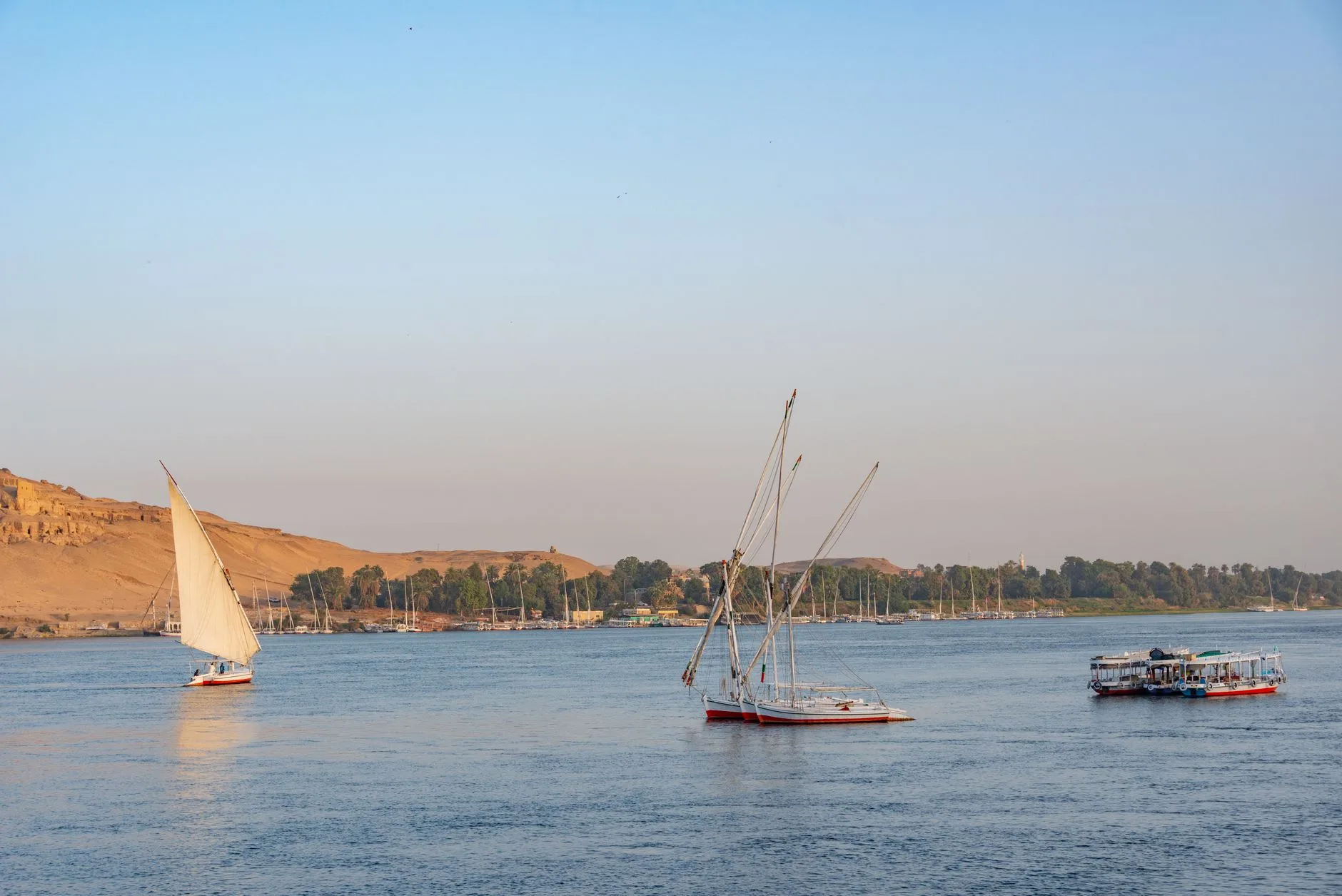
Aswan
Aswan has an extremely dry desert climate. Summer afternoons are intensely hot; winter offers warm sightseeing days with cooler nights. Rare rain does not remove the need to check the forecast, especially before a boat outing.
Open city guide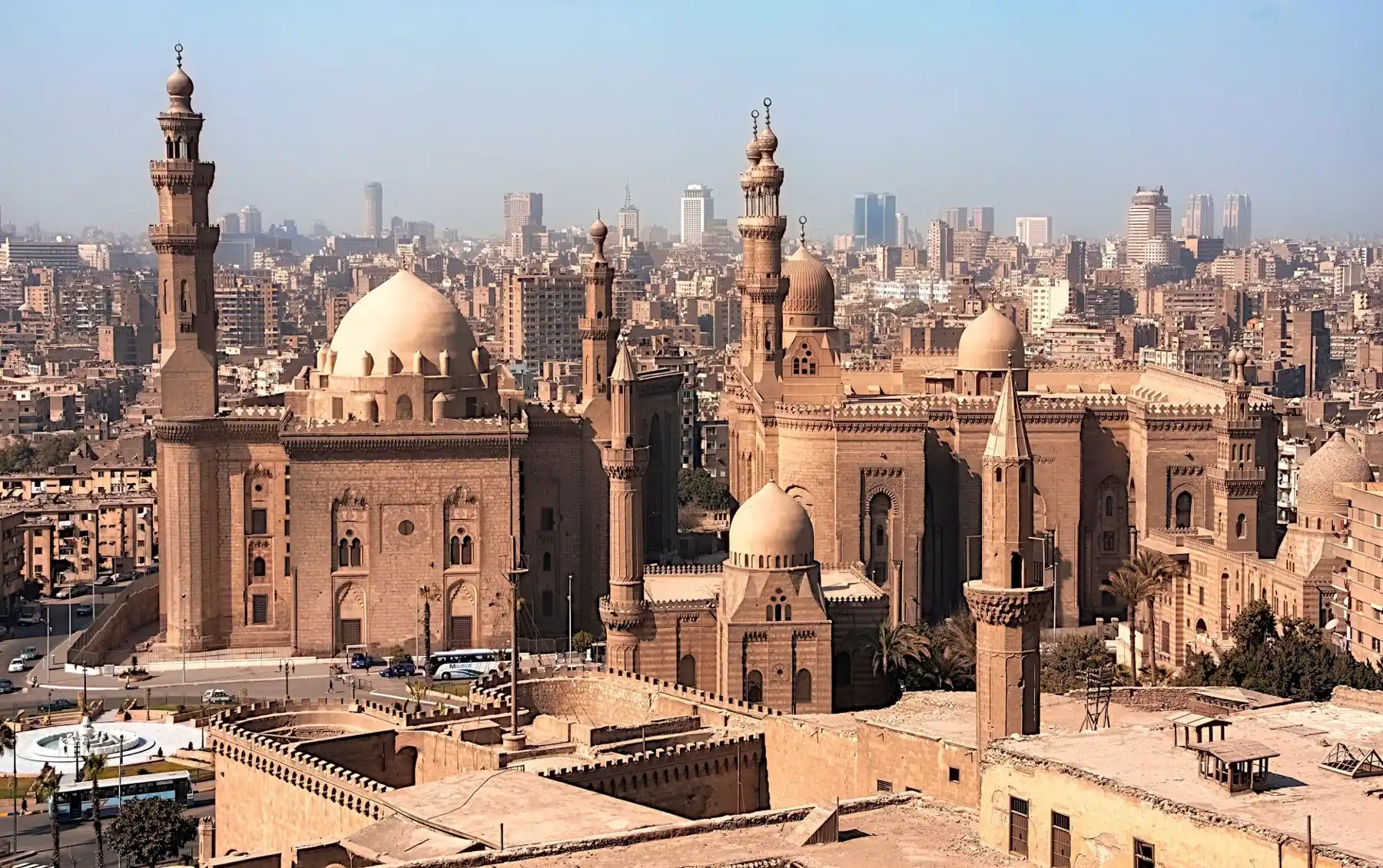
Cairo
Cairo has very hot, largely dry summers and mild winter days with cool evenings. Rain is infrequent but possible in the cooler months. Exposed mosque courtyards and archaeological sites feel much hotter than shaded interiors; pack breathable coverage and plan outdoor stops around the forecast.
Open city guide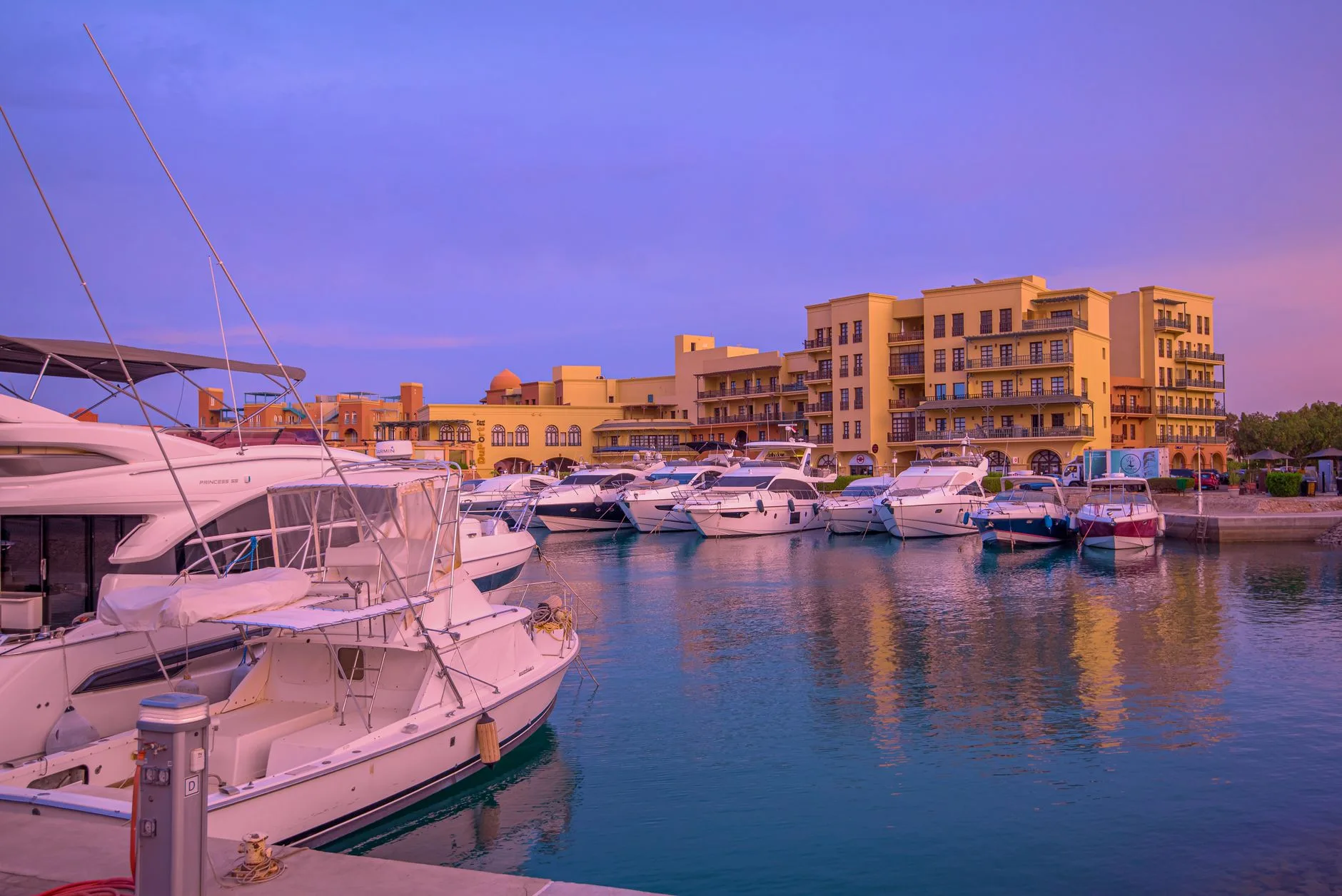
Hurghada
Hurghada has a dry desert coast climate: summers are very hot, winters have mild days and cooler evenings, and rain is uncommon. A boat deck can feel cooler than a sheltered terrace, so leave room for a light layer.
Open city guide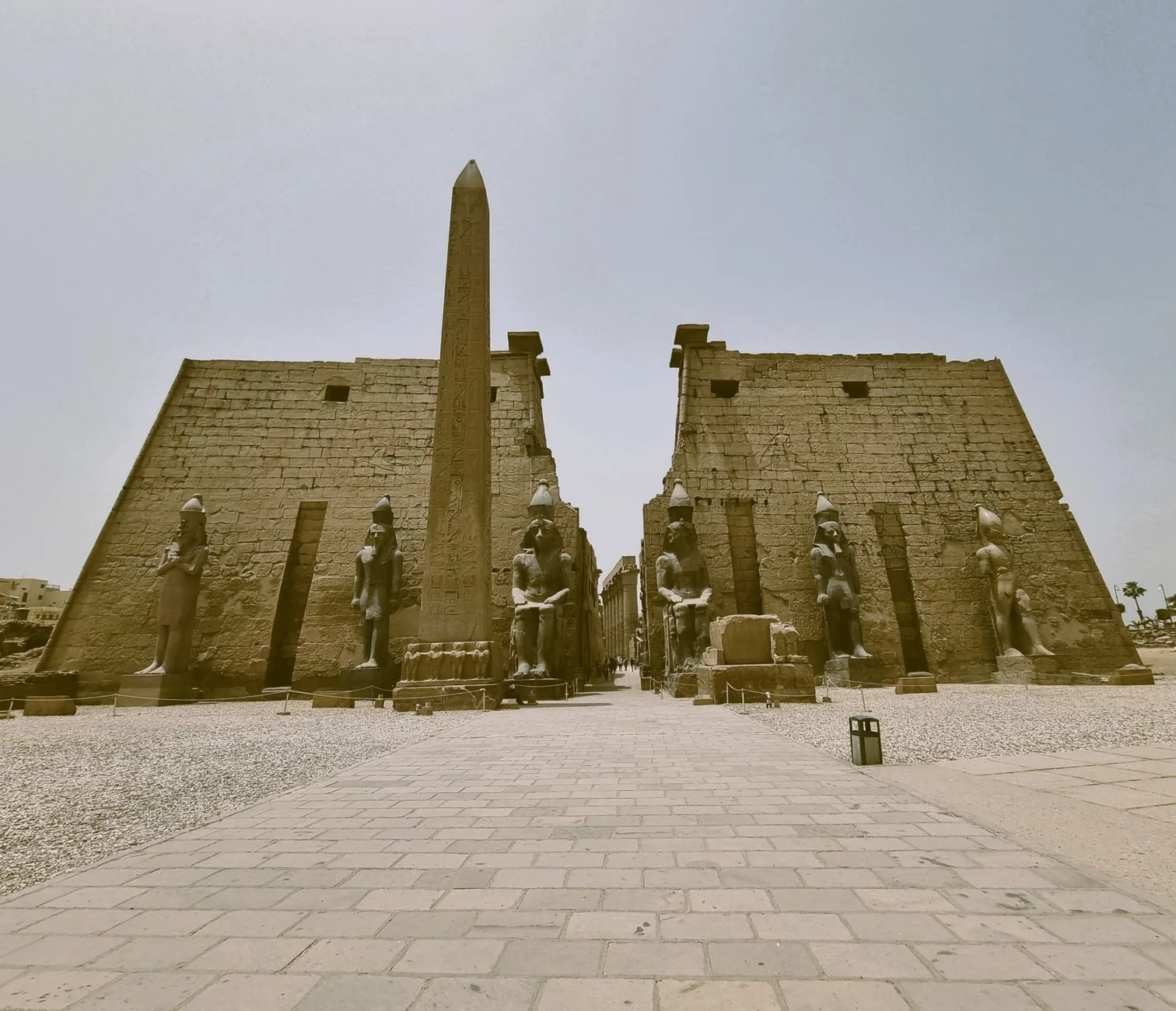
Luxor
Luxor has a very dry desert climate. Summer afternoons are intensely hot, while winter brings warm sightseeing days and cool nights. Sun protection matters even when a morning calls for a jacket.
Open city guideBefore you zip the bag
Plan around heat and shade
- Carry water, a sun hat and sunscreen for exposed archaeological sites.
- Use breathable clothing and leave time for indoor breaks in hot weather.
Dress for the outing
- Pack comfortable closed walking shoes and clothing that covers shoulders and knees for religious sites.
- Bring a warm layer for winter evenings and a light layer for air-conditioned interiors.
- Currency
- Egyptian pound (EGP)
- Plug types
- C / F · 220 VCheck your adapter →
- Emergency number
- 123 (ambulance), 180 (fire), 122 (police), 126 (tourist police)
FCDO — emergency services · UNFCCC — Egypt practical information · World Standards — Egypt electrical supply
Stay connected
Mobile data for your trip. Check what your current plan includes for roaming. If you need another option for maps, messages and booking details, compare NXTL eSIM coverage and rates. Check that your phone supports eSIM and is unlocked, and check coverage for every stop. Download important maps and confirmations for offline use too.
Useful reads for Egypt

Visiting the Bibliotheca Alexandrina: tours, tickets and exhibitions
Give the Bibliotheca its own visit instead of treating it as a roadside photograph. A library tour and one carefully chosen exhibition make a more satisfying plan than trying to cover every institution in the complex.
A first weekend in Alexandria: harbour, ruins and the Bibliotheca
Build two days around compact outings: the Eastern Harbour and Downtown first, then the Bibliotheca and a separate Roman-site visit. Stanley is an optional coastal finish, not a compulsory cross-city walk.
Kom el-Dikka: reading Alexandria’s Roman quarter
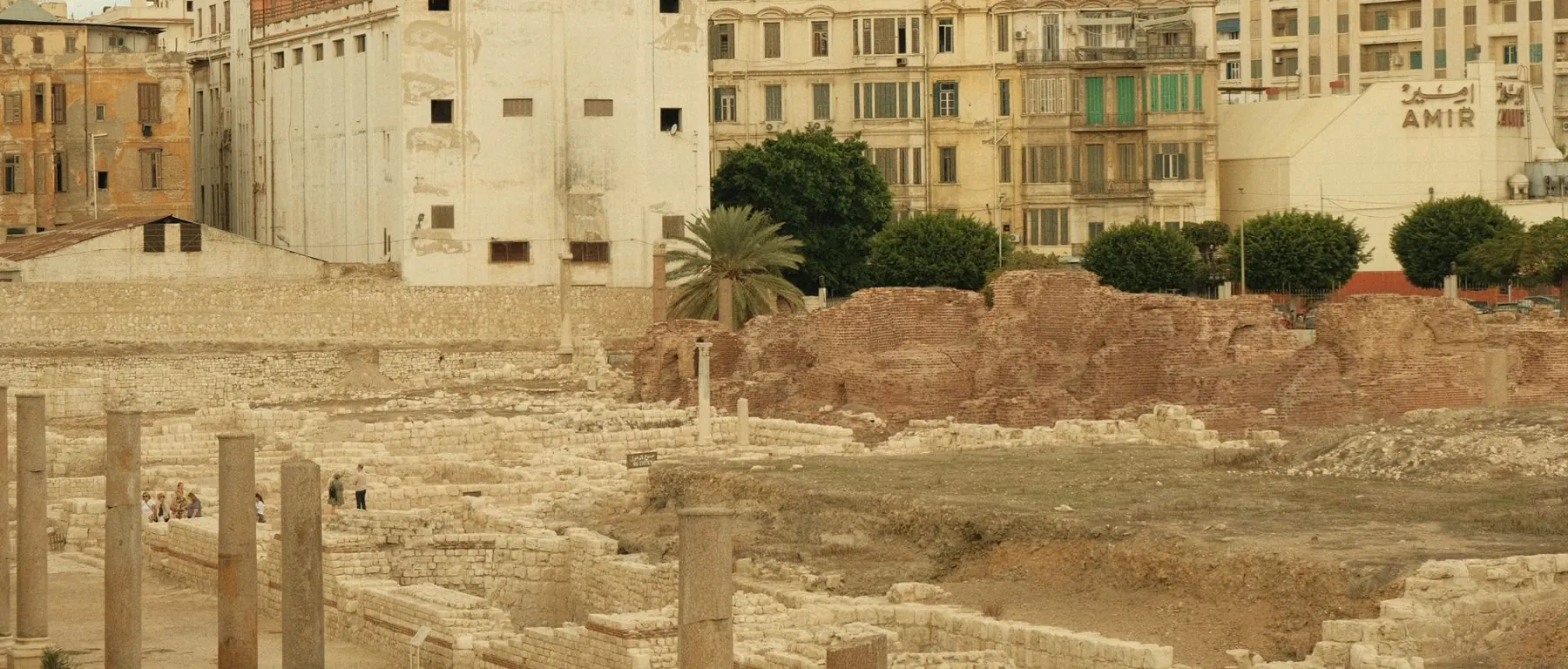
At Kom el-Dikka, look beyond the curved theatre seating. The remains of streets, baths and teaching spaces make this a compact introduction to the workings of a late Roman city.
Qaitbay Citadel and Alexandria’s Eastern Harbour
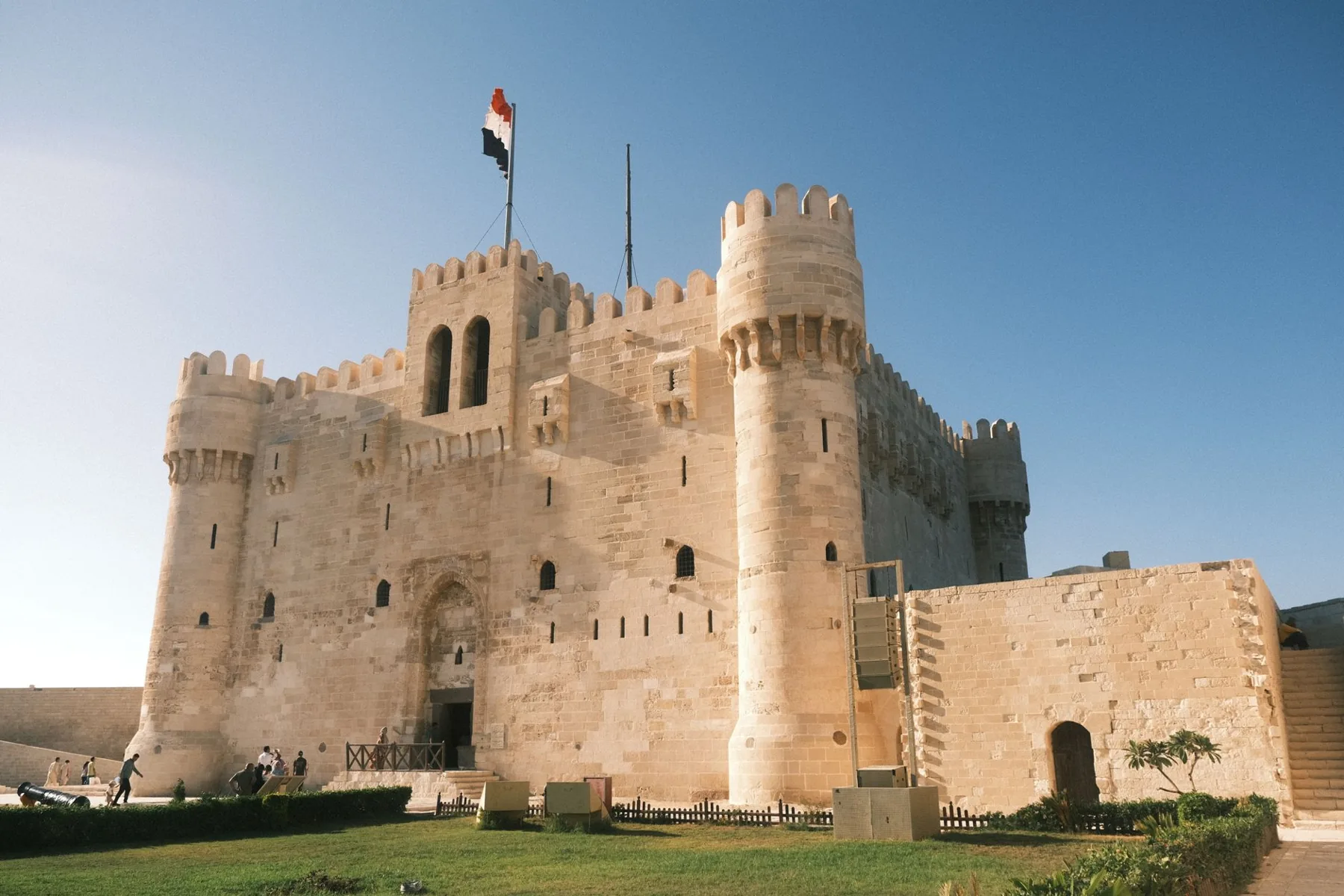
Use Qaitbay as a focused fortress visit, followed by a short harbour look. The defensive architecture and fishing-boat views are enough for an outing without adding every waterfront sight.
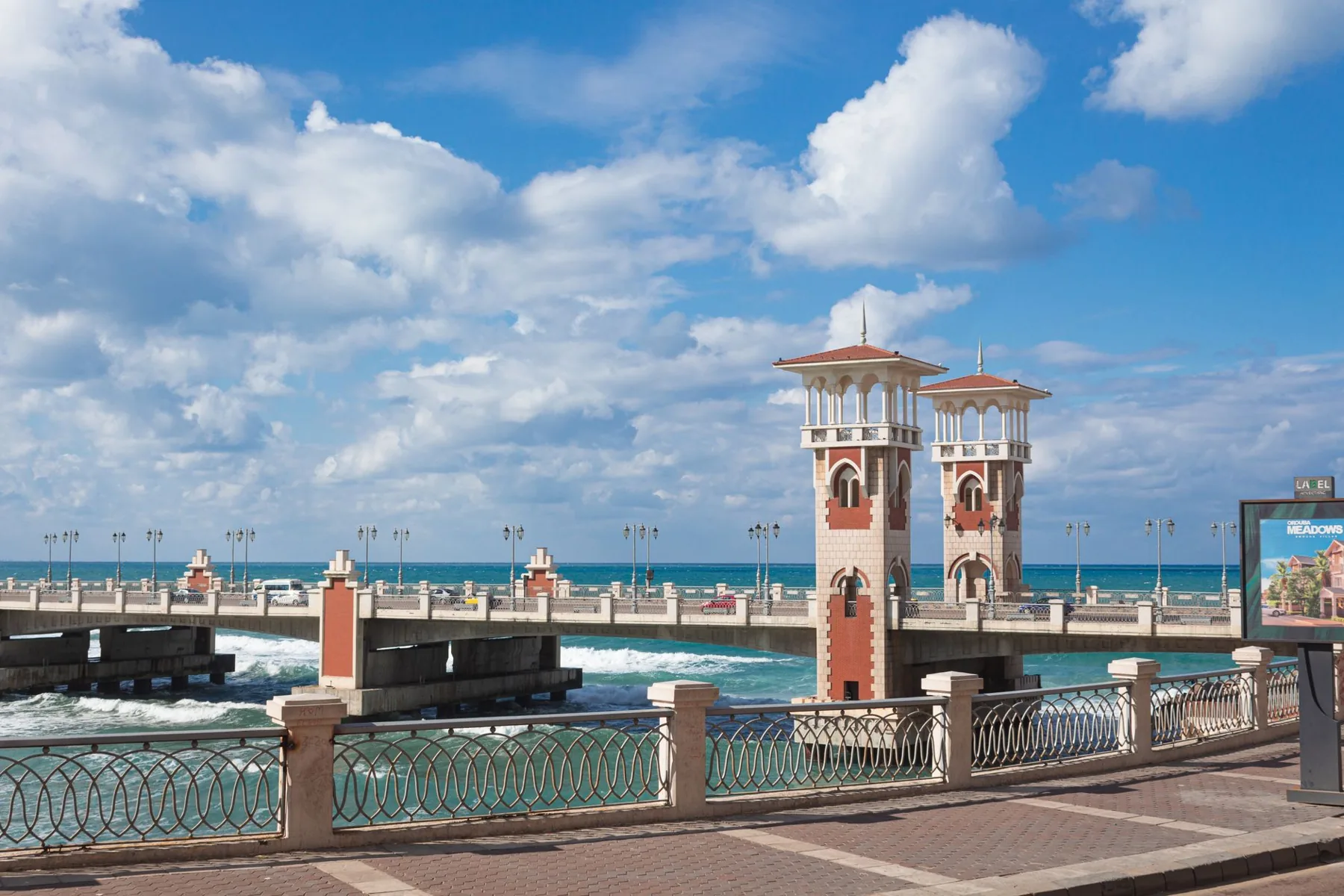
Stanley Bridge: a short Alexandria coastal outing
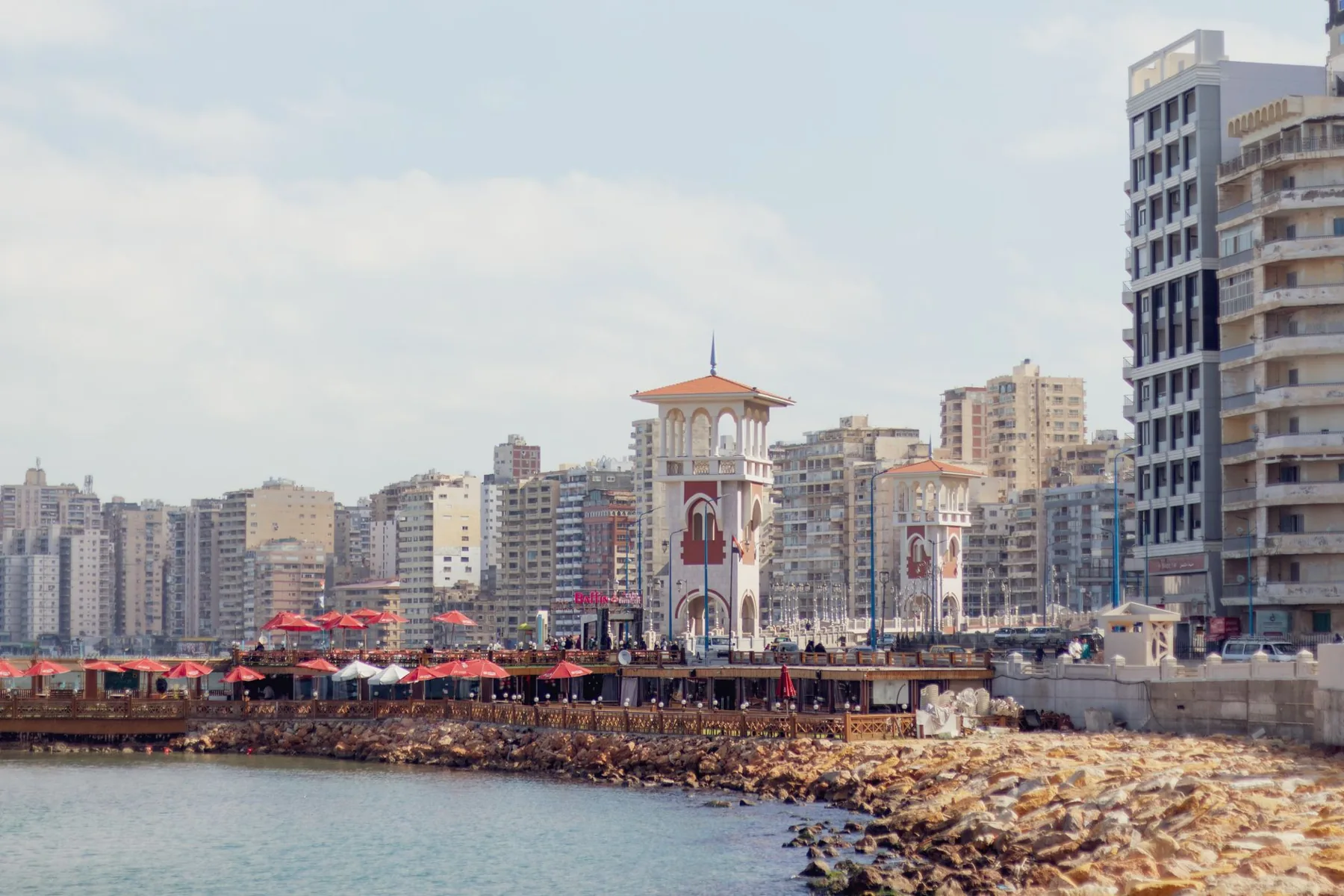
Stanley works best as a short visit to one bay, with a bridge crossing and a pause for the Mediterranean view. Travel here separately from the Eastern Harbour instead of trying to walk the whole Corniche.
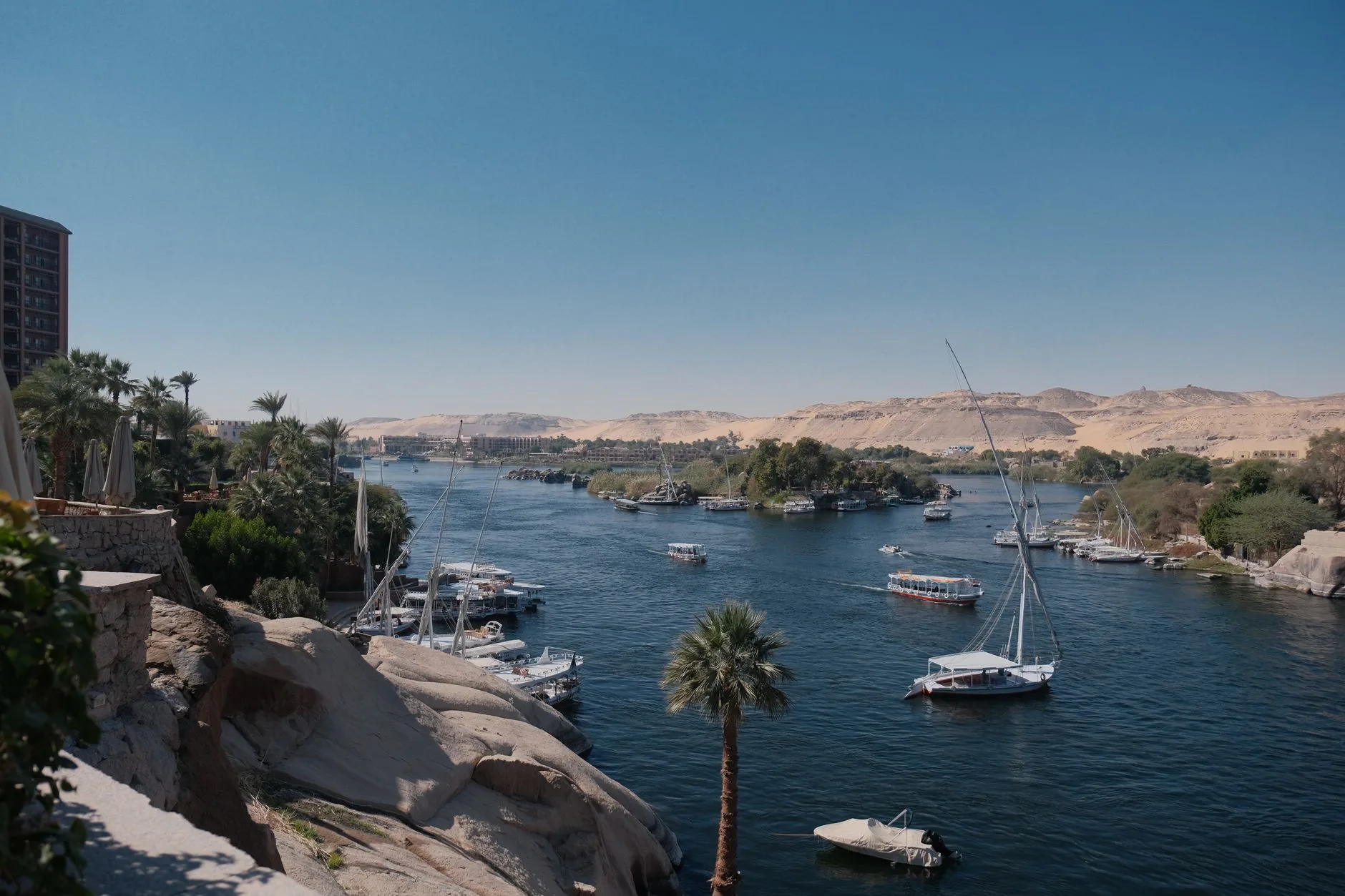
A first weekend in Aswan: Philae, Elephantine and Nubian history
Give Aswan two different days: one for an island temple and the granite quarry, another for Nubian history and Elephantine’s river-facing lanes. Leave room for lunch and a proper pause from the heat.
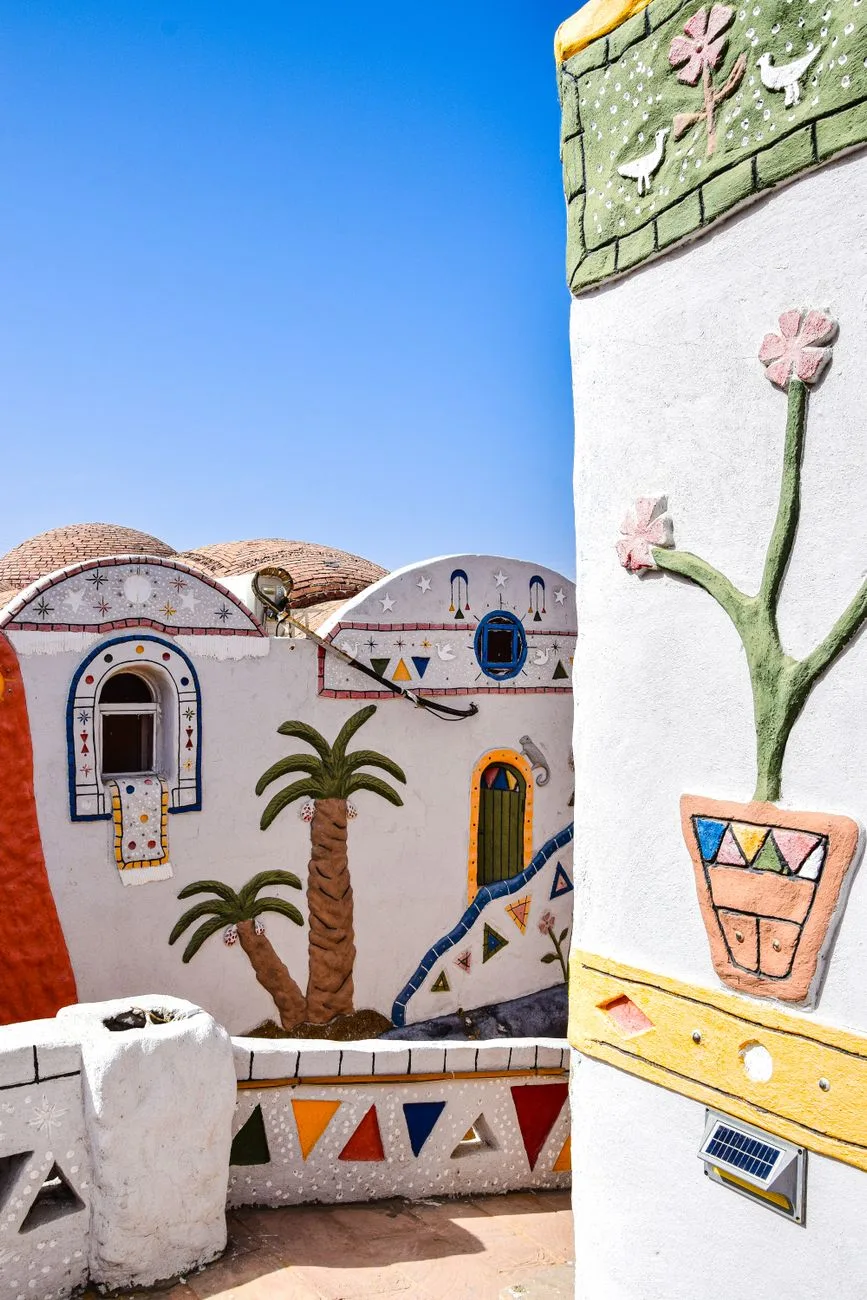
Nubian Aswan: the museum, Elephantine and a village alternative
Start with the Nubia Museum, then choose Elephantine’s lanes or a separate outing to Gharb Soheil. Painted houses, craft stalls and a riverside meal work best with time to talk and permission before photographs.
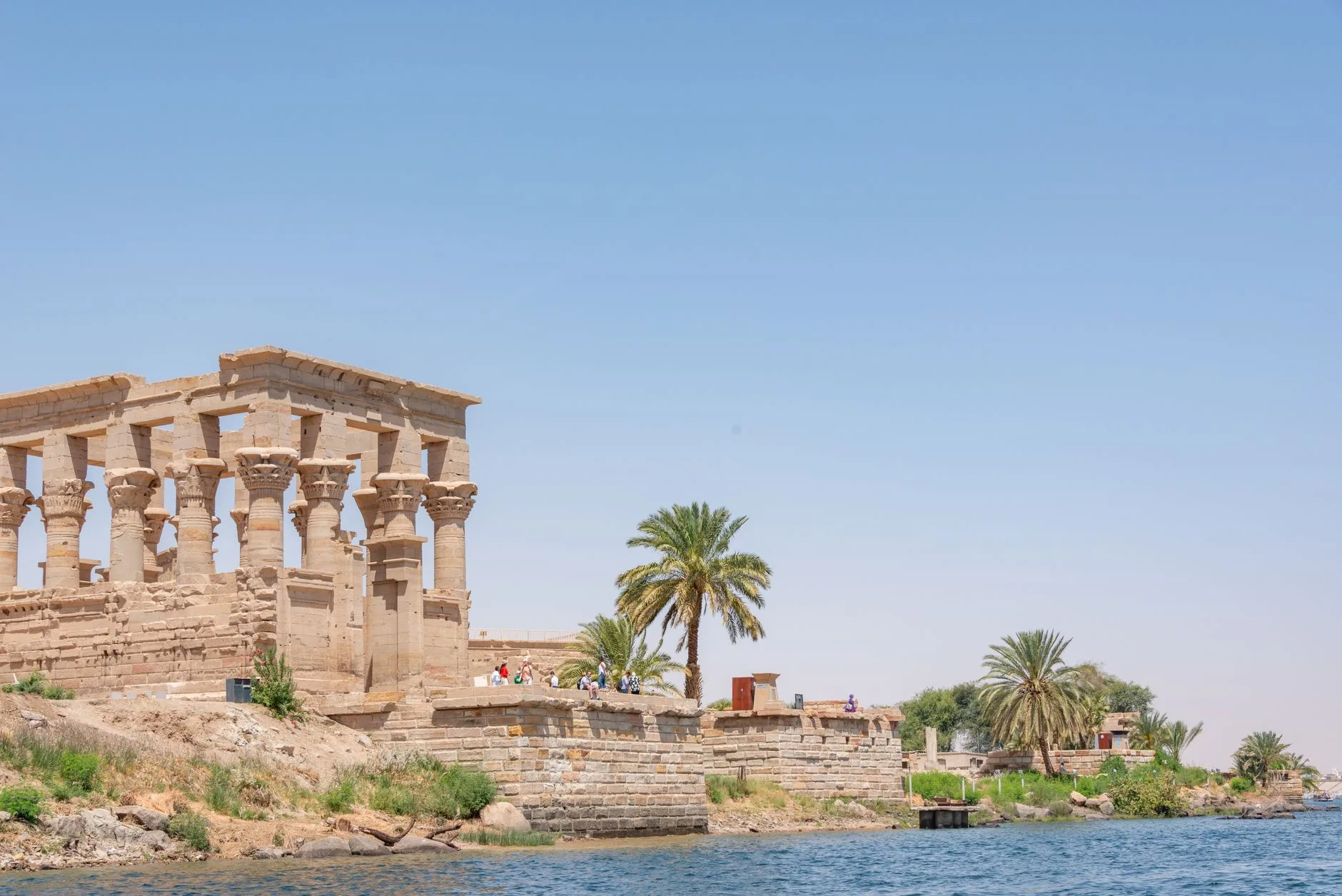
Philae Temple: an island route from Isis to Trajan’s Kiosk
Approach Philae by boat, follow the Temple of Isis through its gateways and court, then pause beside Trajan’s Kiosk. Keep the crossing, admission and optional evening show separate when planning.
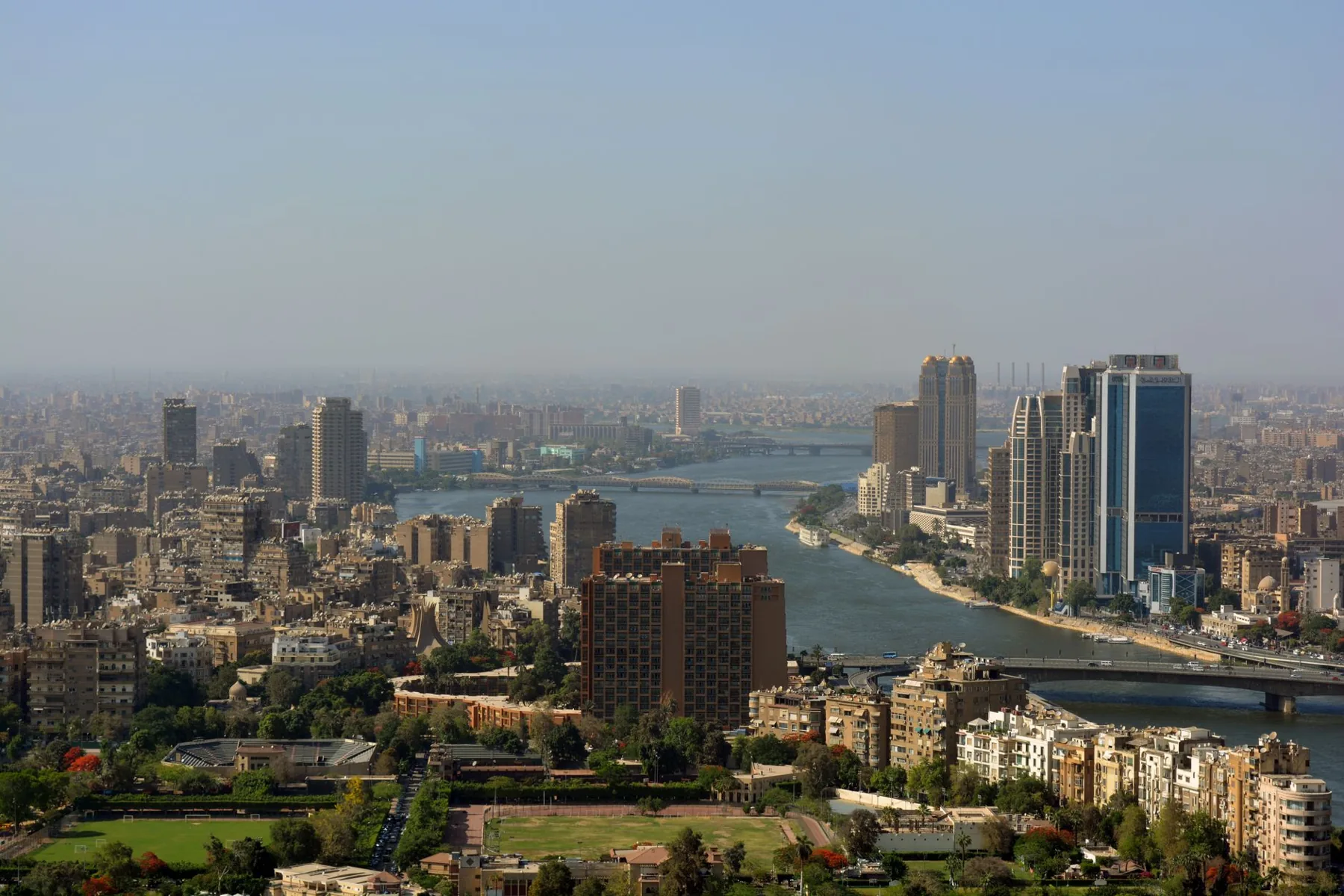
A first weekend in Cairo: museums, mosques and market lanes
Give Cairo two focused days: an Egyptian Museum and Downtown outing, then a historic-mosque visit with an optional Khan el-Khalili finish. Leave the Giza plateau and Grand Egyptian Museum for extra time.
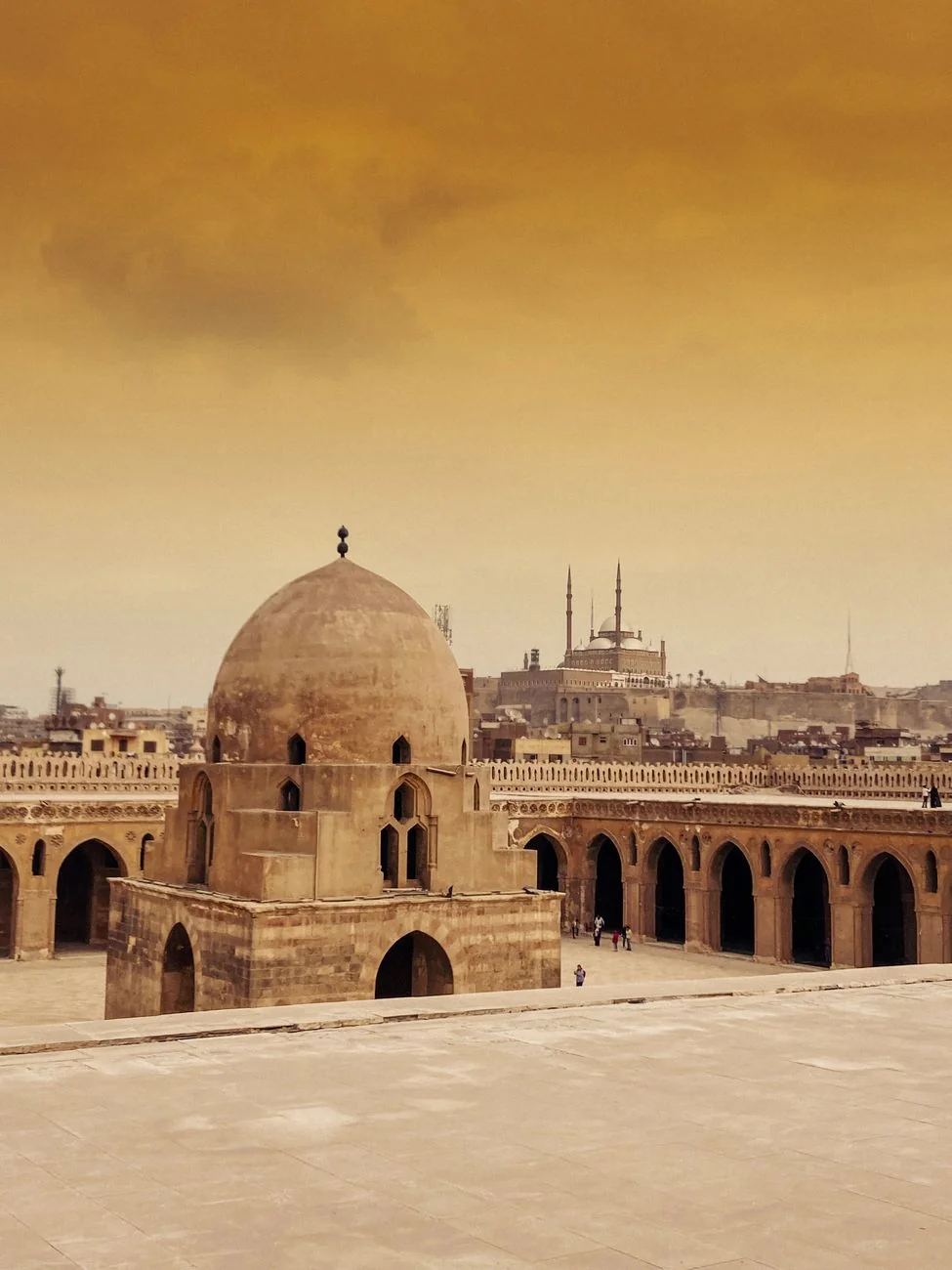
Ibn Tulun and Gayer-Anderson: a courtyard and historic houses
Pair Ibn Tulun’s broad courtyard with the neighbouring Gayer-Anderson Museum for a focused look at Cairo’s architecture and domestic interiors. Keep the mosque and museum as separate visits with separate access checks.
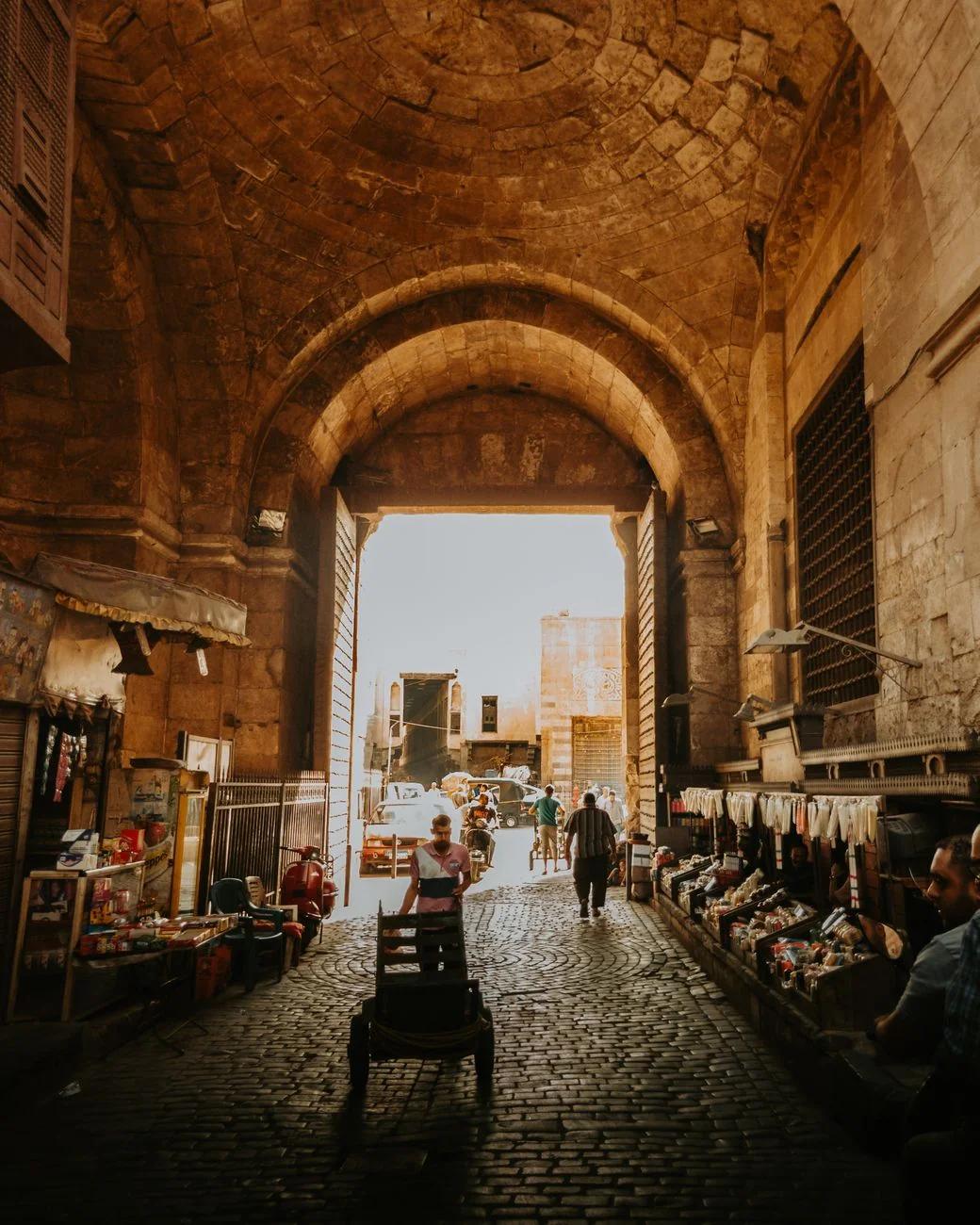
Khan el-Khalili: a short market walk with clear return anchors
Browse Cairo’s historic bazaar around Al Hussein, using the square and its stone gateways to keep the walk manageable. Look closely at metalwork and lamp stalls, then pause for tea instead of trying to cover every lane.
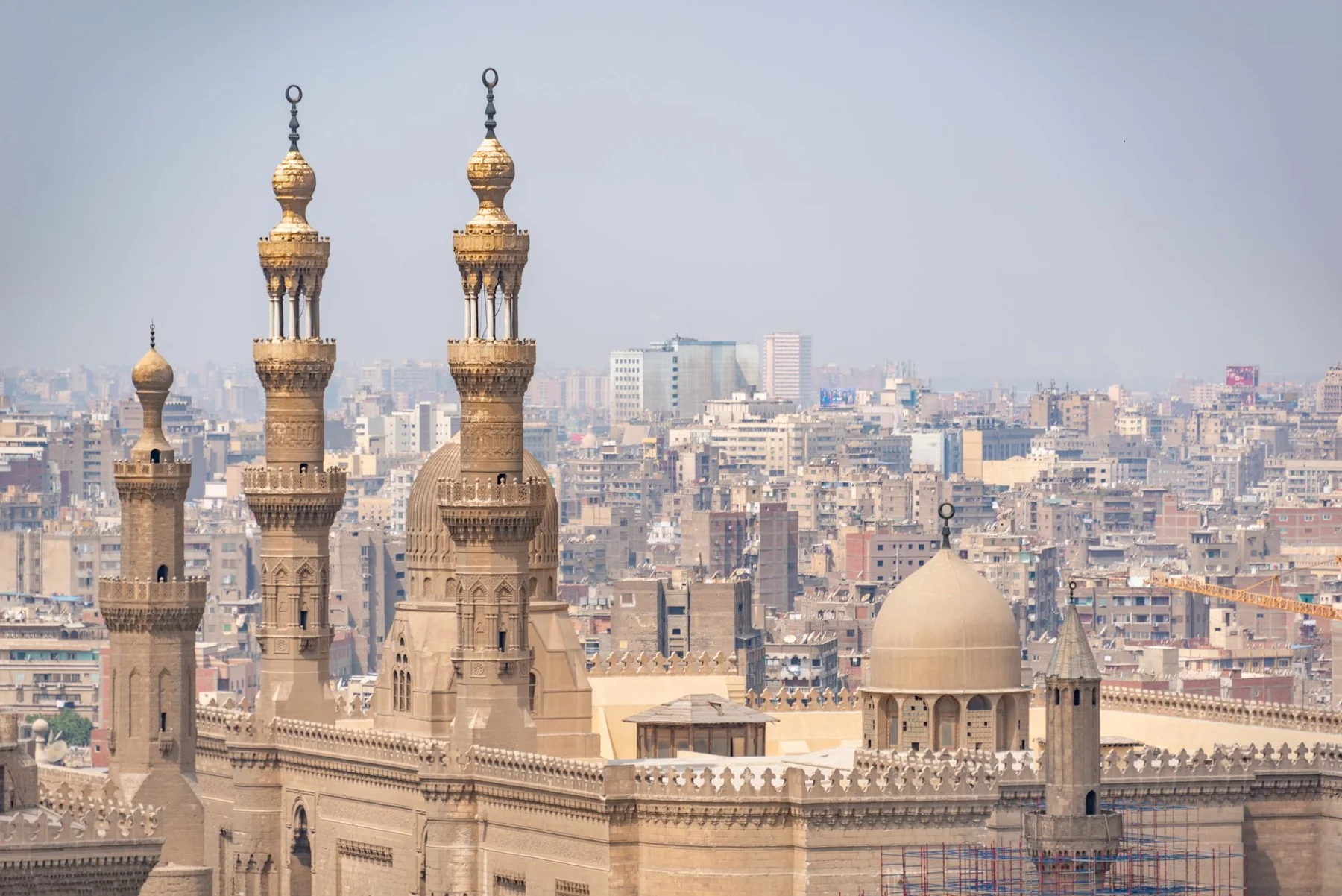
Sultan Hasan and Al-Rifa’i: two neighbouring Cairo mosques
Explore the two great mosques below the Citadel without turning the visit into a rushed monument circuit. Focus on Sultan Hasan’s courtyard, then compare Al-Rifa’i next door and leave the hilltop Citadel optional.
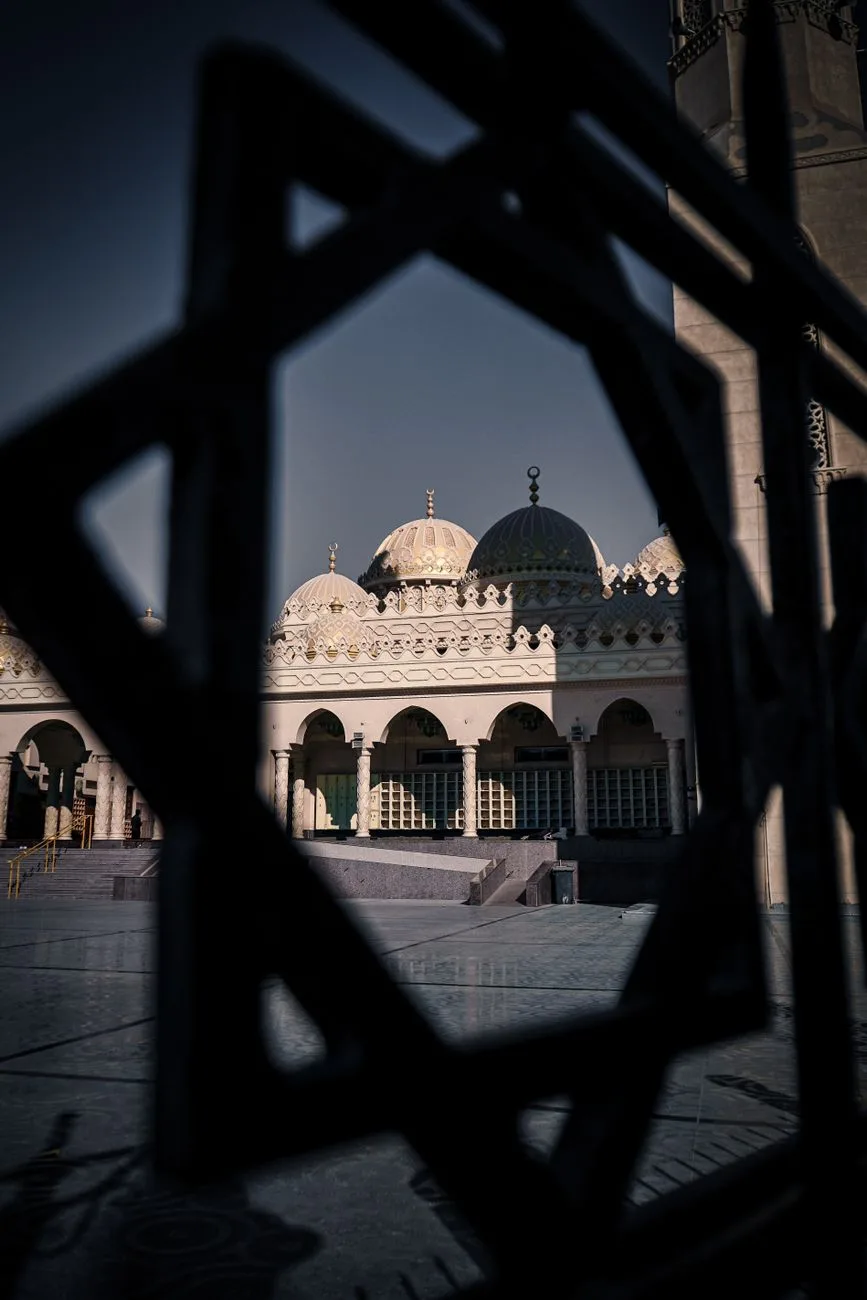
El Mina, the fish market and Hurghada Marina: a harbour walk
Link El Mina Mosque’s domes, the working fish-market district and Hurghada Marina in one easygoing outing. Add a seafood lunch and keep El Dahar for a separate journey.
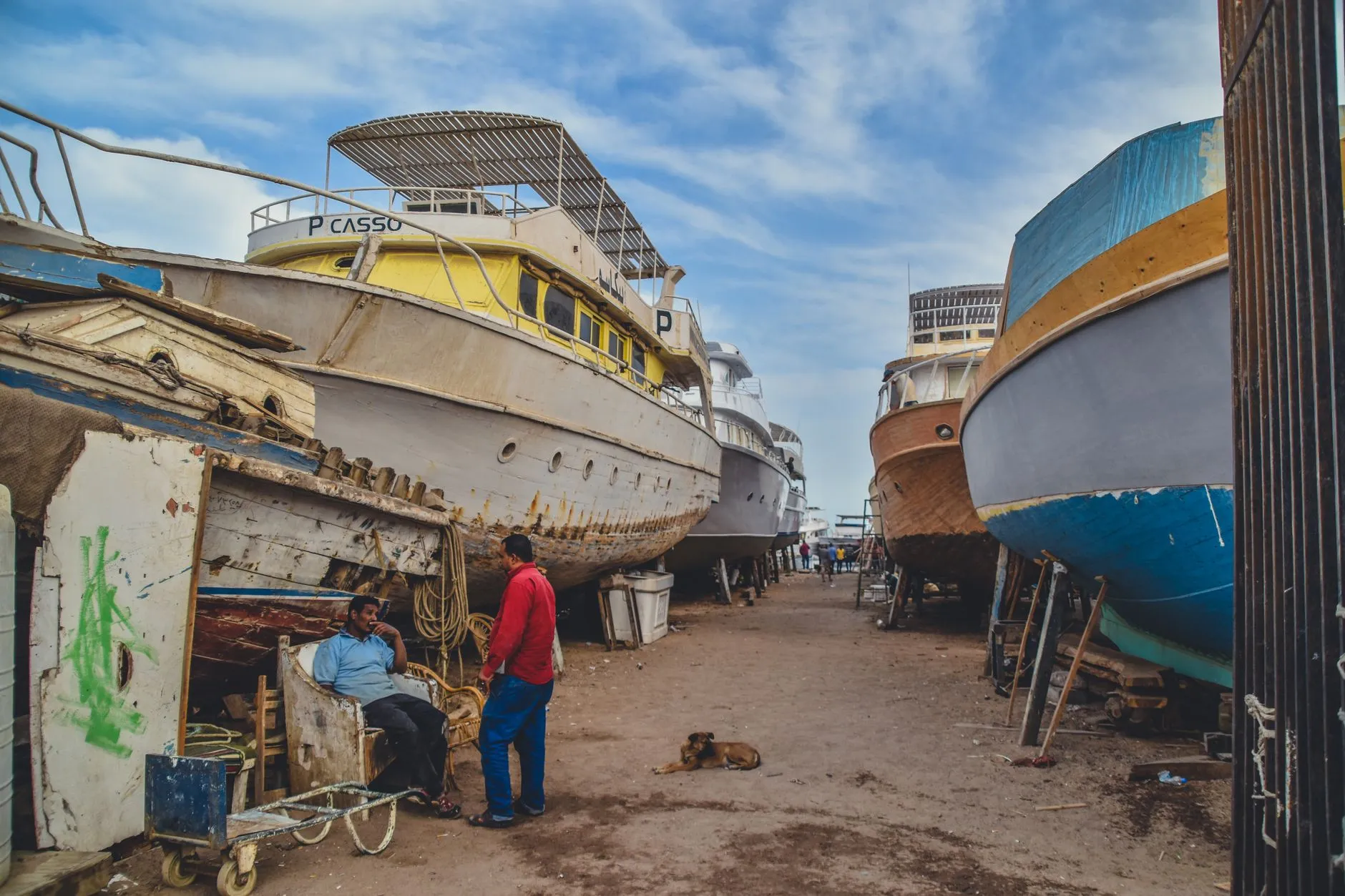
A first weekend in Hurghada: harbour streets and a Red Sea day
Give Hurghada’s working harbour and marina one day, then choose a full Giftun boat outing or a quieter museum-and-beach day. Keep the long coastal distances out of your walking plan.
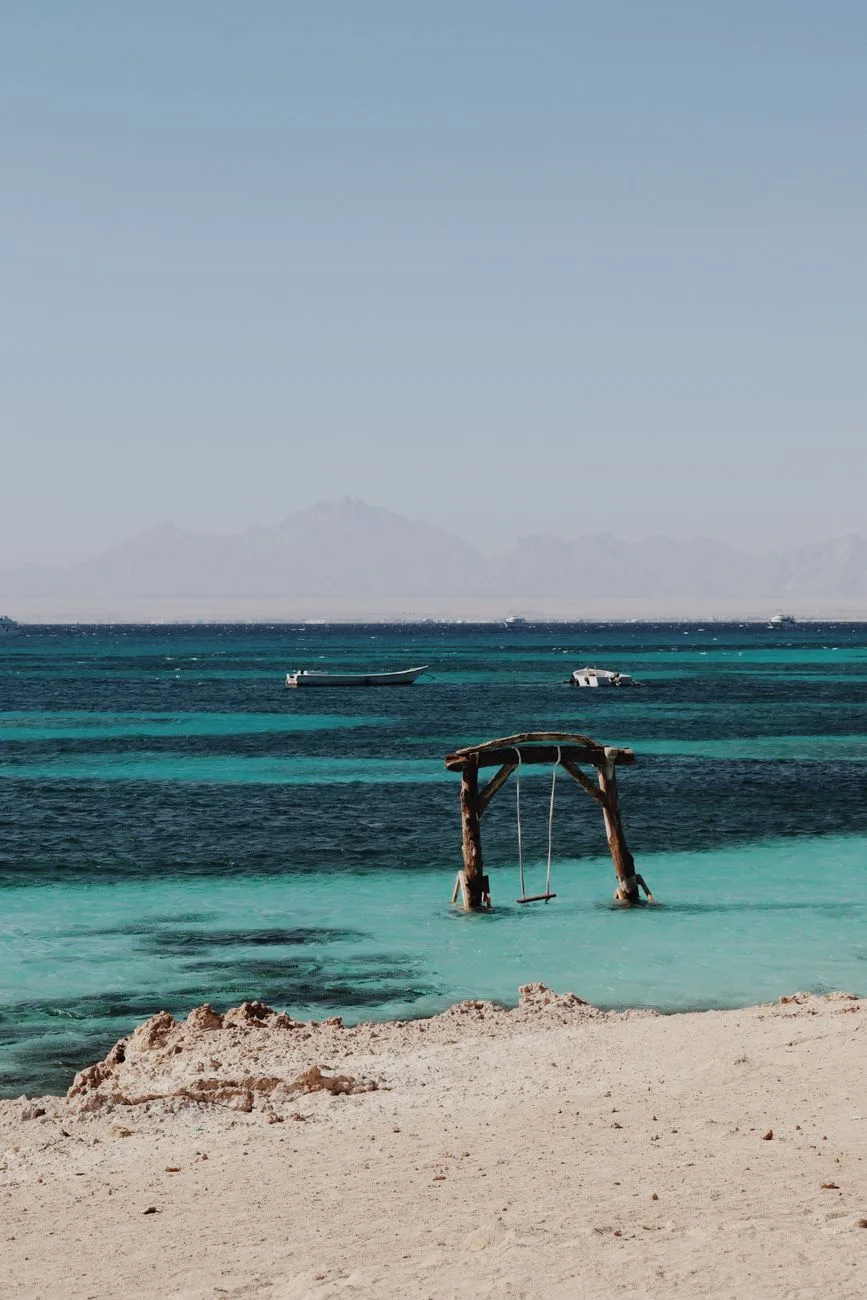
A Hurghada boat day: Giftun, Orange Bay and reef stops
Choose a Giftun outing around the actual beach stop, snorkelling plan and hotel transfer. Orange Bay is an island beach destination, while reef time happens at separate stops on the boat route.
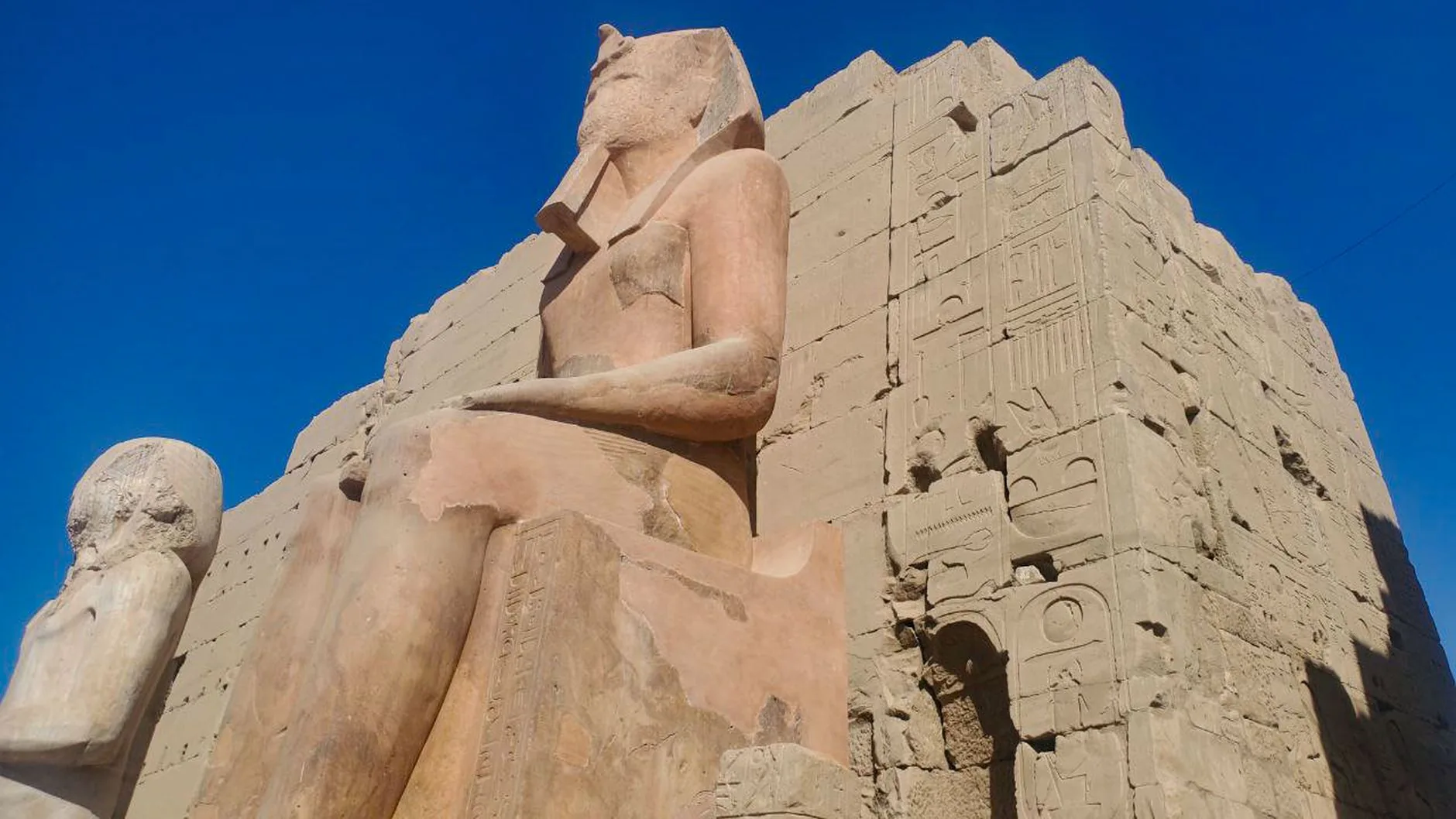
A first weekend in Luxor: temples on both banks
Give Luxor a bank of the Nile each day. This independent weekend plan keeps Karnak and Luxor Temple together on the east, then uses arranged transport for a shorter West Bank circuit with a proper break afterwards.
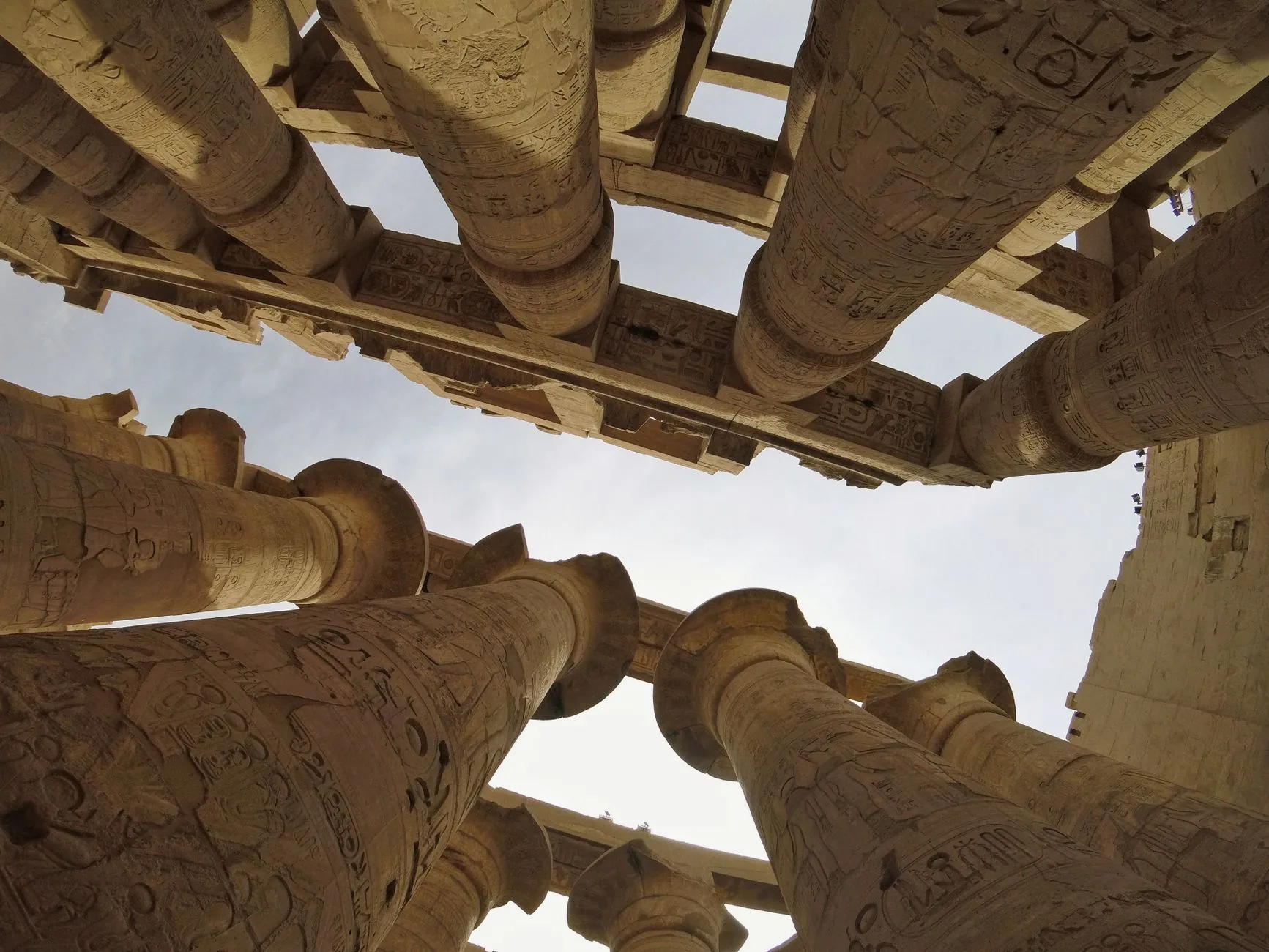
Karnak Temple: columns, an obelisk and the Sacred Lake
Karnak is easier to enjoy with a few clear anchors. Follow the central temple axis to the Great Hypostyle Hall, pause at Hatshepsut’s obelisk and finish by the Sacred Lake rather than treating every gate as another required stop.
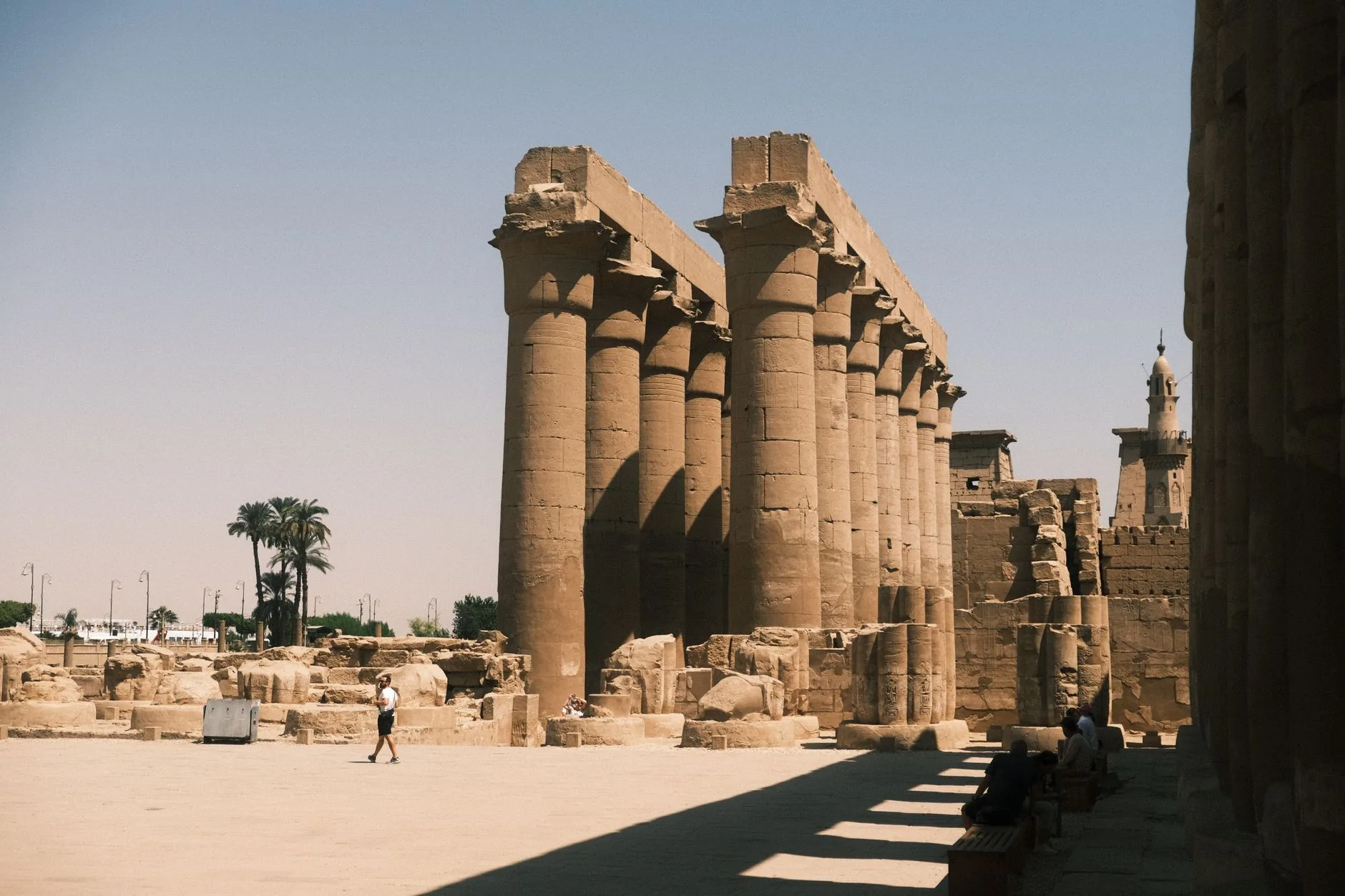
Luxor Temple and a short Corniche walk
Luxor Temple makes a compact outing beside the Nile, with a surviving obelisk, colossal statues and a colonnade that rewards a slow visit. Keep the Corniche walk short and leave time for a meal in the nearby East Bank streets.