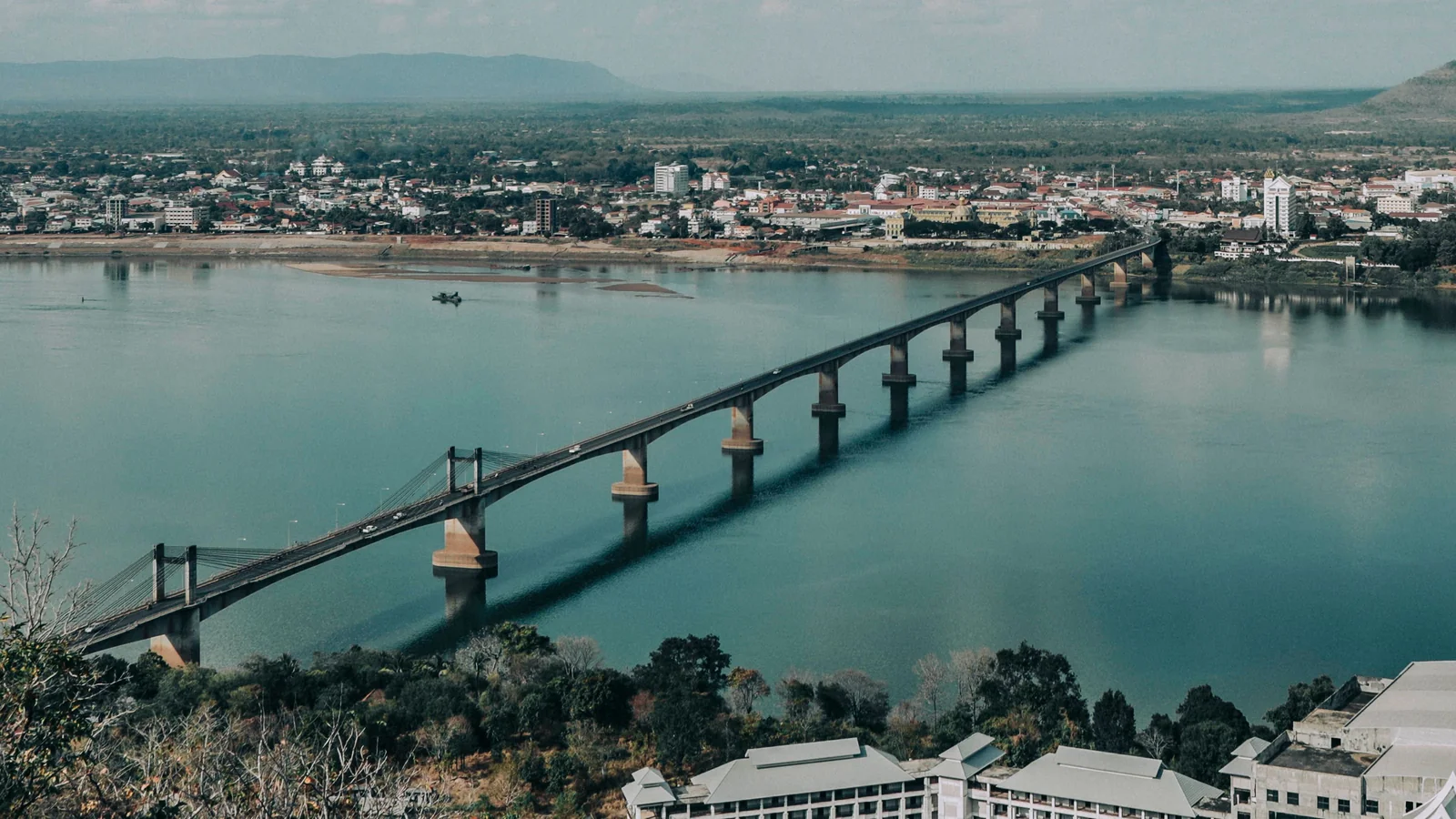
The Lao–Japanese Bridge crosses the Mekong towards the city of Pakse.
Laos · Destination guide
Pakse, Laos
CurrencyLao kip (LAK)
Plug typesA, B, C, E, F · 230 VCheck adapter →
Time zoneAsia/Vientiane (UTC+7)
Emergency numberPolice 1191; ambulance 1195; fire 1190
Destination guide

A first look at Pakse

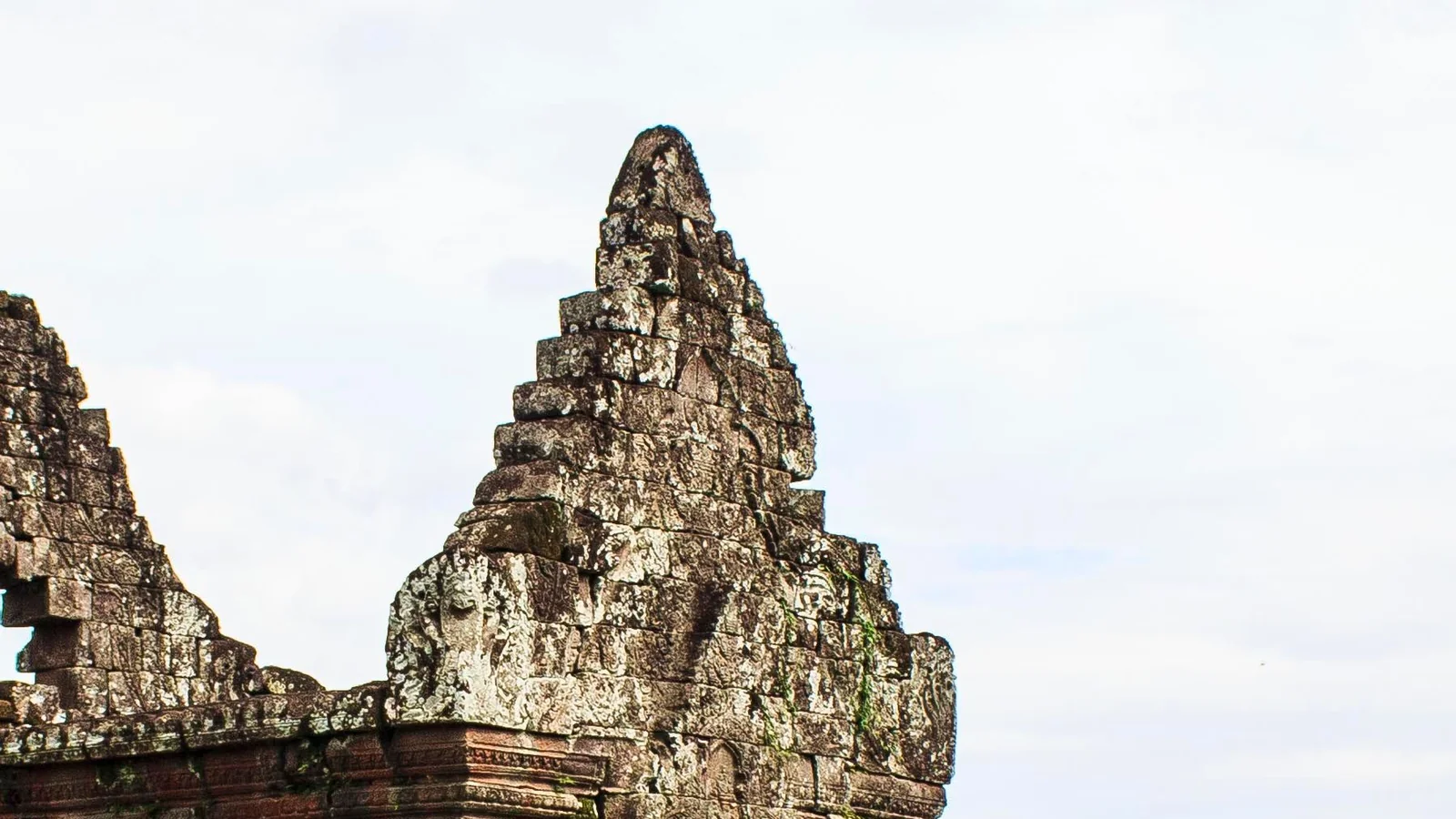
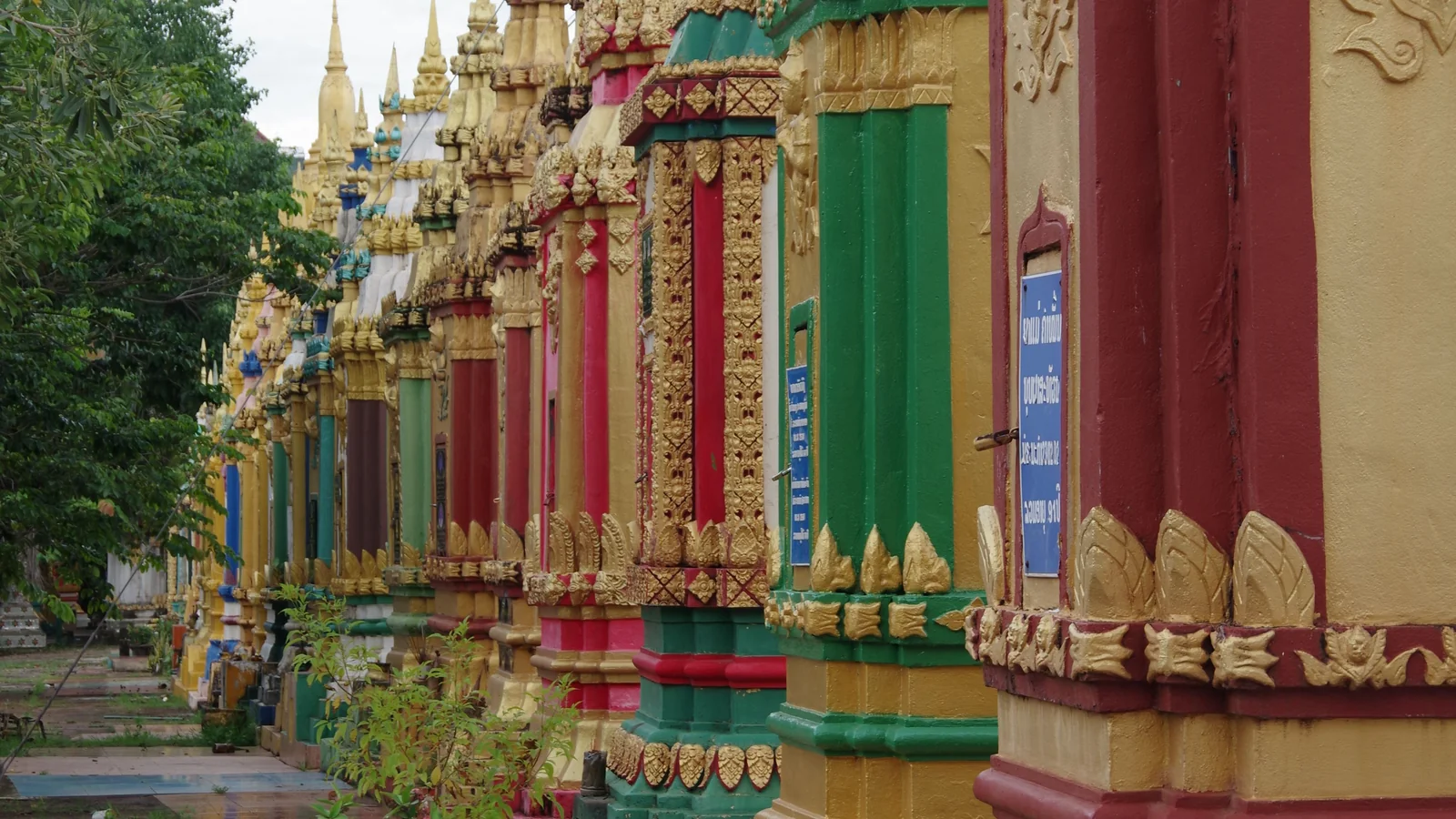
Begin with Wat Luang beside the Xe Don, then take a coffee and meal break at Café Sinouk in Ban Lakmuang. Wat Phabad adds a different view of temple life, with colourful funerary stupas along its edge. For a broader panorama, arrange a return ride across the Mekong to Wat Phou Salao and look back over the Lao–Japanese Bridge. Keep Vat Phou near Champasak as a separate heritage outing: its causeway, palace buildings and hillside sanctuary deserve an unhurried visit. The Bolaven Plateau lies in another direction and works better as its own waterfall-and-coffee day than an extra stop squeezed into the city walk.

Explore our Pakse guides

Weather guide

Weather in Pakse

November–February usually offers drier conditions for temple and city walks, though afternoons remain hot. March–April needs earlier starts and shade. May–October brings rain and flexible road and waterfall plans; carry a light layer for higher plateau outings even when Pakse feels warm.

29–33°C

Showers can linger as the wetter season eases.

October · representative month, not a forecast
Evenings
21–25°C
Rain
Frequent rain and showers
Daylight
Keep rural journeys and uneven temple steps in daylight; return before dark and leave exposed viewpoints during thunder.
See weather details →

What this means for packing

October in Pakse: Showers can linger as the wetter season eases. Use this example as a starting point. Download Packtricia for a detailed personal list and quantities tailored to your dates, trip length, weather, luggage, preferences and plans.

Choosing a season

The best-season badge suggests months for general sightseeing, using the typical daytime temperatures and rainfall in our monthly guides. Beach holidays, festivals, winter sports and northern lights trips may suit different dates.

Climate methodology

Weather2Travel’s Pakse table gives October long-term daytime maximum 31°C and nighttime minimum 23°C, processed from CRU, Met Office and KNMI data; its page does not specify the reference period. Packing bands add ±2°C to those averages and are not forecasts or extremes. JMA’s Pakse station table independently supports the broad drier winter and wetter May–October pattern. These are city-level conditions, not a climate estimate for the higher Bolaven Plateau; check the actual outing forecast.

Reviewed 2026-10-25

Weather2Travel — Pakse monthly climate averages and data provenance · Japan Meteorological Agency — Pakse monthly normals · UK government — Laos safety, roads and outdoor activities

About the climate in Pakse

November–February usually offers drier conditions for temple and city walks, though afternoons remain hot. March–April needs earlier starts and shade. May–October brings rain and flexible road and waterfall plans; carry a light layer for higher plateau outings even when Pakse feels warm.

Packing guide

What to wear in Pakse in August.

An example packing list for Pakse in August

Use this as a starting point and choose what suits your plans. Packtricia tailors your list and quantities to your trip length, weather and preferences.

Clothing

  • Underwear
  • Light socks
  • Sleepwear
  • Breathable tops
  • Lightweight trousers
  • Quick-drying shorts (for casual outings)
  • Shoulder- and knee-covering temple outfit
  • Walking shoes with secure grip
  • Sun hat
  • Lightweight rain shell
  • Light cardigan (for early starts, plateau outings or air conditioning)
  • Sandals (for relaxed meals, not steep temple steps)

Toiletries

  • Toothbrush
  • Toothpaste
  • Shampoo
  • Body wash
  • Deodorant
  • Sunscreen
  • Insect repellent
  • Personal hygiene products (if used)
  • Contact lens supplies (if used)

Essentials

  • Passport and entry documents
  • Visa approval (if applicable)
  • Digital immigration confirmation (if applicable)
  • Payment cards and Lao kip
  • Phone
  • Charging cable
  • Power bank
  • Plug adapter suited to your accommodation (if needed)
  • Prescription medication (if needed)
  • Water bottle
  • Sunglasses
  • Small secure day bag
  • Waterproof phone pouch
  • Offline accommodation and return-driver details
  • Dry bag (for wet-season or waterfall outings)
Monthly weather and packing notes

August in Pakse: Persistent humidity and frequent showers favour short outdoor stages. Use this example as a starting point. Download Packtricia for a detailed personal list and quantities tailored to your dates, trip length, weather, luggage, preferences and plans.

Daytime
28–32°C
Evenings
22–26°C
Rain
Frequent rain and showers
Daylight
Keep rural journeys and uneven temple steps in daylight; return before dark and leave exposed viewpoints during thunder.
Packing style
Breathable quick-drying clothes, secure footwear and a light rain shell.

Weather2Travel’s Pakse table gives August long-term daytime maximum 30°C and nighttime minimum 24°C, processed from CRU, Met Office and KNMI data; its page does not specify the reference period. Packing bands add ±2°C to those averages and are not forecasts or extremes. JMA’s Pakse station table independently supports the broad drier winter and wetter May–October pattern. These are city-level conditions, not a climate estimate for the higher Bolaven Plateau; check the actual outing forecast.

Outfit ideas for your outings

Wat Luang and Wat Phabad

  • Loose shoulder- and knee-covering clothes
  • Shoes that are easy to remove when required
  • Sun hat for the streets between stops

Vat Phou heritage outing

  • Secure shoes for uneven stone steps
  • Breathable covered outfit
  • Small bag leaving hands free

Optional Bolaven waterfall day

  • Quick-drying clothes
  • Light rain layer for showers or spray
  • Grippy shoes for signed visitor paths
  • Removable warmer layer for the plateau

What to leave behind

  • Heavy denim that takes a long time to dry after a shower.
  • Loose slides for Vat Phou stairs or wet waterfall paths.

Reviewed 2026-10-25

Weather2Travel — Pakse monthly climate averages and data provenance · Japan Meteorological Agency — Pakse monthly normals · UK government — Laos safety, roads and outdoor activities

Transport guide

Getting around Pakse

Use short walks around Wat Luang and Ban Lakmuang, watching for traffic and broken or missing pavements. For Dao Heuang Market, Wat Phou Salao or the airport, Green SM’s official Laos website provides app-download guidance; a Champasak accommodation operator also describes using it for Pakse transfers. Register before relying on a ride, enter the exact pickup and destination, inspect the quoted fare and payment choice, and wait for a confirmed driver. Check the vehicle and plate at pickup. This is a taxi booking service, not a route planner or bus-ticket app, and a return car at an out-of-town attraction is not guaranteed. Arrange a waiting driver for a hilltop, Vat Phou or Bolaven outing and agree stops, admissions, waiting time, payment and return pickup. Bolaven Tours’ mobile website accepts Pakse driver and excursion enquiries; confirm the final booking directly. Vat Phou Office describes shared songthaew departures from Dao Heuang Market or the southern station towards Champasak. Ask locally for the current departure point and return journey; a ride to Champasak is not automatically a ride to the temple. No current official Pakse city-bus ticket app or activation system was verified.

Check the operator’s current service notices and ticket instructions before travelling.

Entry guide

Entry information for Laos

Check visa eligibility and the rules for your actual arrival checkpoint before travelling. Pakse International Airport is included in Lao Immigration’s digital arrival and departure card scheme; complete the current official form as instructed and keep the confirmation available. The card does not replace a visa. If arriving by road from Thailand, verify the requirements for that specific crossing rather than assuming airport procedures apply. Use the official eVisa service to check eligible nationalities and accepted checkpoints, and keep your passport, approval and onward details accessible.

Entry information reviewed . Confirm requirements for your own passport and itinerary before travelling.

Language
Lao
Calling code
+856
Useful essentials for Pakse
  • Breathable tops and lightweight trousers
  • Shoulder- and knee-covering temple outfit
  • Walking shoes with secure grip
  • Sun hat and refillable water bottle
  • Rain cover and protected phone
  • Light layer (for plateau outings or air-conditioned transport)

Do you need a visa?

Check travel-document and visa requirements for your passport, destination and transit stops.

Check your requirements on TravelDoc

Use the checker as a starting point, then confirm requirements with the relevant government or embassy before travelling.

Things to do in Pakse

Find a guided walk or an attraction visit to fit around your plans in Pakse.

Stay connected

Mobile data for your trip. Check what your current plan includes for roaming. If you need another option for maps, messages and booking details, compare NXTL eSIM coverage and rates. Check that your phone supports eSIM and is unlocked, and check coverage for every stop. Download important maps and confirmations for offline use too.