

A little more prepared for England.
Explore England through different city outings: London’s river and museums, Bath’s Georgian streets, York’s walls, Oxford’s libraries and Brighton’s coast. Manchester adds canals and industrial stories; Liverpool brings the Mersey waterfront, Beatles history and football. Choose a city and month for practical outfits, seasonal weather and useful local suggestions.
Explore EnglandExplore England by city
Bath
Bath has cool winters and generally mild summers. Rain can interrupt sightseeing in any month; use removable layers rather than relying on a dry season. Beechen Cliff is a hillside station; sheltered streets by the Avon can feel different.
Open city guide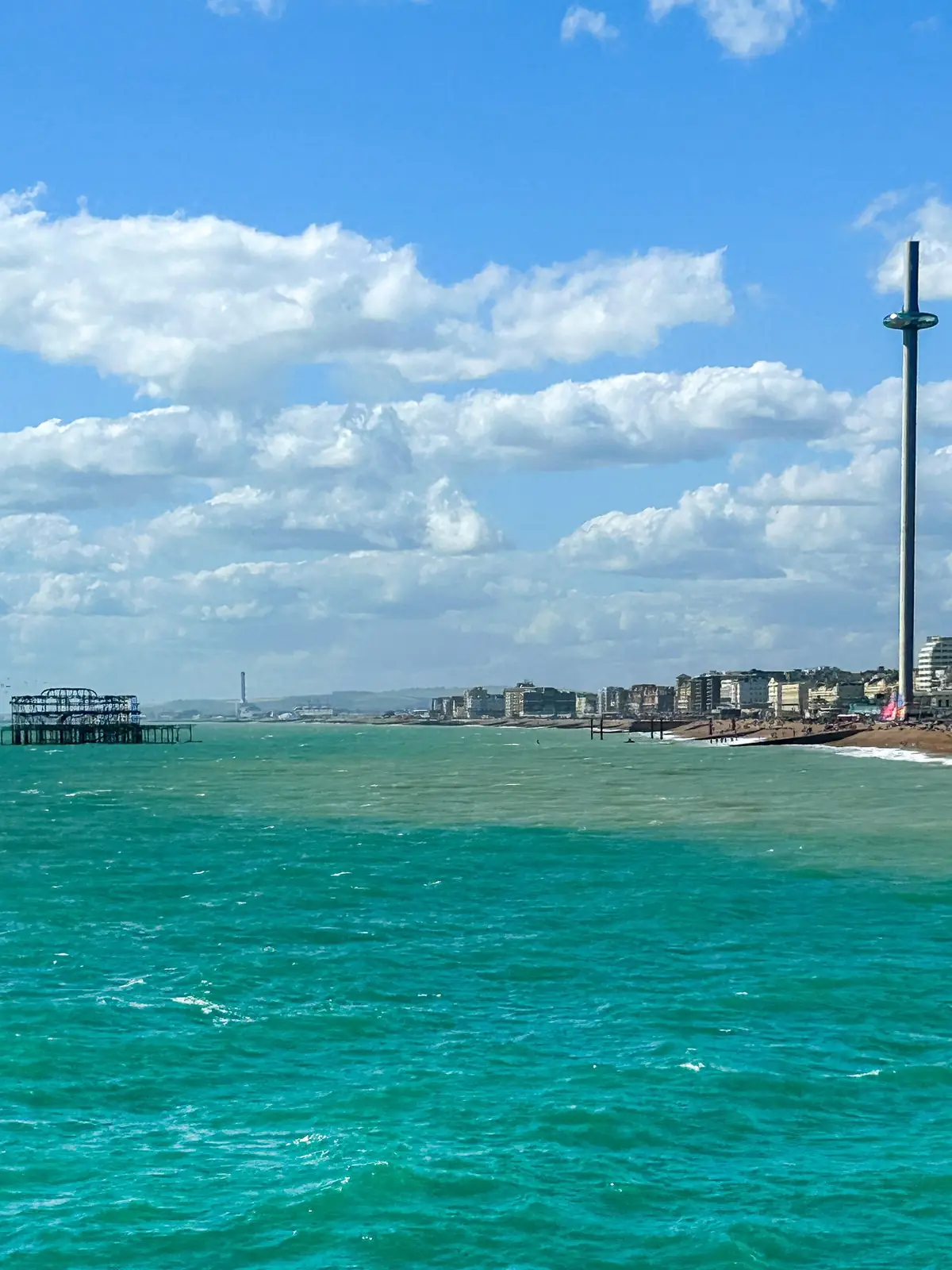
Brighton
Brighton has cool winters and generally mild summers. Rain can interrupt sightseeing in any month; use removable layers rather than relying on a dry season. Eastbourne is farther east along the Sussex coast, so its averages are a regional coastal proxy rather than Brighton measurements. Wind on the promenade and conditions on the South Downs require a separate forecast.
Open city guide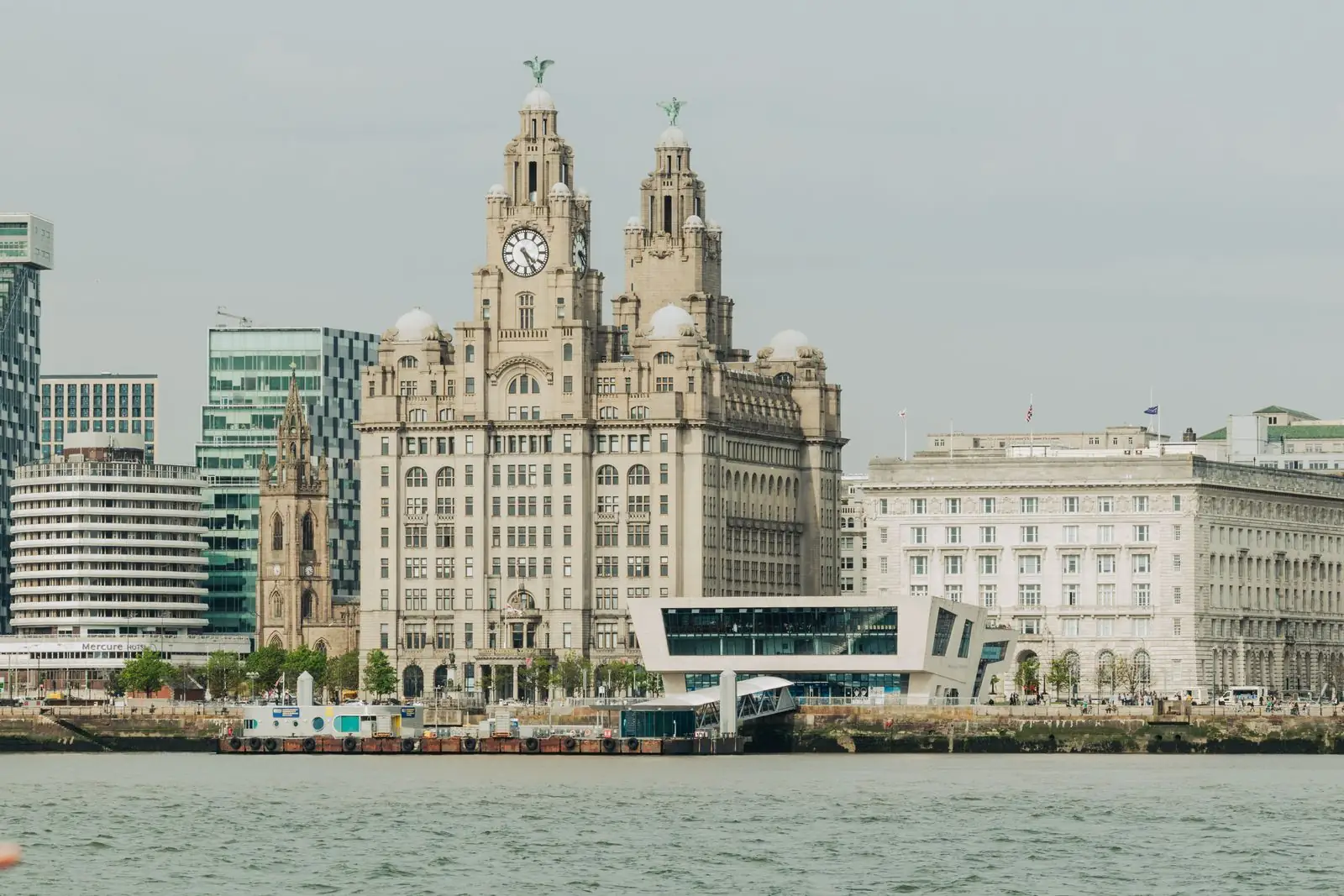
Liverpool
Liverpool has cool winters and generally mild summers, with rain possible throughout the year. Crosby’s 1991–2020 station averages are a nearby coastal reference, not measurements for every city neighbourhood. Wind off the Mersey can make a slow waterfront walk feel colder than the temperature suggests.
Open city guide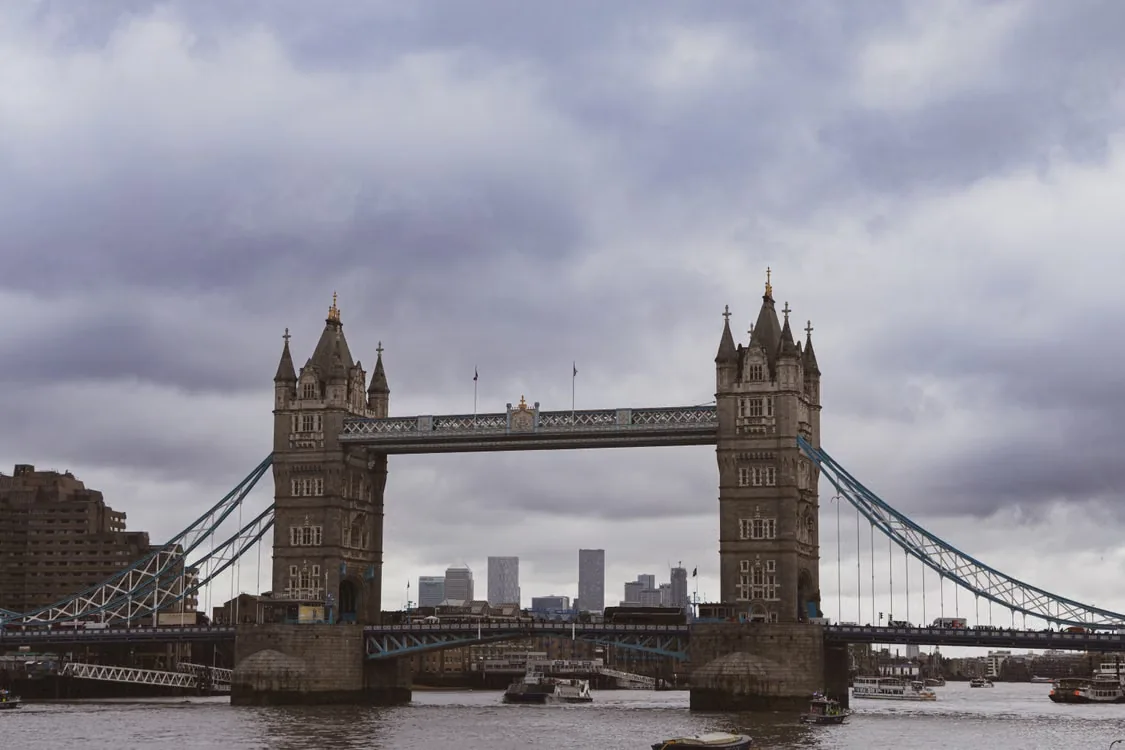
London
London has mild summers and cool winters, with rain possible throughout the year. Use removable layers and check the forecast before choosing your outerwear.
Open city guide
Manchester
Manchester has cool winters, mild summers and rain in every season. Woodford’s 1991–2020 averages provide a regional baseline outside the city centre; streets among tall buildings and exposed canals can feel different. A hooded rain layer and shoes that handle wet paving are useful throughout the year.
Open city guide
Oxford
Oxford has cool winters and generally mild summers. Rain can interrupt sightseeing in any month; use removable layers rather than relying on a dry season. Oxford station averages are a guide to city conditions. Open meadow paths can feel breezier than sheltered streets; use the forecast for river outings and any unusually hot or cold spell.
Open city guide
York
York has cool winters and generally mild summers. Rain can interrupt sightseeing in any month; use removable layers rather than relying on a dry season. Church Fenton is outside York, so these station averages are a regional guide rather than measurements for the walled city. The riverside and exposed walls can feel colder in wind.
Open city guideBefore you zip the bag
Street to museum, without changing outfits
- Choose walking shoes that still feel comfortable after several hours.
- Use removable layers for outdoor walks and heated indoor stops.
Keep the rain plan simple
- Choose a compact umbrella or rain shell that fits your day bag.
- Check whether you need a Type G adapter before departure.
- Currency
- Pound sterling (GBP)
- Plug types
- G · 230 VCheck your adapter →
- Emergency number
- 999 or 112
Plug types and voltage by country · United Kingdom visitor information
Stay connected
Mobile data for your trip. Check what your current plan includes for roaming. If you need another option for maps, messages and booking details, compare NXTL eSIM coverage and rates. Check that your phone supports eSIM and is unlocked, and check coverage for every stop. Download important maps and confirmations for offline use too.
Useful reads for England

A first weekend in Bath: Roman history and Georgian streets
Split a Bath weekend between the Roman Baths and Abbey area on day one and Georgian architecture on day two. Keep the river and Holburne Museum as flexible additions, with a proper lunch break each day.
A Georgian Bath walk from Queen Square to the Royal Crescent
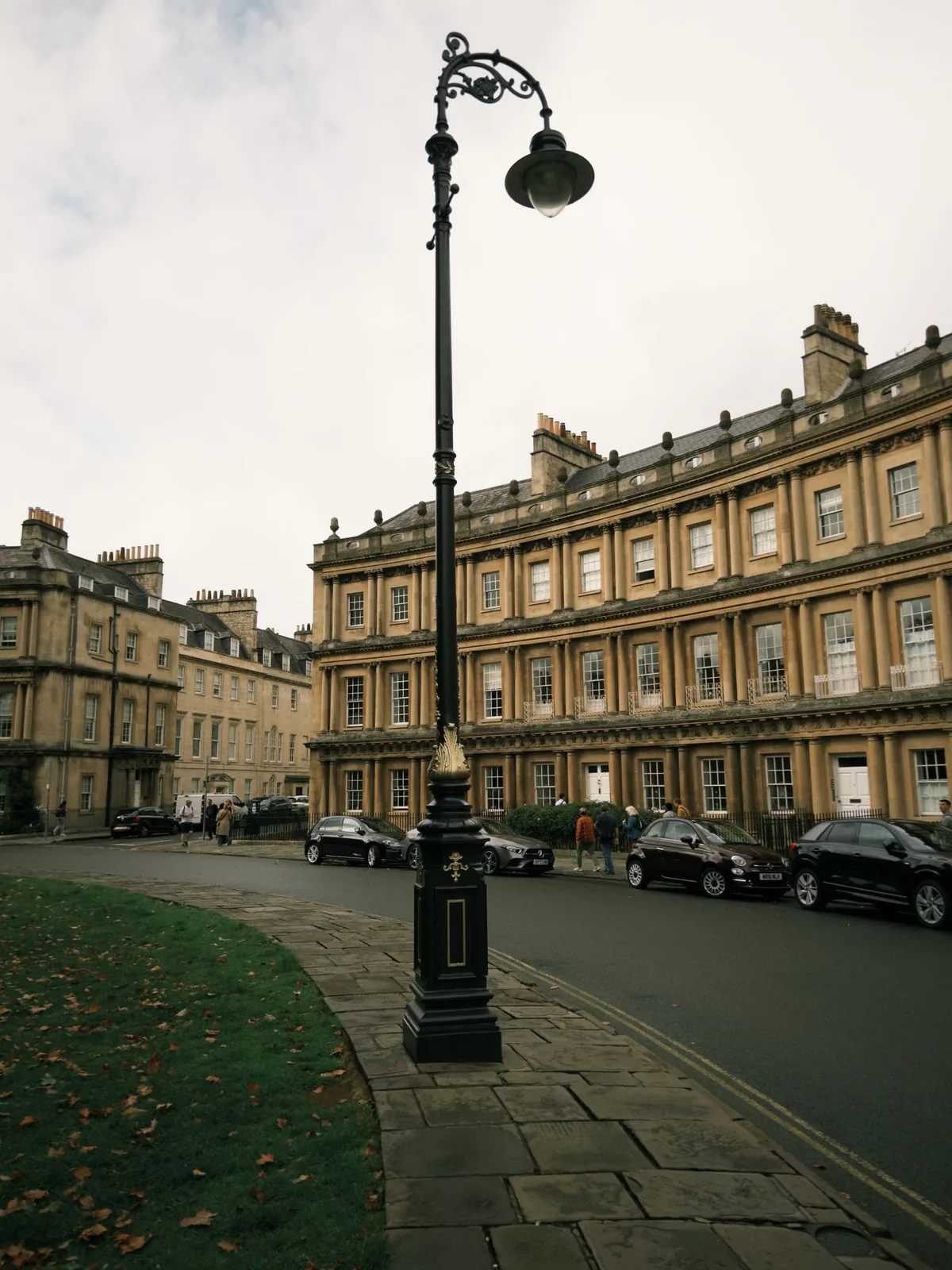
Link Queen Square, the Circus and Royal Crescent in one walk with an optional historic-house visit. The route goes uphill, but you can shorten it at the Crescent and leave the return flexible.

Pulteney Bridge to the Holburne: a Bath river and art walk
Start with the Avon and Pulteney Bridge, then follow Great Pulteney Street towards the Holburne Museum and Sydney Gardens. Choose whether the day is about exterior architecture, an art visit or both.

A rainy day in Bath: choose two interiors that fit together
A wet Bath day can still feel varied if you pair archaeology with art or a Georgian house. Choose a small number of interiors, check their tickets and leave room for lunch between them.

Before booking the Roman Baths: what to see and what the ticket means
Visit the Roman Baths for archaeology, ancient objects and the surviving bathing complex. This is different from booking a modern spa session, and it works best as the main visit of a relaxed Abbey-area morning.
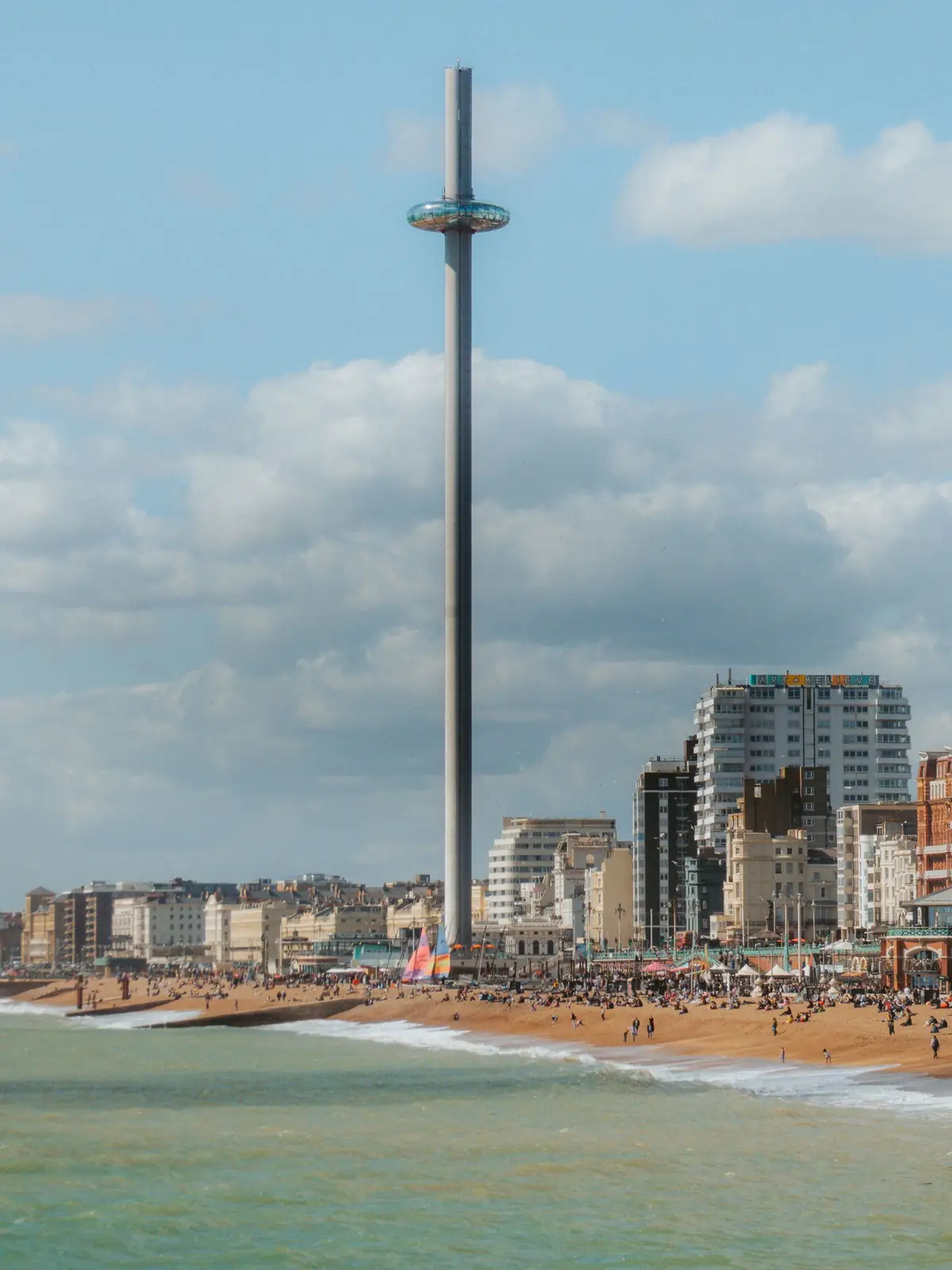
Brighton i360: when the view is worth booking
The i360 makes most sense when you want an elevated coastal view and have weather flexibility. Build it into a seafront day, then check the exact ticket rather than assuming every option includes the same arrival rules or extras.
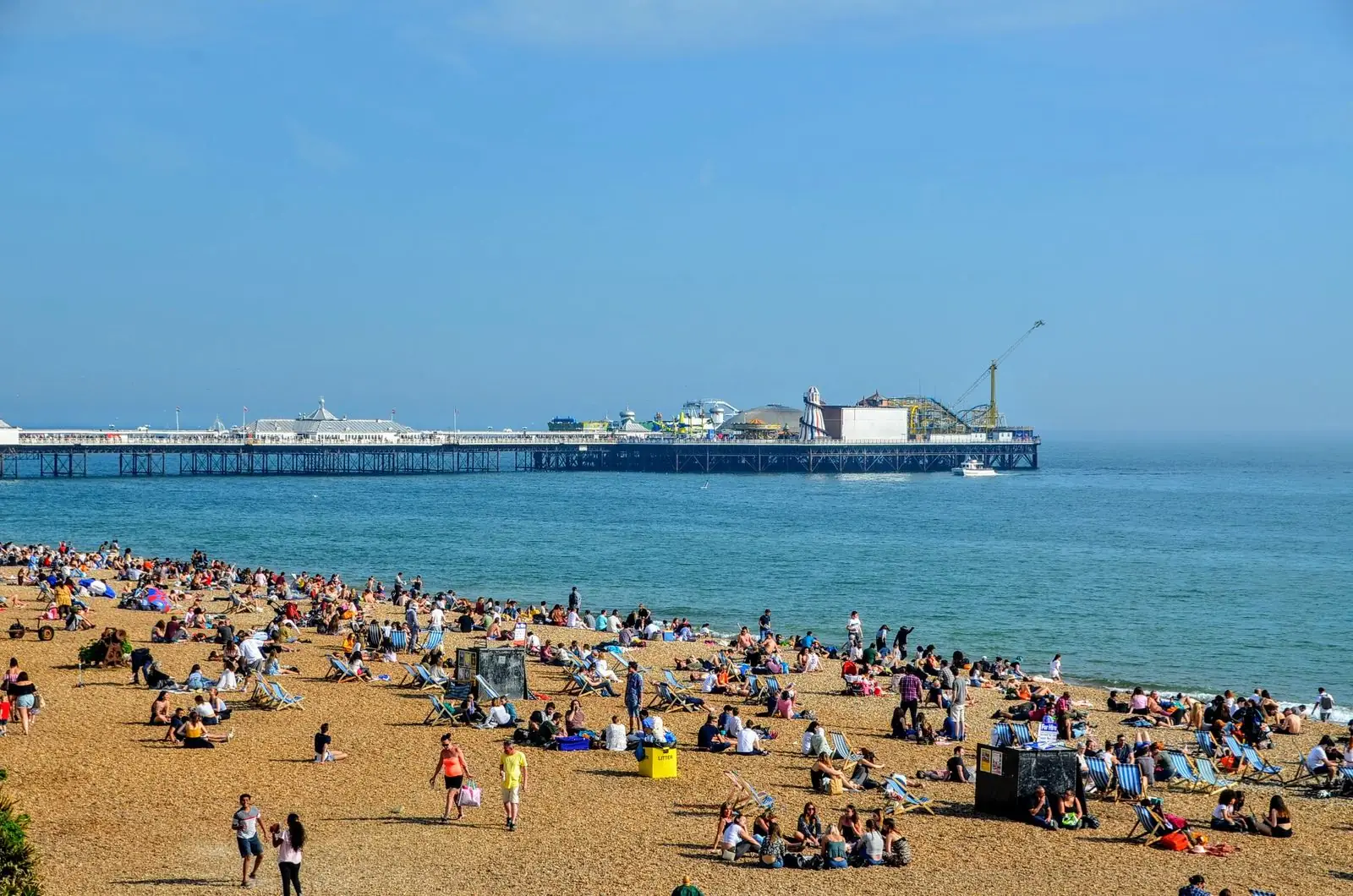
A Brighton beach day: pebbles, promenade and a shorter plan
Brighton’s beach is a pebble beach, so a comfortable day needs a little more thought than bringing a towel. Choose a shore stop, keep the promenade as an easy alternative and make swimming a separate decision based on current conditions.
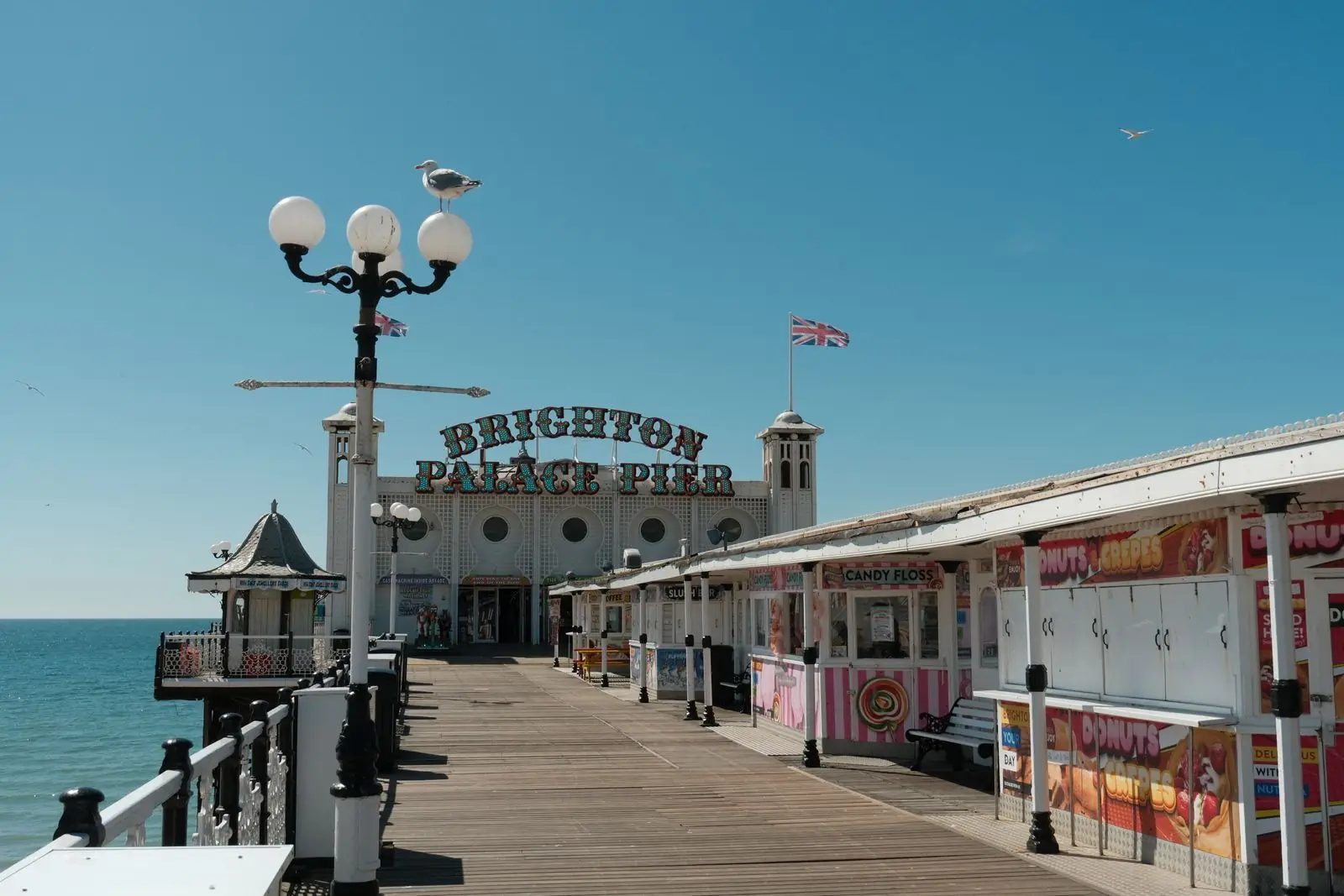
A first weekend in Brighton: Pavilion, lanes and seafront
Start Brighton with its palace and shopping streets, then give the coast a separate day. This plan leaves room for a seafood lunch and a clear-weather viewpoint without making every stop another ticket.

Brighton Marina to Rottingdean: a shorter Undercliff outing
The Undercliff Walk gives you a different Brighton coast from the busy central promenade. Start at the Marina and choose a turnaround before setting off; the full path to Saltdean is an extension rather than a requirement.
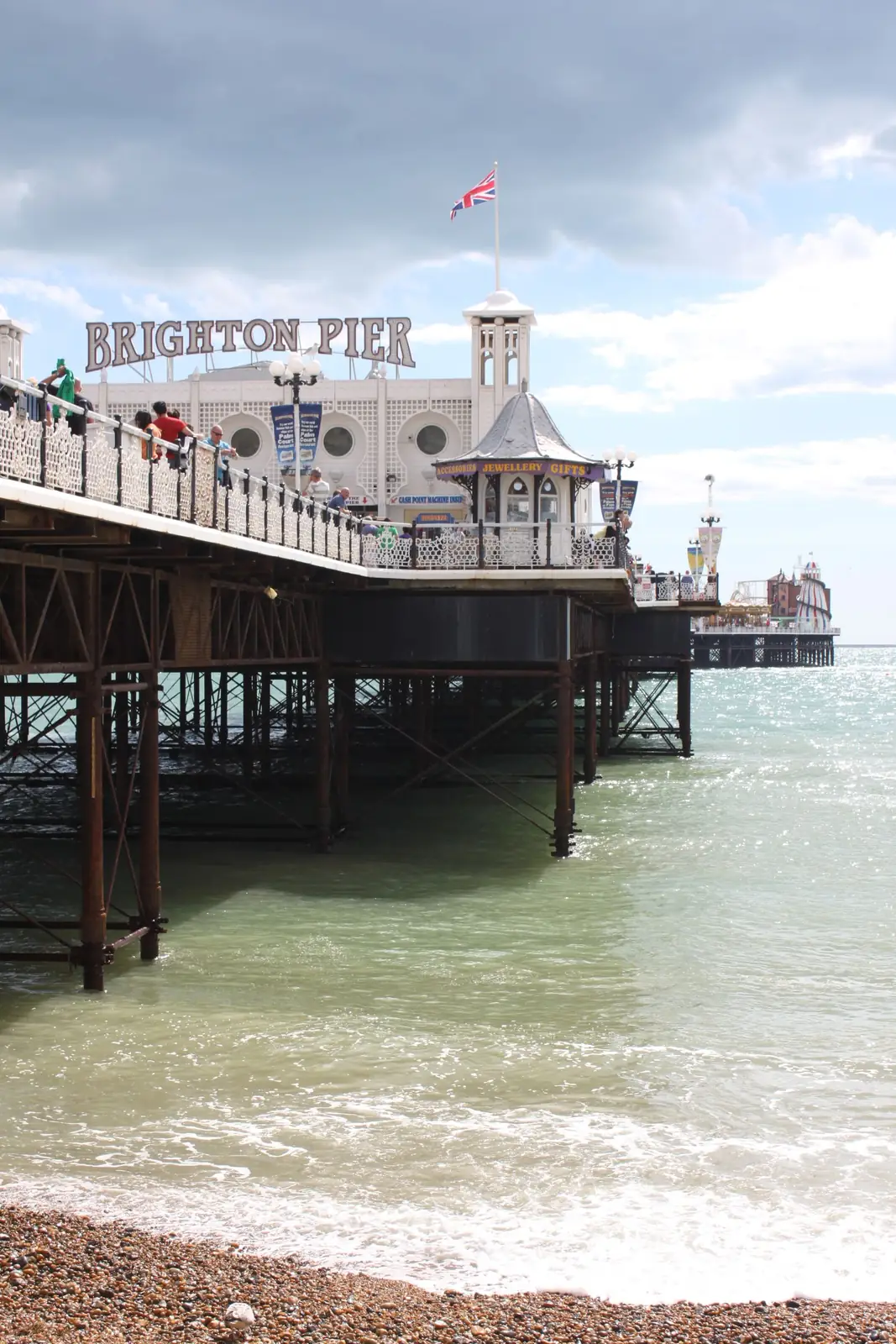
Brighton’s seafront: Palace Pier to the West Pier
The promenade between Brighton’s two piers makes a straightforward coastal walk with a useful lunch stop. Enjoy Palace Pier from shore or add a paid detour, then finish by the West Pier ruins and the i360.

Visiting Anfield: choose the stadium tour and plan a separate outing
Make Anfield its own Liverpool outing, with the official tour booking as the anchor. A stadium tour is different from a match ticket, and keeping the return journey flexible gives you time to enjoy the visit without rushing back to the dock.
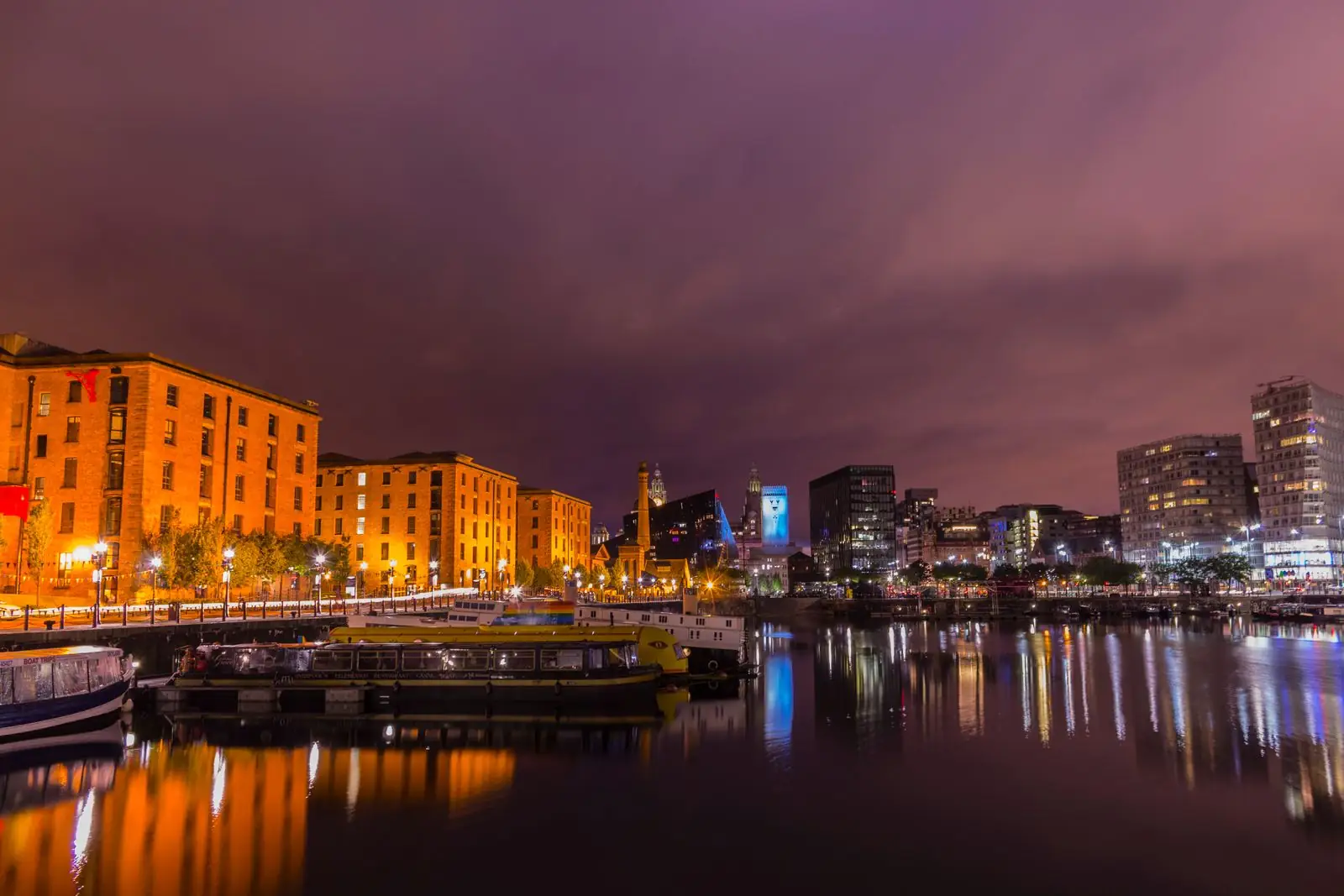
A Beatles day in Liverpool: the dock museum and Mathew Street
Pair The Beatles Story at Royal Albert Dock with Mathew Street for two different sides of Liverpool’s music history. Keep suburban Beatles locations for another outing rather than trying to fit every address into this central day.
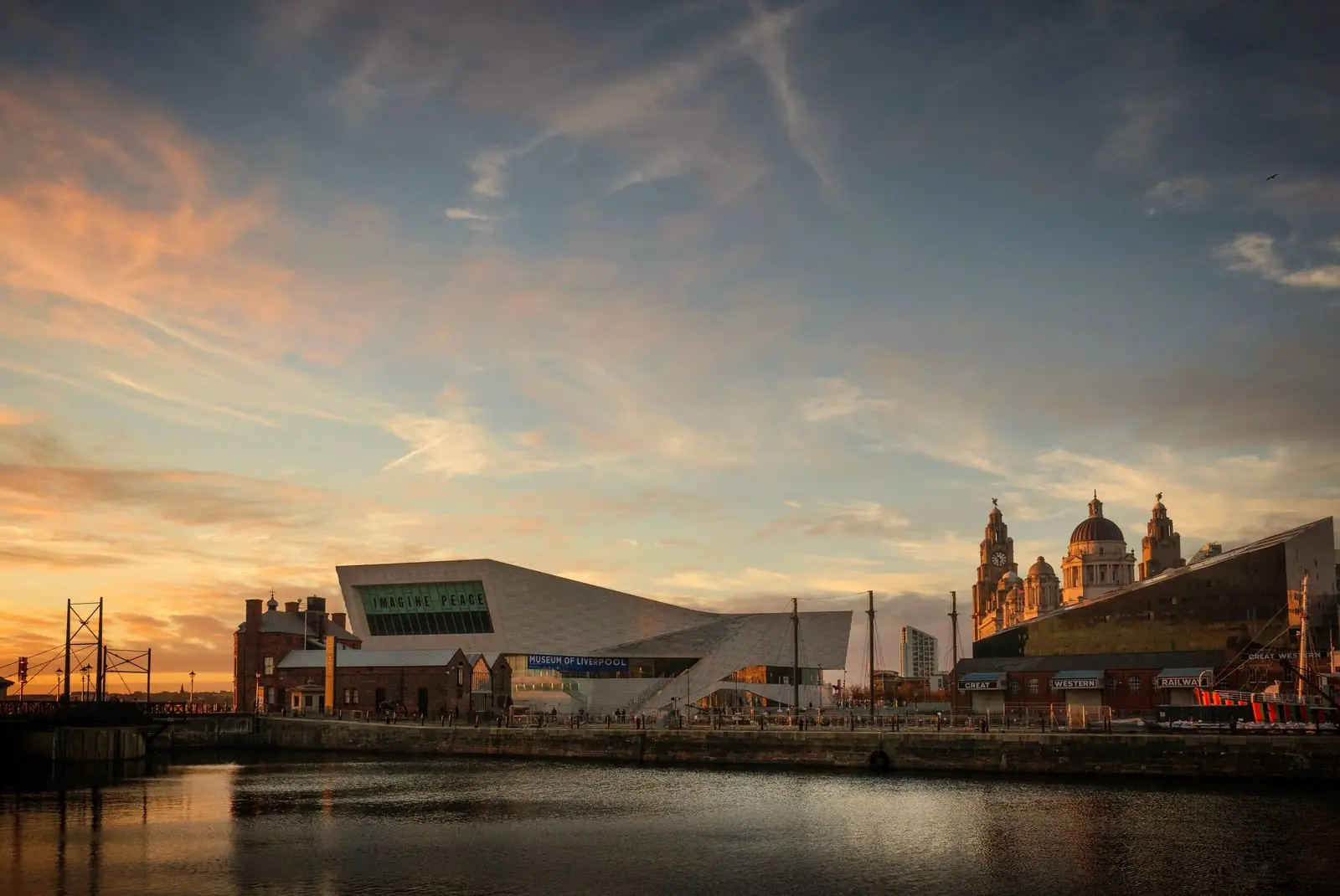
A first Liverpool weekend: waterfront, Beatles and the cathedral
Give Liverpool’s waterfront one day and its music streets and cathedral another. Choose one main ticketed visit, keep Anfield for a separate outing, and allow time to enjoy the city between the headline sights.

Liverpool’s Pier Head: the Three Graces and a flexible waterfront walk
Use the Three Graces and Museum of Liverpool as anchors for a short waterfront walk. Look at the buildings from different angles, keep the route flexible around works, and choose an indoor stop when the Mersey wind makes lingering less appealing.
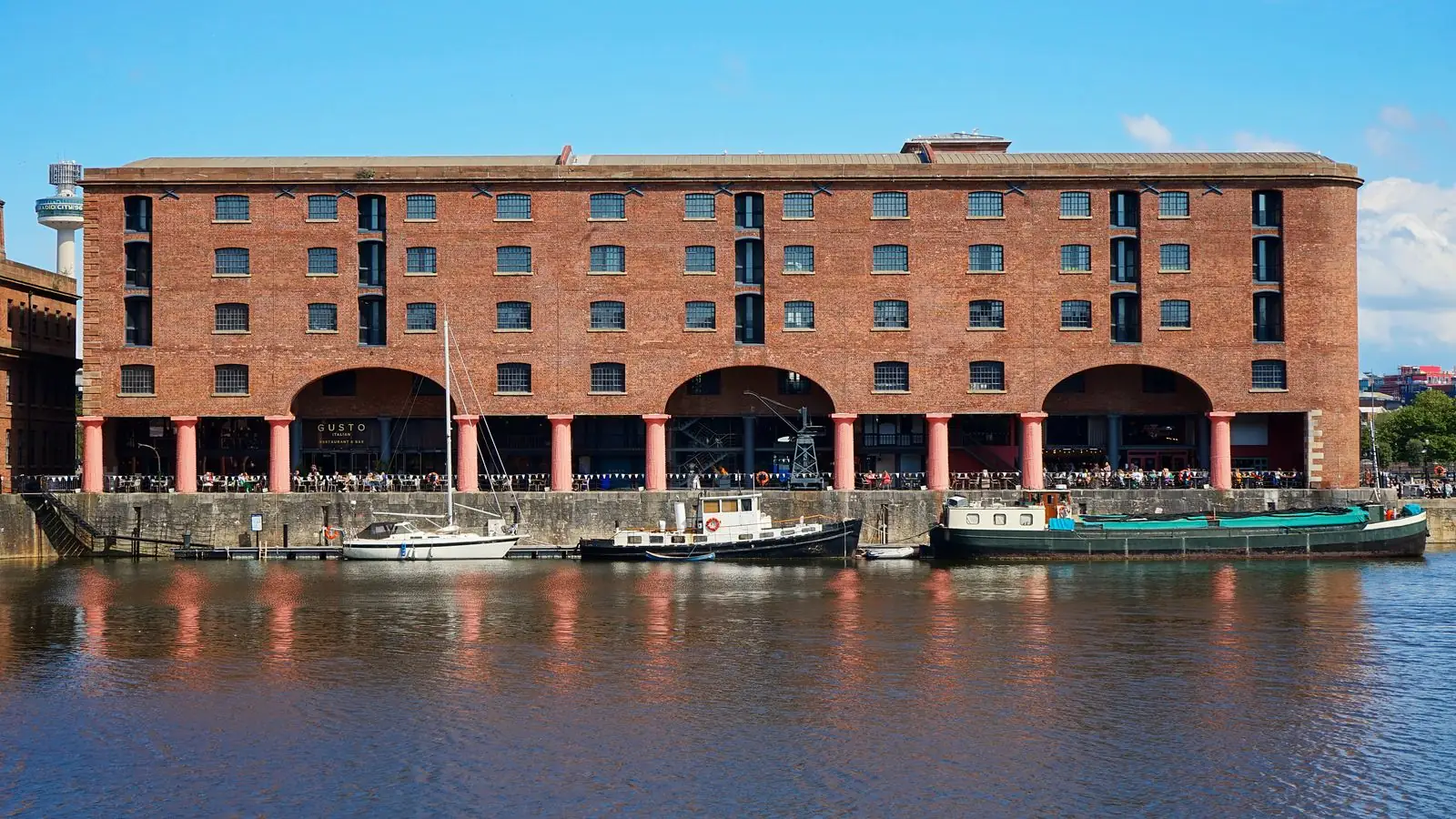
Royal Albert Dock: warehouses, Beatles history and the museums you can visit
Build an Albert Dock outing around the brick warehouses, the water and one available indoor visit. Some familiar museum names are currently closed, so this plan explains the alternatives instead of sending you to locked entrances.

A first weekend in London without crossing the city all day
Give London two connected days rather than a string of distant attractions: Westminster and the South Bank first, then the Tower area. This plan leaves room for meals, queues and an indoor alternative.

A Greenwich day: maritime museums, riverside streets and the park
Greenwich combines a historic ship, riverside architecture, maritime collections and a hilltop park view. Choose a small number of interiors and leave time to climb the park instead of buying tickets for everything.

A South Bank walk from Westminster to Tate Modern
Follow a sequence of river views and cultural stops from Westminster Bridge to Bankside. You can enjoy the route without buying a London Eye ticket, and stop early around Waterloo when a shorter walk suits the day.
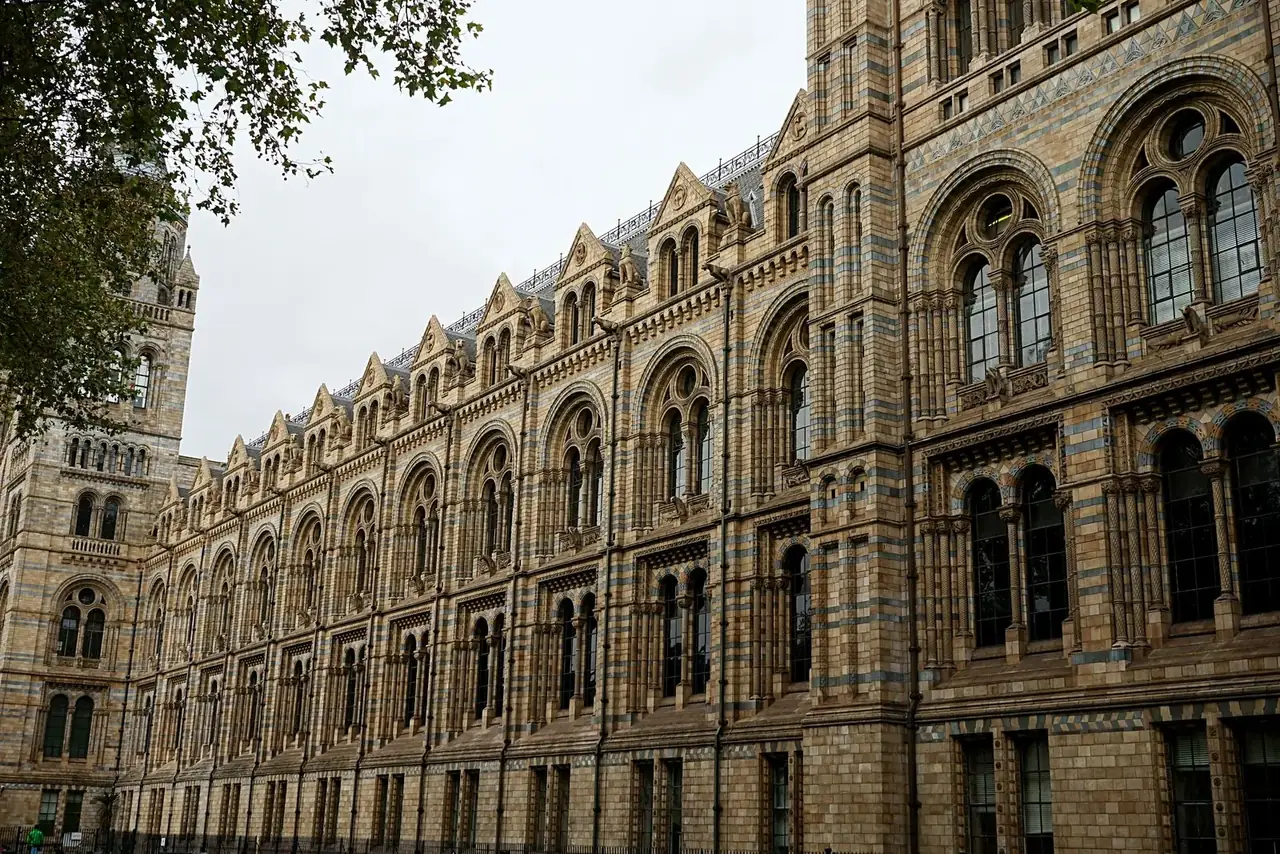
A rainy London day around the South Kensington museums
Keep a wet London day in one neighbourhood: choose the Natural History Museum or V&A as the main visit, stop for lunch, then add a second museum only if you still have energy for more galleries.
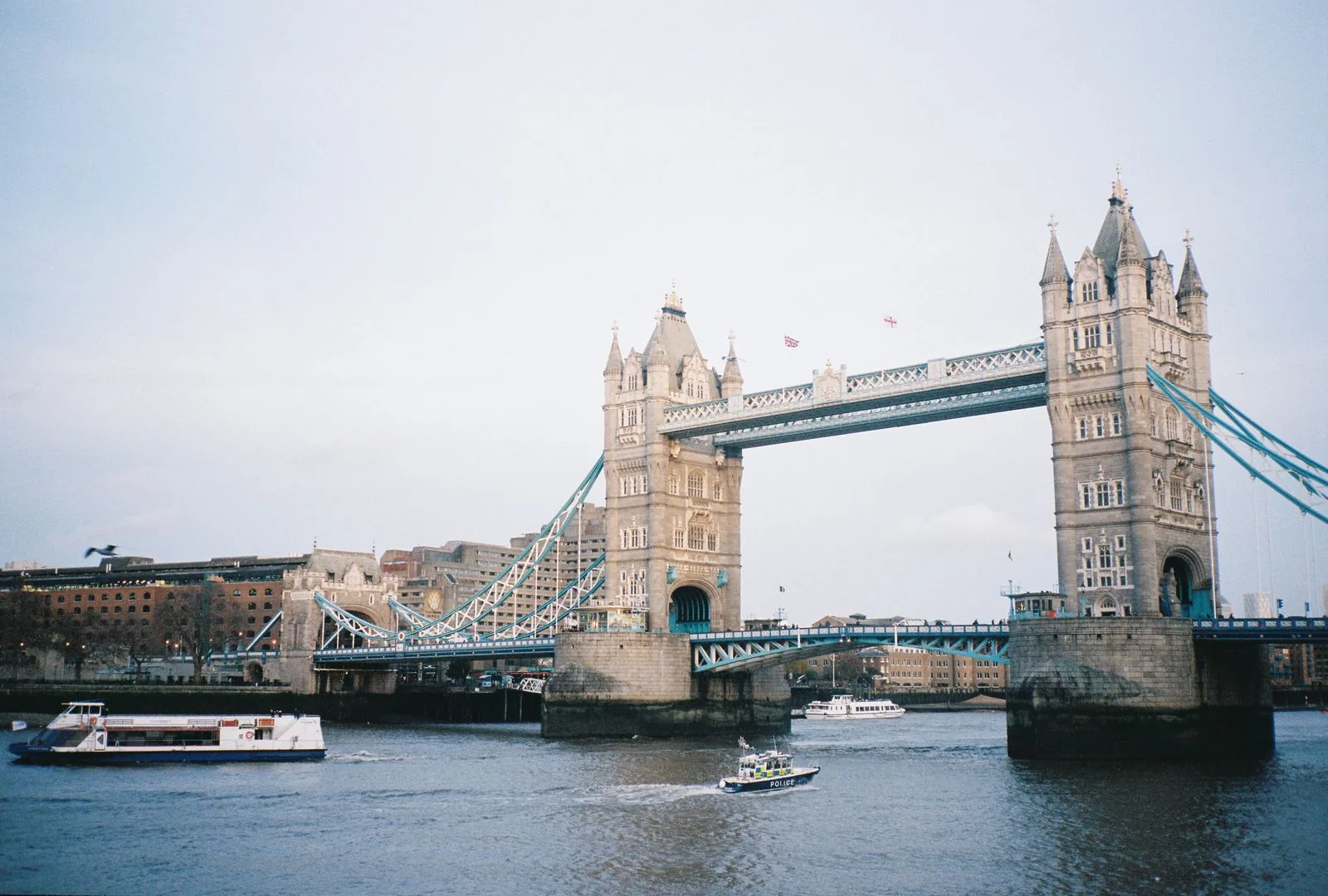
Tower of London or Tower Bridge: what to book and how to pair them
The Tower of London and Tower Bridge are neighbouring attractions with different tickets and different experiences. Choose between royal history and bridge engineering before deciding whether to visit both on one day.
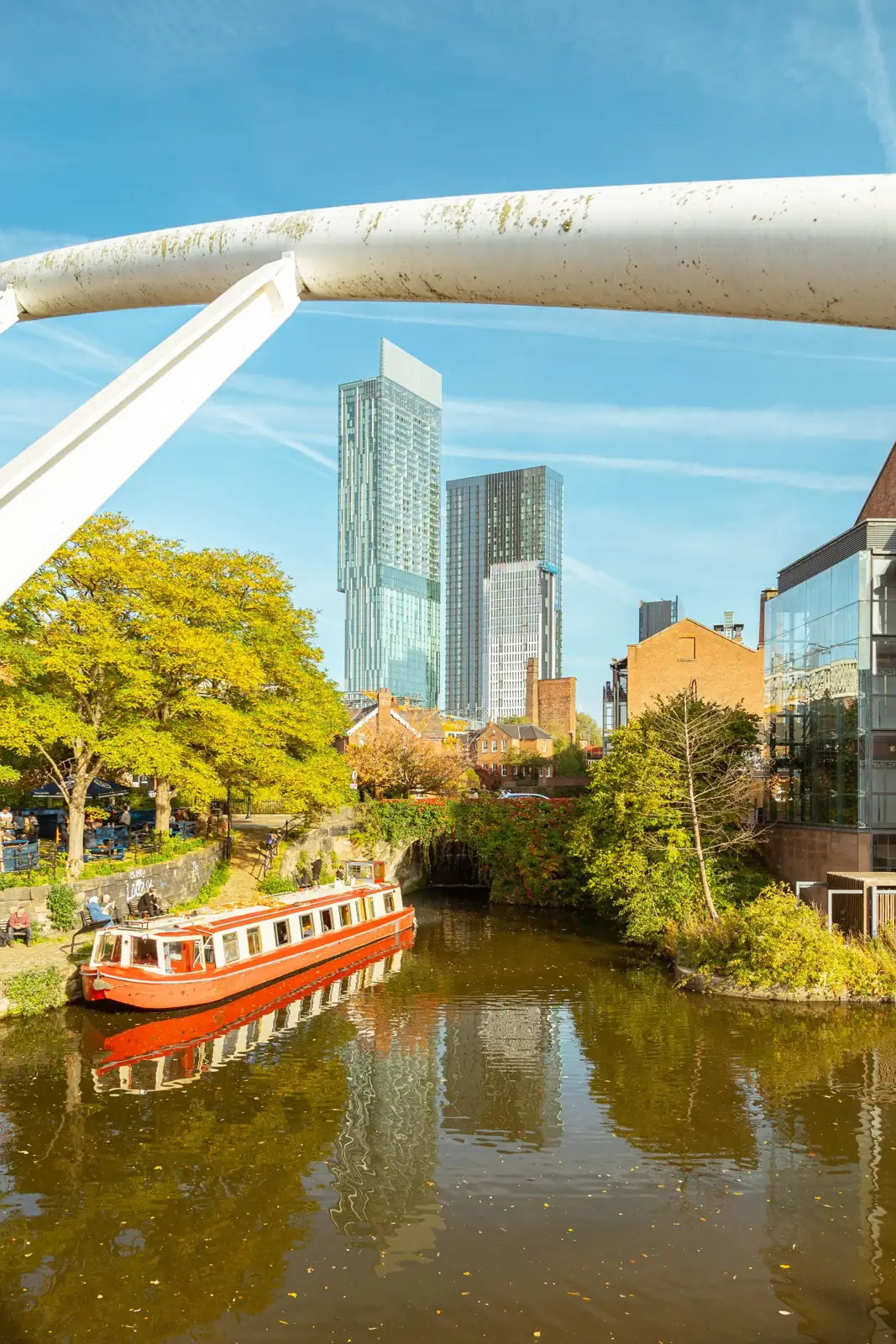
A Castlefield walk: canals, viaducts and Manchester’s industrial story
Follow Castlefield’s waterways and railway structures, then make the Science and Industry Museum your indoor anchor. This is a short neighbourhood outing with pauses, rather than a long-distance towpath challenge.

A first Manchester weekend: canals, libraries and the Northern Quarter
Spend one day around Deansgate and Castlefield, then give the Northern Quarter and Manchester Museum a different pace. This weekend leaves room for food and rain without squeezing Salford Quays into the same walk.

Getting around Manchester: stations, trams and sensible sightseeing groups
Manchester is easier when you group nearby sights and check the exact station on your ticket. Use walking for Deansgate and Castlefield, then choose public transport for the Quays instead of joining every attraction into one long route.

Manchester Museum and Oxford Road: a calmer indoor afternoon
Make Manchester Museum the main stop on Oxford Road, then add the Whitworth only if you want more art and still have time. This outing is useful in rain and does not require a chain of short museum visits.

Salford Quays from Manchester: Lowry, IWM North and a waterside walk
Take a separate outing from Manchester to the Quays for Lowry’s art and IWM North’s conflict stories. The museums sit around the ship canal, so a short waterside walk can connect the indoor visits without turning the day into a long trek.

Oxford’s Bodleian: choose the right library visit
Seeing the Radcliffe Camera from the square is easy; entering Oxford’s historic library spaces takes more planning. Decide whether you want a short architectural visit, a guided reading-room tour or a wider city walk before buying a ticket.
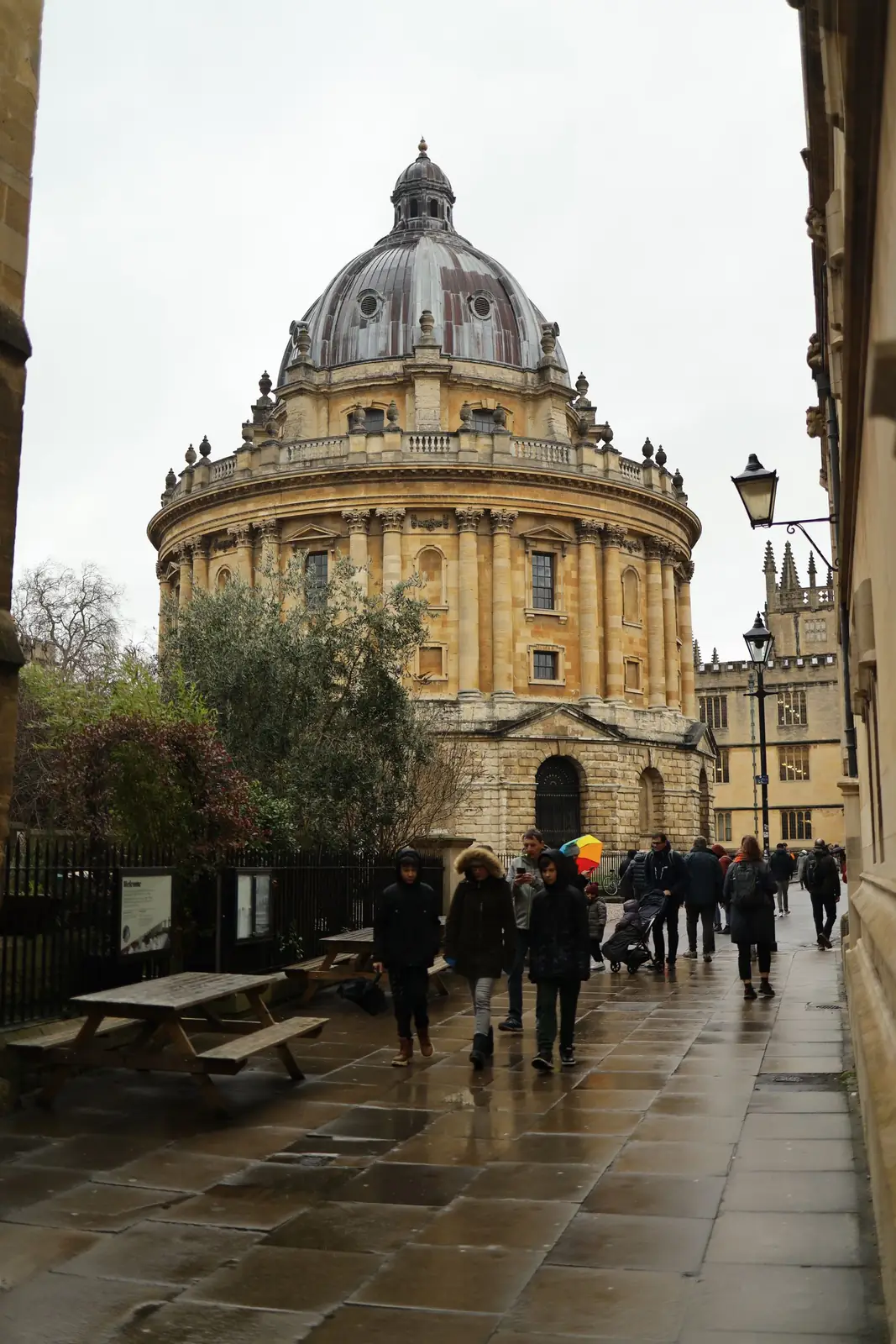
A first weekend in Oxford: libraries, market and meadow
Give Oxford one day for its historic centre and another for a museum and the river. A booked library visit can anchor the weekend, while free meadow paths keep the plan flexible when you want a quieter afternoon.
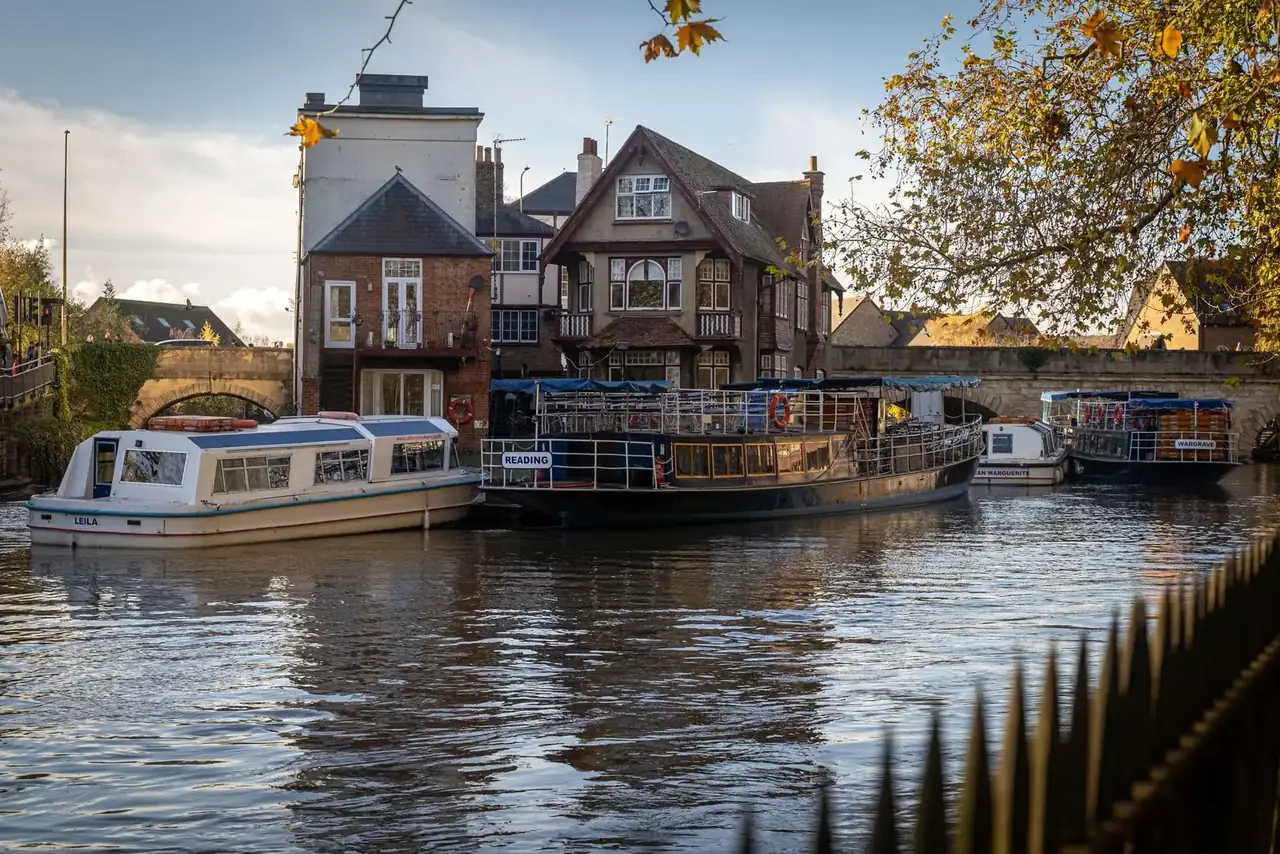
Folly Bridge: choosing an Oxford river cruise
A river trip changes the pace of an Oxford stay, but the cruise choices are not interchangeable. Choose a short sightseeing ride for a spare part of the day, or give a meal cruise its own space in the itinerary.
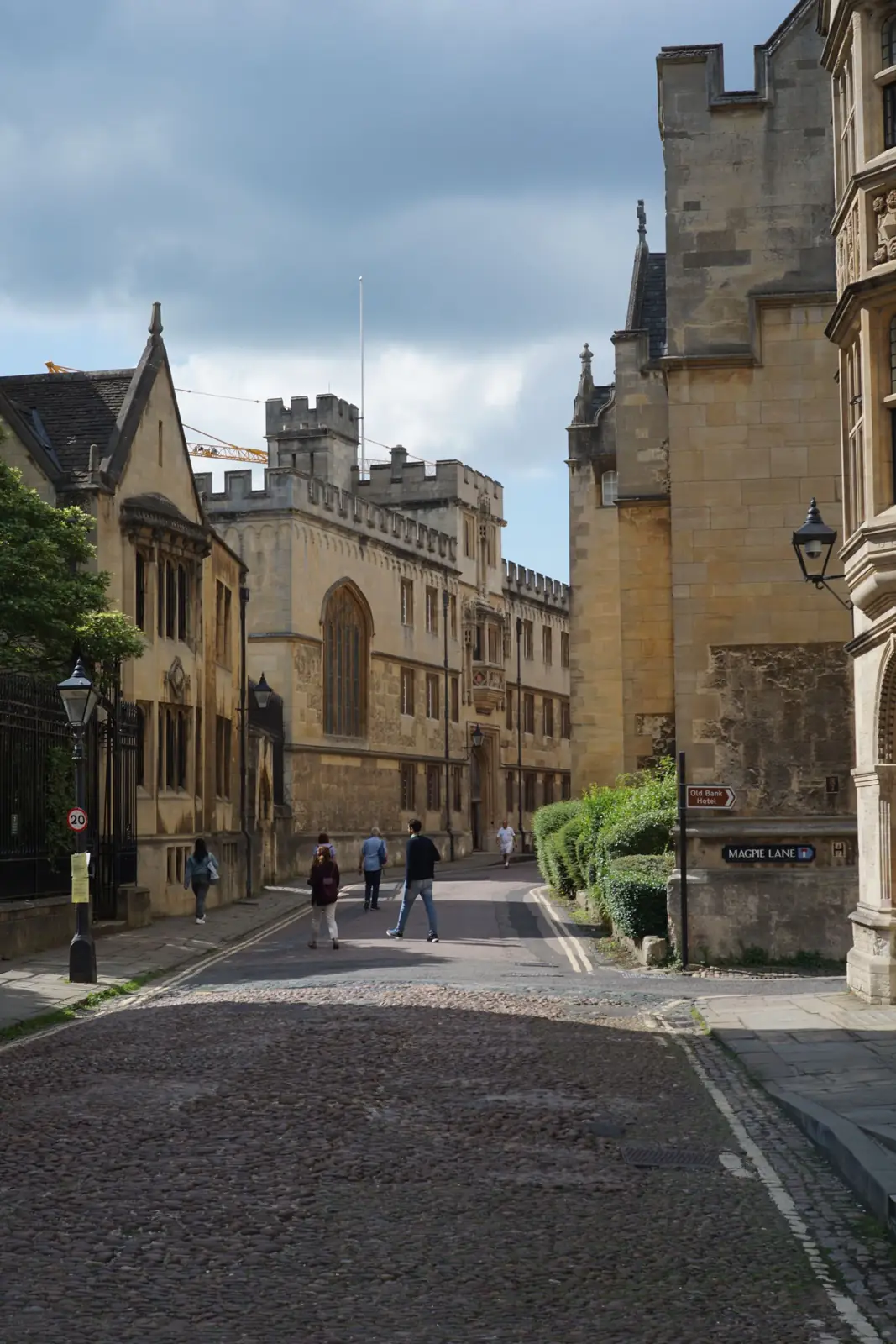
Radcliffe Square to Christ Church Meadow: a short Oxford walk
This route moves from Oxford’s best-known university buildings to quieter lanes and open meadow paths. Keep college interiors optional and enjoy the contrast between Radcliffe Square, Merton Street and the river.
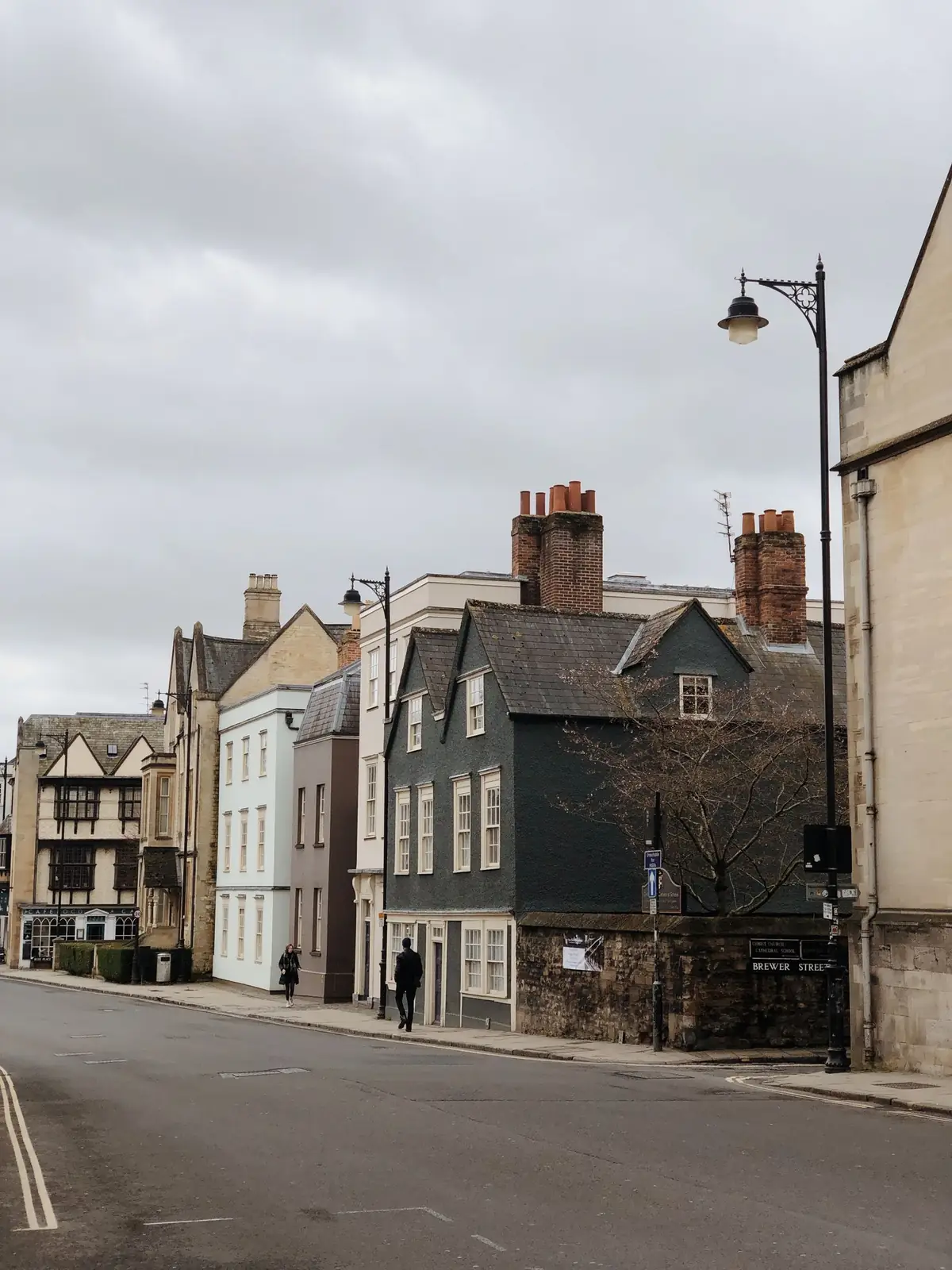
Rainy Oxford: choose art, natural history or the Pitt Rivers
Oxford has enough indoor collections to rescue a wet day without booking three museums back to back. Choose the Ashmolean for art and archaeology, or make the Parks Road museums a linked outing with a shared entrance.
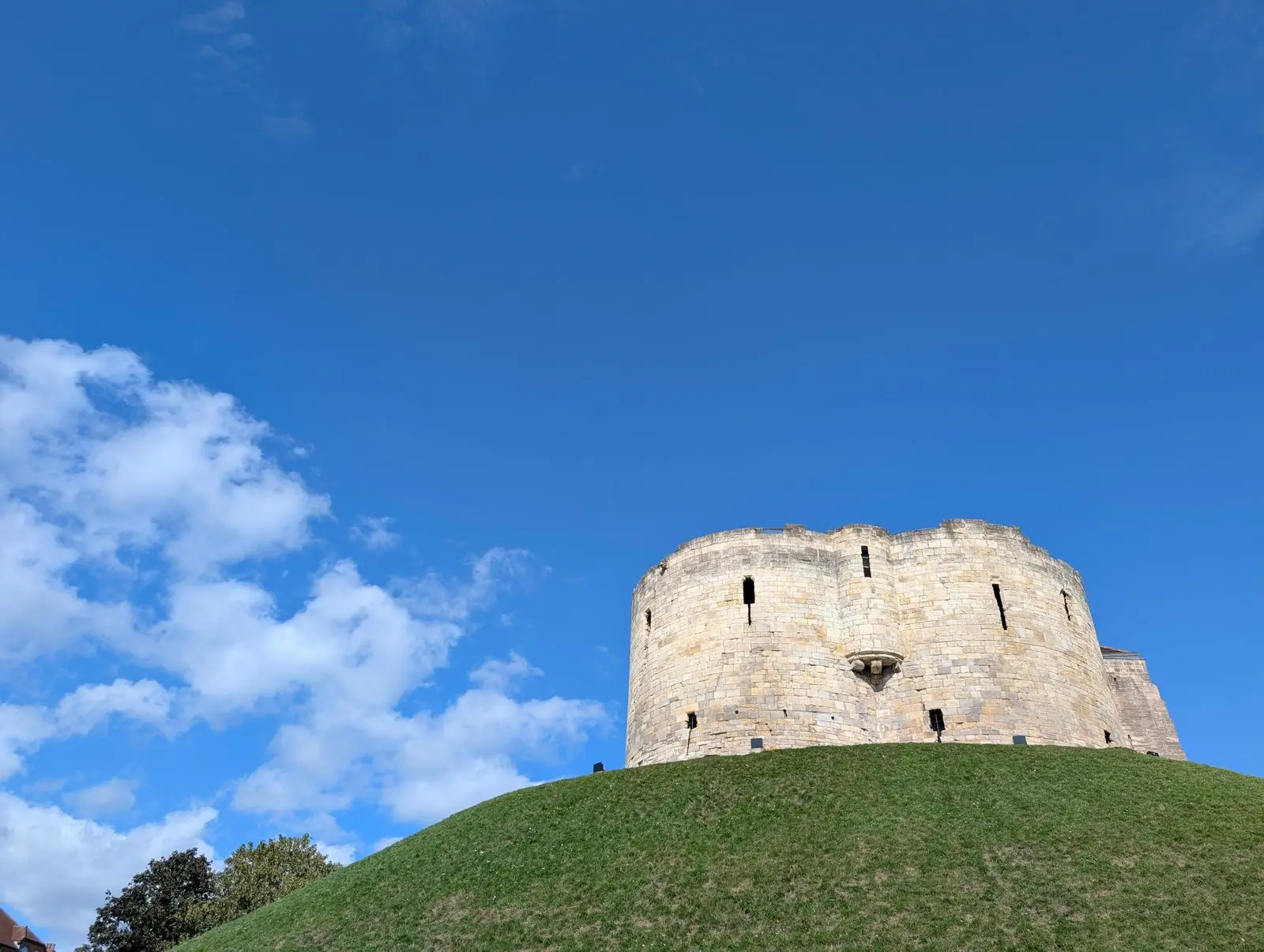
Clifford’s Tower and York Castle Museum: two separate visits
Clifford’s Tower gives you height and a view of York; York Castle Museum offers streets, rooms and everyday life indoors. They sit in the same castle area, but they are different attractions with separate tickets and very different access.

A first weekend in York: Minster, market and castle stories
Give York two different days: the Minster and medieval streets first, then the castle area. Add a short wall section when the weather suits, and leave space for a proper lunch rather than treating every attraction as a quick stop.
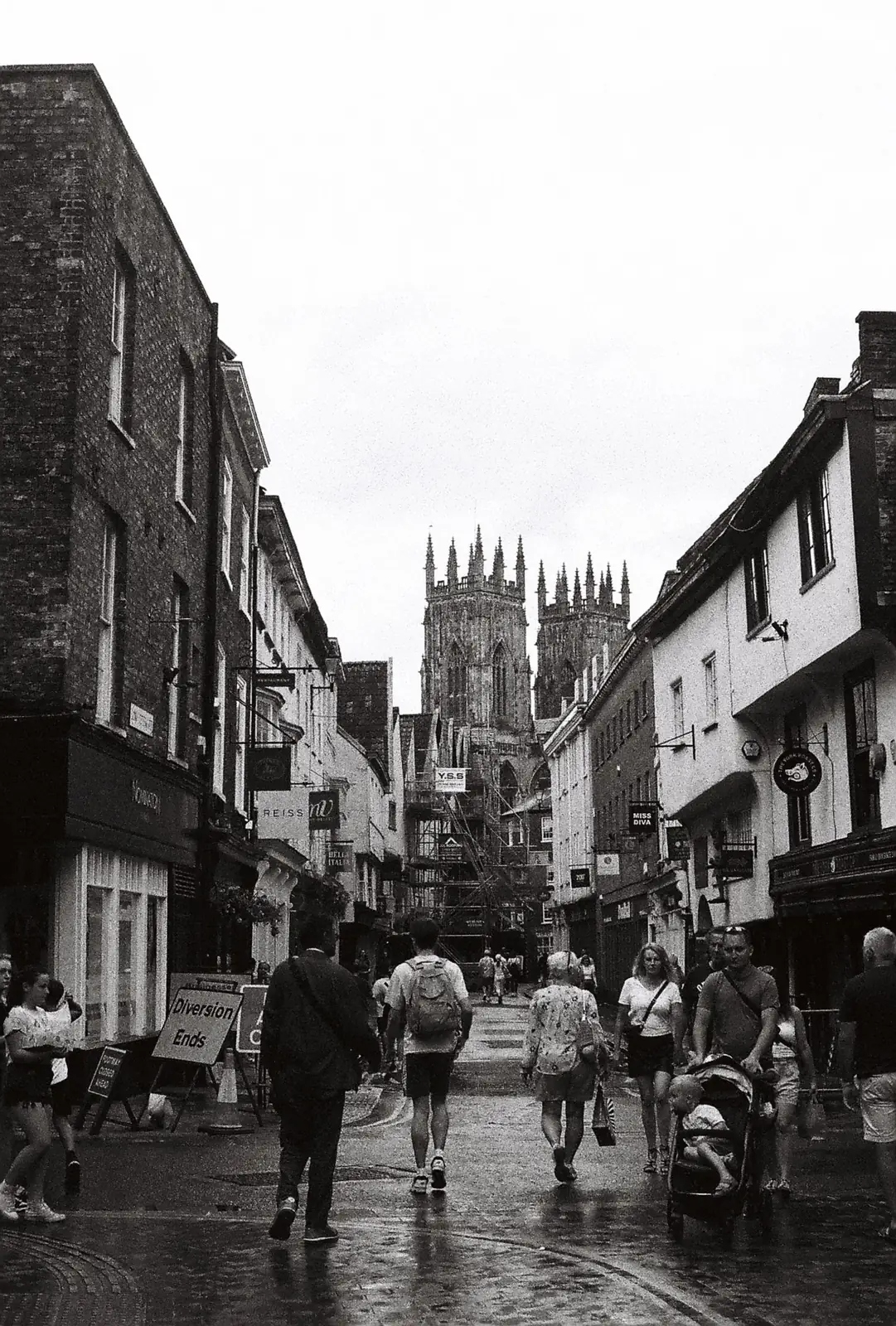
From the Minster to the Shambles: streets, market and a useful lunch
Make a compact York outing from the Minster approaches through Low Petergate to the Shambles and its market. The pleasure is in changing street scale, browsing actual stalls and choosing a specific lunch, rather than adding another long attraction queue.

York’s city walls: two shorter walks instead of a full circuit
You do not need a complete wall circuit to enjoy York from above. Choose the northern stretch for Minster views or a southern section for gatehouses, then return to street level for lunch and a different view of the city.
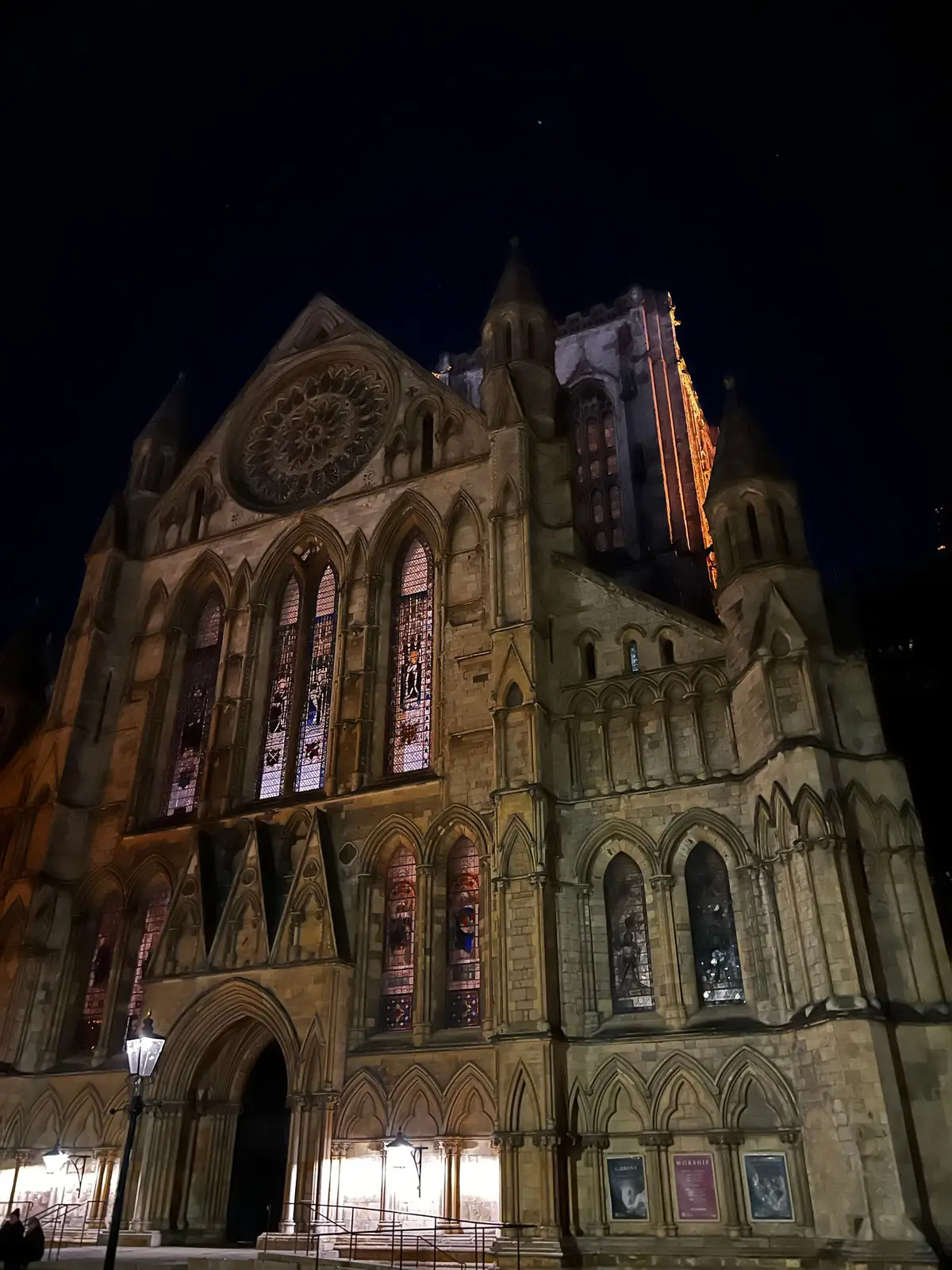
York Minster: what to see and whether to climb the tower
York Minster is worth visiting even when the tower is not part of your plan. Build the visit around its stained glass, large interior spaces and a cathedral tour, then decide whether the extra climb fits your energy and interests.