Approach through the park
Choose a station for the part of Osaka Castle Park you want to see, rather than assuming the station named Osakajokoen is always the closest entrance to your plan. Tanimachi 4-chome and Morinomiya offer other approaches. Check the Metro map and the park signs before committing to an exit.
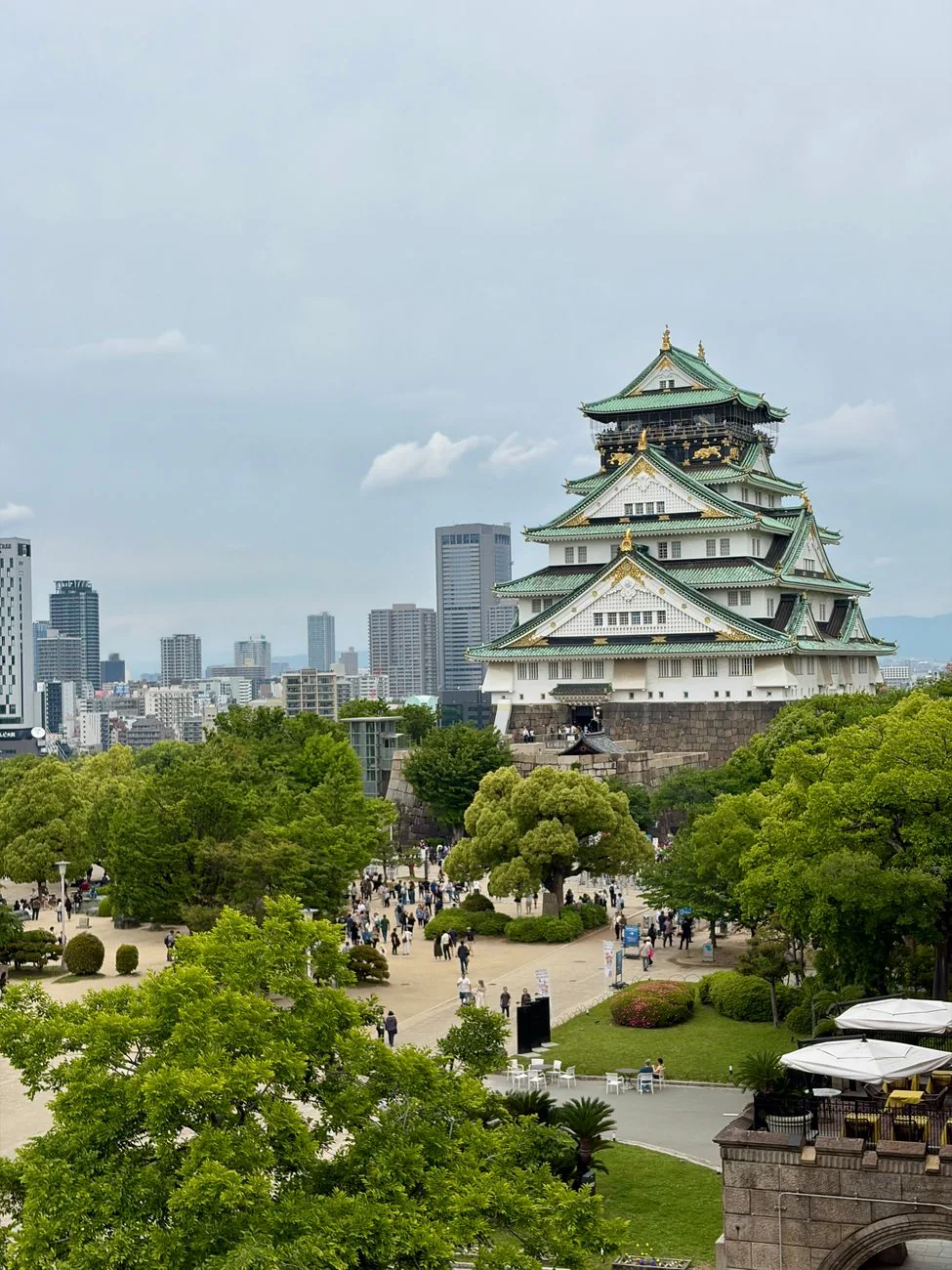
Make your first anchors the moat, an available gate and the main tower. The walk between them is part of the visit. Stop where the water and stone walls frame the tower, then continue towards the entrance if you have chosen the museum. Keep paths clear for other visitors and leave space for rest stops.
Mobile data for your trip. Check what your current plan includes for roaming. If you need another option for maps, messages and booking details, compare NXTL eSIM coverage and rates. Check that your phone supports eSIM and is unlocked, and check coverage for every stop. Download important maps and confirmations for offline use too.
Choose the museum for its history
The Osaka Castle Main Tower contains historical exhibits and an observation deck. Its displays concern Toyotomi Hideyoshi and the castle’s story; do not expect a sequence of preserved domestic rooms. Look at the current exhibition information and decide how much museum time you want before joining the admission line.
The official English leaflet places the observation deck on the eighth floor and historical material on the exhibition floors. Treat the view as one part of the museum rather than a reason to hurry past everything else. Read the photography rules in each area, since permission in an outdoor park does not establish permission beside an exhibit.
Plan the tower access separately
The usual visitor route includes an ascending elevator and stairs. Visitors who need step-free access should contact staff about the dedicated arrangement to the upper level. Do not assume the ordinary queue and lift pattern will suit every mobility requirement; ask before purchasing if access is central to your decision.
Other castle-park attractions and gardens have their own admissions and calendars. A tower ticket does not automatically reserve every nearby area, boat or guided activity. Check the actual inclusion list on any bundled product and resist buying several overlapping tickets simply because they share the castle name.
Keep the year-end closure in the plan
The tower’s official guide checked on 20 October 2026 lists the annual closure as 28 December–1 January. The museum is therefore an optional stop for a year-end trip, not the required centre of the day. Packtricia will recheck the calendar; always confirm the current notice before travelling.
Use the accessible park paths and exterior tower views as the available alternative when weather and local access permit. In sustained rain, choose a shorter exterior look and a confirmed indoor stop elsewhere. Avoid filling a closure with an invented substitute museum opening or treating outdoor grounds as shelter during a weather warning.
Finish with a district that suits your next meal
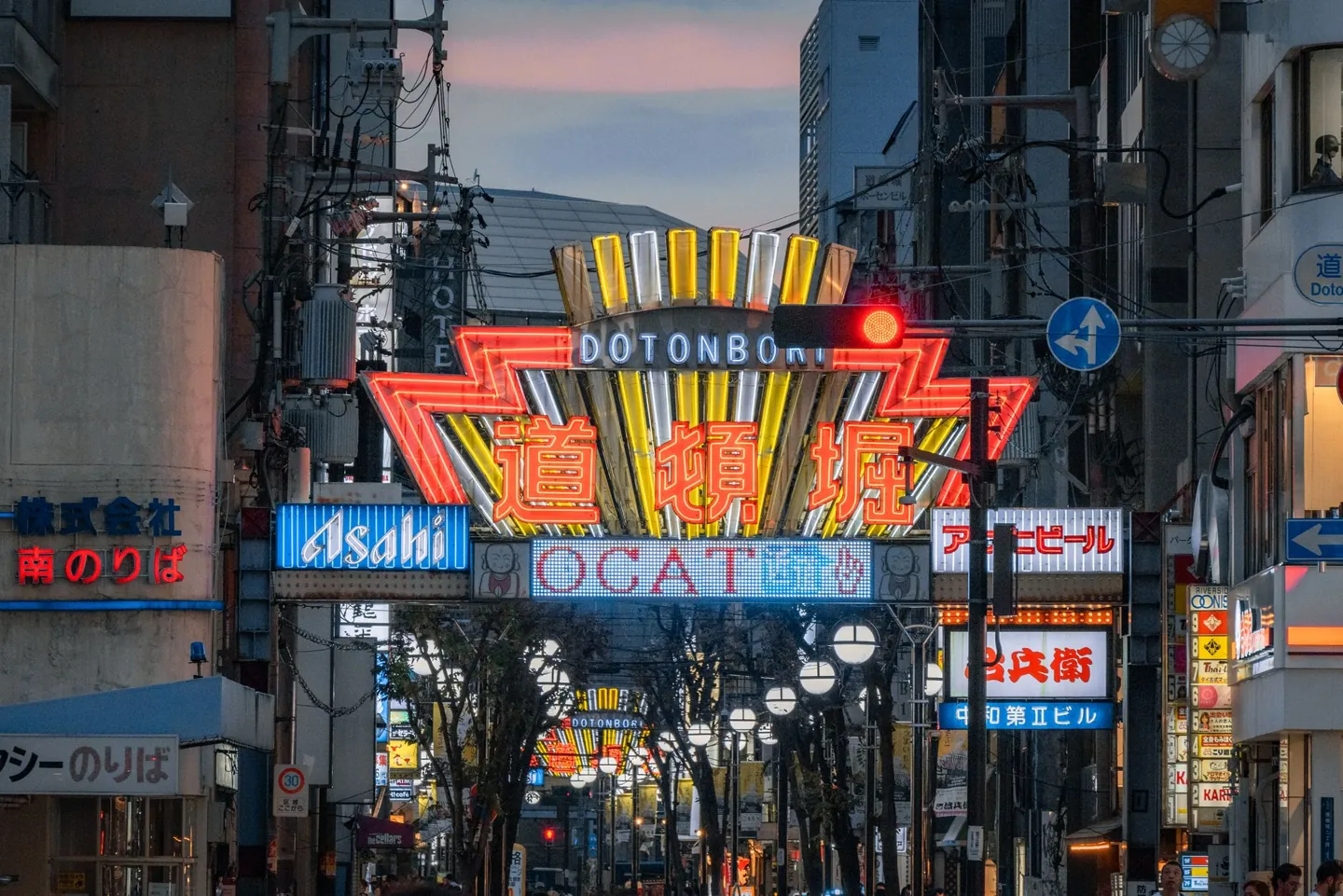
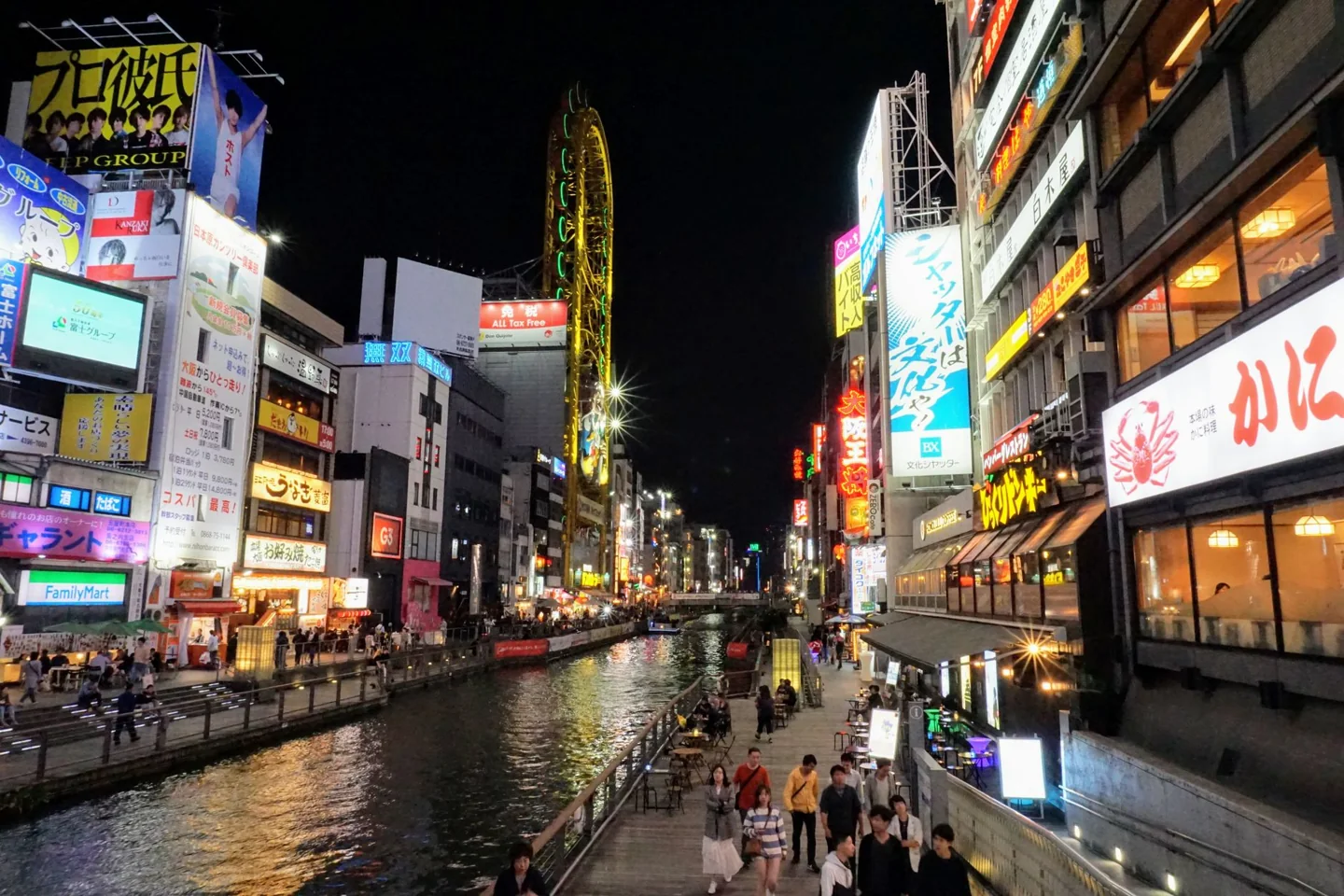
After the park, return to a station for Namba if you want an evening around Dotonbori. We recommend Mizuno for okonomiyaki once you are in that district. It is an onward dinner idea, not a restaurant beside the castle; leave time for the journey and any wait.
Keep the park bag small: walking shoes, water, umbrella, charged phone and a seasonal layer cover the basic outing. Hot days call for a shorter outdoor approach and cooling breaks. In winter, wear enough for the slower moat-side sections rather than dressing only for a warm train carriage.
Check before you go
Opening arrangements and visitor rules can change. Check the official information before your trip.