Put Kiyomizu-dera first
Use Kiyomizu-dera as the main visit and choose your approach from the official location guidance. The final stretch rises through busy streets, so leave time for the walk before admission. Bringing a large suitcase would make both the slope and the narrow shopping lanes harder to manage.
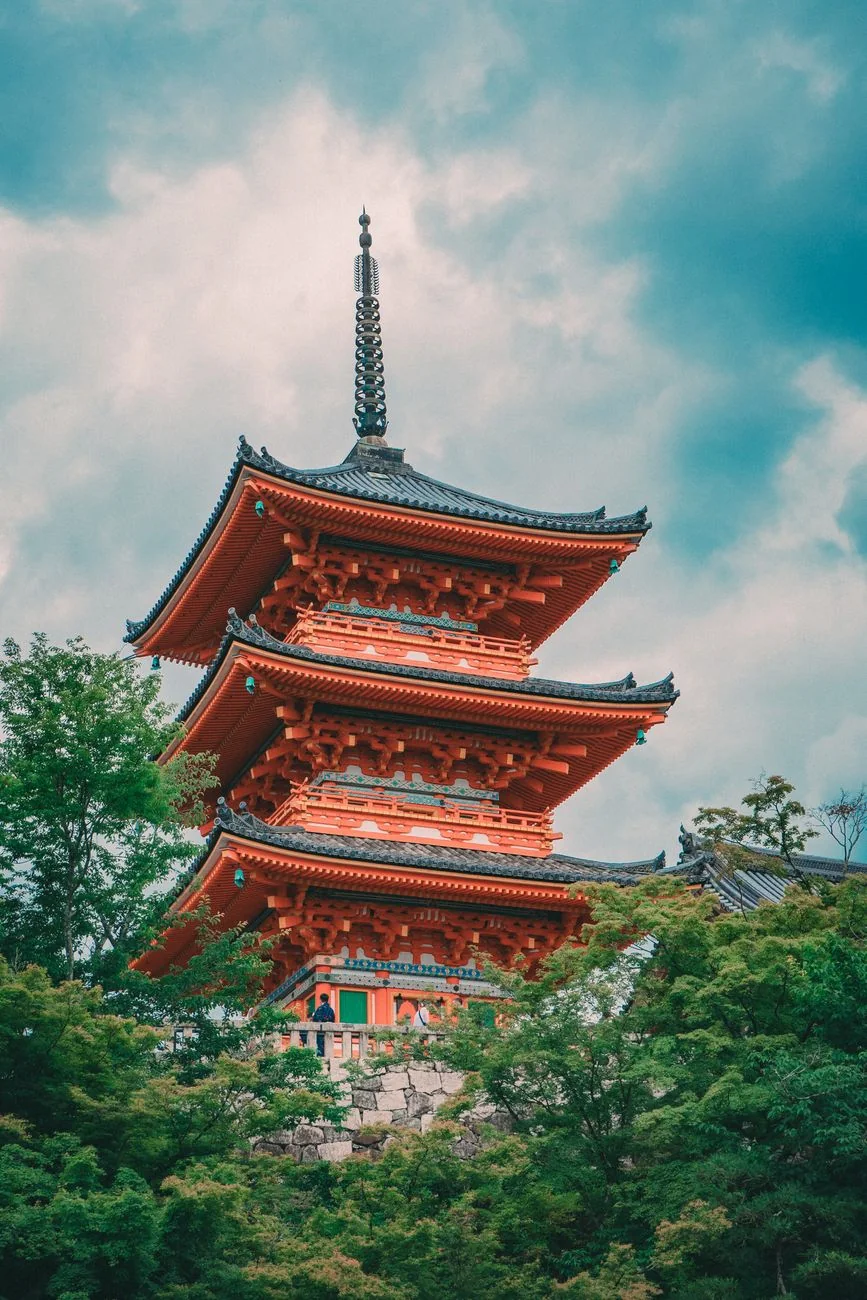
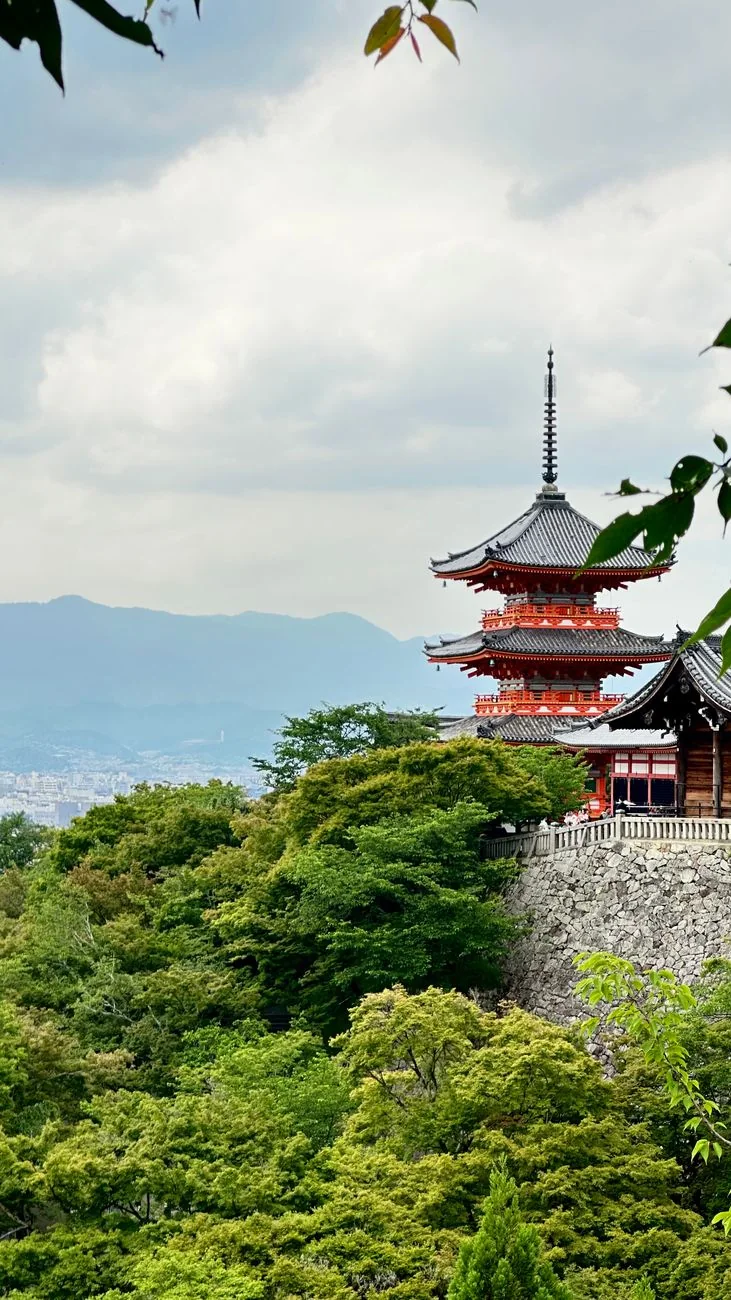
At the temple, spend time looking across the timber stage and towards the city. Notice the relationship between the halls, wooded slopes and smaller religious structures. Follow the signed visitor route and allow worshippers to pass; the grounds work better as a sustained visit than a race between photo points.
Mobile data for your trip. Check what your current plan includes for roaming. If you need another option for maps, messages and booking details, compare NXTL eSIM coverage and rates. Check that your phone supports eSIM and is unlocked, and check coverage for every stop. Download important maps and confirmations for offline use too.
Separate the temple visit from special openings
Check the temple’s current opening calendar before leaving. Ordinary daytime visiting, special evening access and limited garden openings need their own confirmation; a photograph taken at night does not establish that the same access is available on your date.
Decide whether the standard grounds are enough for this outing. Avoid booking another fixed-entry attraction immediately afterwards: queues, the approach and the time you spend looking at the view can all change the pace. Follow local photography rules inside buildings and near worship.
Keep Jishu-jinja in mind, with its closure
Jishu-jinja, next to the Kiyomizu-dera area, remained closed for shrine restoration when checked on 20 October 2026. The official notice gives an estimated multi-year works period, not a confirmed reopening date. Packtricia will check for reopening; always check the venue before travelling. Keep Kiyomizu-dera’s available grounds and the public Higashiyama lanes as the outing instead of planning a visit to the closed shrine.
Do not follow an old route that assumes access to the shrine’s matchmaking stones. Use the available temple visit and the downhill lanes instead. A closed neighbouring shrine does not make the whole Higashiyama district unavailable.
Descend through Sannenzaka and Ninenzaka
Continue via the public stepped streets towards Yasaka Pagoda. Look at the pottery shops and wooden façades while leaving doors and pedestrian routes clear. The pagoda belongs to Hokan-ji; it is distinct from Yasaka Shrine farther north.
Pause for the exterior view rather than assuming the pagoda interior will be open. Wet steps can be slippery, and the slopes deserve unhurried footing. If the route is too demanding, shorten it and arrange a suitable return rather than forcing the full descent.
Make the meal a separate, useful pause
If continuing towards Gion, we recommend Matsuba by Minamiza for its nishin soba. Herring-topped noodles give this route a specific meal stop near onward transport, rather than a search for food after everyone is tired.
Check the menu, service and ingredients directly. It is a continuation towards the river, not a café inside the temple. If lunch would take you too far from your accommodation or remaining energy, finish in Higashiyama and save Gion for another outing.
Choose shoes for steps, not just photographs
Bring walking shoes with reliable grip, clean socks for any interiors and a compact umbrella. A light bag makes it easier to keep both hands available on steps; use a removable layer for the change between a sunny approach and shaded grounds.
During intense heat, shorten the walk and take proper indoor breaks. During heavy rain or official weather warnings, follow venue and transport advice. The terrace and lanes are outdoor experiences, so an available café is a pause rather than an equivalent replacement for the temple.
Check before you go
Opening arrangements and visitor rules can change. Check the official information before your trip.