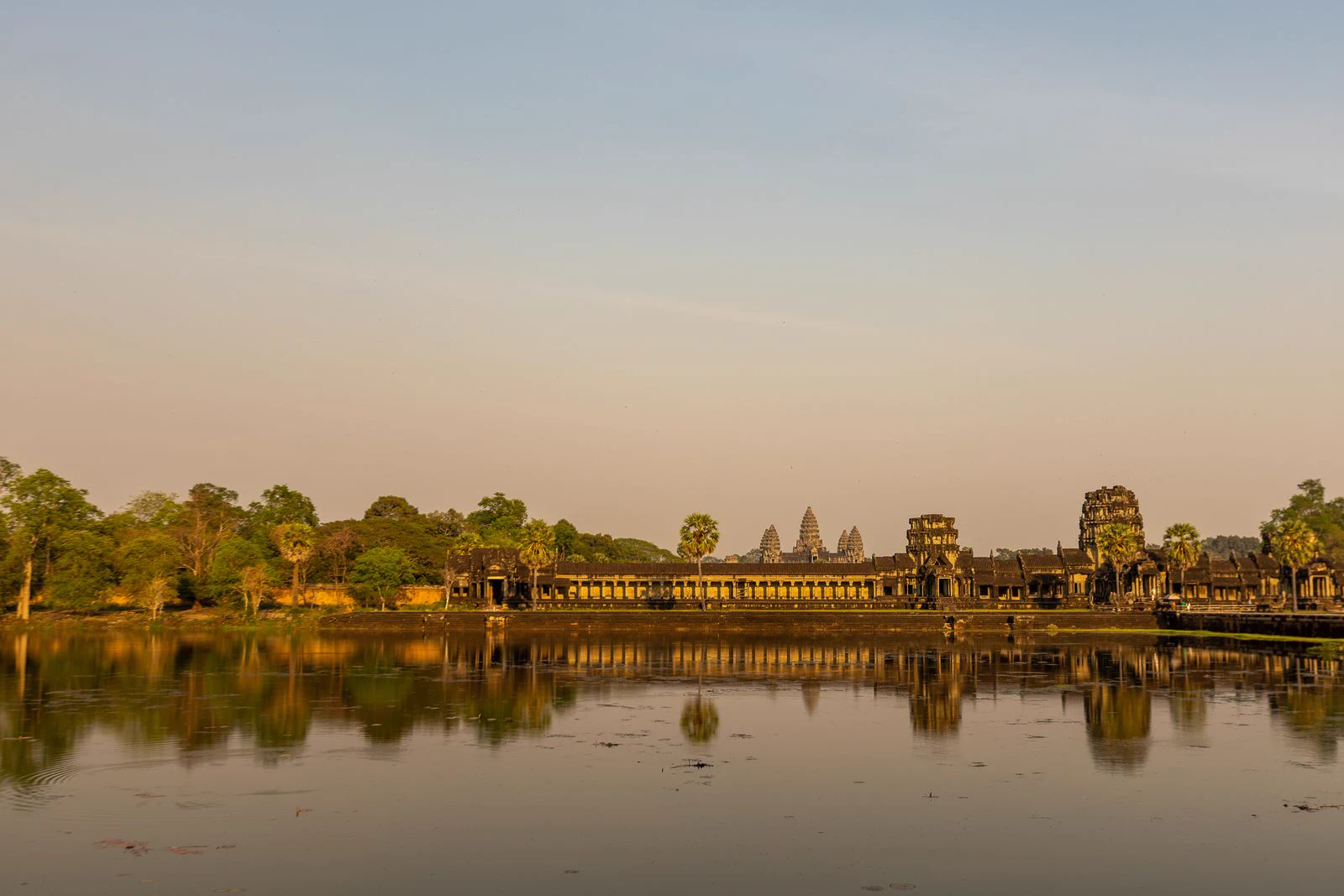
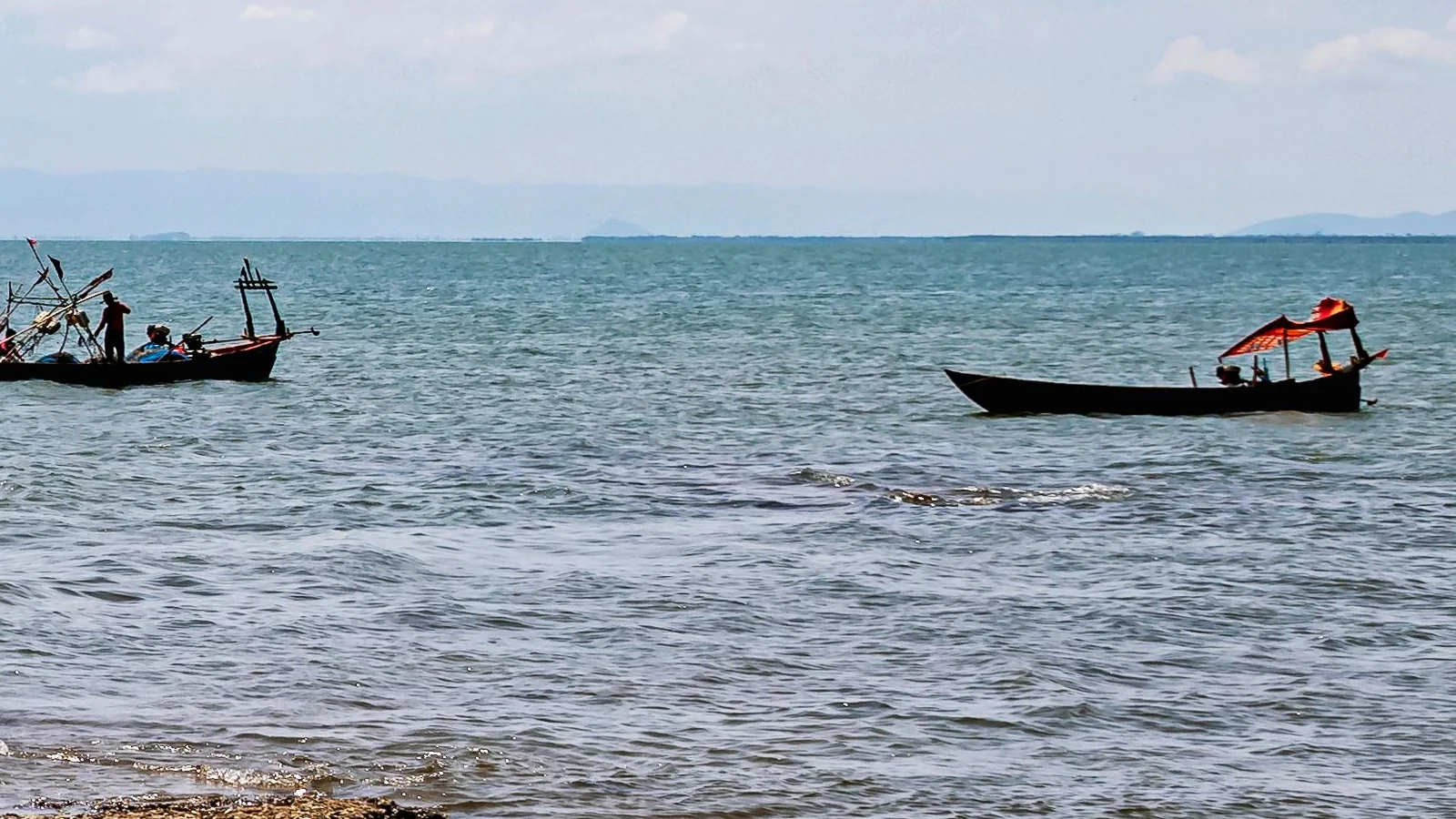
Day 1 morning: start at the Crab Market
Make Kep Crab Market your first anchor. Look at the baskets and seafood stalls before choosing where to eat, and ask before taking close photographs of people working. The point is to understand what is being sold and cooked, rather than treating a working market as a performance. Bring small notes and agree the price, portion and cooking charge before ordering.
For a seated seafood lunch, we recommend considering Holy Crab beside the market. Its over-water setting lets you stay with the coastal view while taking a proper break from the heat. Ask about the day’s catch and current menu; if you want pepper crab, confirm the preparation and full price before ordering. Seafood is not suitable for everyone, so check dietary needs directly rather than assuming a market kitchen can avoid cross-contact.
Mobile data for your trip. Check what your current plan includes for roaming. If you need another option for maps, messages and booking details, compare NXTL eSIM coverage and rates. Check that your phone supports eSIM and is unlocked, and check coverage for every stop. Download important maps and confirmations for offline use too.
Day 1 afternoon: beach shade, White Lady and the crab monument
Rest through the hottest part of the day, then take a shorter outing to Kep Beach. The crescent, roadside food stalls and offshore islands give this stop a different feel from the working market. Choose a shaded place to sit before walking to the White Lady statue on the seawall; it is a useful endpoint rather than a reason to keep extending the walk.
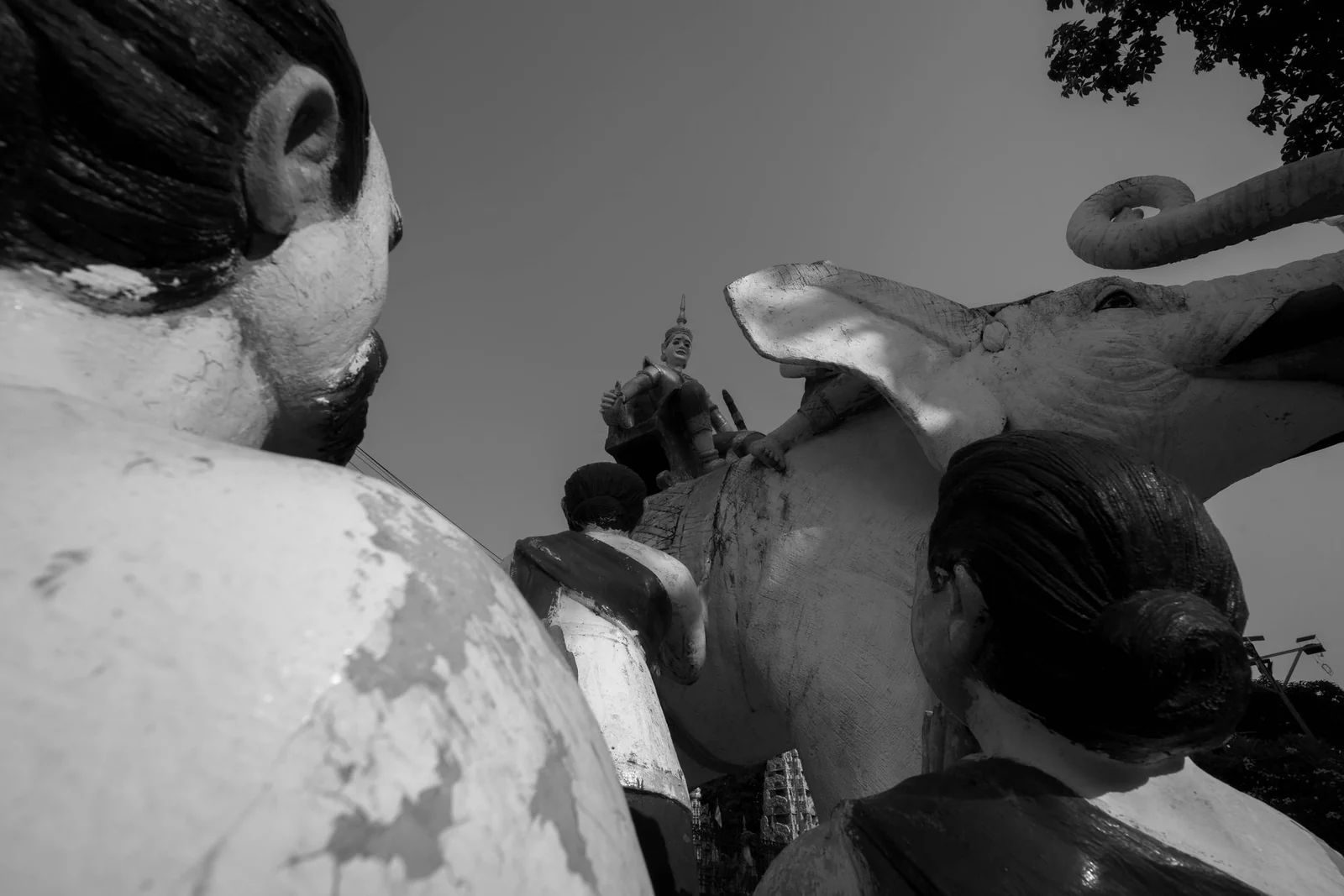
The Crab Statue is a separate seafront photo stop. View the blue sculpture from shore and keep clear of traffic when crossing for photographs. Do not wade out to it or assume a calm-looking photograph describes today’s sea. If you want to swim, ask about current conditions and water quality locally; beach time can just as easily mean a drink, a shoreline stroll and watching the light change.
Day 2 morning: a forest walk above the coast
Use the cooler morning for Kep National Park. Ask your accommodation or the current entrance staff about the open entrance and a marked route before leaving. The established circuit behind Veranda Natural Resort offers forest and coastal outlooks, but you do not need to complete a full loop to enjoy it. Choose an out-and-back section if heat, rain or your return transport makes a shorter outing sensible.
Stay on established paths, carry your water and turn back if ground is slippery or a route is closed. Do not follow an old map onto an unmarked shortcut or assume a viewpoint guarantees a clear view. For a meal after the walk, The Secret Restaurant at Veranda Natural Resort is worth considering for its hillside setting, bakery pastries and coffee. Check service and access for non-resident diners before relying on it; a resort meal does not automatically include pool use.
Day 2 afternoon: keep the coast slow, or choose Rabbit Island instead
After a morning walk, leave the afternoon for a rest and a return to the seafront. Kep’s ruined villas are best treated as occasional views from public roads, not an invitation to enter abandoned structures. Private grounds, unstable floors and barriers take precedence over an attractive photograph. A café stop or another beach visit is a better finish than searching for an unlocked ruin.
If Rabbit Island, Koh Tonsay is your priority, give it the main part of day 2 and move the park walk to another day. Arrange the boat through your accommodation or at Kep Tourist Pier; the crab market is not the default departure point. Confirm return arrangements, lifejackets, luggage protection and weather before boarding. Stay around the landing beach for a simple first visit, and do not make a full island circuit or a swim essential. If the crossing is cancelled, the land-based park-and-coast plan remains available.
A separate option: countryside from a Kep base
For another day, a pepper-farm visit pairs growing vines and a tasting with a rural drive. La Plantation and BoTree are different farms: confirm which one your operator will visit and what the selected ticket covers. La Plantation asks visitors to reserve visiting slots from November to March; guided experiences and cooking classes have their own booking terms. Keep this outing separate from Rabbit Island rather than trying to join a boat crossing and a long countryside circuit.
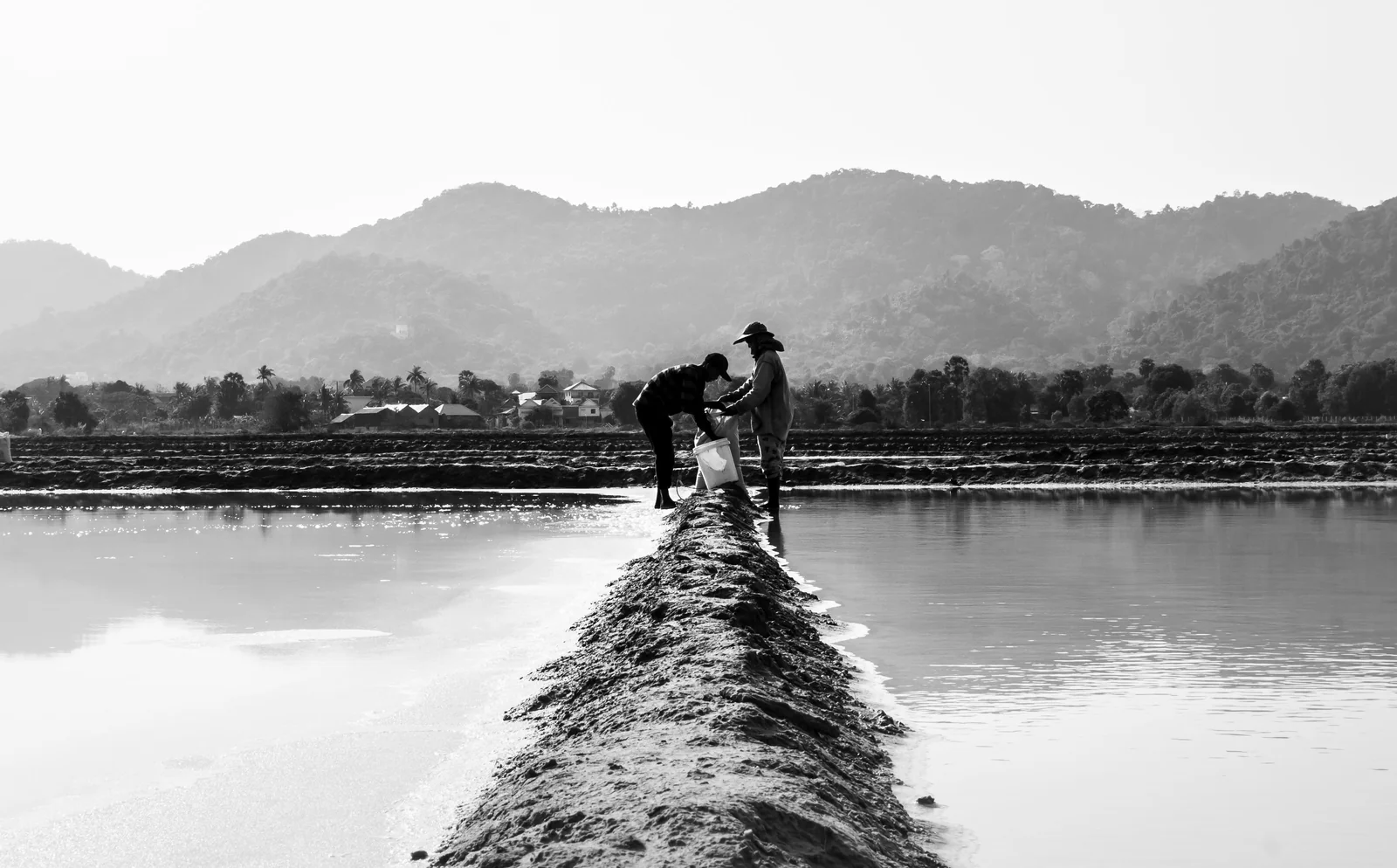
Phnom Sorsia is a limestone hill with shrines and caves, distinct from Phnom Chhngok. Uneven floors and narrow passages make the caves an optional choice, especially for anyone with mobility concerns or discomfort in enclosed spaces. Ask about a land-based substitute before booking if you would skip them. Secret Lake is an artificial reservoir; hearing its history is more useful than assuming a photo stop includes swimming. Salt harvesting depends on dry weather.
For an organised outing starting and finishing in Kep, consider From Kep: Phnom Sorsia Caves, Pepper Farm & Secret Lake Tour. Mr Sana Tours lists an English-speaking driver/guide, tuk-tuk transport, hotel pickup and drop-off, water and a coconut. Confirm your pickup address, chosen farm, admissions, guided tasting, meal stop, group format and available departure time. La Plantation’s guided experience is extra; check the farm’s own current entry terms. The cave passages are narrow and uneven, and the listing excludes people with mobility impairments and people over 95. The farm can change with availability; salt harvesting and sugarcane stops are seasonal. This replaces a day in the plan rather than fitting around the island trip.
Pack for the outing you actually choose
Bring breathable clothes, sun cover, water and shoes with grip for the forest. Add a dry bag, secure sandals and swimwear only if your plan includes a boat or suitable swimming conditions. Cover shoulders and knees at shrines. Keep a rain alternative and the driver’s contact details saved on your phone.
Kep’s stops are spread out enough that a return ride matters. Agree waiting, pickup location and payment before leaving, especially for the park, pier or countryside. Use the railway or intercity bus booking site for onward travel, and arrange the last stretch to your accommodation separately. A saved map helps with orientation but does not book a driver or reserve a boat.
Check before you go
Opening arrangements and visitor rules can change. Check the official information before your trip.
- Cambodian government coastal programme — Kep visitor destinations
- Kep visitor site — Crab Market
- Kep visitor site — Holy Crab location
- Veranda Natural Resort — The Secret Restaurant and bakery
- Kep visitor site — established national-park circuit
- Kep visitor site — tourist pier
- La Plantation — current visitor bookings
- Mr Sana Tours — exact product and option details
- Locally based Discover Kampot — Kep route suggestions