Day 1 morning: the Old Market and shophouse streets
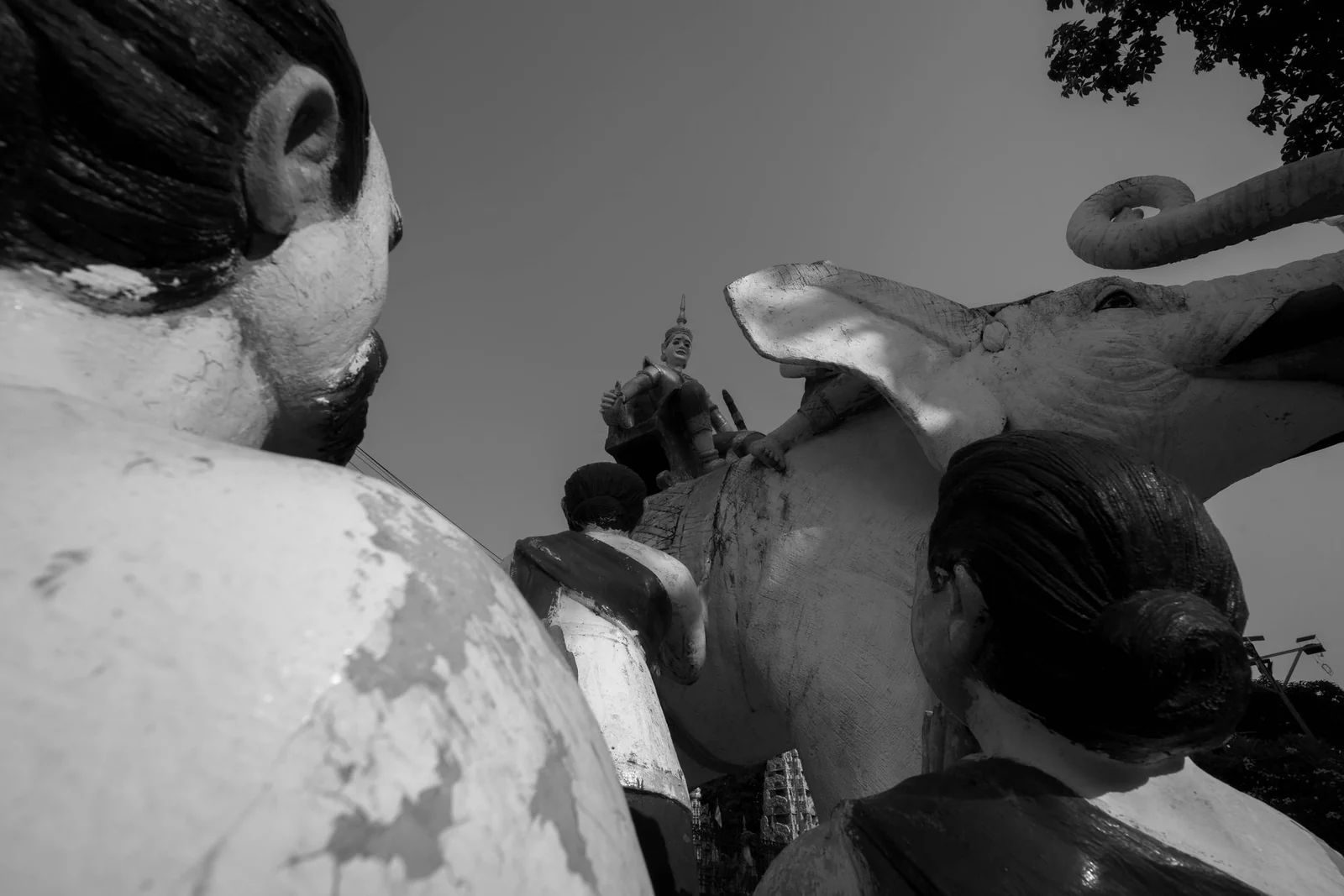
Begin around Kampot’s Old Market and walk the surrounding shophouse streets while the day is still relatively cool. Look up at shuttered windows and shaded frontages, but treat shops and homes as occupied spaces. Turn towards the Durian Roundabout for a view of the town’s oversized fruit monument; enjoy it from the pavement rather than stepping into moving traffic.
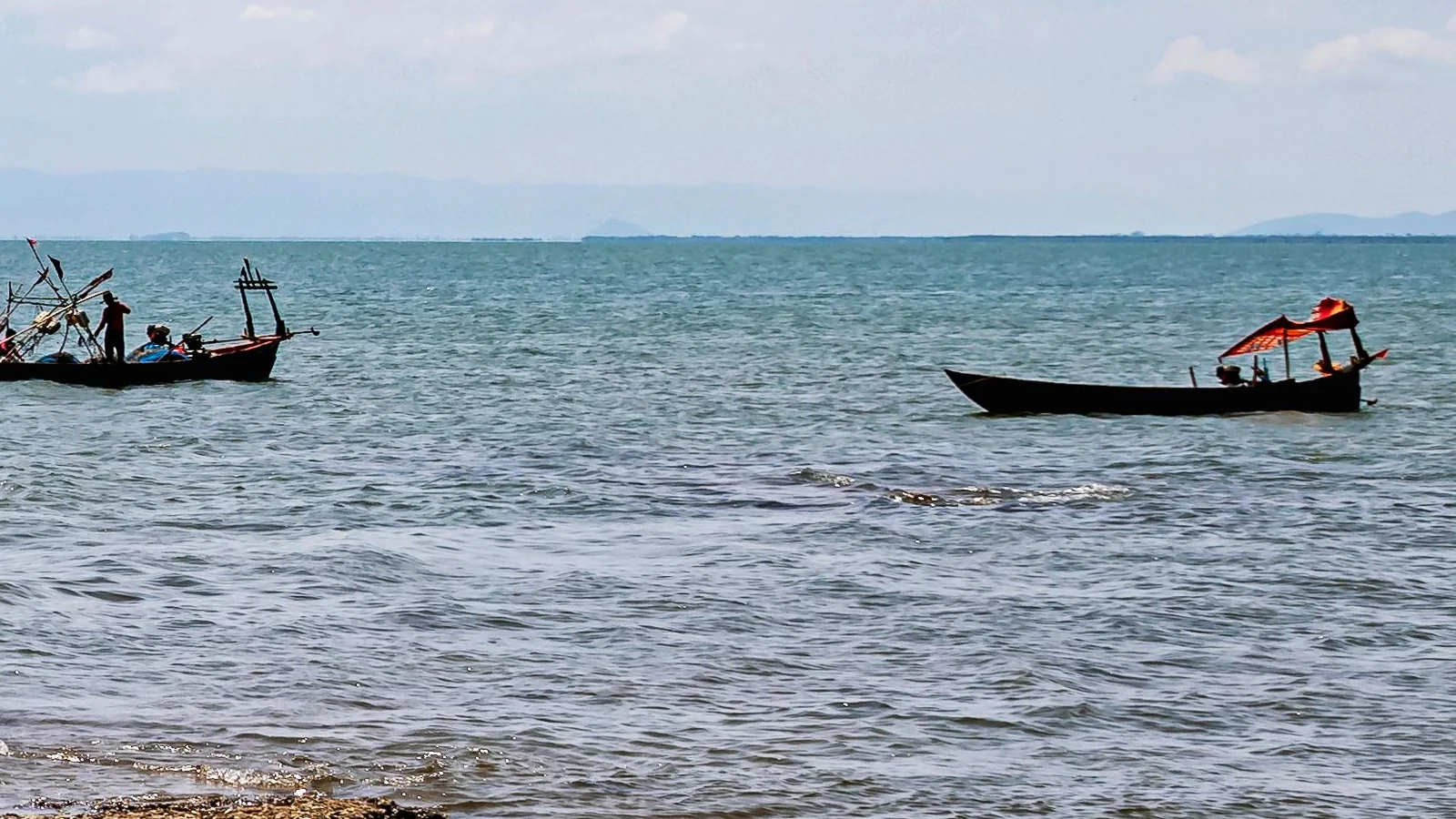
Continue towards the river and the Old Bridge. Its different steel spans are part of the view, but crossing it is optional: follow the current signs and keep clear of vehicles. A riverbank view gives you the bridge, moored boats and mountains without making a narrow crossing essential.
Mobile data for your trip. Check what your current plan includes for roaming. If you need another option for maps, messages and booking details, compare NXTL eSIM coverage and rates. Check that your phone supports eSIM and is unlocked, and check coverage for every stop. Download important maps and confirmations for offline use too.
Day 1 lunch and a gentler riverfront afternoon
We recommend Epic Arts Café for a relaxed meal and a chance to browse the upstairs creations shop. Its inclusive workplace employs people with and without disabilities, and purchases support its arts and education work. Use the café’s own map link: it has moved, so the address in older food guides can send you to the wrong place. Order from the current menu and use the order forms provided.
After a midday rest, return to the east-bank promenade for the changing river light. Make the Old Bridge and former fish-market area your anchors rather than walking until you are too hot to enjoy the way back. If rain is persistent, shorten the loop and spend longer over a café stop; the day still works without a boat trip.
Day 2 morning: working salt fields and a countryside ride
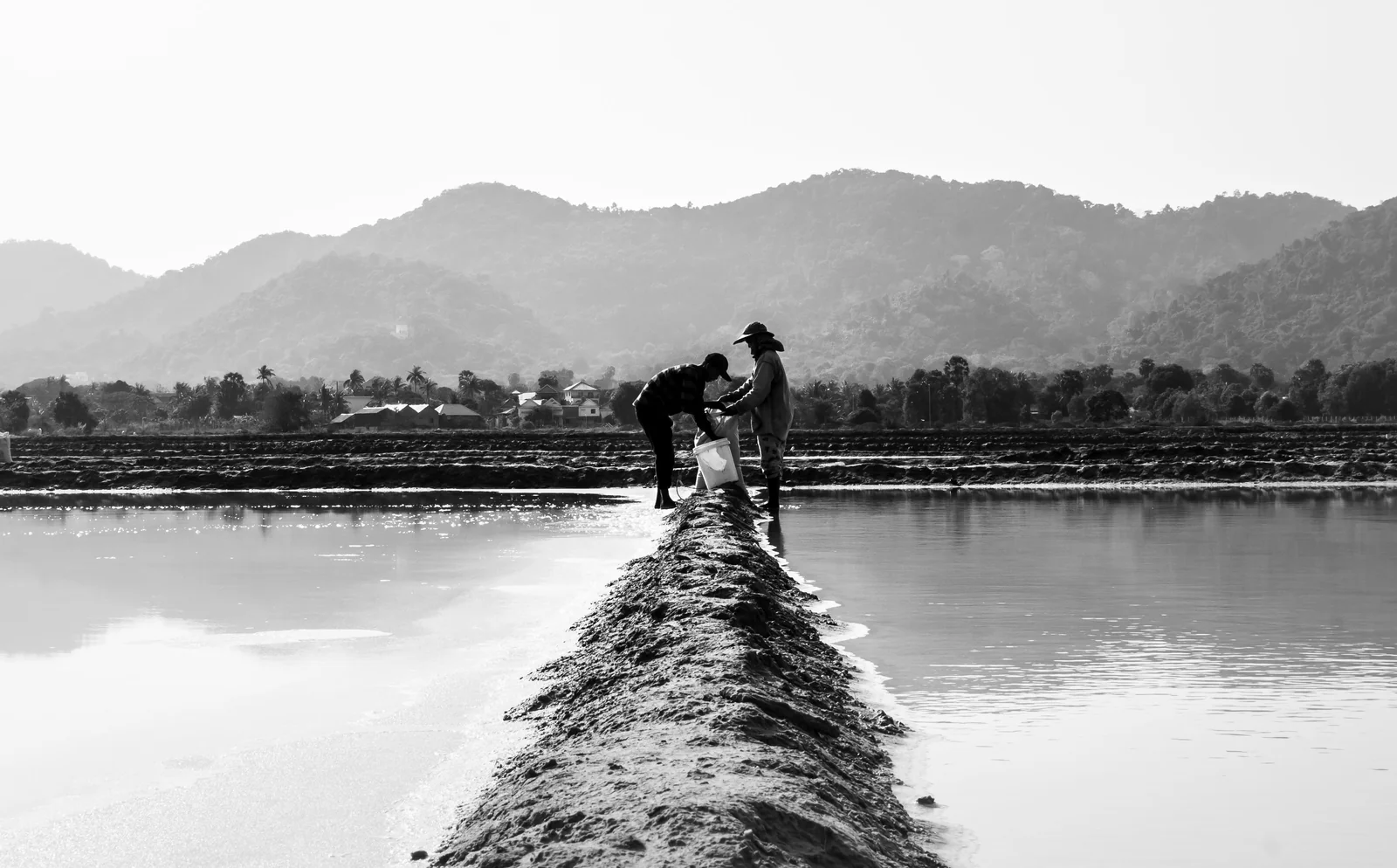
Arrange a driver or a guided circuit before leaving town, including waiting, admissions and the return. The salt fields are working landscapes, not a staged performance. In dry weather you may see brine pans, crystallised salt and baskets being carried to storage. In the wet season there may be no harvesting; the value of the stop is then an explanation of the process rather than a promised spectacle.
Ask permission before photographing workers. Stay on the route your host identifies, keep out of the pans and do not walk onto narrow embankments simply to copy a photograph. Bring sun cover and water: the reflective ground offers little shade. The photograph above shows the working landscape, not a guarantee of what will be happening on your visit.
Day 2 afternoon: pepper growing and a tasting
Make La Plantation the main farm stop, with time to see the pepper vines and compare the flavours during a guided tasting. Check what your booking includes: self-guided entry, the standard guided visit and specialist experiences are different products. The farm requests visiting slots from November to March; cooking classes need booking no later than the previous day. Do not assume older descriptions of a free tour still apply.
For lunch at the farm, we recommend considering aubergine or beef lok lak with Kampot pepper from the current restaurant menu. It connects the tasting to a cooked dish and avoids squeezing a return to town between farm activities. Check restaurant service and your tour’s meal break before booking; lunch is separate unless explicitly included. If you prefer to return earlier, keep the café meal in town and make the farm visit shorter.
For an organised countryside circuit, consider Kampot: 4-Stop Countryside & La Plantation Pepper Farm Tour. The listing describes salt fields, Phnom Kbal Romeas cave, Secret Lake and La Plantation, with English-speaking guiding, water and a farm tour in English or French; meals are excluded. Shared and private formats differ, and some stops are marked optional. Confirm your selected route, pickup address, admissions and date availability. Salt is not harvested in the wet season. Closed-toe shoes are requested; the listing excludes people over 70 and does not allow strollers.
Choose the cave carefully, or skip it
Some countryside circuits include a limestone cave and the reservoir known as Secret Lake. They are optional additions to this plan. Check the exact cave name: the linked tour currently describes Phnom Kbal Romeas, which is not the same place as Phnom Chhngok’s cave temple. Ask about steps, footing and any local guide before going inside. Skip the cave if confined spaces, mobility or wet ground make it unsuitable.
Secret Lake is a reservoir with a history tied to Khmer Rouge-era forced labour. Allow space for that context rather than presenting it only as a photo stop. Do not add swimming or kayaking on the strength of a sightseeing stop; those require their own operator, safety assessment and equipment.
Where Bokor fits, and what to bring
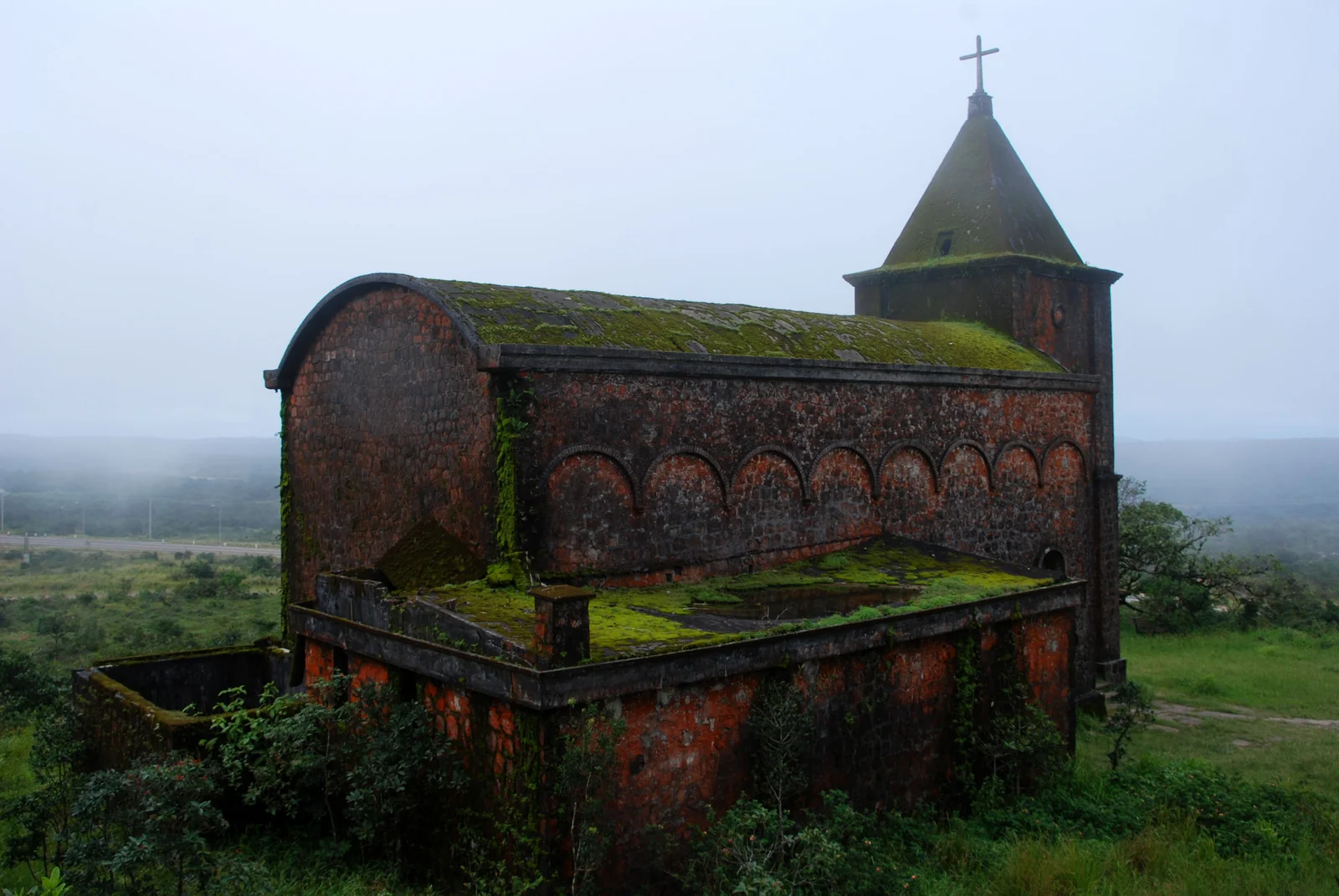
Bokor’s plateau, church and Wat Sampov Bram deserve a separate outing. Choose that instead of the farm day if mountain heritage matters more to you, or stay another day. Trying to combine both makes meals, weather changes and return transport harder to manage.
For this weekend, pack breathable sun-covering clothes, a refillable water bottle and shoes that grip on uneven ground. Add rain cover for open-sided transport and a light layer if you choose Bokor. PassApp can help with a city ride when drivers are available; a countryside circuit needs an agreed return rather than an assumption that an app pickup will appear.
Check before you go
Opening arrangements and visitor rules can change. Check the official information before your trip.