Begin with the civic square and its clock tower
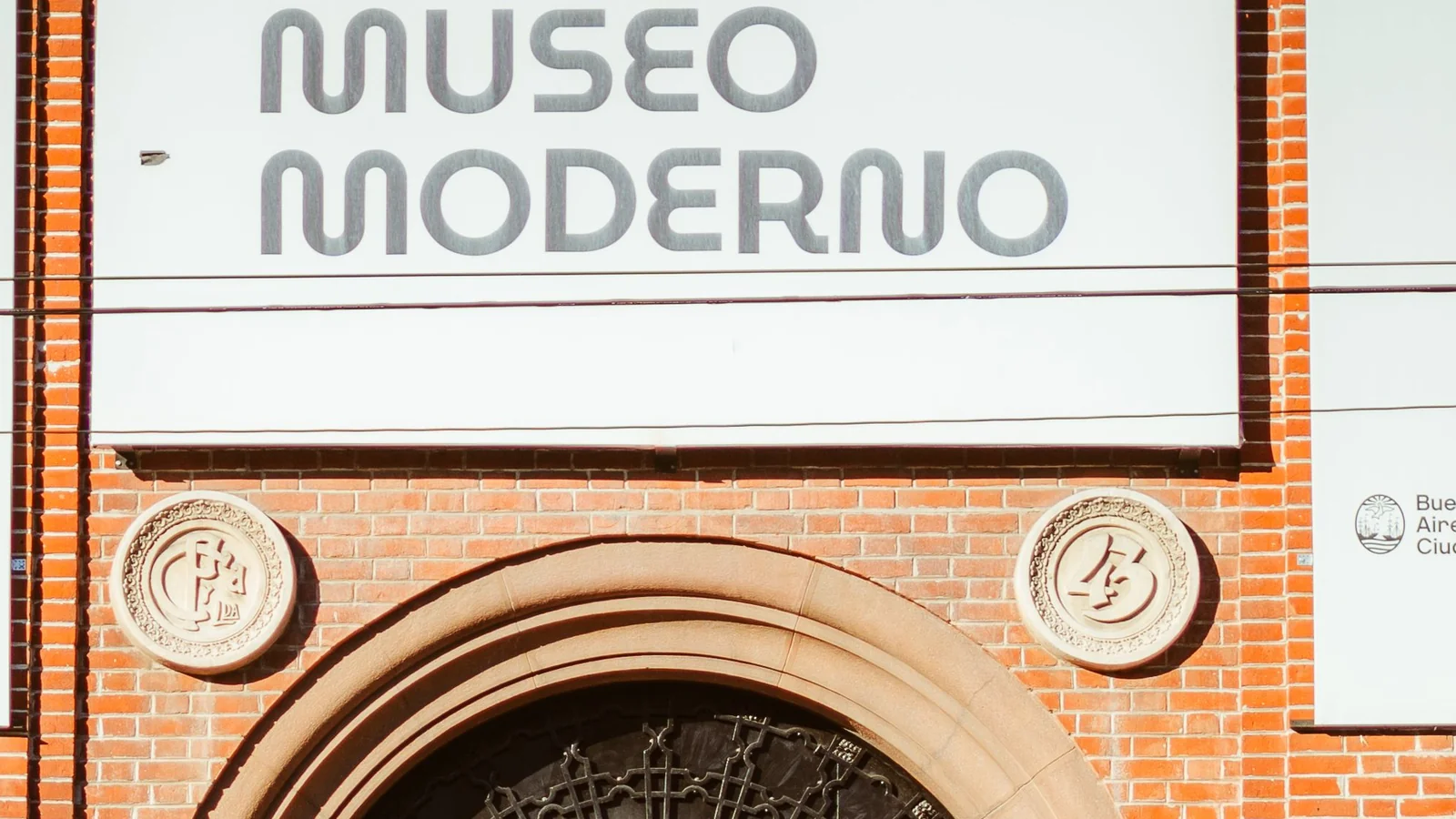
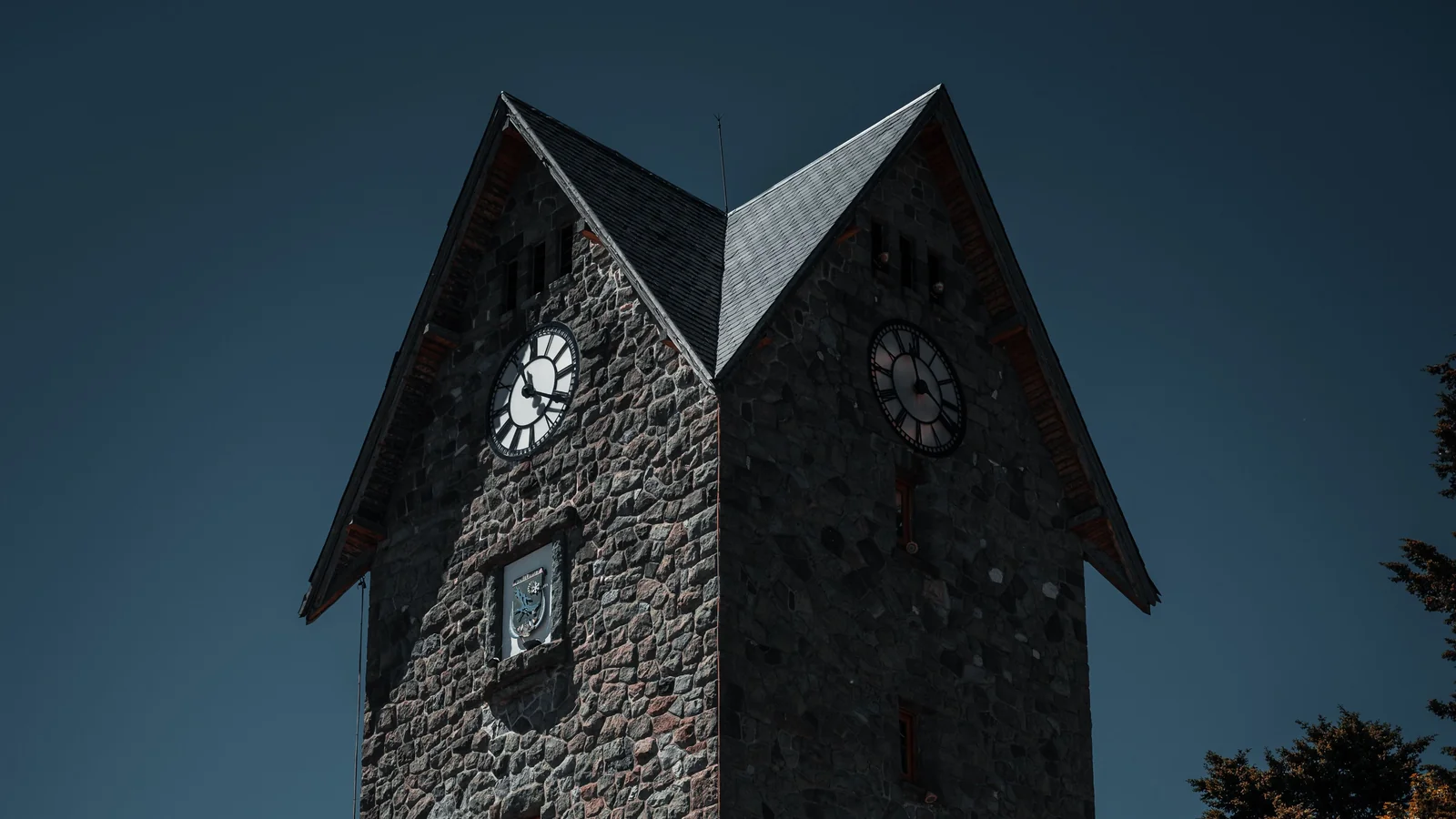
Start in the Centro Cívico square and look at how the clock tower, pitched roofs, timber façades and stone arches belong to the same ensemble. The lake is part of the setting, but the buildings reward a slower look before you move to the shops. Notice the changes between stone walls, wooden balconies and the open space of the square.
Keep clear of traffic and give events or public gatherings room. A lively square is not an invitation to step into the street for a photograph. In rain or strong wind, make this a shorter outdoor introduction and leave more time for an available interior or your chocolate pause.
Use the museum for a closer look at Patagonia
The Museo de la Patagonia is within the Centro Cívico complex and makes sense before you leave the square. Its exhibitions give the outing a regional-history focus beyond the architecture. Choose the galleries that interest you rather than assuming that a first city walk needs to cover the whole museum and every nearby attraction.
The national-park operator’s current visitor page lists weekday visiting hours with a midday break. Check that page before planning an interior visit, especially at a weekend or around a holiday; broader tourism listings can describe different museums or older schedules. If the timing does not fit, keep the square and exterior architecture as your starting point and continue to Mitre.
Choose a guided history branch if that is your main interest
A guided walk is a useful alternative if you want more context about the city’s architecture and German-speaking immigration. Treat it as a separate block starting from the civic centre rather than assuming it follows every stop in this self-guided plan. It can replace the museum portion of your outing, leaving the chocolate stop or cathedral for later.
The matched option explores immigration history and myths through sites in the German neighbourhood. Its published route includes the German School and other historical addresses; it is not a general tasting tour or a promise of museum entry. Read the scope before choosing it, and do not treat a guide’s discussion of a theory as a reason to repeat that theory as established fact.
For that focused historical alternative, consider the Bariloche German Immigration History & Myths walking tour. The listing describes about ninety minutes and roughly a kilometre on foot, starting by the civic-centre tourist office and continuing into the German neighbourhood. Choose the actual English or Spanish departure for your date; standard groups can reach thirty people. Plan the museum and any food purchases separately.
Follow Mitre to a chocolate pause
Walk along Mitre, the central shopping street, and pause at Rapanui at Mitre 202. We recommend it here because the stop fits the route and lets you try Bariloche’s chocolate-making tradition without adding another journey. The venue makes chocolates, ice cream and pastries; choose something that suits the weather and your appetite rather than treating a tasting as a compulsory full meal.
Leave time to sit down if you want a longer break, and check the current menu or dietary information directly. A shopping or café stop is separate from any museum or walking-tour booking. If the street is busy, keep your bag secure and choose a comfortable pause instead of rushing between several chocolate shops simply to compare them all.
Mobile data for your trip. Check what your current plan includes for roaming. If you need another option for maps, messages and booking details, compare NXTL eSIM coverage and rates. Check that your phone supports eSIM and is unlocked, and check coverage for every stop. Download important maps and confirmations for offline use too.
Keep the cathedral and lakefront as a flexible extension
The Catedral Nuestra Señora del Nahuel Huapi is another central landmark, at Vicealmirante O’Connor 500. Its neo-Gothic stone exterior and stained glass give this part of the outing a different character from the civic square. Check the church’s current visitor arrangements and give worship priority; an exterior view is still worthwhile if an event limits entry.
Add a short section beside Nahuel Huapi only when the conditions feel comfortable. The exposed lake edge can be windy and cold even when the shopping streets feel sheltered. Keep to public walking areas and shorten the extension in poor weather. This route does not require a swim, boat trip or a journey into the national park.
Dress for the lake breeze and a calm return
Use comfortable shoes and removable warm layers, with wind and rain protection in reach. Summer afternoons are milder but evenings remain cool; winter calls for warmer clothing and attention to slippery surfaces. Bring sun protection and water for the outdoor parts, and keep specialist mountain gear conditional on a separate confirmed activity.
For a bus return, check Mi Bus’s current route and timetable on its mobile website. Route information does not pay the fare or activate a digital card, and the operator describes live bus positions as a future feature. Keep an accepted payment method and a backup ready, and finish while you still have time for an unhurried journey.
Check before you go
Opening arrangements and visitor rules can change. Check the official information before your trip.
- Bariloche tourism — Centro Cívico architecture and setting
- Nahuel Huapi National Park — Museo de la Patagonia visitor information
- Bariloche tourism — cathedral and central landmarks
- Rapanui — current products and Bariloche address
- Patagonia Magazine — locally written Rapanui guide
- Bariloche tourism — Rapa Nui venue update
- Mi Bus — current routes and transport guidance