Find the archaeological site, not the shopping centre
Navigate to the Agora of Smyrna in Namazgâh, Konak. İzmir also has an Agora shopping centre in Balçova, so check the map pin before taking a taxi or following a search result. The archaeological site sits in the historic city rather than on a beach-resort excursion route.
Arrive with comfortable shoes and a small bag. You can combine the visit with the bazaar, but plan the ticketed site before last admission rather than leaving it as an uncertain extra after shopping. Consult the official visitor page for the entrance arrangements on your day.
Mobile data for your trip. Check what your current plan includes for roaming. If you need another option for maps, messages and booking details, compare NXTL eSIM coverage and rates. Check that your phone supports eSIM and is unlocked, and check coverage for every stop. Download important maps and confirmations for offline use too.
Start with the shape of the courtyard
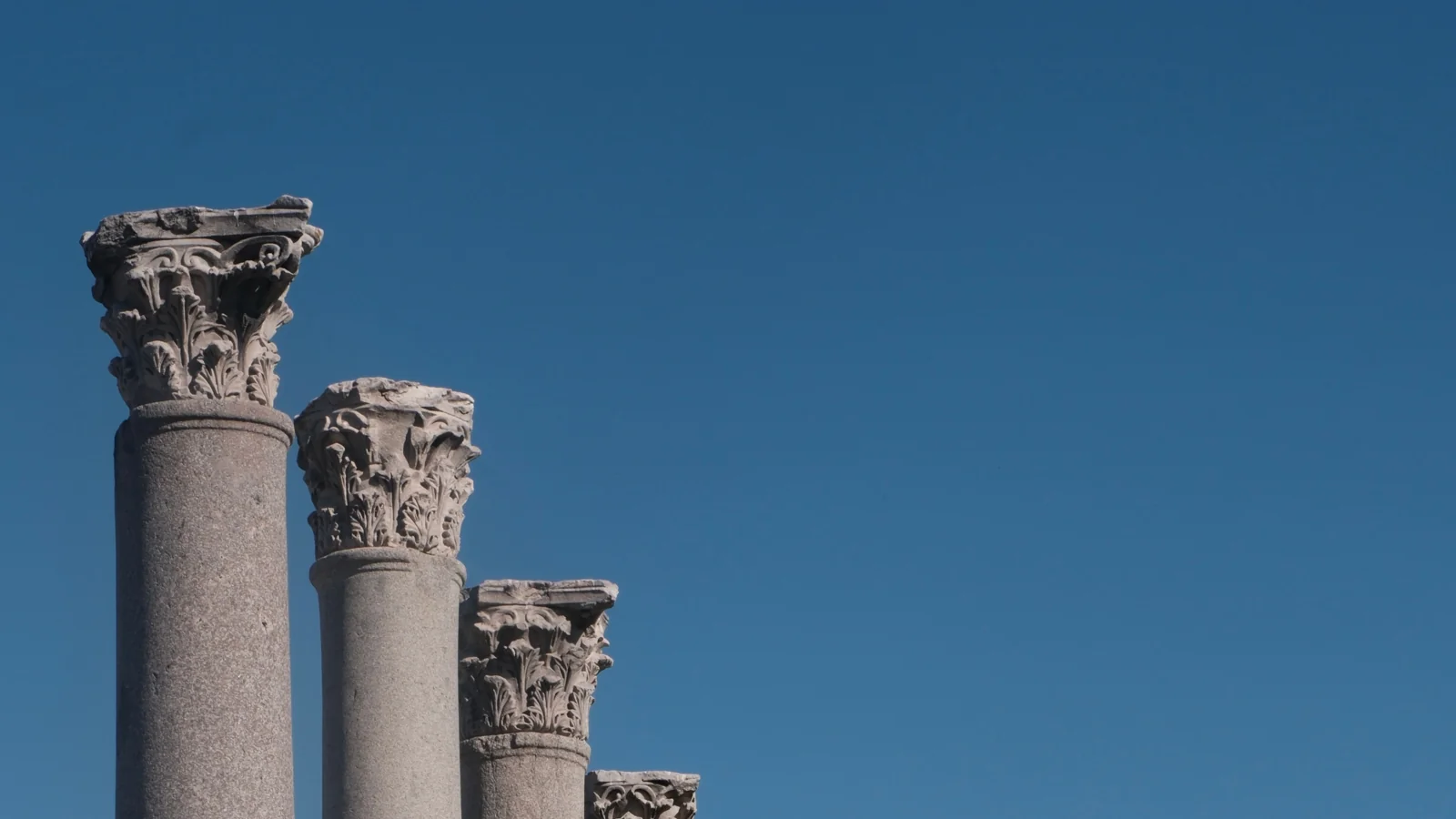
Look first for the open central area and the lines of columns defining its edges. The Agora was a place of civic life as well as exchange, so the arrangement matters as much as an isolated capital. Read the on-site interpretation to separate the different periods visible in the surviving structures.
The site’s history extends beyond the Roman remains now most apparent. Avoid treating every fragment as part of one moment in time or confusing Smyrna with Ephesus. Pause where the permitted path offers a broad view before moving closer to individual details.
Look for the basilica and western stoa
Follow signs to the northern basilica and western stoa where the visitor route permits. Notice the relationship between the upper colonnades and the lower arches and vaults: changes in ground level are part of understanding how the complex occupied its site. Compare these structural spaces with the exposed courtyard.
Excavation and conservation continue in the wider complex. Stay behind barriers, leave loose stone fragments in place and do not assume every lower passage is open. If an area is restricted on your day, use the visible columns and interpretation as the focus instead of seeking another way in.
Use the current seasonal timetable
Checked on 24 October 2026, the provincial tourism directorate’s winter schedule covers 1 October 2026 to 1 April 2027 and lists the Agora for daytime visits with ticket sales ending before site closing. Recheck that official page for seasonal changes, event arrangements and the latest last-entry time.
Admission rules can vary by visitor category. Do not assume a Turkish-citizen MüzeKart provision applies to your passport or that an unrelated city walking tour includes the entrance fee. Choose and pay for the appropriate visitor ticket through the official arrangements.
Pair the ruins with a compact bazaar outing
After the archaeological visit, head into Kemeraltı and use Kızlarağası Hanı as a clear meeting point. The change from civic ruins to a working shopping district makes a useful pairing without another cross-city journey. Allow a proper meal break before turning the afternoon into more sightseeing.
For a small sweet finish nearby, Meşhur Hisarönü Şambalicisi serves şambali with optional kaymak. Carry water for warm weather and use a hat on the exposed sections of the site. If rain makes the paths uncomfortable, shorten the visit and save the longer market wander for a drier interval.
Check before you go
Opening arrangements and visitor rules can change. Check the official information before your trip.