Find the right museum on Türkocağı Sokak
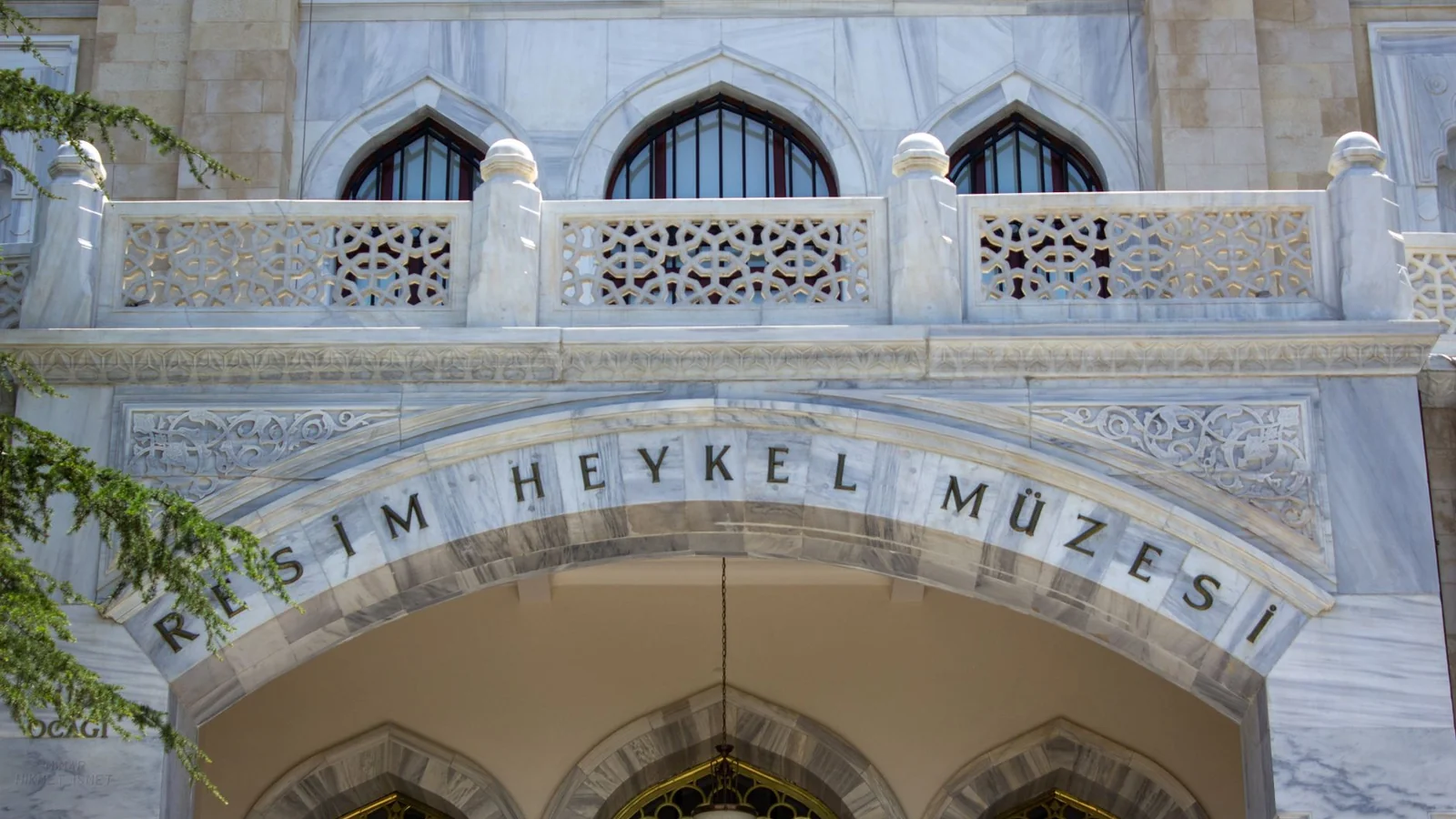
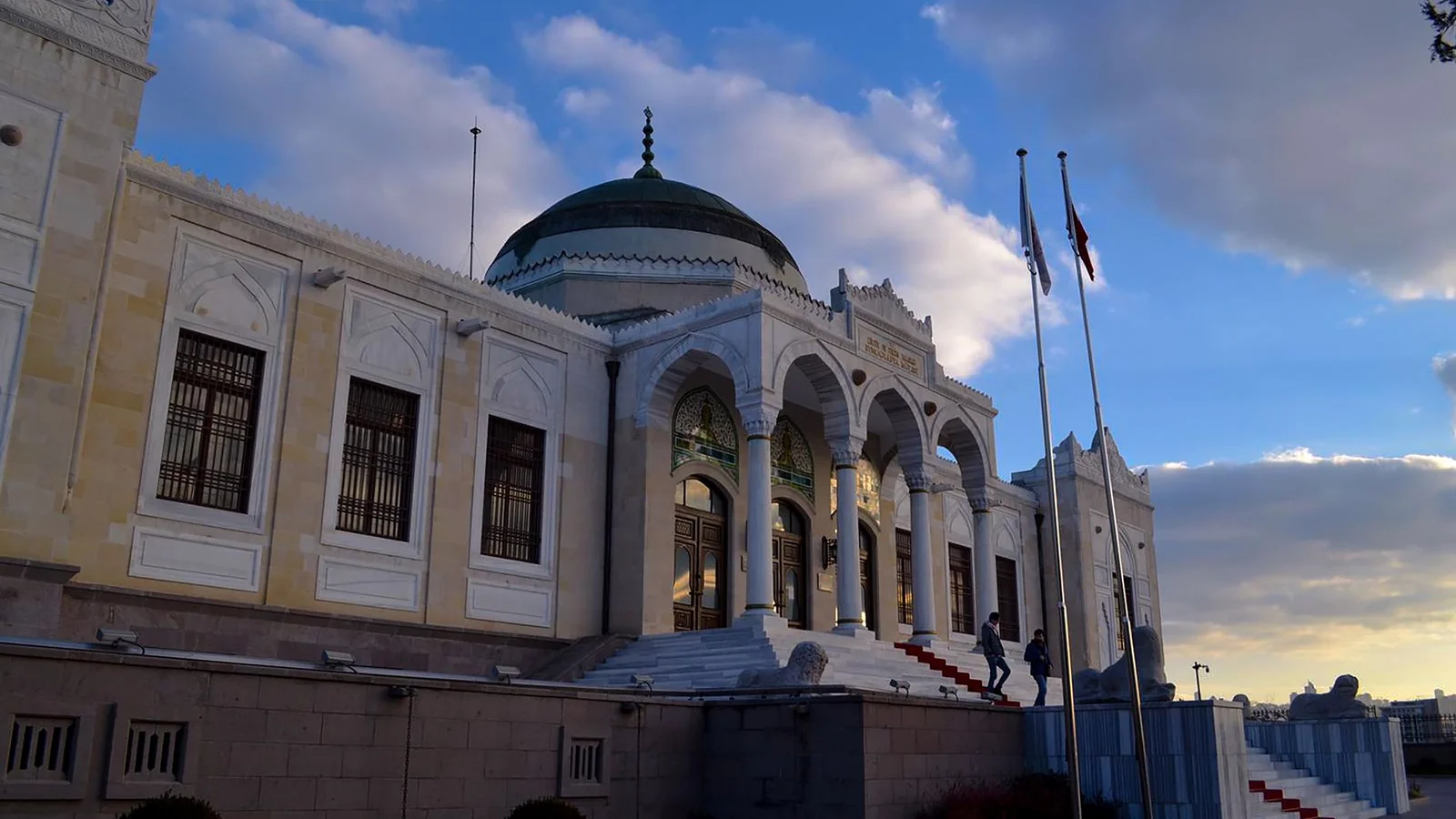
Set your destination to Ankara Ethnography Museum, not the Museum of Anatolian Civilisations. The institutions have different collections and sit in different parts of the old-city area. The Ethnography Museum is near the Painting and Sculpture Museum, making a two-museum outing possible without combining their admissions or hours.
Check the current visitor information before leaving. A museum day still involves an outdoor approach; bring rain protection and shoes suitable for the slopes around the buildings.
Mobile data for your trip. Check what your current plan includes for roaming. If you need another option for maps, messages and booking details, compare NXTL eSIM coverage and rates. Check that your phone supports eSIM and is unlocked, and check coverage for every stop. Download important maps and confirmations for offline use too.
Begin with carved wood
The woodwork galleries reward close looking. Compare carved door panels, the arrangement of geometric ornament and the way a large architectural object was made to fit a particular space. Read the object labels for origin and date rather than treating everything as one undifferentiated Ottoman style.
The ministry’s gallery description includes the wooden mihrab and minbar from Taşkunpaşa Mosque and door leaves from Ankara’s Kuyulu Mosque. Displays can rotate, so use these as subjects to look for, not a guarantee that every named piece will be on view.
Move from woven surfaces to daily objects
In the carpet and kilim gallery, compare repeated patterns, borders and changes of colour. Then choose a few ceramic, glass or metal objects and think about how they would have been handled or used. This gives the visit a clear thread even if you do not read every label.
The Ankara house display and clothing-related galleries shift the focus from large monuments to domestic life. Allow time for these contrasts instead of trying to photograph the entire collection. Follow the current photography rules and leave display cases clear for other visitors.
Notice the memorial history
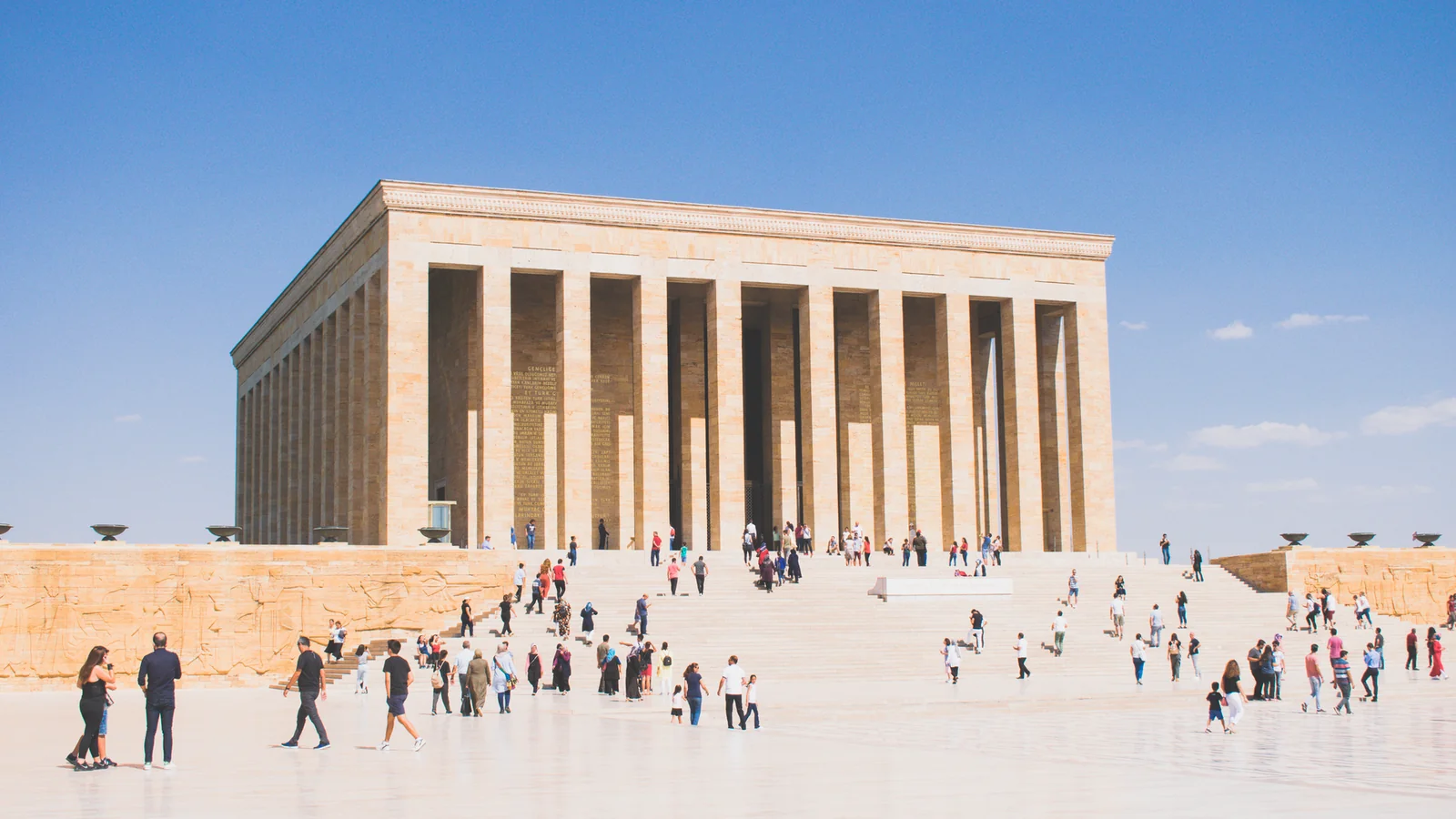
The museum also has a connection to Atatürk: it held his remains before their transfer to Anıtkabir. Pause at the relevant memorial space and read the interpretation on site. This is a useful connection if you have visited the mausoleum, but it does not make the two museums interchangeable.
A shorter visit can concentrate on woodwork, textiles and that memorial connection. Stop before you are tired of looking; a small number of remembered objects is more useful than rushing every room.
Choose a gentle continuation
If you want another museum, the neighbouring Ankara Painting and Sculpture Museum changes the subject to art. Check its separate ticket and Monday closure before deciding. A full second collection is optional; leave a meal break between visits if you intend to spend much of the day indoors.
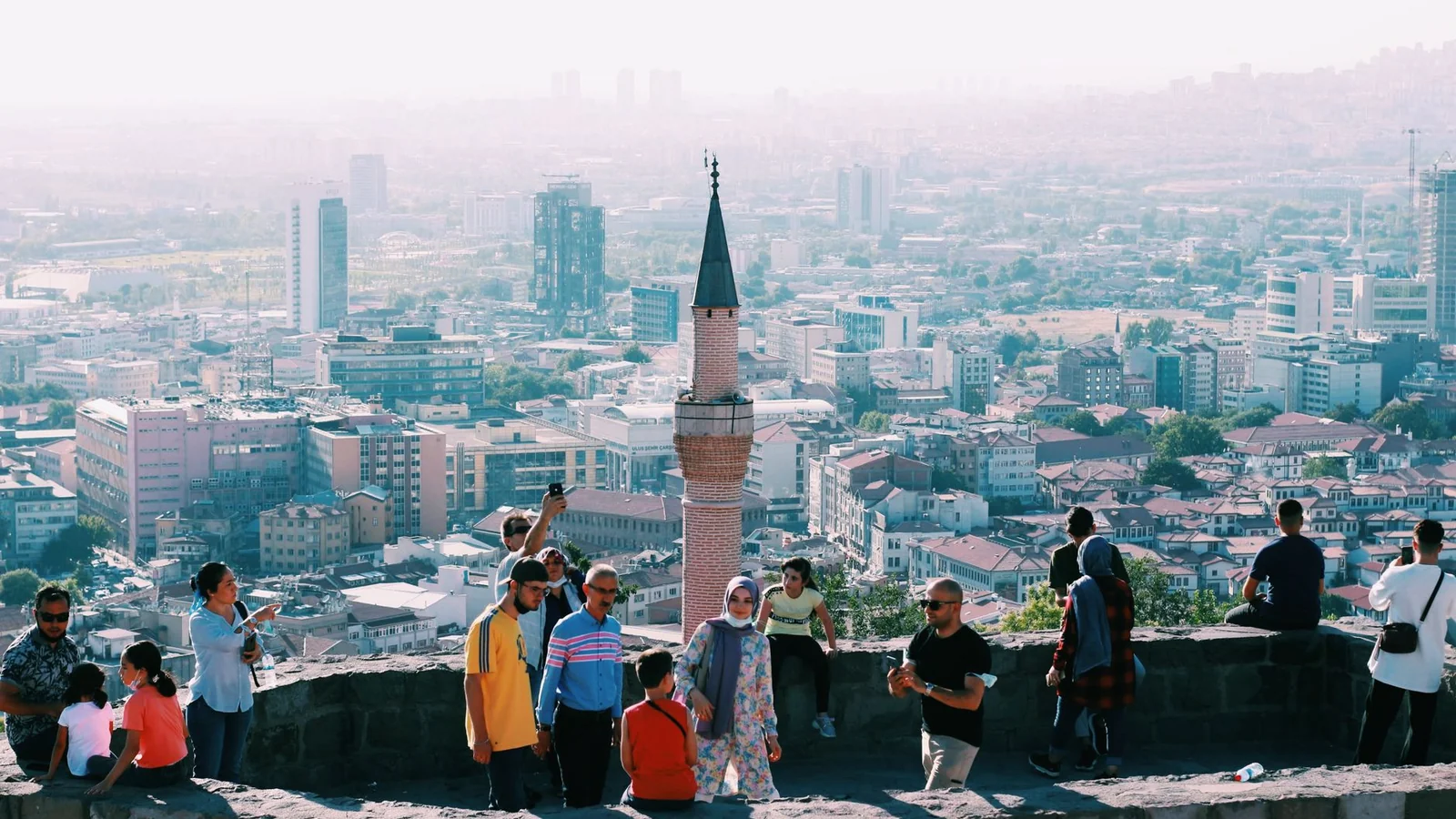
Alternatively, continue toward Hamamönü for its restored-house streets, using the current map and a route that suits your legs. Do not assume a house, workshop or small museum is open simply because its exterior can be seen. In wet or icy weather, finish the outing here and use transport back.
Check before you go
Opening arrangements and visitor rules can change. Check the official information before your trip.