Approach along Plaza Tapatía
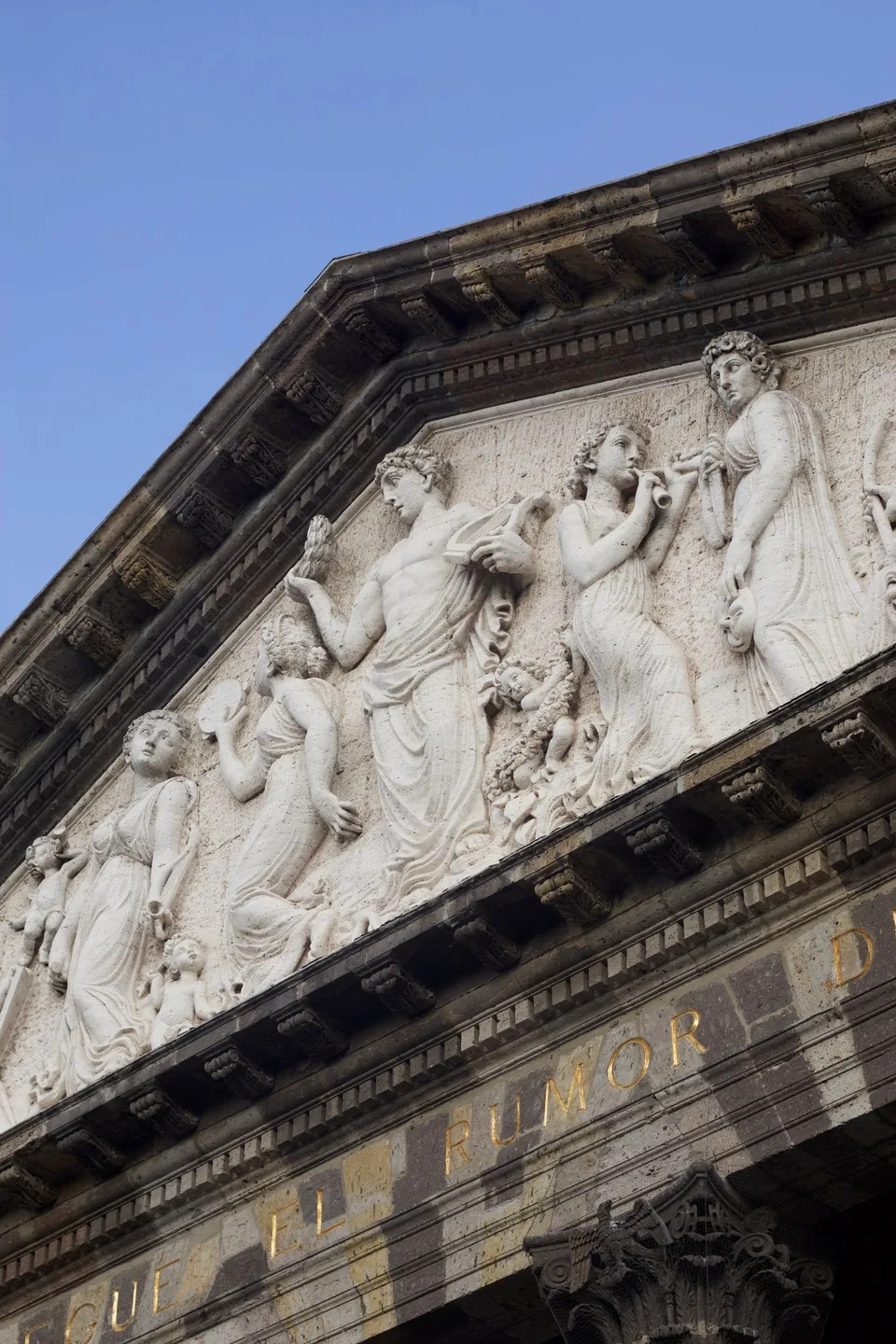
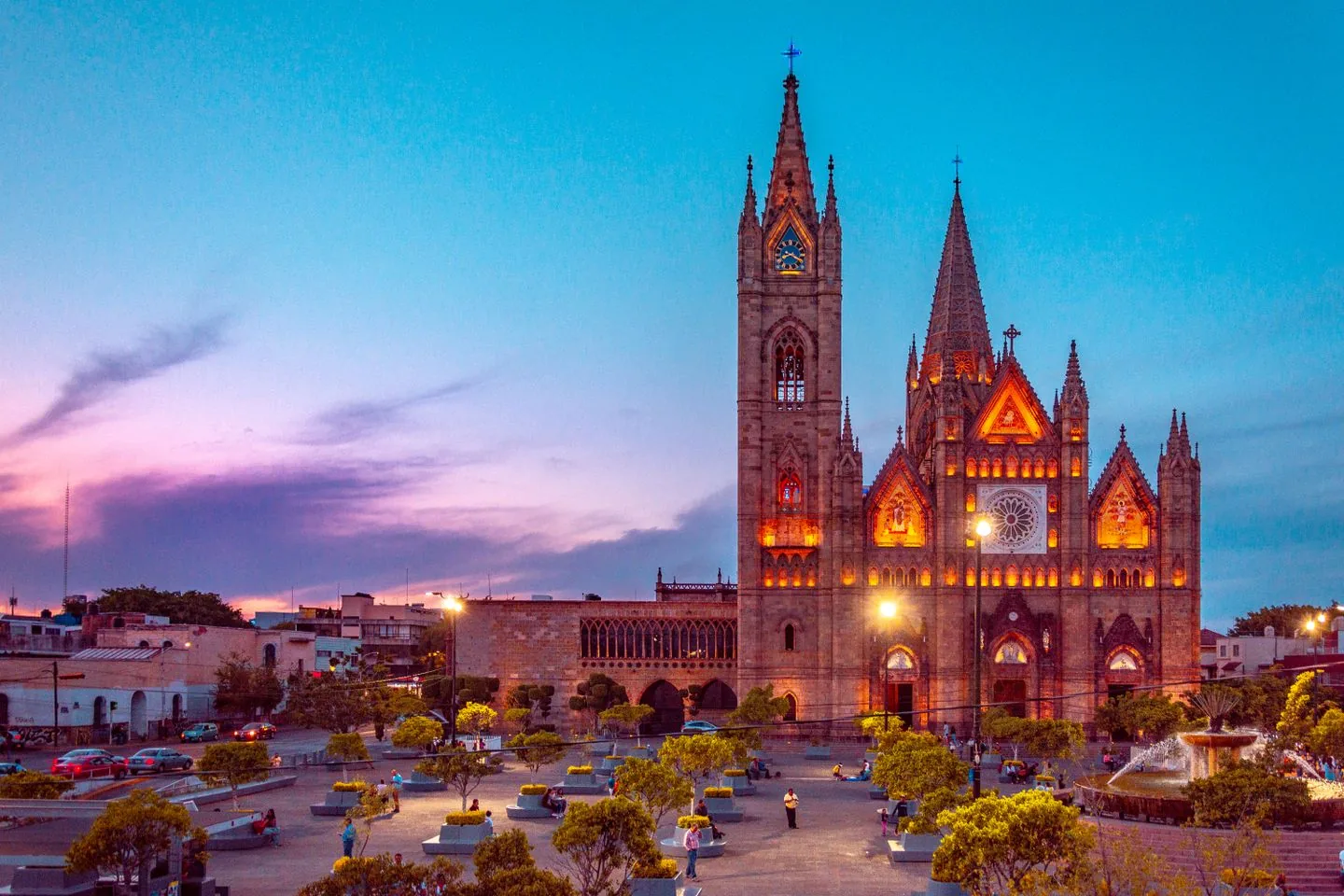
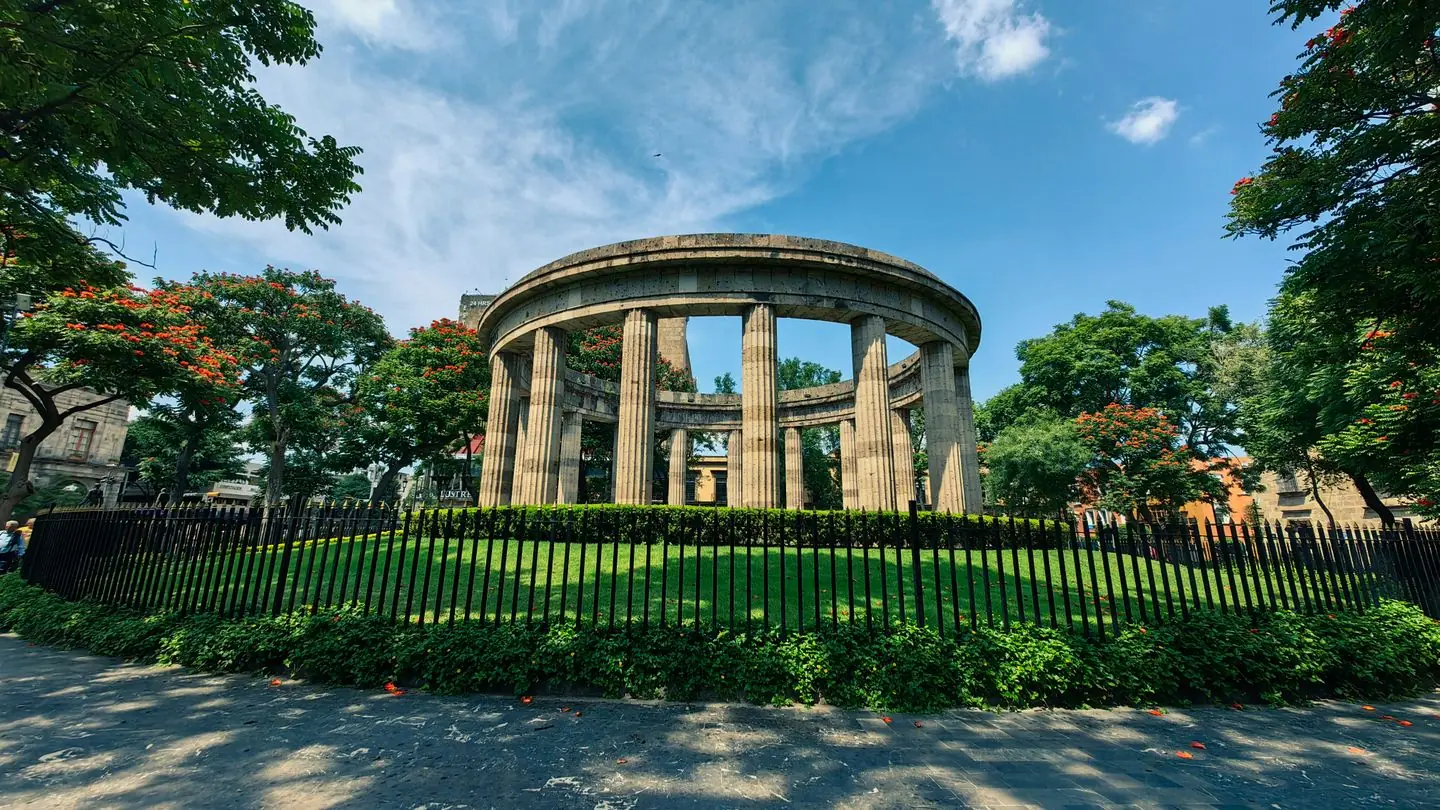
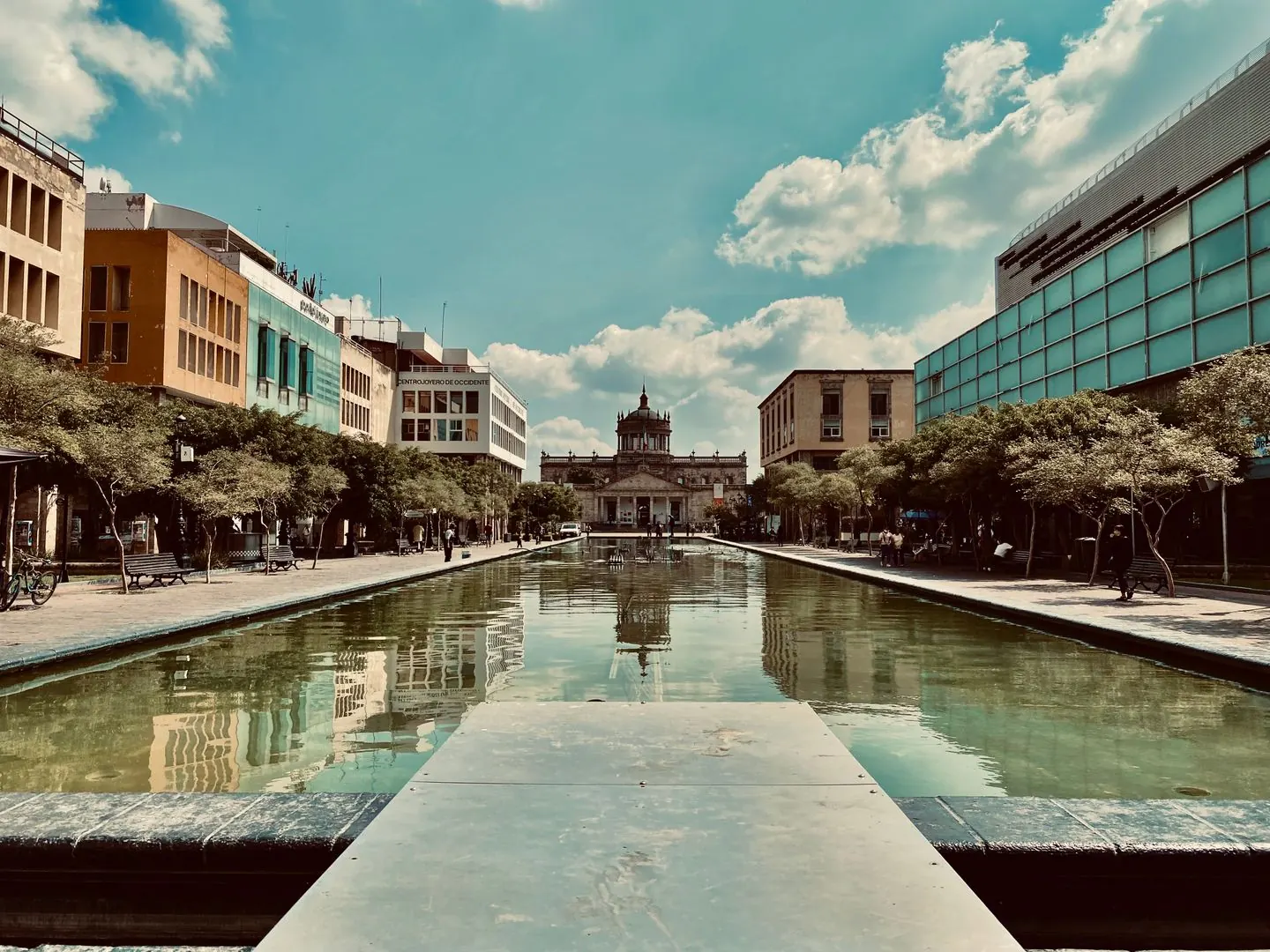
From Teatro Degollado, continue east along the pedestrian spaces of Plaza Tapatía towards Museo Cabañas. The long approach makes the building’s broad frontage and central dome easier to read than a quick arrival at the door. Stop clear of moving pedestrians when photographing the axis.
Save your energy for the museum. If you have already walked the Cathedral circuit, skip extra shopping stops and go directly to the entrance. The exposed approach can feel hot; a hat and drinking water are more useful here than a heavy day bag.
Mobile data for your trip. Check what your current plan includes for roaming. If you need another option for maps, messages and booking details, compare NXTL eSIM coverage and rates. Check that your phone supports eSIM and is unlocked, and check coverage for every stop. Download important maps and confirmations for offline use too.
Understand the building before the paintings
Hospicio Cabañas was created to shelter and care for people in need. Its repeated courtyards and linked rooms were part of that institutional purpose. UNESCO recognises both the architectural complex and Orozco’s later artistic contribution.
Notice how the low surrounding ranges contrast with the chapel. Walk through the accessible courtyard spaces slowly enough to follow the connections between them; this helps the interior feel like a former working institution rather than a collection of unrelated exhibition rooms.
Make the chapel your main stop
Look up for El hombre de fuego, then return your attention to the surrounding wall and vault paintings. Changing where you stand helps you see how Orozco arranged figures across the chapel’s architecture. Give your eyes a rest between looking upwards and reading the room.
The murals are forceful and often unsettling. A guide or museum interpretation can help with themes and symbolism, but you need not identify every figure to appreciate the relationship between painting and space. Follow staff instructions about photography, lighting and restricted areas.
Add one gallery, then take a break
Choose a temporary exhibition that interests you rather than attempting every room simply because it is open. Exhibitions change, so consult the current programme instead of relying on an old list of artists. Keep the chapel visit as the anchor of the outing.
The museum normally opens Tuesday–Sunday and closes on Mondays. Confirm admission and any room restrictions with the museum before setting out. A pass-by on a city tour does not guarantee a ticket or time inside, even when the route description mentions Cabañas.
Return with a meal in mind
For a regional meal after your museum visit, Birriería Las 9 Esquinas offers a useful change of pace from galleries, with goat birria as the reason to go. It lies southwest of Cabañas around Las Nueve Esquinas, so treat the transfer as a separate leg and choose a ride if you want to rest.
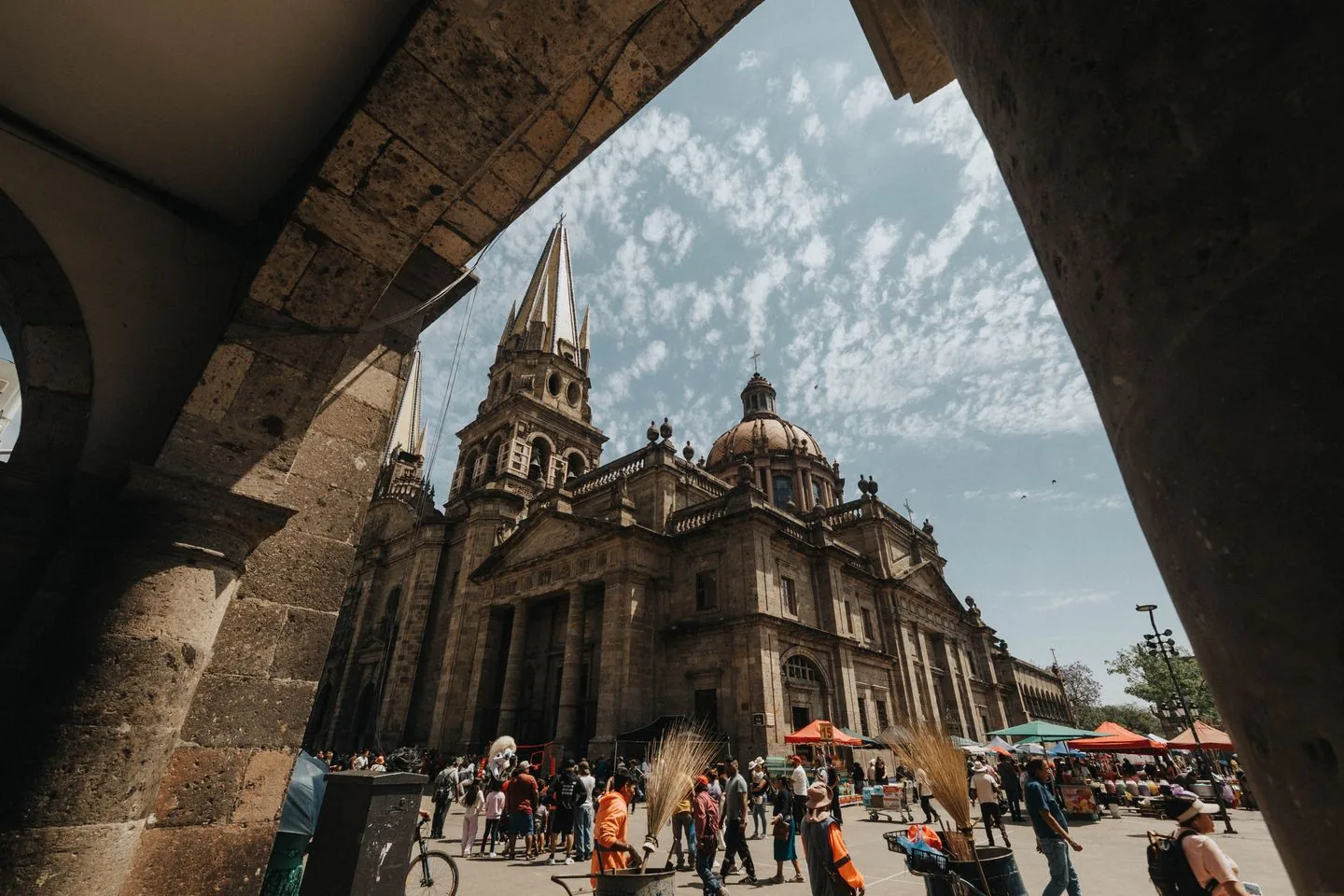
If you are continuing on foot, return through Plaza Tapatía towards the Cathedral rather than adding an unrelated neighbourhood detour. Keep market shopping optional and protect your remaining time for lunch. Comfortable shoes and a light bag make the longer museum-and-centre combination easier.
Check before you go
Opening arrangements and visitor rules can change. Check the official information before your trip.