Follow the temple approach in order
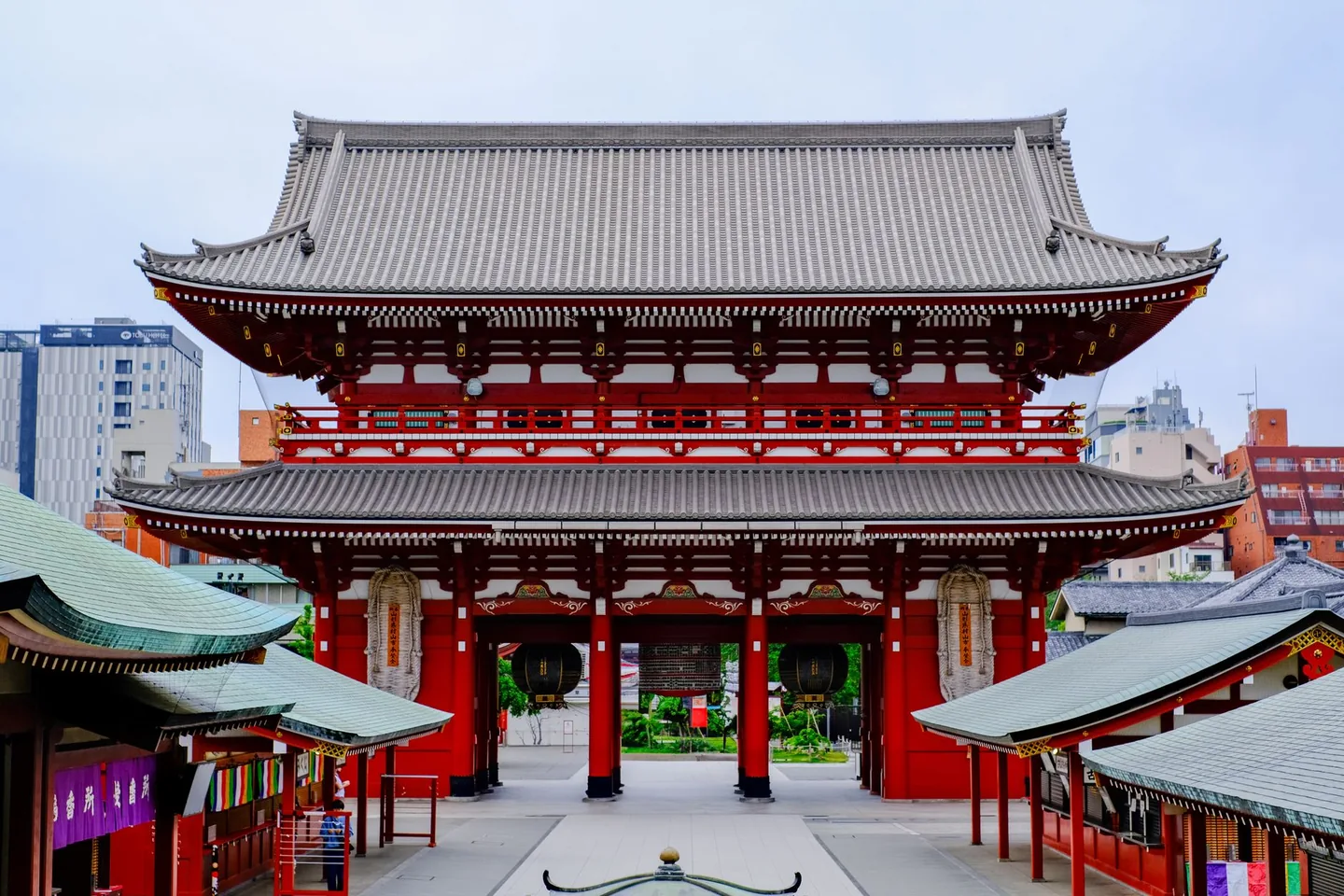
Begin at Kaminarimon, where the large lantern marks the approach. Walk along Nakamise to Hozomon, then continue to the main hall. This sequence makes the buildings easier to read than entering through a side lane and immediately doubling back.
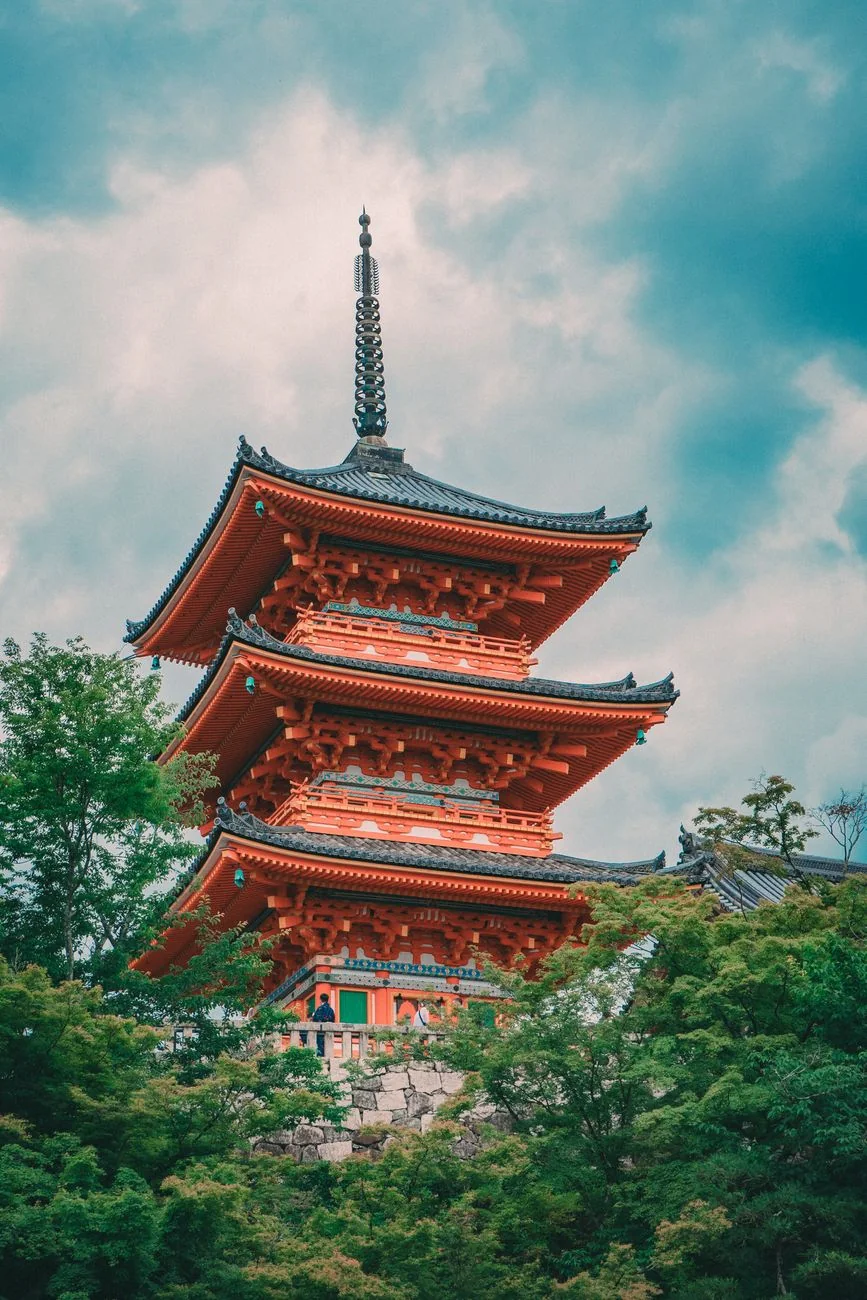
Look for the layered roofs of Hozomon and the five-storey pagoda beside the principal approach. The temple’s main object of worship is not on public display; a visit is about the precinct, architecture and religious setting rather than seeing that statue.
Mobile data for your trip. Check what your current plan includes for roaming. If you need another option for maps, messages and booking details, compare NXTL eSIM coverage and rates. Check that your phone supports eSIM and is unlocked, and check coverage for every stop. Download important maps and confirmations for offline use too.
Leave space for worship and everyday shopping
Stand aside when checking directions or taking photographs, and follow posted rules in the hall. Incense and fortune slips are optional religious practices, not compulsory steps on a sightseeing checklist. Use a small bag that you can keep close in crowded sections.
Nakamise sells traditional souvenirs and sweets, but an open temple precinct does not mean every shop is open. Buy food where permitted and follow each stall’s instructions about eating; keep rubbish until you find an appropriate disposal point.
A closed garden is not a missing route segment
Senso-ji’s official precinct guide described Denboin Garden as closed to the public when checked on 20 October 2026. Do not confuse walking along Denboin Street with admission to the garden, or make garden entry a required part of this outing.
Packtricia will check for changes; always check the temple before travelling. Use the open precinct and a riverside walk as the alternative. A special opening would need its own confirmed visitor arrangements, rather than an assumption that the usual street route grants access.
Pause for soba south of the gate
We recommend Namiki Yabu Soba for a seated noodle stop before continuing east. The restaurant’s Kaminarimon address makes it a practical return towards the river side of Asakusa, rather than an unrelated detour.
Order from the current menu and check dietary needs directly. Leave a flexible lunch window: if a queue makes the outing uncomfortable, shorten the remaining walk rather than rushing a meal. Carry a little cash as well as your usual payment method.
Finish beside the Sumida, with an optional shorter return
Head towards Azuma Bridge and the Sumida River. Look across the water towards the Skytree skyline, then choose a manageable riverside stretch. This is a separate change of scene after the concentrated temple approach, with space to decide whether to continue.
Return to Asakusa Station if you have had enough walking. Crossing the river, visiting Tokyo Skytree and taking a boat are optional extensions with additional time, tickets or operating conditions. None is needed to complete this route; postpone an exposed riverside stage in strong wind or heavy rain.
Use a guide for context instead of repeating the same walk
Replace the independent temple stage with a guided walk if you want help understanding the religious customs and neighbourhood history. Keep lunch and the river for afterwards, allowing time to regroup at the end. Do not book a second overlapping Asakusa circuit on the same day.
Consider the Asakusa walking tour with Senso-ji Temple visit. This two-hour guided walk covers the temple district, including Kaminarimon, Nakamise and Asakusa Shrine. Choose the English or Spanish option you need and check its exact meeting point and departure time. Guiding and the walk are included; budget separately for food, shopping and transport. Crowds can make hearing difficult, so stay near your guide. Ask the operator about your access needs before booking.
What to bring
Wear shoes with grip and pack a compact umbrella, drinking water and a removable layer. In summer keep the exposed river section short and take shaded breaks; in winter bring an outer layer suitable for standing still while looking at buildings.
Save the meeting point if booking a guide, and distinguish Tokyo Metro Asakusa from the area’s other railway entrances. Check your return journey before your phone battery runs low; an offline landmark pin does not replace live public-transport directions.
Check before you go
Opening arrangements and visitor rules can change. Check the official information before your trip.