Begin outside the Atomic Bomb Dome
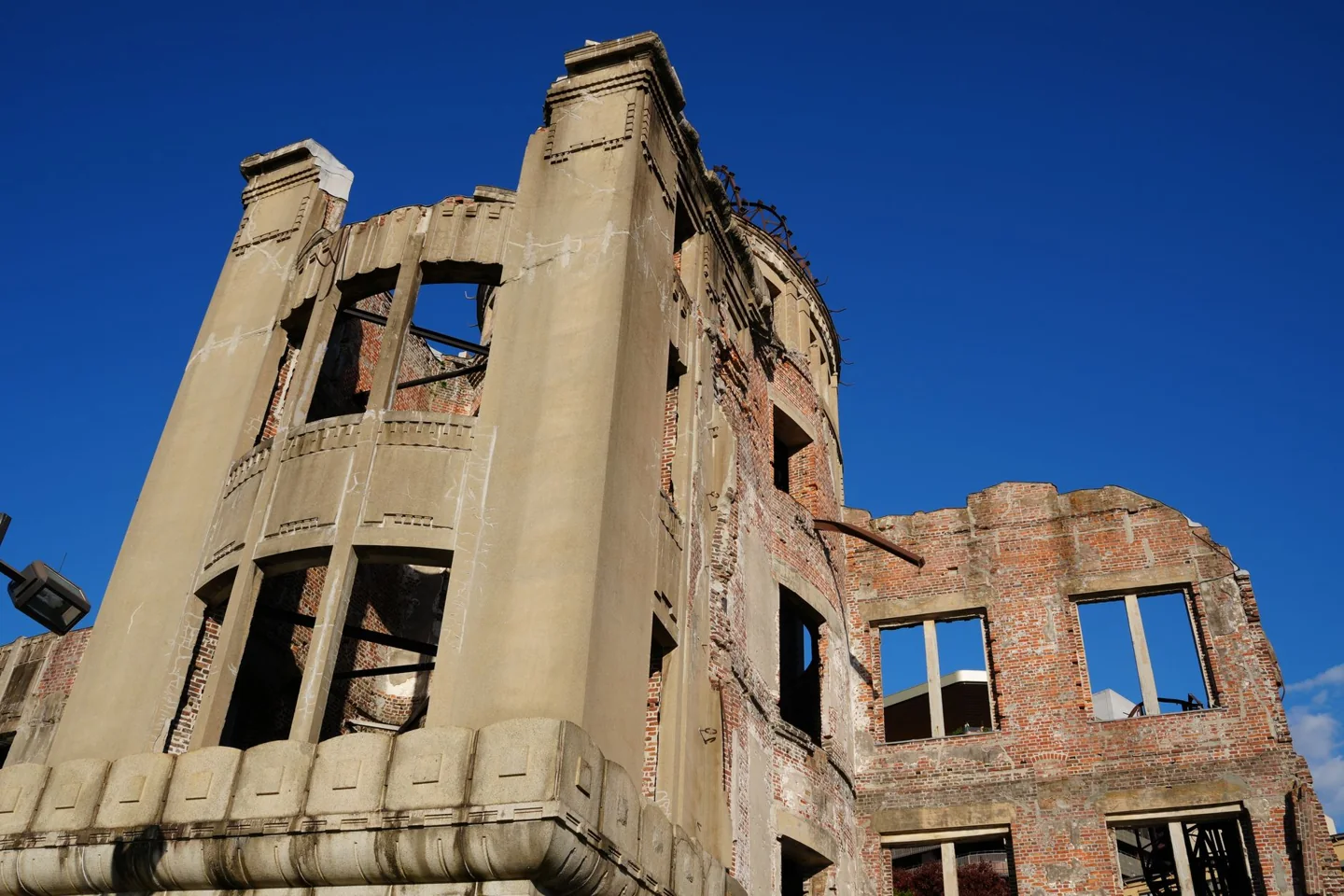
Start at Atomic Bomb Dome and view the preserved structure from the public paths. Notice the exposed framework and remaining walls before crossing towards Peace Memorial Park. Keep outside the protective boundary; this is a conserved ruin, not a building visitors can enter or climb for a different view.
Read the nearby interpretation and take time to place the building within the modern city around it. Step aside from crossings and narrow paths before stopping for a photograph. The public route can be followed independently, and there is no need to buy a tour simply to walk between the park’s principal monuments.
Mobile data for your trip. Check what your current plan includes for roaming. If you need another option for maps, messages and booking details, compare NXTL eSIM coverage and rates. Check that your phone supports eSIM and is unlocked, and check coverage for every stop. Download important maps and confirmations for offline use too.
Continue to the Children’s Peace Monument
Cross towards the park and follow signs to the Children’s Peace Monument. Look at the monument and the paper-crane displays while leaving space for people paying respects. Schools and groups may be gathering, so keep your route flexible rather than expecting every viewpoint to be free at once.
Let the explanatory panels guide the meaning of the stop. Children may benefit from a conversation about the crane offerings and the people remembered here. Avoid treating the displays as props, moving offerings or blocking a ceremony to complete a photograph. Continue only when everyone in your party is ready.
Walk towards the Flame of Peace and cenotaph
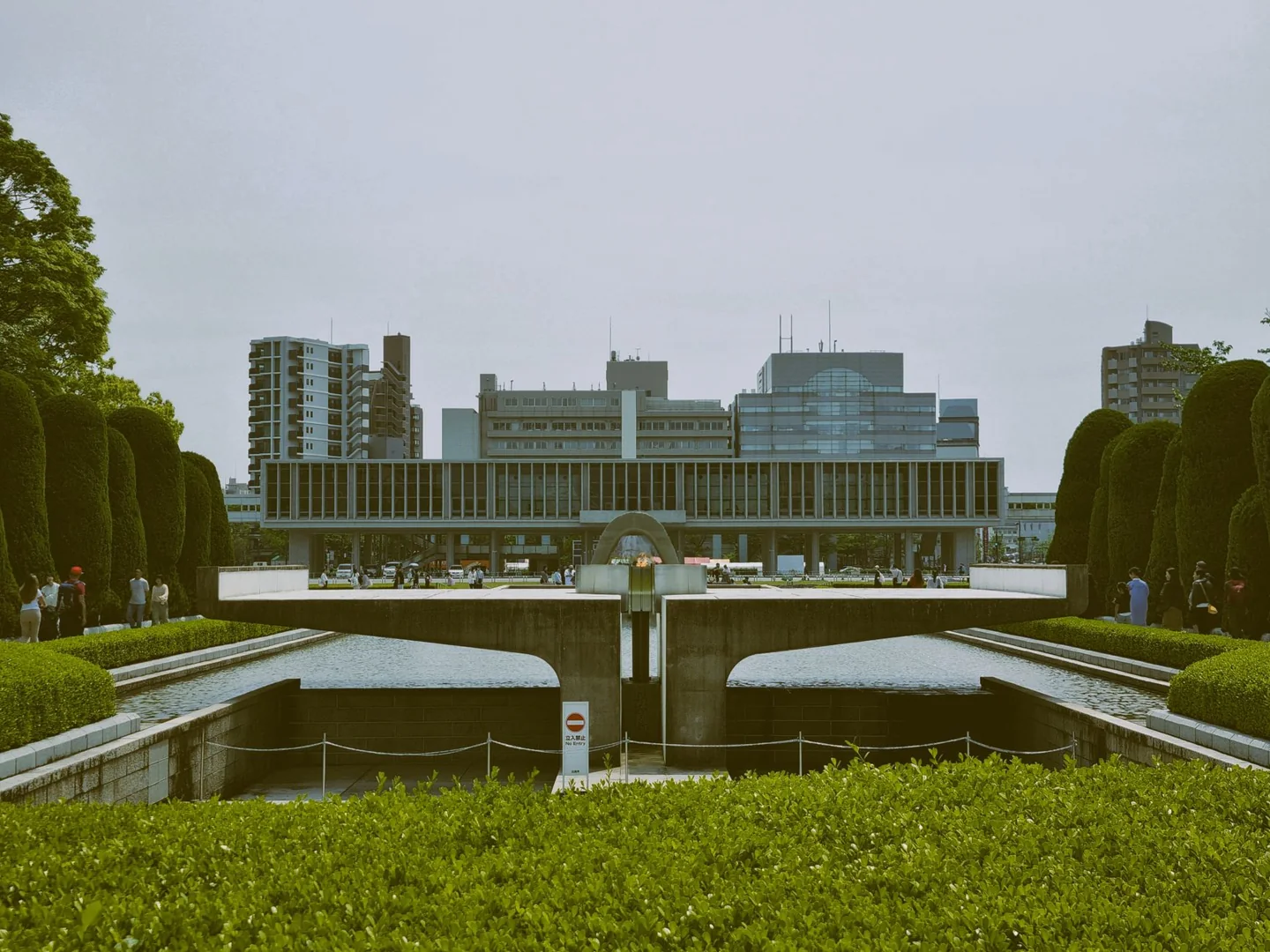
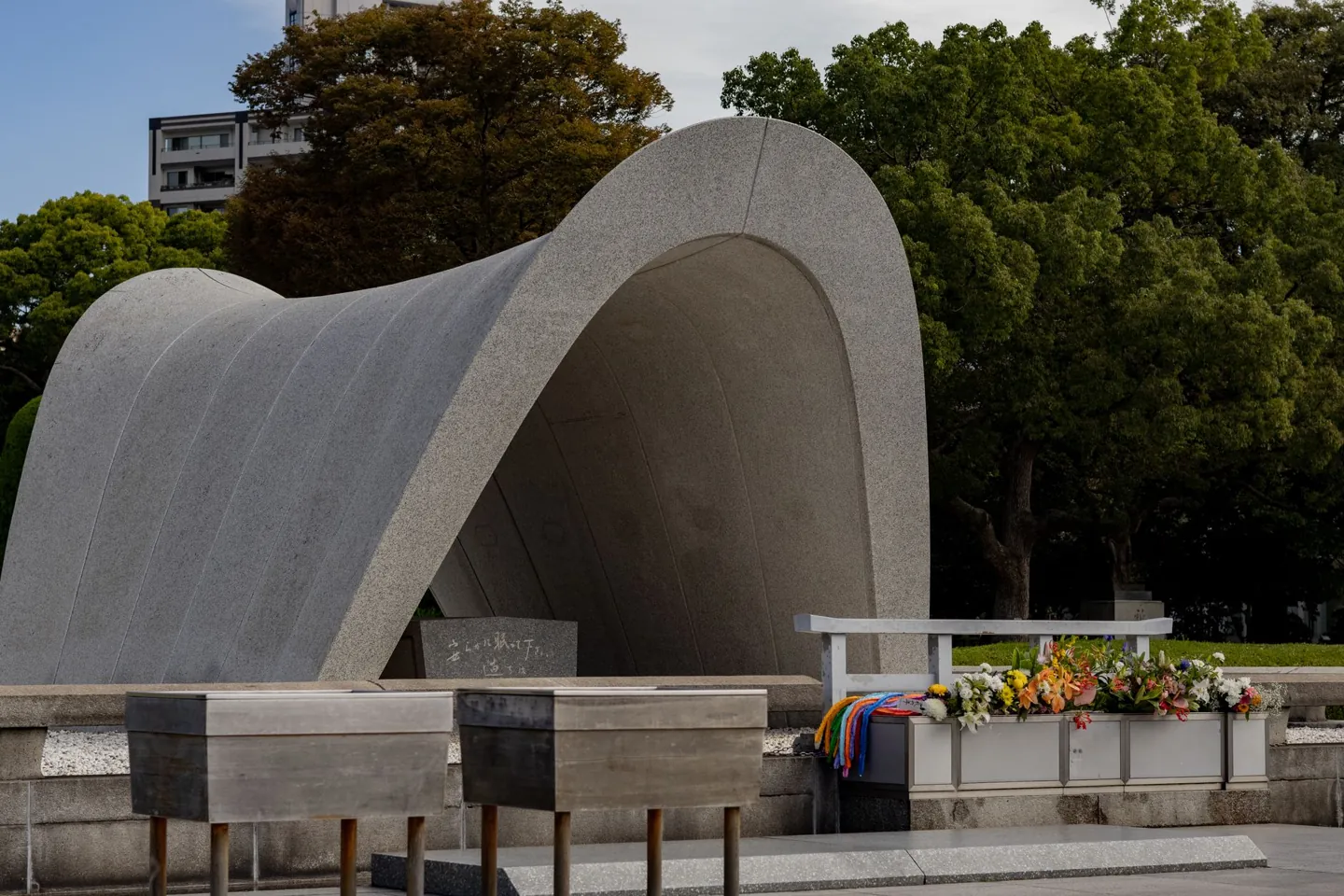
Continue to the Flame of Peace, Hiroshima and Cenotaph for the Atomic Bomb Victims. Pause to see the relationship between the monuments, the museum and the Dome across the park. The route is short enough to repeat a section if you want another look, rather than rushing every stop in one pass.
Respect barriers, offerings and people standing quietly. The memorial landscape works best with room for reflection, so keep food breaks away from the monuments. If you want a meal afterwards, we recommend Nagata-ya near the eastern edge for Hiroshima-style okonomiyaki, with its current service and any dietary requirements checked directly.
Choose a guide for the wider historical route
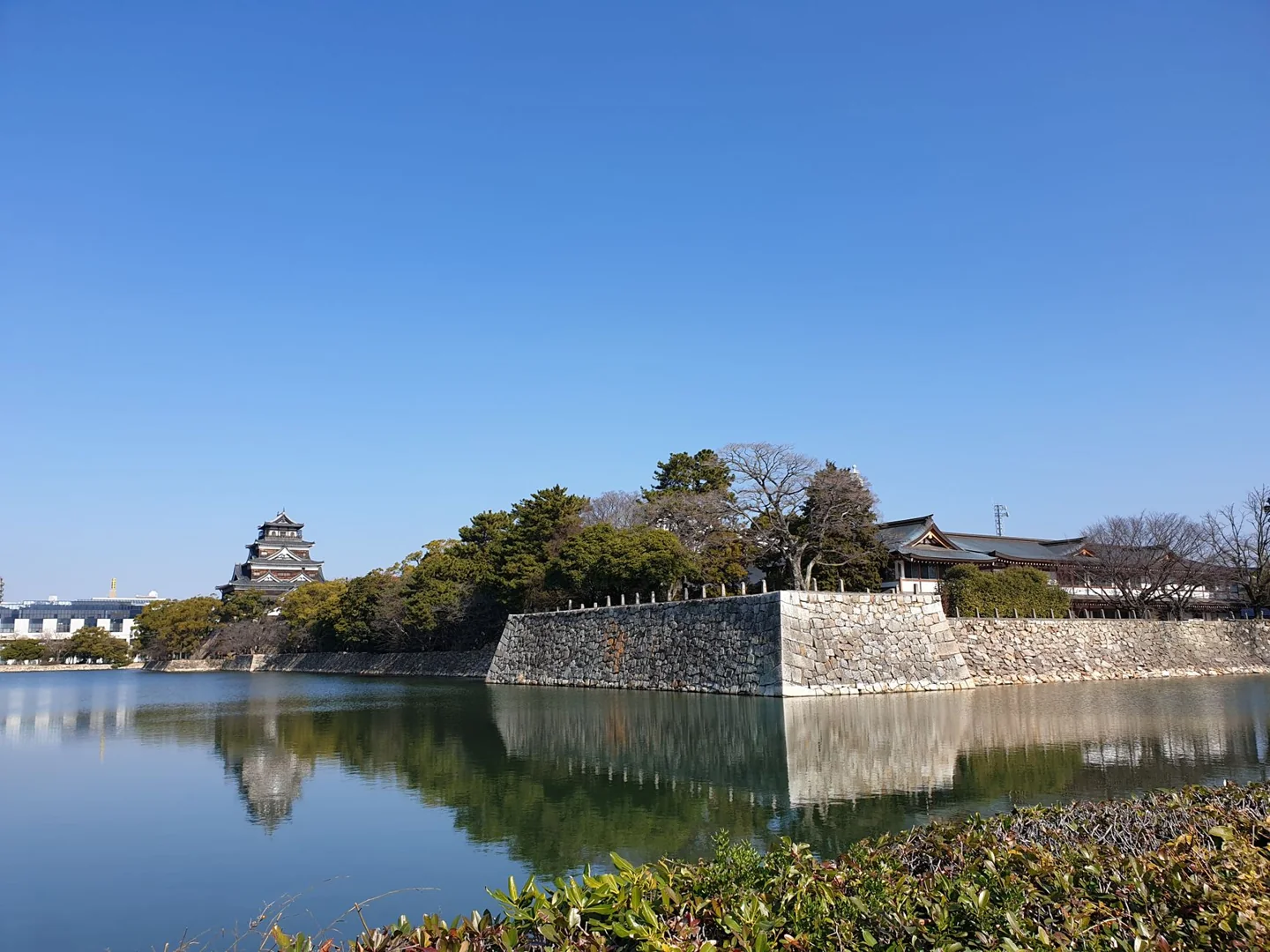
A guided historical walk is an alternative if you want more context and are comfortable following a group’s pace. The outing linked below starts at Gokoku Shrine near the castle and continues towards Peace Memorial Park. It therefore begins elsewhere and covers more than this independent park loop; arrange your arrival at the actual meeting point.
Choose the English departure that suits your date and read the confirmation. The listed inclusion is the guided walk; museum admission, an interior museum guide and castle-keep access are not promised. The keep is closed. If step-free access matters, confirm the exact route with the operator even when the listing carries an accessibility badge.
Consider the Hiroshima historical walking tour. Select the English departure for your date and confirm the Gokoku Shrine meeting point. This wider walk ends at the museum; do not assume museum admission, interior guiding or closed castle-keep access is included. Confirm mobility requirements with the operator.
Keep museum and weather choices flexible
The Peace Memorial Museum is a separate visit worth giving its own time. Check its official admission system, particularly for reserved early or late entry, instead of assuming the park walk secures a slot. For a shorter outing, end at the cenotaph and save the museum for another part of the day.
Carry water, rain protection and a charged phone, with a coat for slower winter stops. In hot weather, shorten the exposed riverside section and allow cooling breaks. During severe-weather warnings or temporary access restrictions, follow official advice. A flexible route is more useful here than a requirement to finish every monument.
Check before you go
Opening arrangements and visitor rules can change. Check the official information before your trip.